
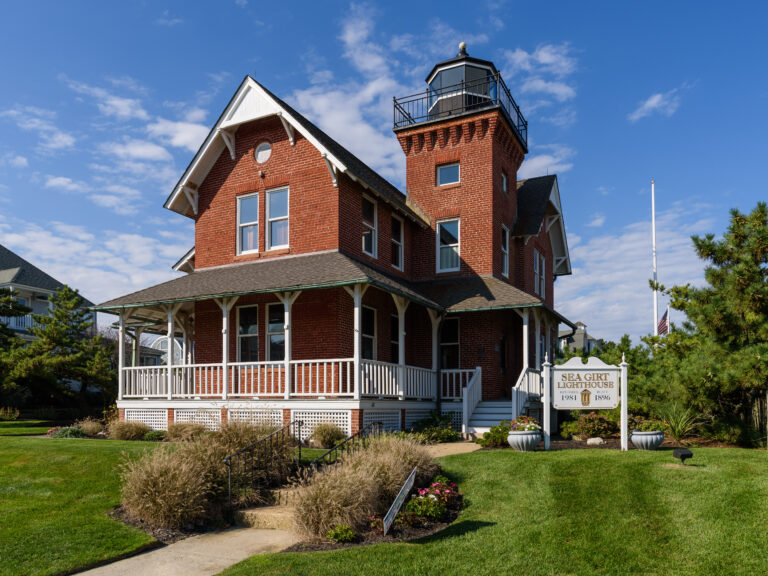
On Sea Girt’s ocean blocks, wind, salt, and shifting sand mark a tree long before a limb falls. Learn what decides whether a damaged coastal tree can be restored before winter.
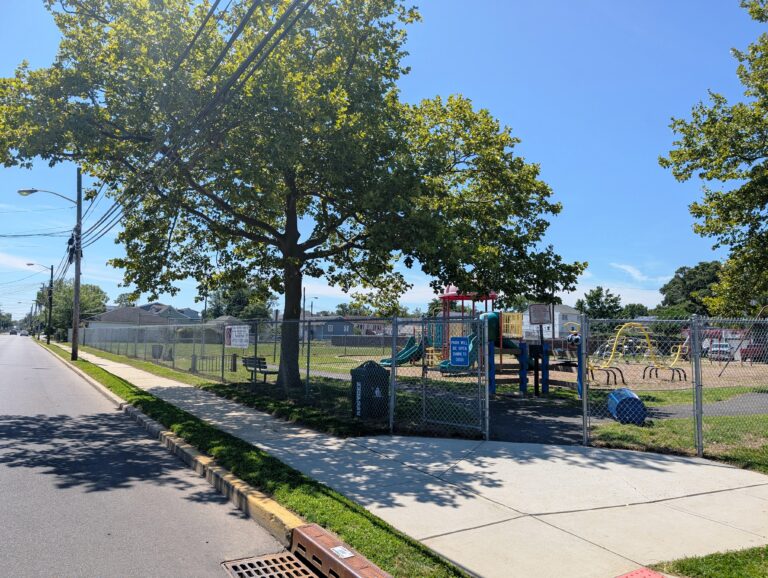
On Keansburg lots where a hedge sits close to a fence, a wire, or a neighbor, a bad cut shows for years. Learn why late fall is for planning and which month suits each hedge.
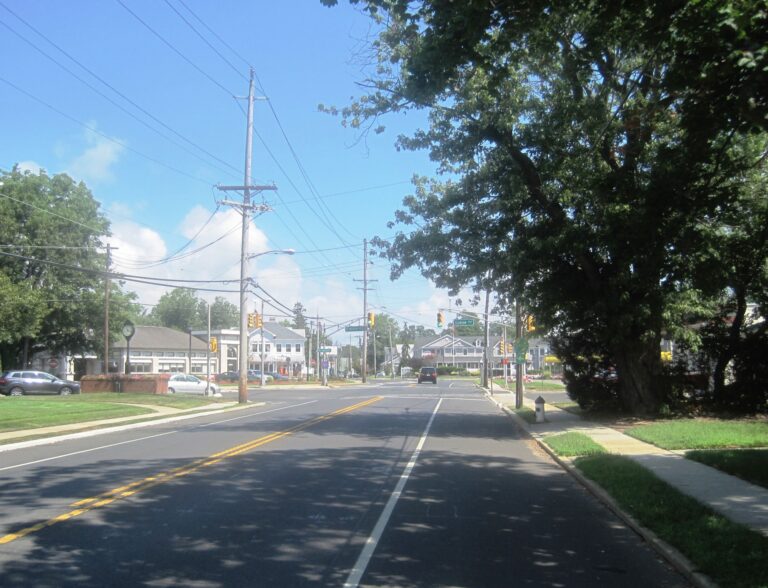
A Spring Lake Heights shade tree can stand over Route 71 wires, a roof, and a driveway in one view. Learn how pruning for a reason fits the dormant season and the borough tree ordinance.
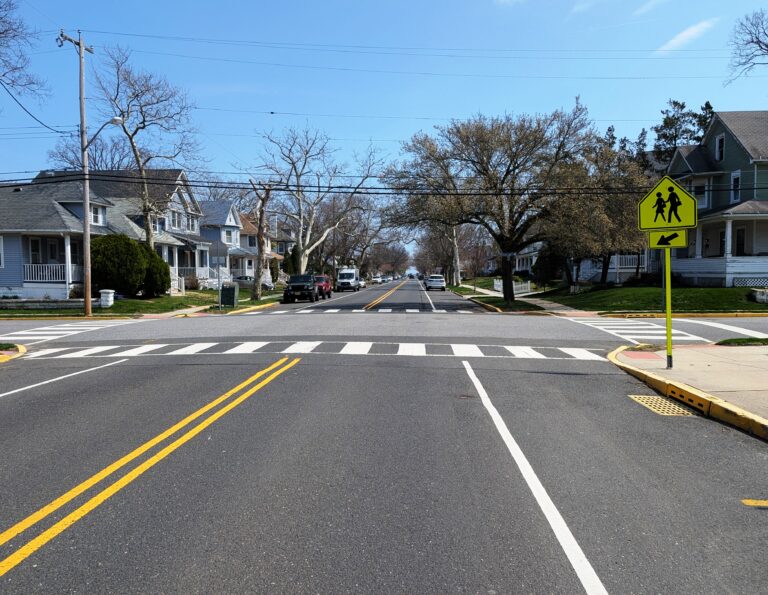
On a narrow Bradley Beach lot, a tree does not have to fall far to reach a porch, a wire, or a parked car. Learn how a tree risk evaluation finds defects before winter wind adds load.
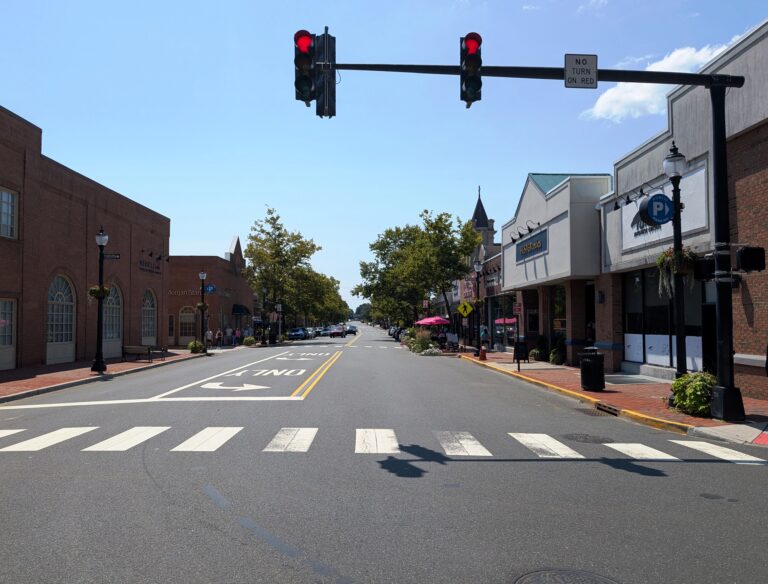
In Red Bank, street trees stand close to traffic, storefronts, and a tidal river. Learn how storm proofing finds weak unions and wet roots before winter wind and water arrive.
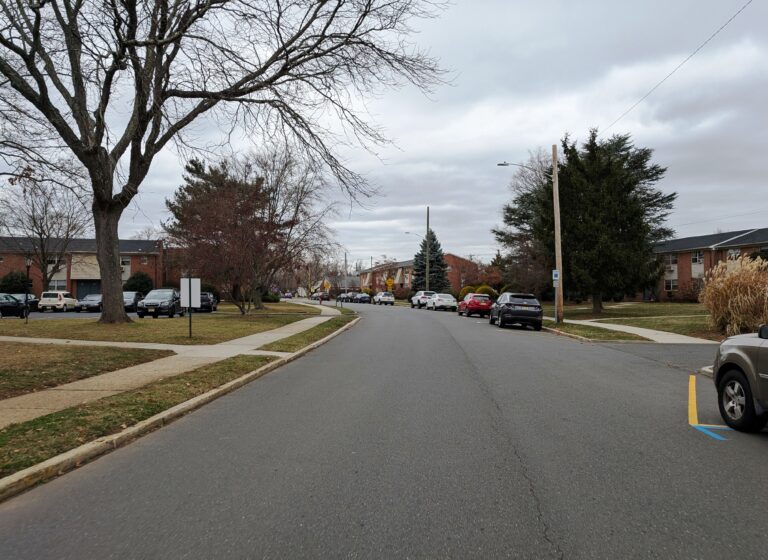
In Shrewsbury Township, three streets and about a mile and a half of road mean one tree often reaches several lots. Learn how to plan trimming before winter weather.
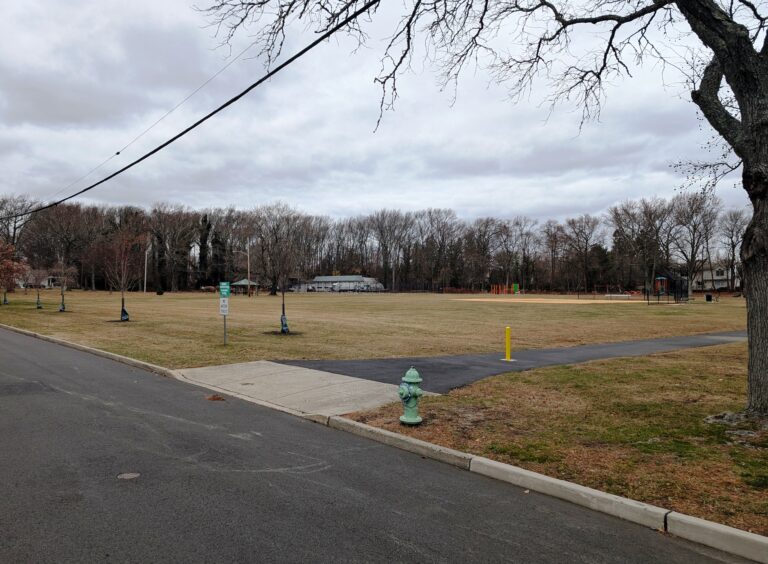
Interlaken’s trees sit beside Deal Lake and County Route 15, where snow, road salt, and wet soil all add stress. Learn what to check before winter weather arrives.
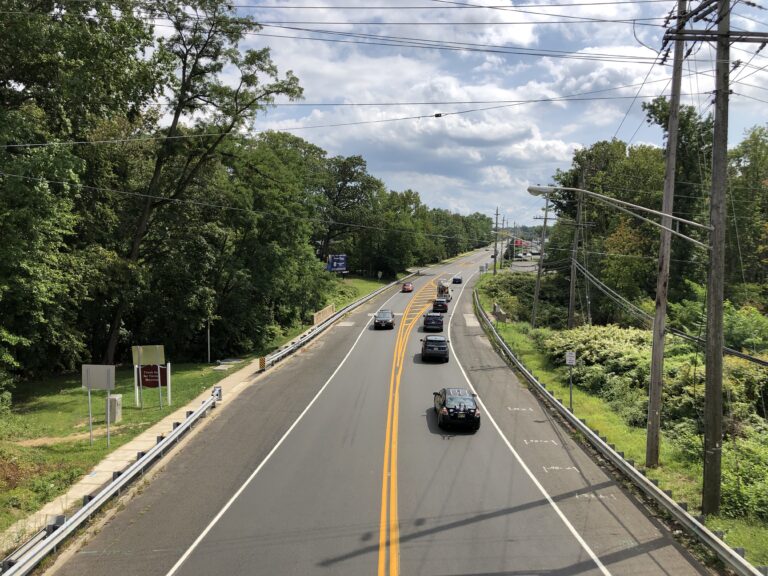
Aberdeen’s trees stand beside Route 34, overhead wires, and the Raritan Bay shore. Learn what decides whether a damaged tree can be restored before winter.
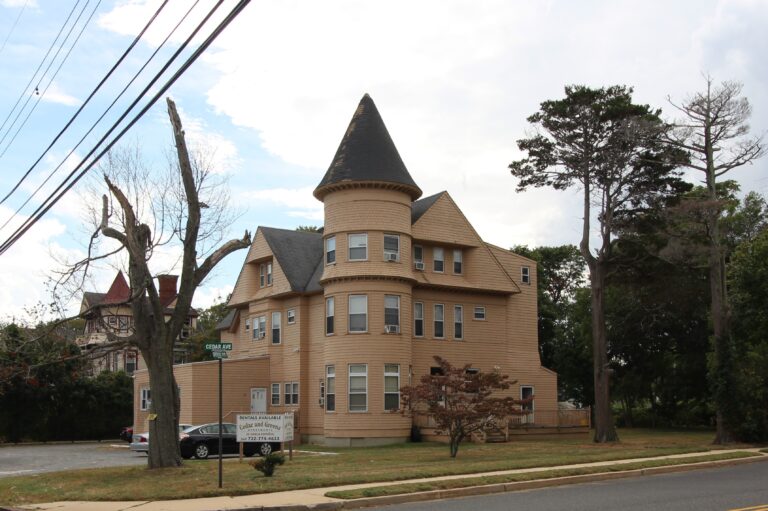
In compact West Long Branch, a limb does not have to be large to reach a roof, a wire, or a neighbor’s fence. Learn why every pruning cut needs a reason and what the borough tree code says.
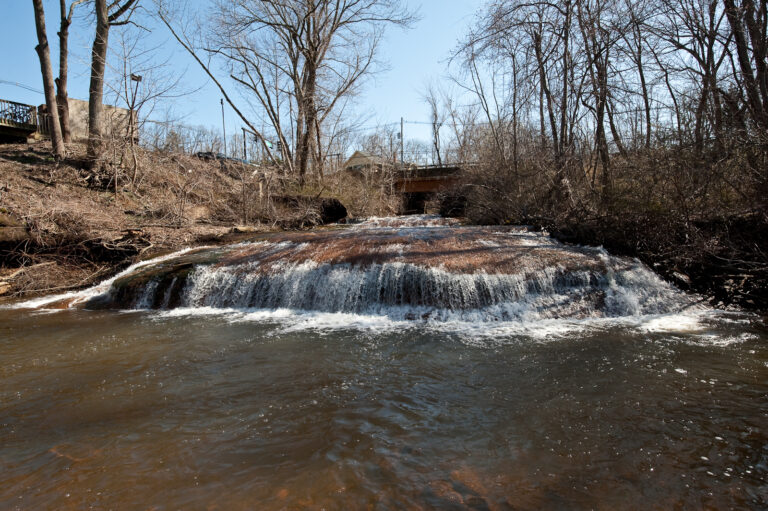
In Tinton Falls, a mature oak or maple can carry two heavy stems on a seam that looks solid from the street. Learn how weak unions fail, what can be done, and what the borough code requires.