
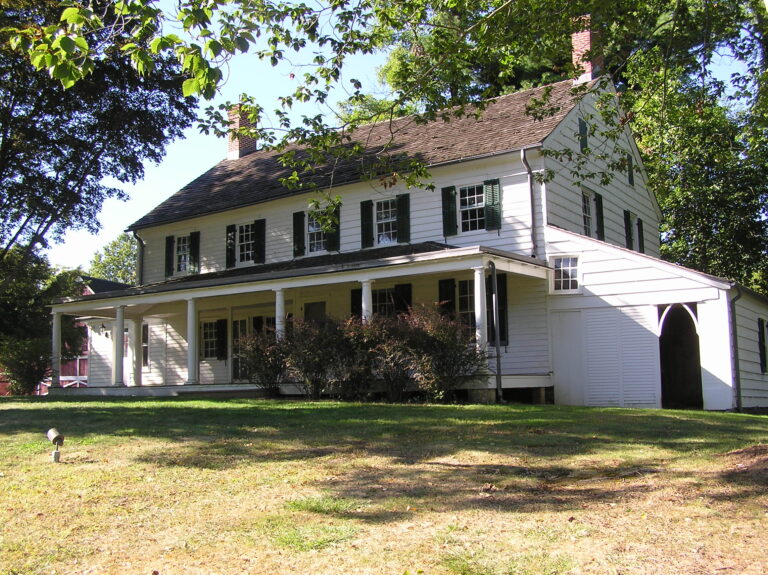
In Little Silver, wet ground along the Shrewsbury River and a borough tree ordinance shape every winter storm decision. Learn what to check on your trees before the next nor’easter.
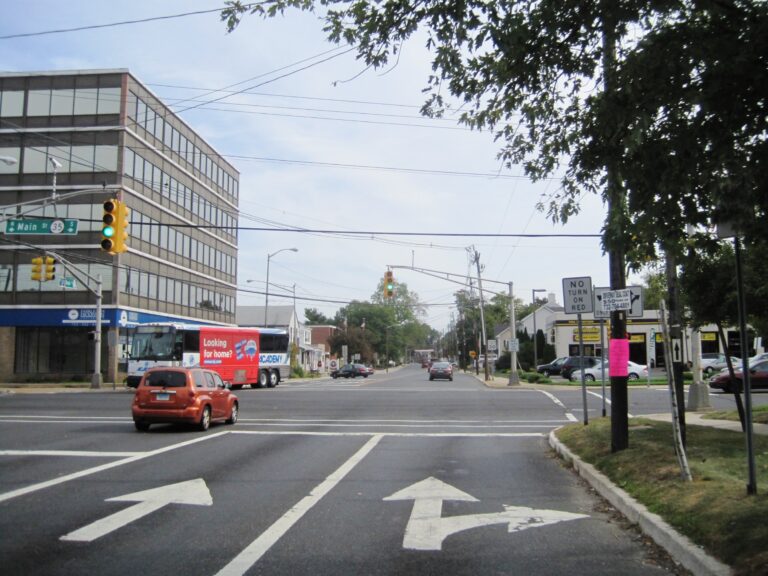
In Eatontown, the borough code decides who may approve a tree removal, and where the trunk stands changes the steps. Learn how we document a hazard tree before winter storms add load.
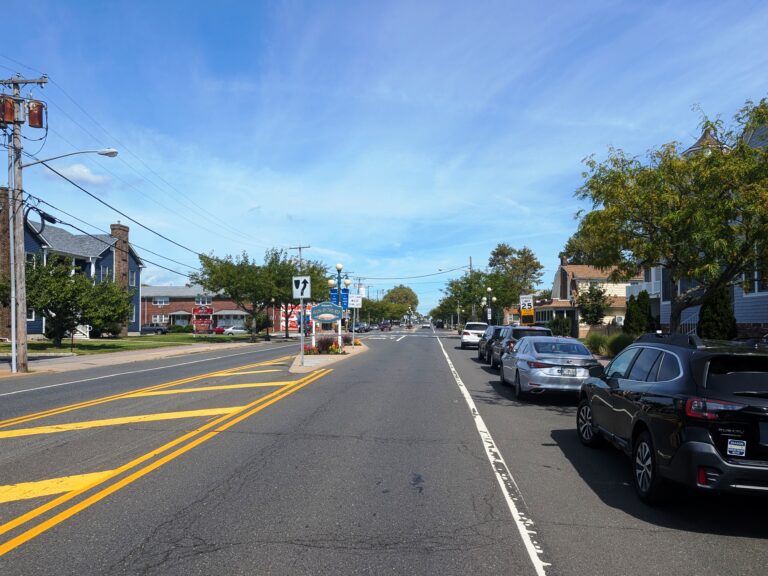
In Avon-by-the-Sea, with the Shark River on one side and Sylvan Lake on the other, tree roots live in ground close to water. Learn what weak roots show above ground before winter wind tests them.
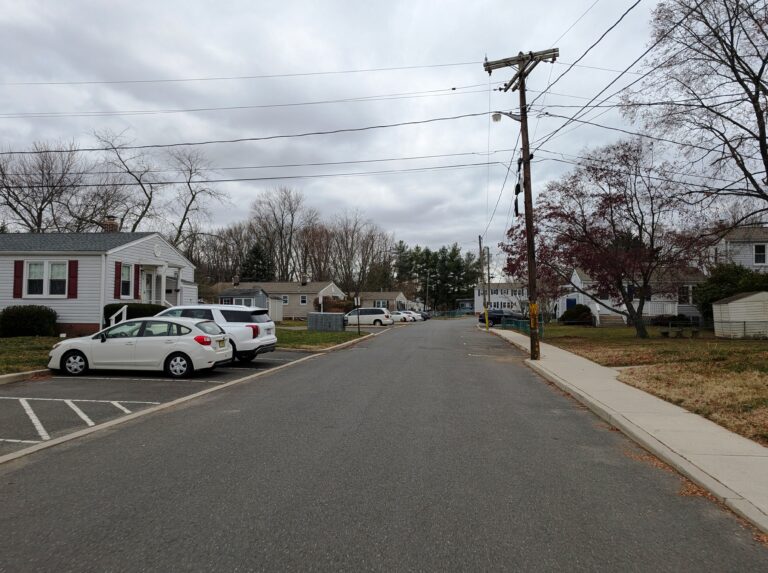
In Shrewsbury Township, three streets and 1,076 residents share a tiny footprint, so a failing tree seldom lacks a target. Learn how an evaluation weighs each defect against what stands below it.
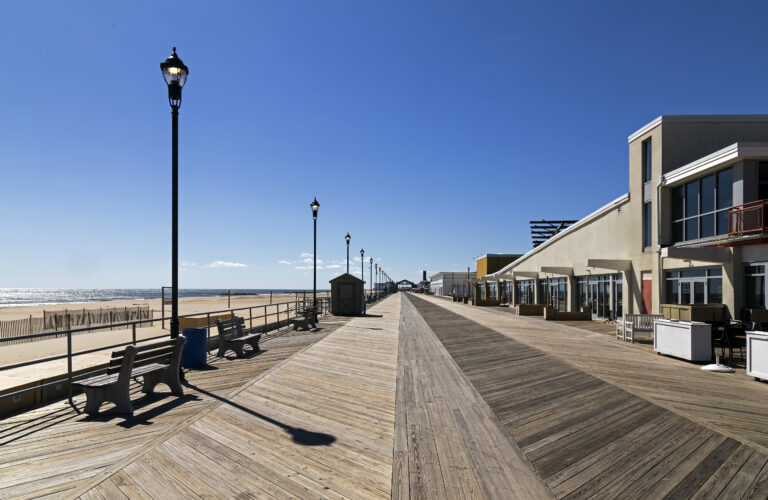
In compact Asbury Park, a fork between two similar trunks has little room to fail before it reaches a roof, car, or sidewalk. Learn what leaf drop shows and when to call for an inspection.
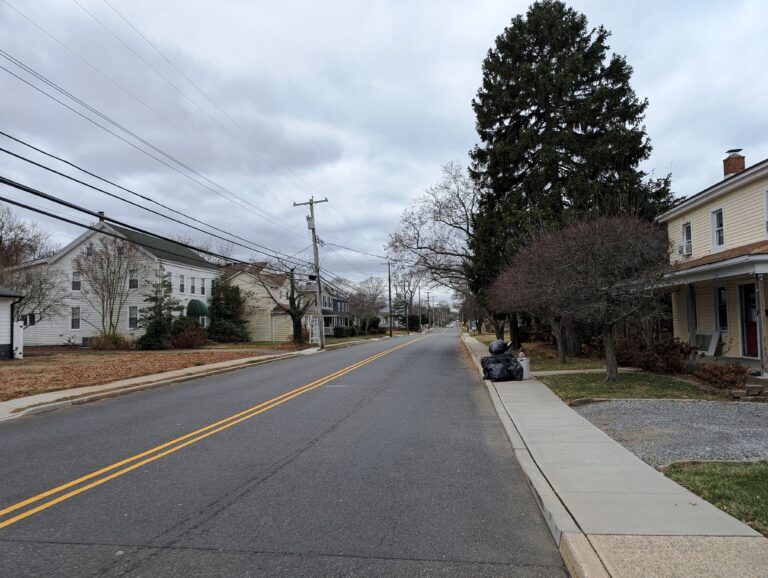
In Oceanport, bare winter canopies show evergreen vines climbing trunks beside wires and close lots. Learn what a vine can hide on a mature tree and when to call for an inspection.
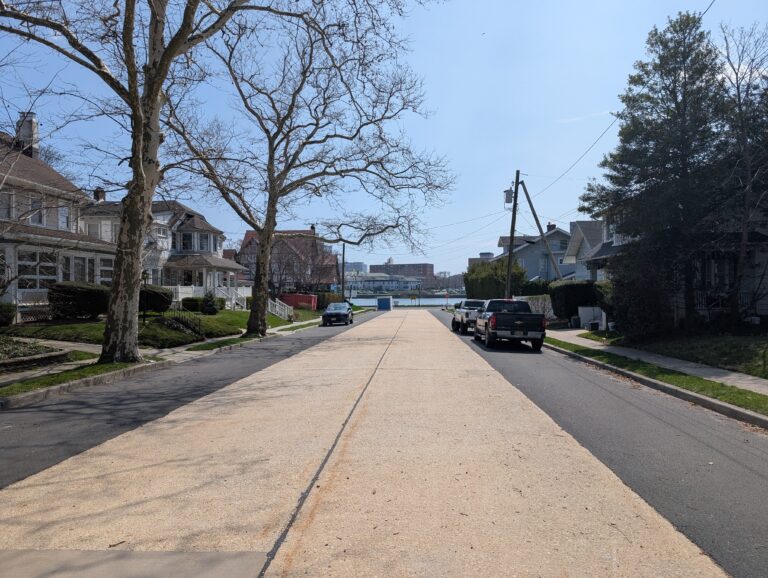
In Loch Arbour, houses, wires, and Deal Lake share very little ground, so a failing tree has little room to fall. Learn what a removal involves and what the village expects first.
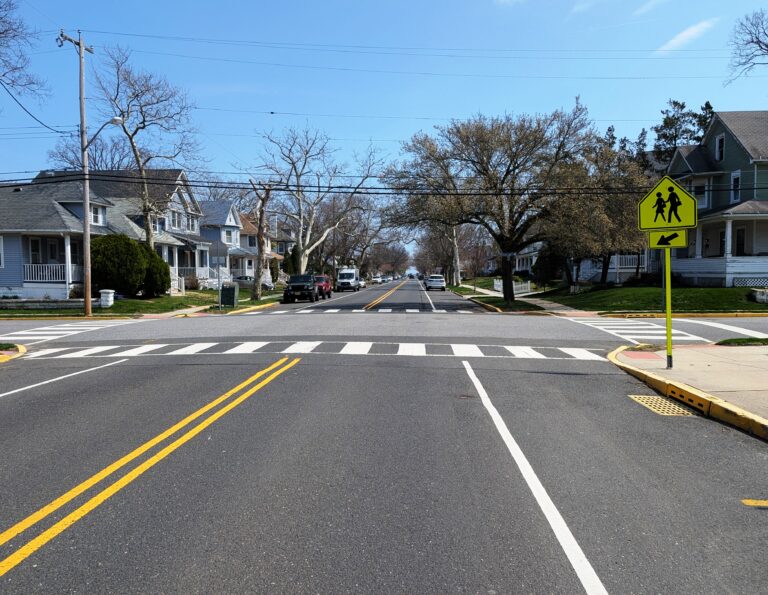
On a narrow Bradley Beach lot, a tree does not have to fall far to reach a porch, a wire, or a parked car. Learn how a tree risk evaluation finds defects before winter wind adds load.
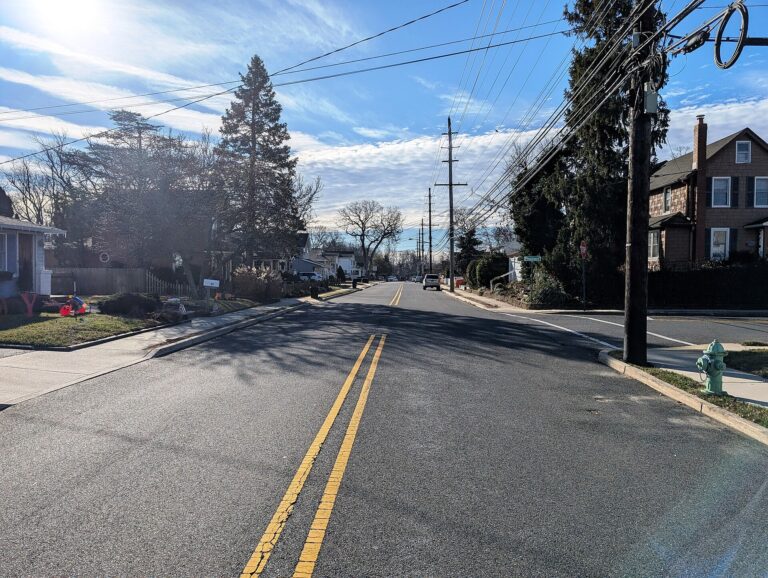
In Neptune City, a tree six inches across or more needs a borough application before it comes down. Learn how hazard trees, replacement rules, and a risk evaluation fit together.
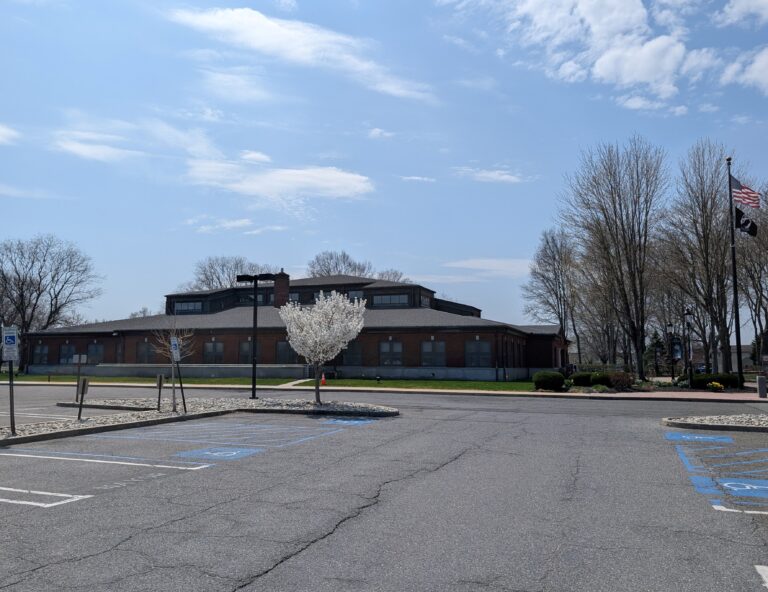
Wall Township covers nearly 32 square miles, from wooded lots near Allaire State Park to busy roads and tight streets. Learn how a risk review sorts those trees before winter and brush season ends.