
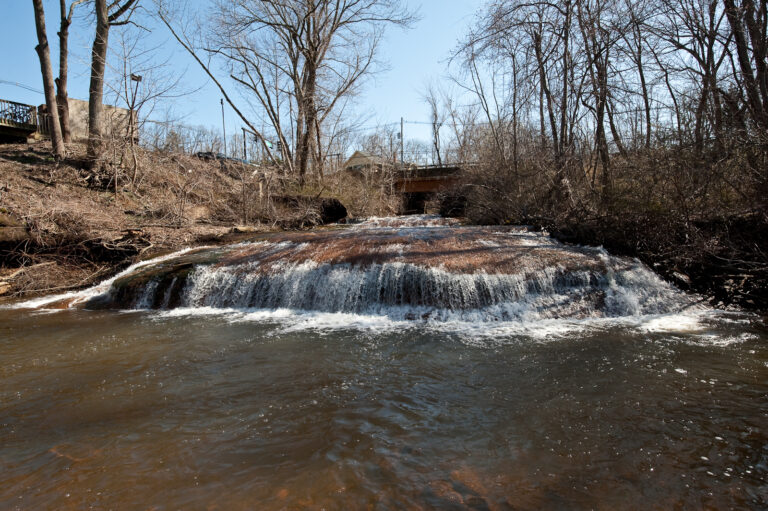
In Tinton Falls, a trim can turn into a removal that needs a borough permit, so every cut needs a reason. Learn how dormant season trimming works before winter storms add load.
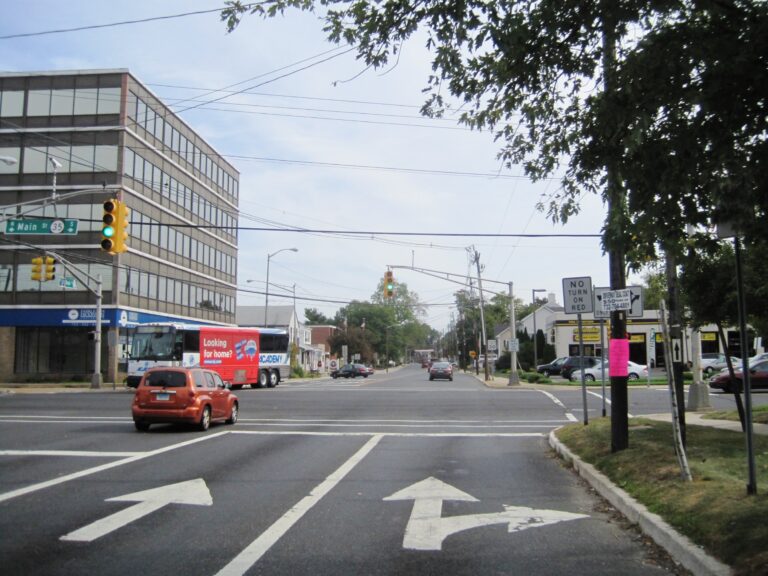
In Eatontown, the borough code decides who may approve a tree removal, and where the trunk stands changes the steps. Learn how we document a hazard tree before winter storms add load.
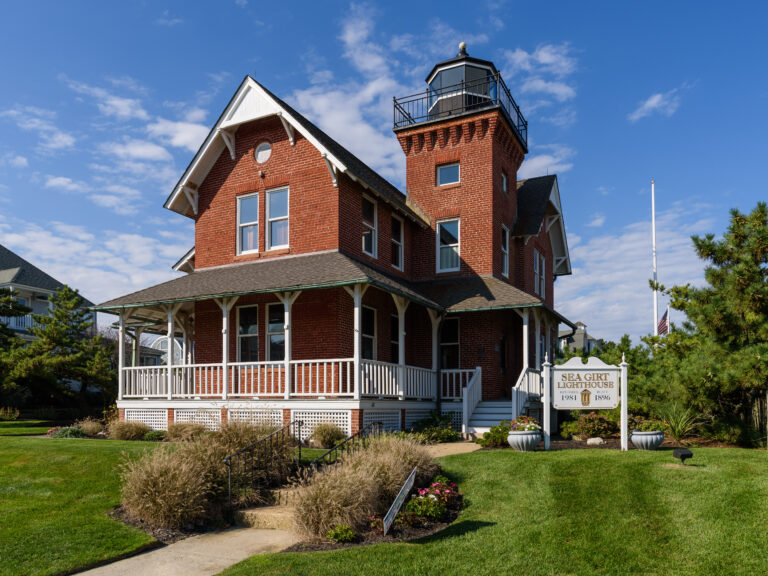
On Sea Girt’s ocean blocks, wind, salt, and shifting sand mark a tree long before a limb falls. Learn what decides whether a damaged coastal tree can be restored before winter.
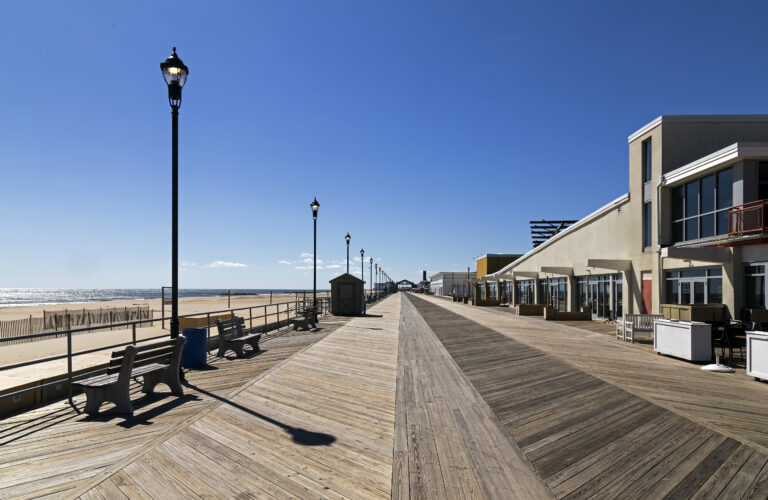
In compact Asbury Park, a fork between two similar trunks has little room to fail before it reaches a roof, car, or sidewalk. Learn what leaf drop shows and when to call for an inspection.
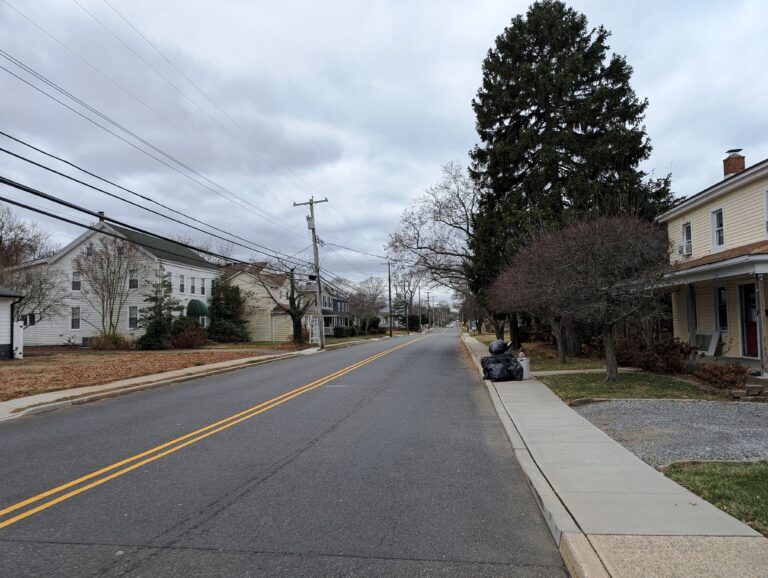
In Oceanport, bare winter canopies show evergreen vines climbing trunks beside wires and close lots. Learn what a vine can hide on a mature tree and when to call for an inspection.
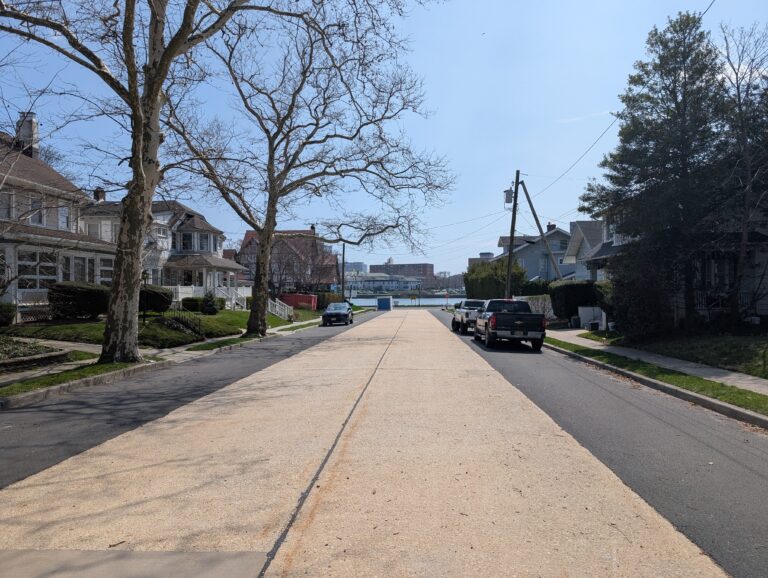
In Loch Arbour, houses, wires, and Deal Lake share very little ground, so a failing tree has little room to fall. Learn what a removal involves and what the village expects first.
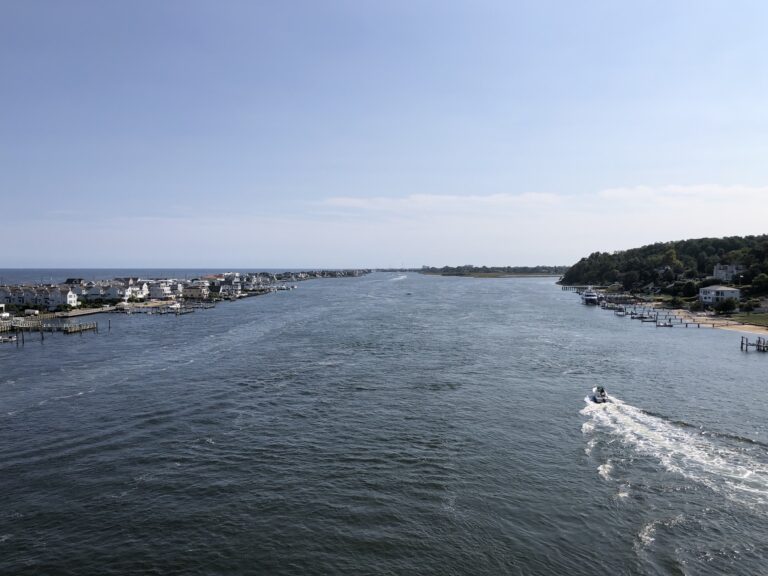
In Sea Bright, salt mist, sandy soil, and ocean flooding all reach a tree at once. Learn what each one does to buds, crowns, and roots before winter storms arrive.
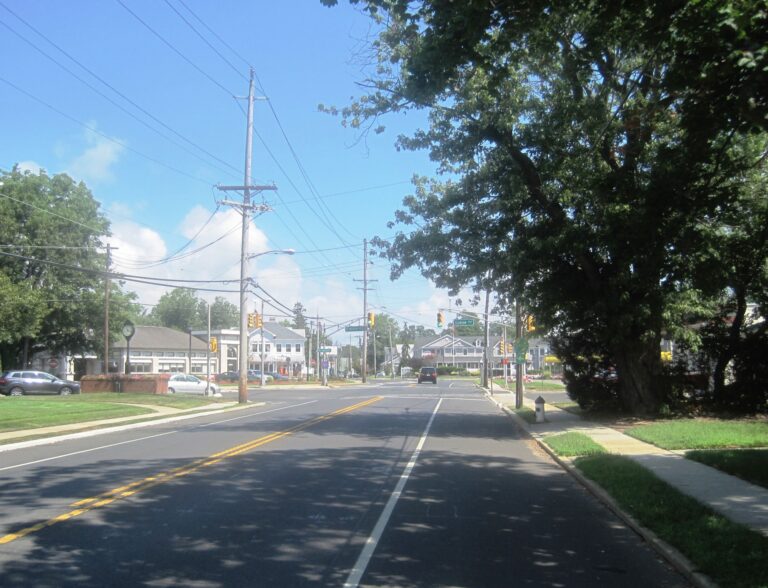
A Spring Lake Heights shade tree can stand over Route 71 wires, a roof, and a driveway in one view. Learn how pruning for a reason fits the dormant season and the borough tree ordinance.
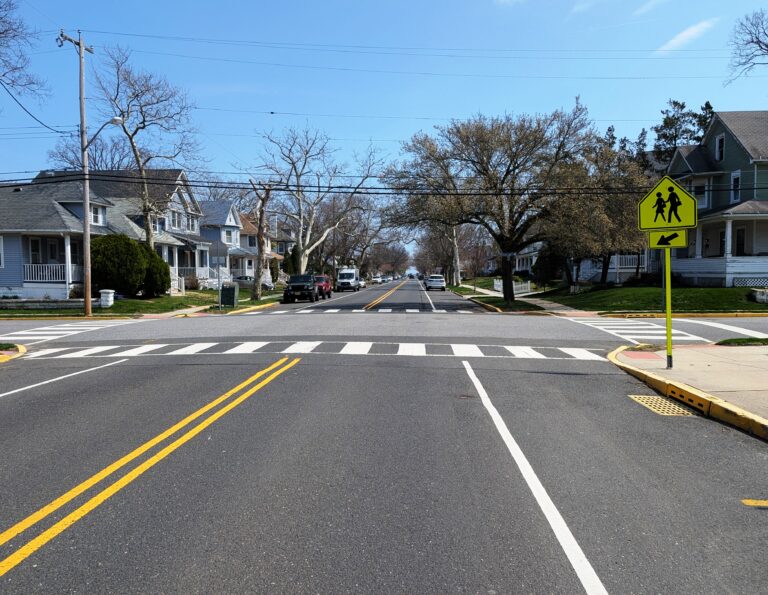
On a narrow Bradley Beach lot, a tree does not have to fall far to reach a porch, a wire, or a parked car. Learn how a tree risk evaluation finds defects before winter wind adds load.
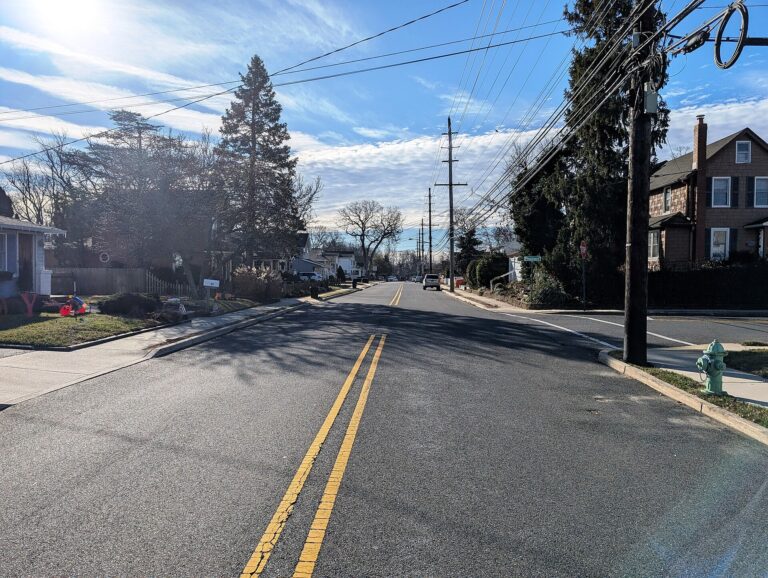
In Neptune City, a tree six inches across or more needs a borough application before it comes down. Learn how hazard trees, replacement rules, and a risk evaluation fit together.