
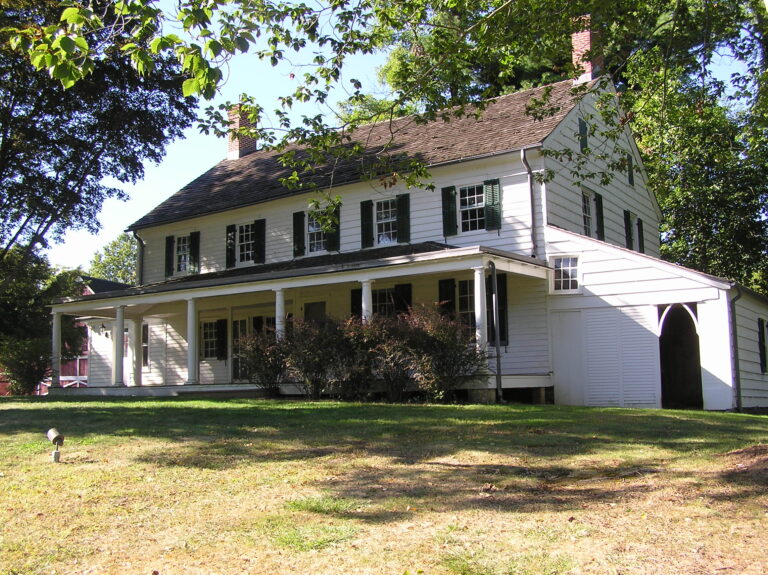
In Little Silver, wet ground along the Shrewsbury River and a borough tree ordinance shape every winter storm decision. Learn what to check on your trees before the next nor’easter.
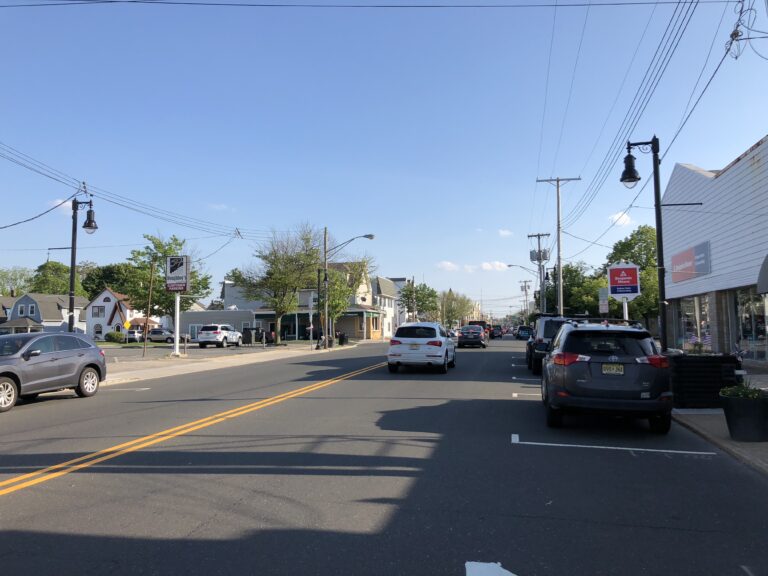
In Belmar, trees stand between the Atlantic Ocean and the Shark River, where wind, salt, and snow all test them. Learn what we check on a bare canopy before the first nor’easter arrives.
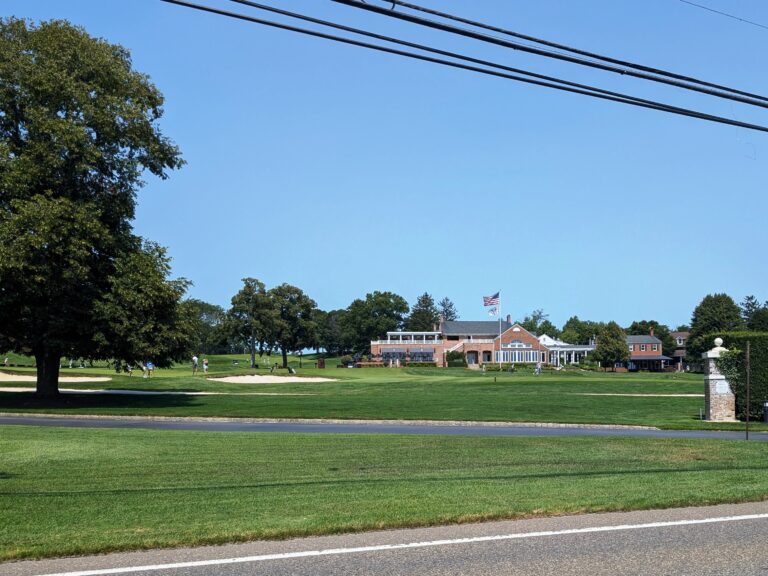
Brielle sits about 7 feet above the tidal Manasquan River, so its trees stand in wet soil and open wind. Learn how storm proofing reads unions, roots, and limbs before winter.
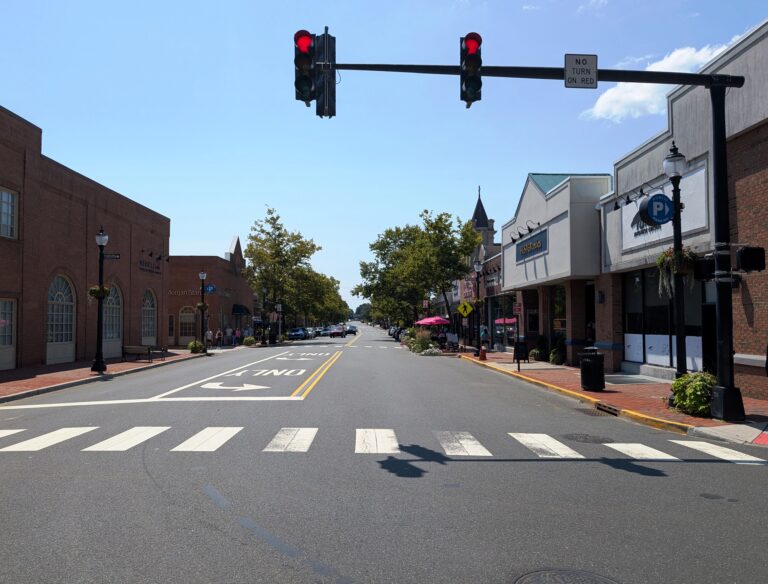
In Red Bank, street trees stand close to traffic, storefronts, and a tidal river. Learn how storm proofing finds weak unions and wet roots before winter wind and water arrive.
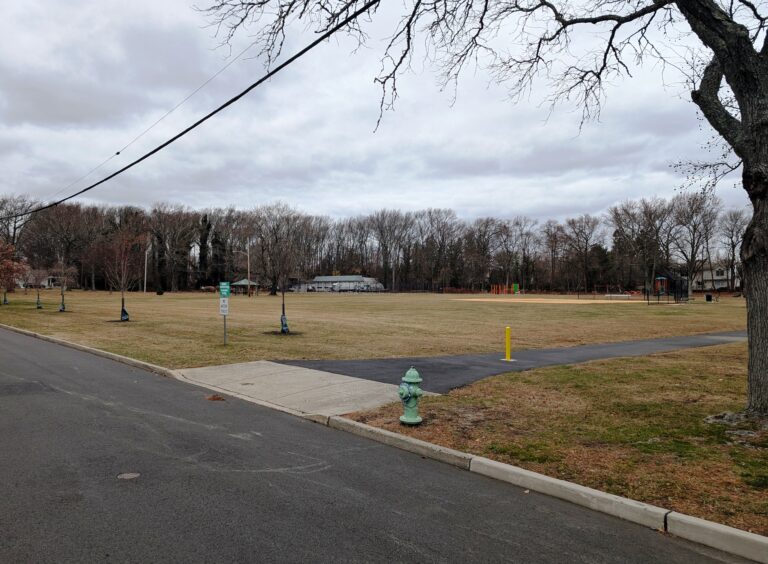
Interlaken’s trees sit beside Deal Lake and County Route 15, where snow, road salt, and wet soil all add stress. Learn what to check before winter weather arrives.
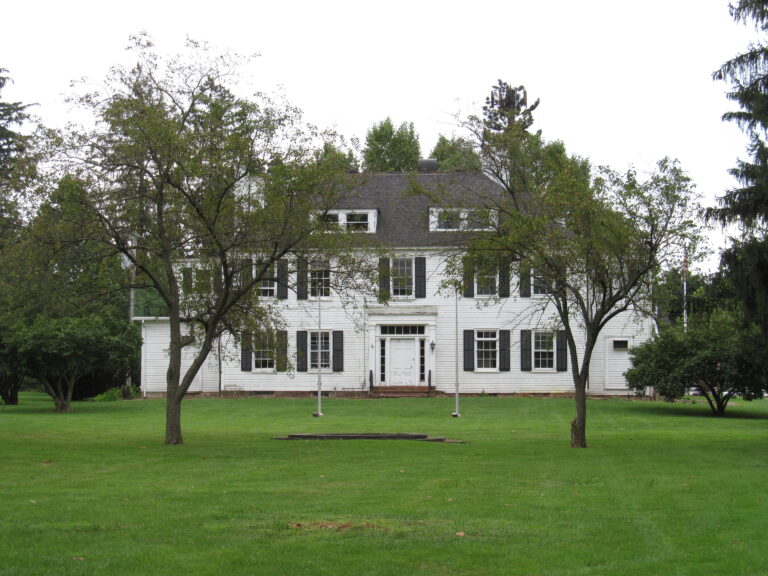
In Shrewsbury, mature trees, historic lots, and overhead wires share the same streets. Learn how storm proofing finds the defects that matter before a nor’easter or wet snow adds load.
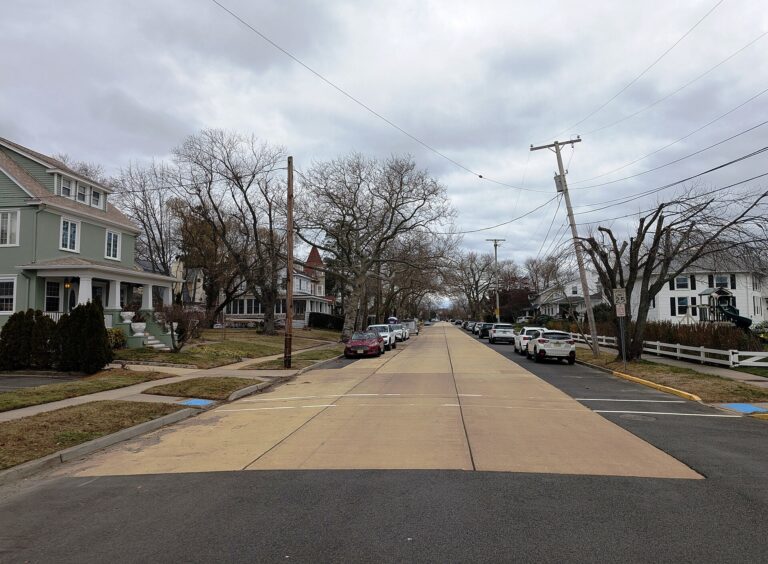
In compact Loch Arbour, a tree never has far to fall before it reaches a roof, a wire, or a street. Learn how defects, roots, and wet ground decide what a storm does, and what sensible pruning can change.
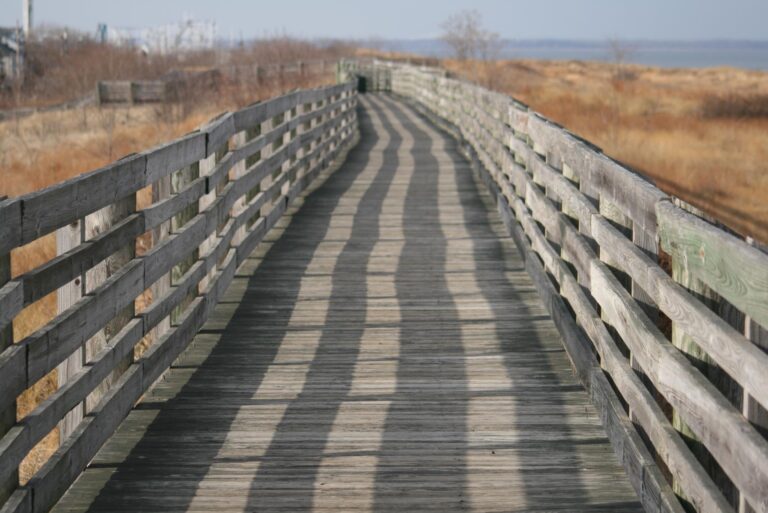
Keansburg packs its homes onto small lots a few blocks from Raritan Bay, so a tree does not need to be large to reach a roof. Learn what fall storm proofing in Keansburg should look at before winter.

Mature trees can hide storm damage high in the canopy. Learn why Hufnagel recommends annual aerial tree inspections, with extra checks after severe seasons.
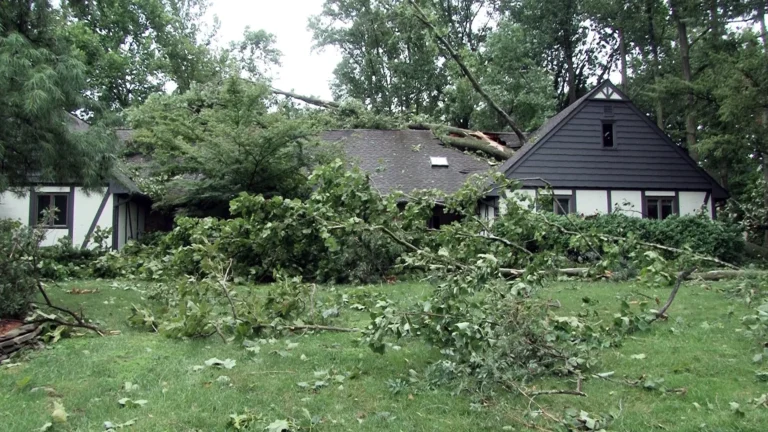
Middletown summer storms combine lightning, flooding, and wind. Learn why trees should be inspected seasonally, or at least once each year.