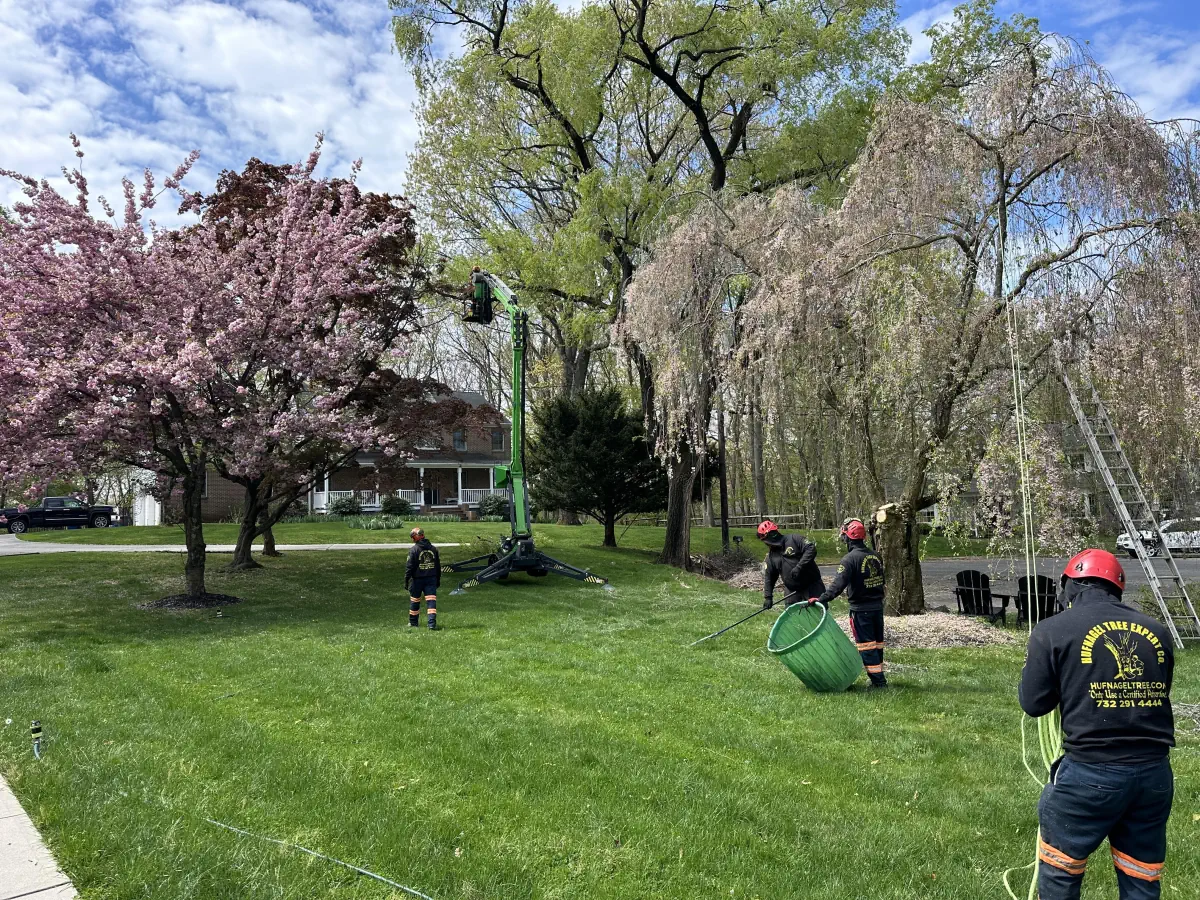
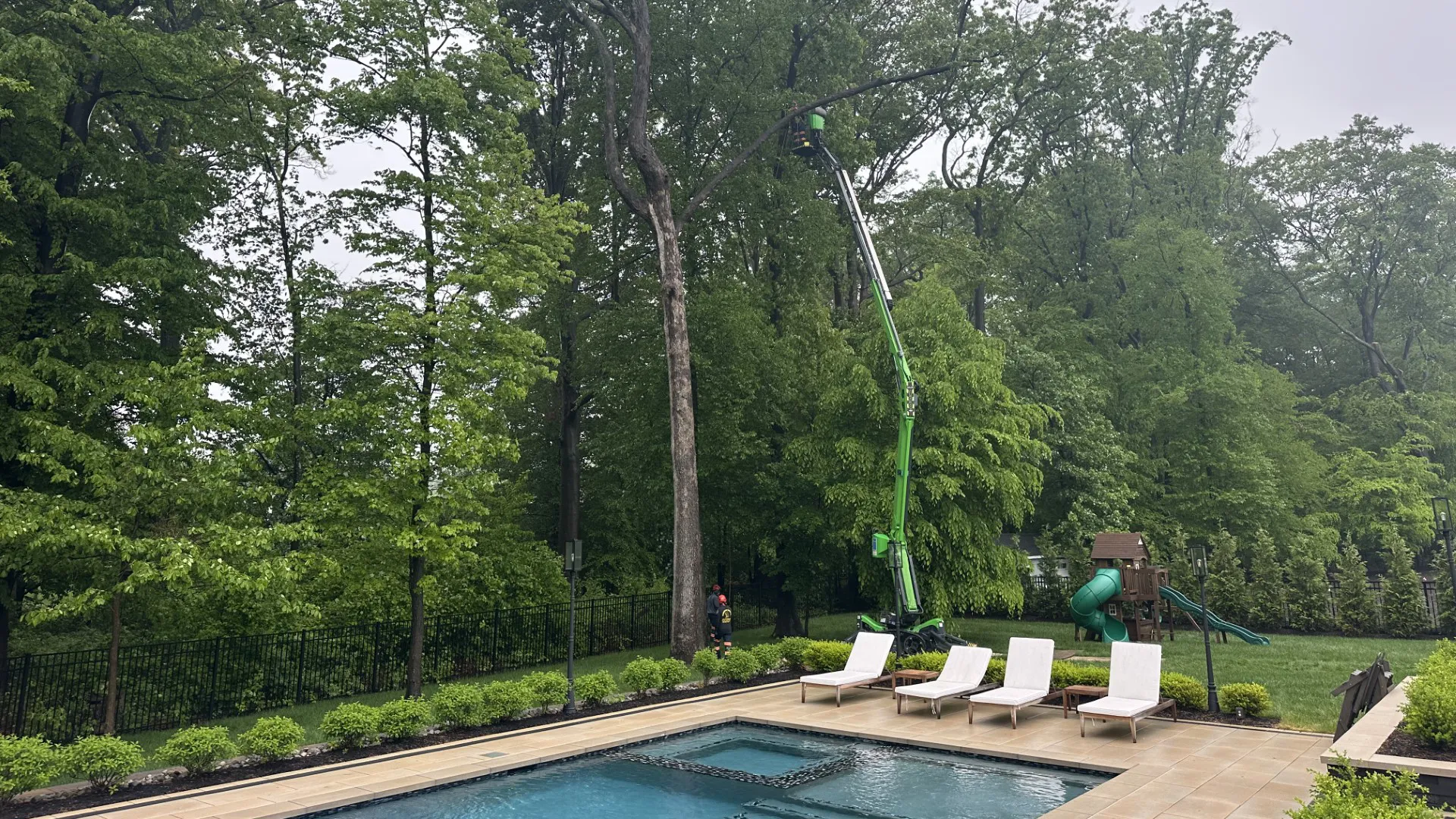
Aberdeen Fall Tree Inspection: Find Problems Before Winter
A fall tree inspection can reveal summer storm damage, weak branch unions, root movement, disease symptoms, and deadwood before winter weather reaches Aberdeen. Learn why local conditions from Cliffwood Beach to Strathmore make fall an important time for certified arborist evaluation.
Share This Article
Contents
Aberdeen Has More Than One Kind of Tree Environment
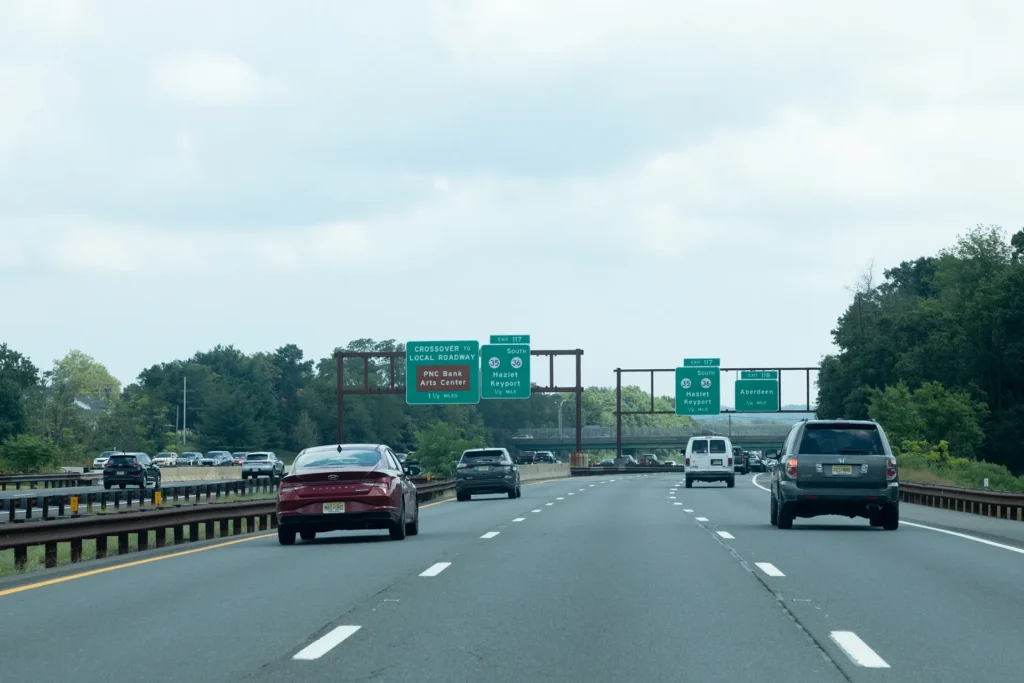
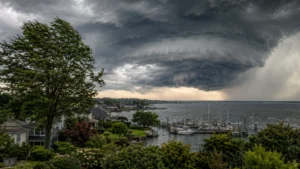
A fall tree inspection in Aberdeen needs to reflect where the property sits within the township. Cliffwood and Cliffwood Beach face Raritan Bay exposure, open wind, salt influence, and coastal weather.
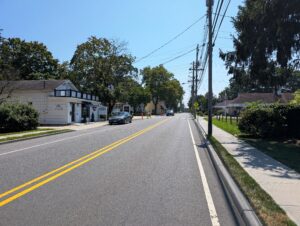
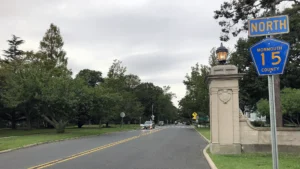
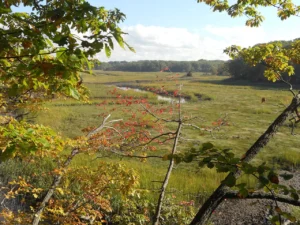
Strathmore, Freneau, Oakshades, River Gardens, and Woodfield are more sheltered but still contain mature suburban trees growing close to homes, roads, sidewalks, and utility corridors. Aberdeen’s own township history and community overview identifies these distinct sections, and from an arborist’s perspective they do not all stress trees in the same way.
That is one reason we recommend a seasonal evaluation instead of assuming every tree that stayed standing through summer is fine. Our existing Raritan Bay tree care guidance explains how wind, salt, moisture, and soil conditions can affect trees along the Bayshore. By fall, a tree has already absorbed a full season of those stresses. The inspection is our chance to find what changed before winter adds colder temperatures, heavy rain, ice, and occasional snow loading.
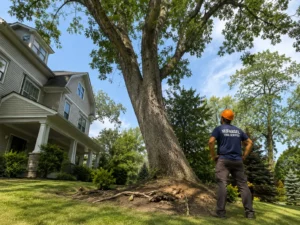
Large trees usually give us clues before they fail, but the clues can be subtle. A branch union may open slightly. A cavity may deepen. A root plate may shift. Deadwood may increase after heat stress. One side of the canopy may thin because roots are not supporting the tree evenly. Fall is useful because we can compare those conditions against the summer growth that just occurred.
Michael Hufnagel often says, “The best inspection is not the one after something hits the house. It is the one where we catch a change early enough to still have choices.” Those choices may include monitoring, pruning, restoration, root zone care, or removal when the level of risk is too high.
Five reasons Aberdeen trees deserve a fall look
Summer wind may have cracked limbs or shifted roots without causing immediate failure.
Deadwood and weak attachments are easier to prioritize before winter storms arrive.
Leaf symptoms can reveal health problems before the canopy becomes bare.
Coastal and inland parts of Aberdeen experience different wind and soil stresses.
Fall gives property owners time to schedule corrective work before an emergency.
A Tree Risk Evaluation Looks Beyond Dead Branches
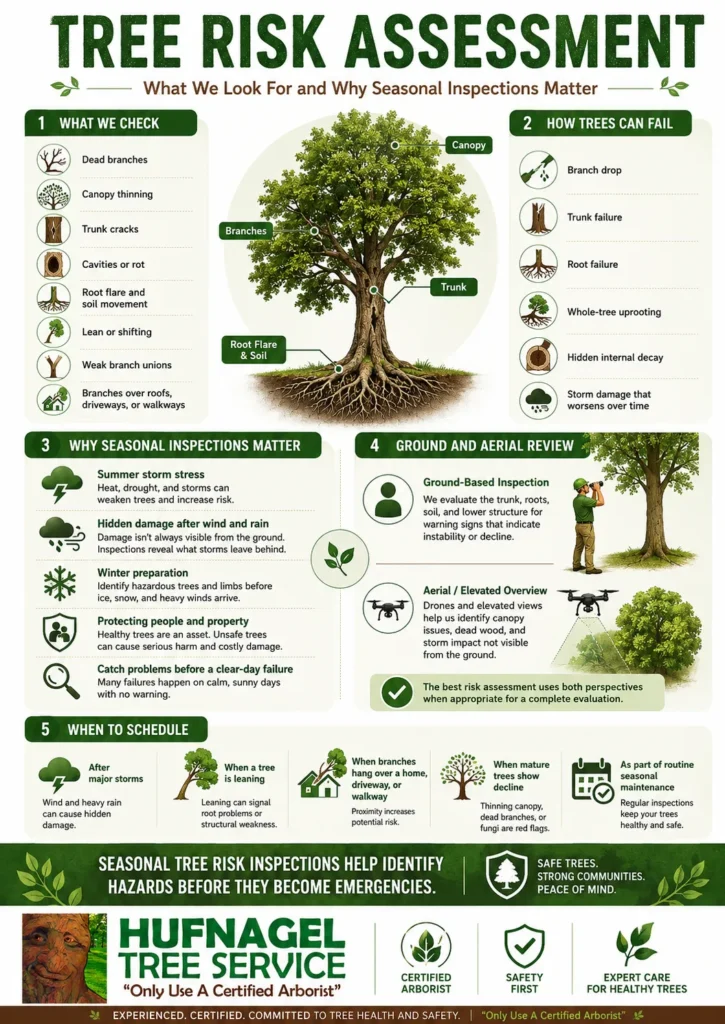
A professional tree risk evaluation is not a quick search for dead limbs. We consider the tree as a structural system. Roots anchor the trunk. The trunk transfers load. Major unions distribute weight. Scaffold limbs support the canopy. A defect in any one part may matter more when there is a house, driveway, walkway, playground, or utility line within striking distance.
The International Society of Arboriculture guidance on managing tree hazards and risk emphasizes that tree risk management involves both the condition of the tree and the consequences if a part fails. That fits Aberdeen well. A mature oak at the edge of an open backyard has one risk profile. The same oak leaning over a bedroom, parked cars, or a sidewalk has another.
We inspect for cracks, cavities, decay indicators, damaged roots, soil heaving, old topping wounds, included bark, codominant stems, hanging branches, and canopy imbalance. We also look at changes around the tree. New construction, trenching, grade changes, pavement, drainage work, and repeated vehicle traffic can affect roots years before the canopy makes the problem obvious.
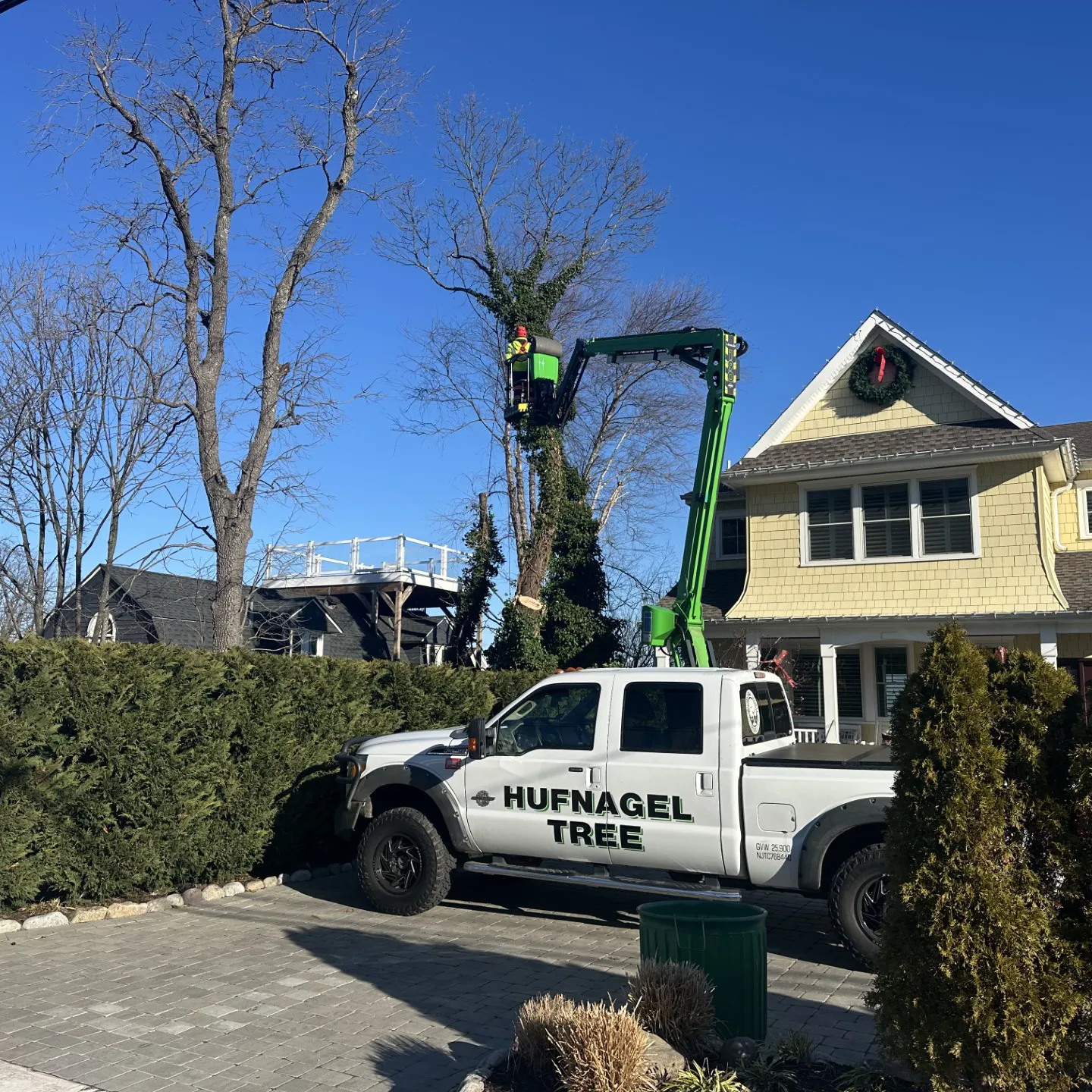
When pruning is the appropriate response, our tree trimming and pruning service targets specific objectives such as deadwood removal, clearance, reduction of leverage, or structural improvement. Rutgers explains in its tree care professional guidance that pruning and risk management are specialized work, and New Jersey requires tree care companies to meet licensing standards. That is especially important around large trees where poor cuts can increase future risk.
What we are trying to answer during the inspection
Is there a defect that meaningfully increases the likelihood of failure?
What could the tree or branch hit if it fails?
Can pruning, restoration, or monitoring reduce the risk to an acceptable level?
Is the problem structural, health related, environmental, or a combination?
How soon does the recommended work actually need to happen?
Fall Can Reveal Tree Health Problems Before Dormancy
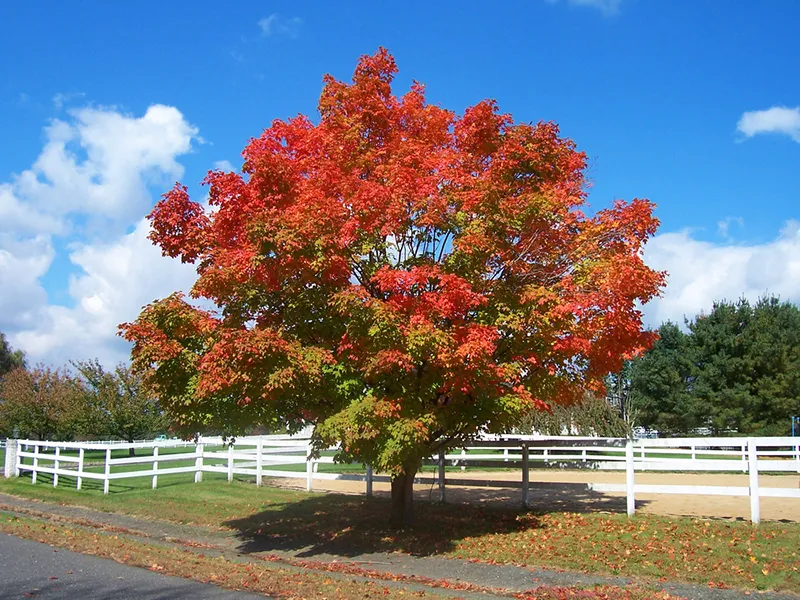
September and early fall can also be useful for health observations. Scorching, early color, sparse foliage, branch dieback, and reduced leaf size may point toward root stress, vascular problems, pests, or disease. The New Jersey Forest Service forest health program tracks issues affecting common landscape trees across the state, including bacterial leaf scorch in red oak group trees, a problem whose symptoms often become noticeable later in summer.
Health and structure are connected. A tree with chronic root stress may produce less wood and respond poorly to wounds. A tree losing major branches to disease can become unbalanced. That is why our tree health management and risk evaluation services often overlap. We are not just asking whether a tree is alive. We are asking whether it is functioning well enough to support its size and location.
Near Cliffwood Beach, salt exposure and wind can contribute to uneven crown growth and foliage stress. Farther inland around Strathmore and Freneau, mature trees may instead be dealing with compacted suburban soils, old construction impacts, or years of previous pruning. The symptoms may look similar from the ground, but the cause and the best response can be different.
When a tree has been damaged but remains viable, tree restoration can preserve canopy and property value while correcting selected defects over time. When a tree has major defects that cannot reasonably be managed, safe removal is sometimes the right decision. A fall inspection gives us the information needed to make that distinction instead of guessing.
Fall symptoms that should move a tree higher on your inspection list
Premature leaf drop or unusual scorch on only part of the canopy.
Increasing dead branches at the top or outer edges of the crown.
Mushrooms, cavities, soft wood, or old wounds near the trunk base.
New lean, lifting soil, or exposed roots after heavy rain and wind.
Large codominant stems with a narrow union over a home or travel area.
Fall Visibility Helps on Wooded Edges and Mature Streets
As leaves begin to thin, Aberdeen property owners often get a clearer view into mature canopies and wooded property lines. This can be especially helpful around larger lots, rear easements, and trees near the Henry Hudson Trail corridor or neighborhood edges where branches overlap and defects can be hidden through summer. A tree that appeared full in July may show a dead top, broken limb, or uneven crown more clearly once foliage begins to drop.
That improved visibility is useful, but it should be paired with safe distance. Do not stand beneath a branch you suspect is cracked or suspended. The New Jersey Department of Health post storm tree hazard guidance notes the danger of broken limbs, unstable trees, and electrical contact during storm cleanup. If something looks wrong overhead, keep people and vehicles out of the drop zone until the tree can be assessed.
For property managers and homeowners with several mature trees, fall is also a good time to create a priority list. Start with trees over the house, driveway, walkways, parking areas, play spaces, and neighboring structures. Then move outward to lower consequence areas. That simple target based approach keeps the inspection focused on the trees that matter most for safety and planning.
For peace of Mind, Schedule Your Tree Inspection Today!
New Jersey storms can occur through fall, and winter introduces its own loading from wind, ice, and wet snow. NJOEM storm preparedness guidance reminds residents that damaged trees and branches can become hazards in severe weather. Our tree storm proofing service uses inspection findings to reduce avoidable risk before the next event, not after it.
If you own property in Aberdeen, start with the trees closest to your home, driveway, street, and outdoor gathering areas. Then consider large trees along property lines and wooded edges. Our Aberdeen location page provides more information about local service throughout the township.
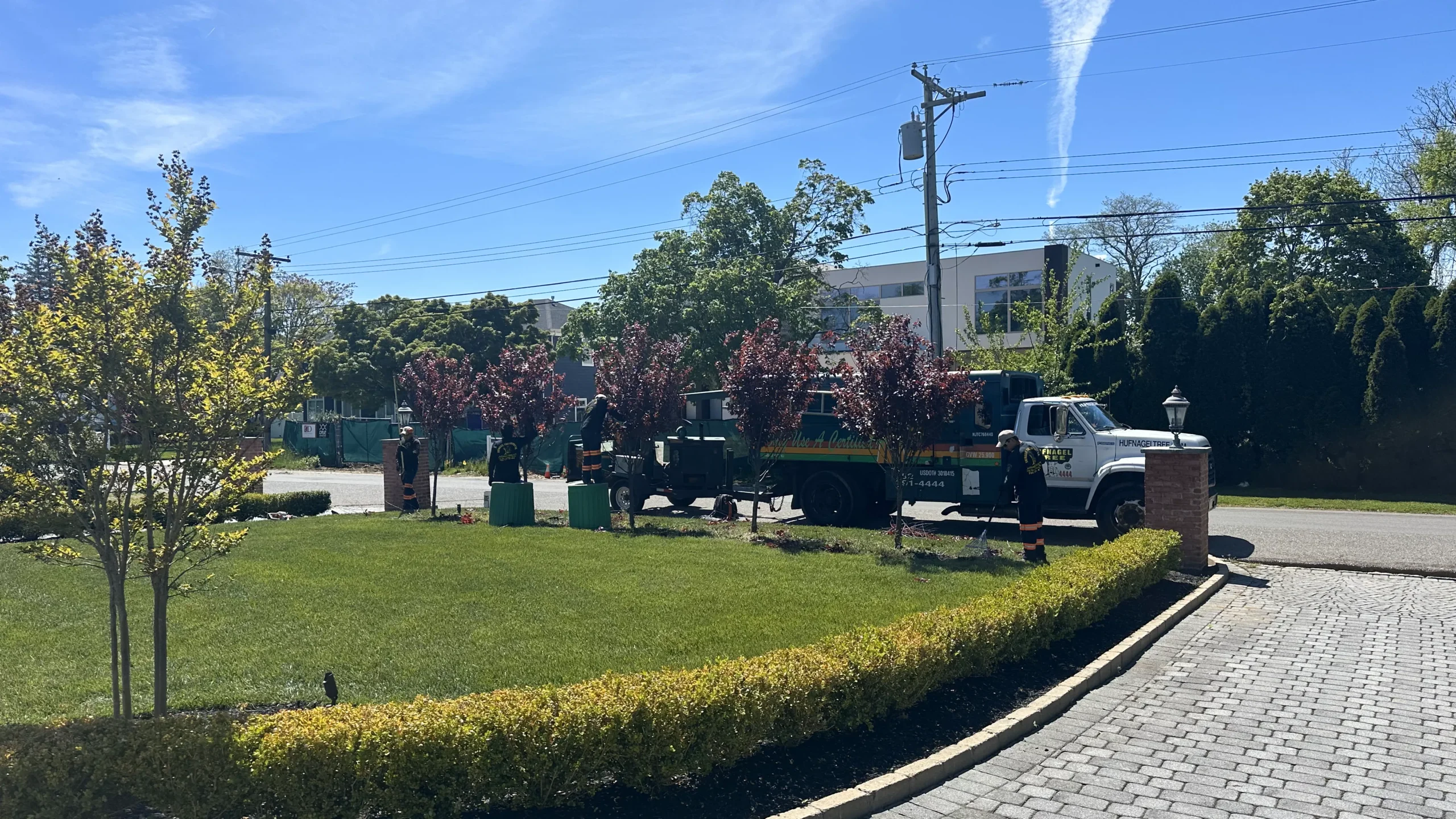
Hufnagel Tree Service is led by a certified arborist with almost 30 years of local experience and more than 280+ 5-Star Reviews on Google Maps. If you want a fall tree inspection in Aberdeen before winter weather arrives, call (732) 291-4444 for a practical evaluation and clear recommendations based on the actual condition of your trees.
Schedule Service Now!
From precision pruning and safe removals to health assessments and preventative care, Hufnagel Tree Service delivers expert solutions backed by decades of experience. We offer certified insight, fair pricing, and a commitment to doing what’s best for your landscape.
We Could Not Find A Direct Link To A Tree Removal Permit Application For The Town You Selected.
Please contact your local municipality to determine if a permit is required for your tree removal project. They will provide you with the most accurate and up-to-date information.