Tree Risk Mitigation Services Near Monmouth Beach NJ

Protect Monmouth Beach NJ trees after summer wind, heavy rain, heat and salt exposure. Certified arborists find hidden damage and recommend pruning, restoration, monitoring or safe removal before fall storms.
Share This Article

Contents

Monmouth Beach Trees Need a Coastal Risk Check After This Summer

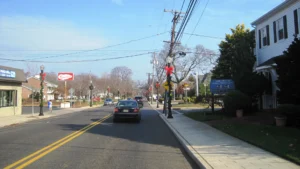
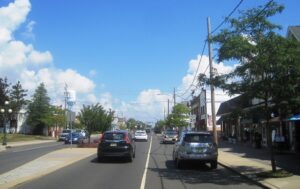
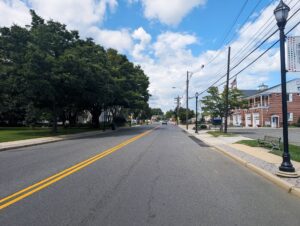
Monmouth Beach asks more of its trees than most inland towns. Mature canopies along Ocean Avenue, Riverdale Avenue, Beach Road, Wesley Street, Club Circle, and the neighborhoods between the Atlantic and the Shrewsbury River grow beside high value homes, narrow side yards, pools, patios, driveways, sidewalks, fences, and utility lines. Near Griffin Park, Brower Park, and the streets leading toward the Monmouth Beach Bathing Pavilion, trees also live with constant coastal exposure that can change how they grow, lean, and respond to storms.

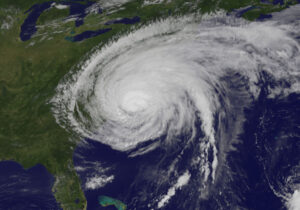
The summer of 2026 combined several kinds of stress. A National Weather Service rainfall statement recorded 2.63 inches of rain in Monmouth Beach in 24 hours on July 6. On August 7, a strong thunderstorm was located near Monmouth Beach with wind gusts to 40 knots as it moved toward the coastal waters. The borough was also under an August heat advisory with heat index values up to 103 degrees.

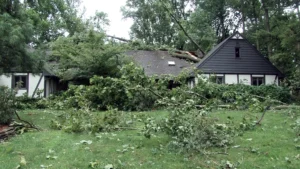
That combination is why late August and early fall are ideal for tree risk mitigation in Monmouth Beach. A tree does not need to fall during the storm to require attention afterward. Roots can shift in saturated soil. A limb can crack without separating. Salt and heat stress can push already weakened foliage into early discoloration. A storm wound can expose decay that was previously hidden. Our end of summer inspection guide explains why this is the right time to look for changes before fall wind and tropical weather increase the load again.

The coastal setting also makes targets more important. Monmouth Beach lots can be tight, and many homes have expensive outdoor improvements close to mature trees. We have worked throughout Monmouth Beach for decades, and our local Monmouth Beach risk reduction work is built around precise tree care in these compact, high value residential settings.

Michael Hufnagel says, “At the shore, I look at the tree and the exposure together. Wind off open water, salt, wet soil, and a tight target area can turn a defect that looks minor from the street into something worth dealing with before the next storm.” Our job is to identify which trees can be made safer with careful remediation and which have reached the point where removal is the more responsible choice.

Coastal Tree Damage Can Be Structural, Root Related, or Easy to Miss

Exposed Tree Roots

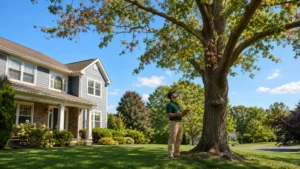
A Monmouth Beach tree inspection begins with more than the canopy. We look at wind exposure, soil and drainage, the root flare, trunk, old wounds, major unions, branch balance, deadwood, crown density, recent weather, and the targets beneath the tree. The tree risk evaluation process is about connecting those observations. A tree leaning away from years of prevailing wind can be normal. A tree that recently increased its lean and lifted soil on the opposite side is a different situation.

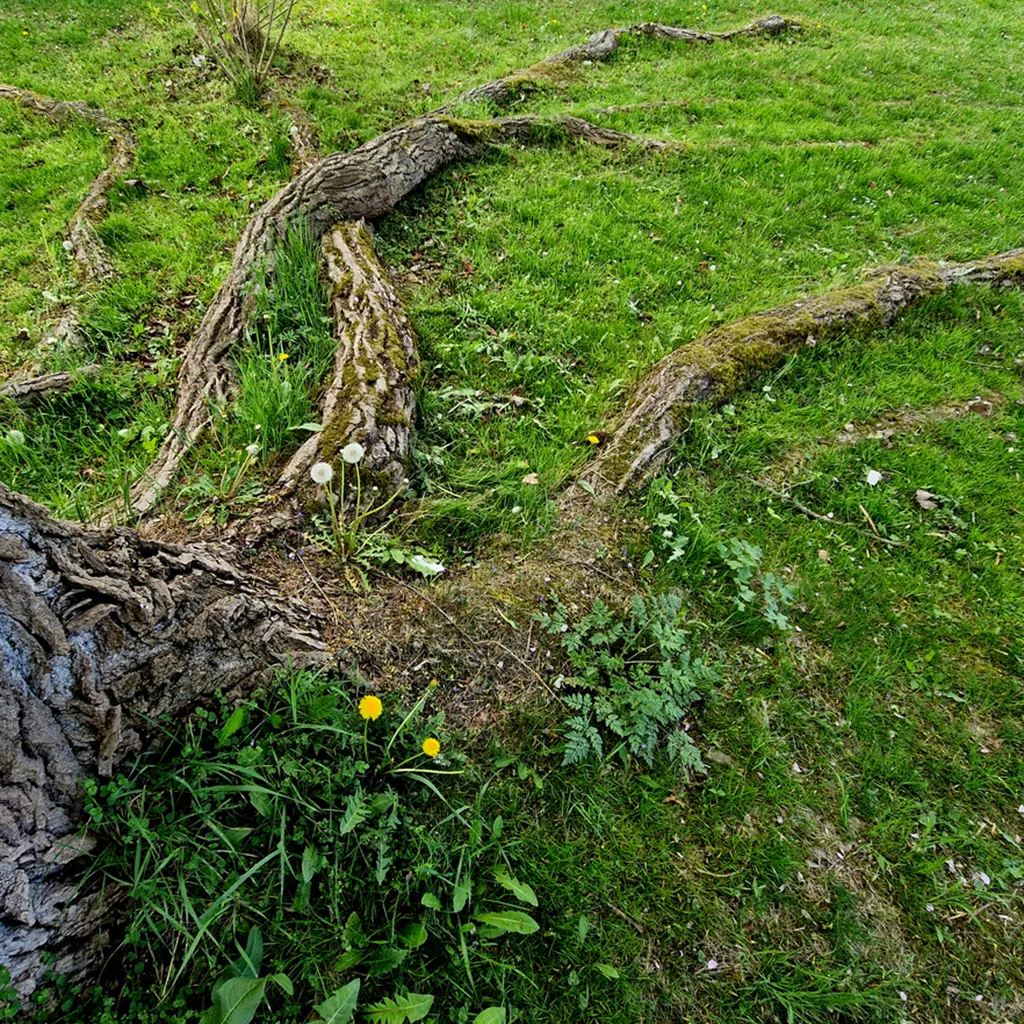
Root stability deserves special attention after coastal rain. Sandy or modified soils can drain quickly in one location and hold water in another, especially where fill, irrigation, hardscape, seawalls, driveways, or grading have changed the root environment. Saturation can reduce soil resistance when roots are already decayed, severed, confined, or stressed. Our weak root inspection guide explains why new soil cracks, root plate movement, exposed structural roots, basal mushrooms, or sudden lean are stronger warning signs than wet soil alone.

Salt and heat can complicate the picture because foliage symptoms may look like disease or drought. Leaf margins may brown, one side of a crown may thin, or an already stressed tree may drop foliage early. A tree with declining foliage plus a cavity, crack, or root defect deserves more attention than a tree showing cosmetic leaf scorch alone.

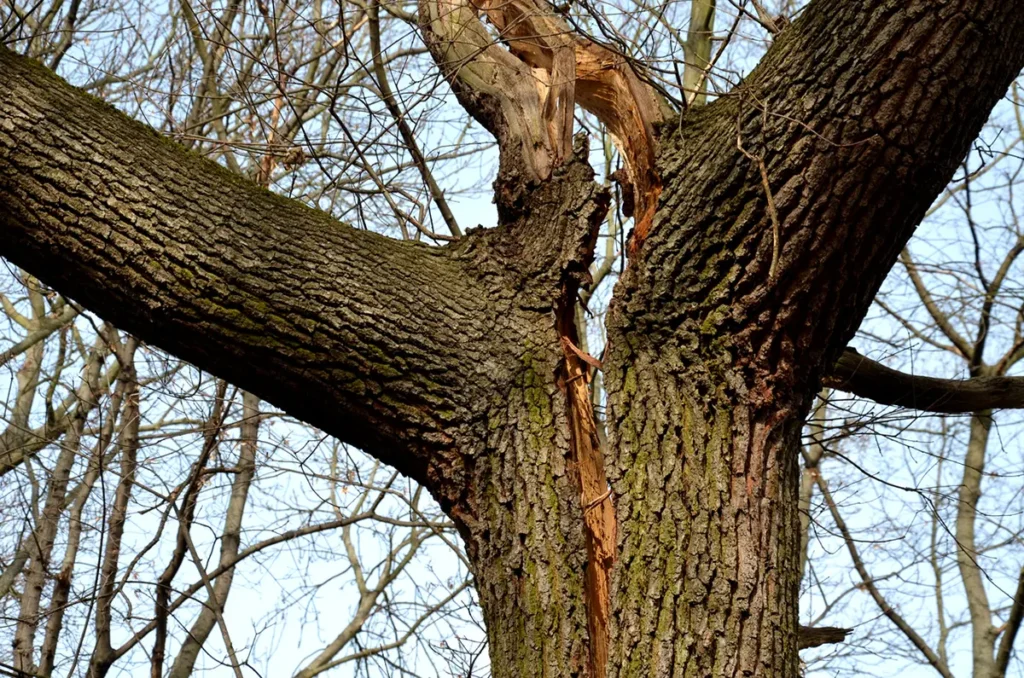
Hidden rot is especially important in mature hardwoods near homes. A tree may continue producing leaves while internal wood around a cavity, old wound, root flare, or major union is losing strength. Our hidden tree rot article explains why mushrooms, conks, hollow sections, soft wood, loose bark, and seams matter. The U.S. Forest Service hazard tree guidance similarly identifies decay, cracks, cavities, deadwood, and weak attachments as defects that should be evaluated with the target area in mind.

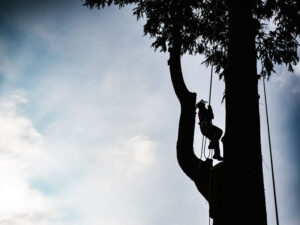
Upper canopy defects can be harder to see in a dense summer crown. A broken hanger may remain caught above the driveway. A split union may sit above the roofline. A storm damaged limb can change position without falling. When the important condition cannot be judged well from the ground, our aerial tree inspection service can bring a qualified arborist close enough to document branch attachments, cracks, cavities, old tear outs, and other defects before they become emergency work.

Coastal Warning Signs We Do Not Ignore in Monmouth Beach

  • A new or increasing lean, especially when soil is lifting or cracking around the root plate
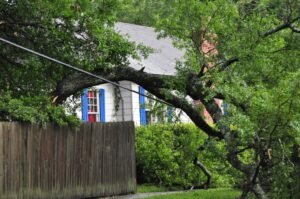
  • Dead, hanging, storm torn, or suddenly lowered branches over homes, roads, pools, or walkways
  • Cracked leaders, included bark, split multi stem unions, and open seams in major attachments
  • Mushrooms, cavities, soft wood, hollow sections, loose bark, or decay near the root flare
  • One sided dieback, salt stressed foliage, early discoloration, or crown thinning combined with structural defects

The goal is not to label every stressed coastal tree dangerous. The goal is to separate normal environmental stress from defects that could actually lead to branch, trunk, or root failure.
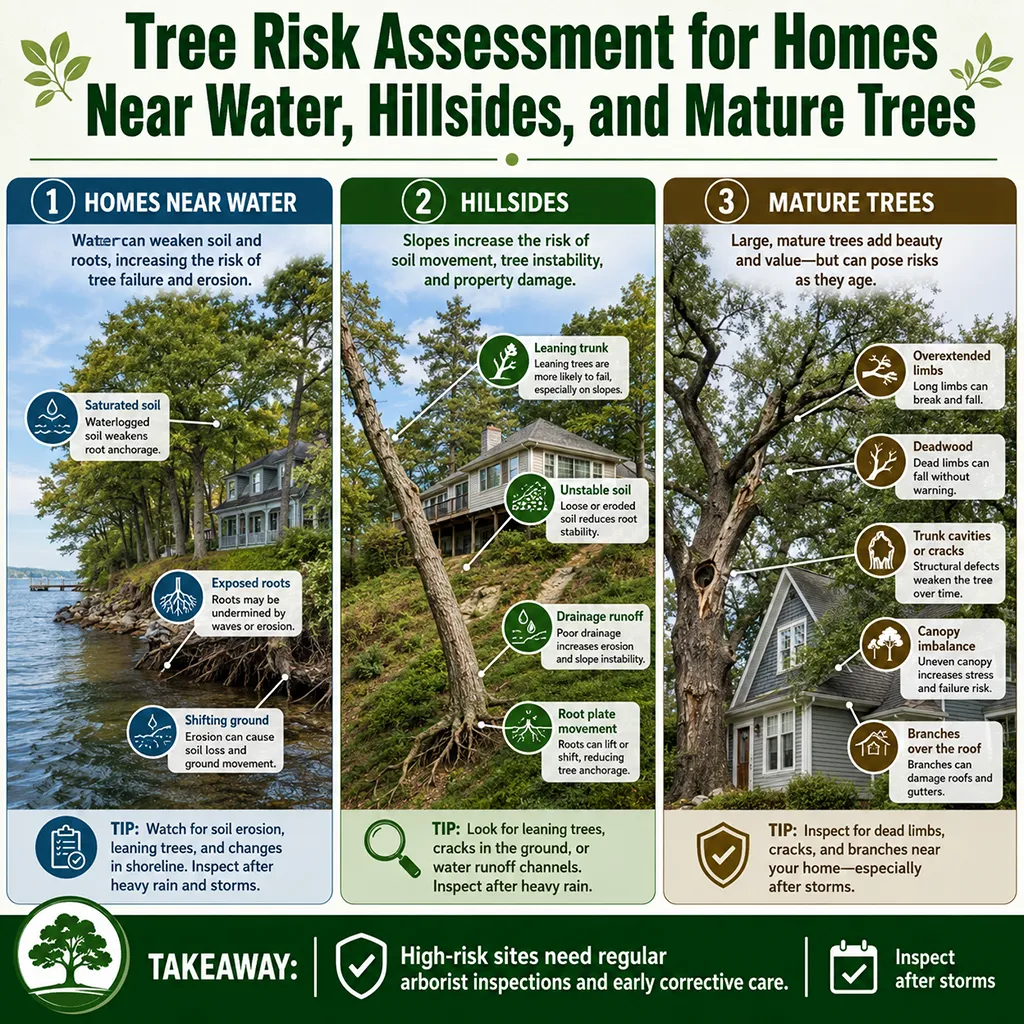
Tree Risk Mitigation Protects Monmouth Beach Homes Without Overcutting

Tree Risk Assessment Infographic

Many Monmouth Beach trees can be preserved with precise, limited work. Deadwood removal, reduction of an overextended branch, selective structural pruning, restoration after storm damage, or ongoing monitoring can lower risk without sacrificing the entire tree. Our professional pruning guide explains why good pruning manages load and structure rather than stripping a crown simply because the tree is large.

Coastal pruning requires restraint. Removing too much interior foliage can increase exposure on remaining limbs and leave the tree with less leaf area to support recovery. Topping creates large wounds and fast, weak regrowth. A better approach is to identify the branch that is actually creating the leverage or clearance problem, then reduce or remove only what is necessary.

Storm restoration can also be staged. If a tree lost one leader but the trunk and roots remain sound, the right plan may be to remove broken wood, rebalance the crown, and monitor recovery rather than remove the whole tree. Our storm season tree risk assessment explains how pruning, monitoring, target management, and follow up inspections can all be part of risk reduction when enough sound structure remains.

Sometimes the target can be managed while work is being planned. A parking space, lounge area, play zone, or patio beneath a questionable limb can be kept clear temporarily. On compact Monmouth Beach properties, that practical step can matter because there may be very little unused space beneath a mature crown.

Mike Hufnagel explains, “A coastal tree can be valuable and still need work. We are looking for the smallest correction that makes sense. If pruning can reduce the risk and keep the tree healthy, we preserve it. If the base is decayed, the roots are moving, or the main structure is failing, then keeping the tree just because it is mature is not a safe plan.”

How We Reduce Tree Risk While Preserving Coastal Character

  • Remove deadwood and broken hangers before coastal wind can dislodge them
  • Reduce excessive branch leverage over roofs, driveways, pools, decks, and neighboring property
  • Restore storm damaged crowns gradually while preserving healthy live foliage
  • Monitor stable defects and compare them after major wind, rain, or salt exposure events
  • Protect sound roots and correct avoidable site stress when the tree remains structurally viable

When the defect is too advanced for those measures, removal may be the safer answer, and Monmouth Beach has specific tree protection and permit rules that should be addressed before work begins.

Monmouth Beach Tree Removal Requires Careful Planning and Permit Help

cracked tree lightening strike

Removal becomes necessary when the remaining structure cannot reasonably support the tree around the targets below it. Advanced root or butt decay, active root plate movement, a severe new lean, catastrophic cracking, extensive crown death, major storm destruction, or a failing multi stem union can all push a tree beyond practical mitigation. Our tree removal service uses controlled rigging, appropriate equipment, property protection, debris handling, and careful cleanup for trees growing close to homes and landscape improvements.

Monmouth Beach also regulates tree removal. Under the borough’s current tree removal ordinance, removing a tree with a trunk diameter of six inches DBH or larger generally requires a permit, and smaller thresholds apply to certain ornamental trees. Significant specimen trees receive additional protection. The ordinance also provides for the Tree Conservation Officer to evaluate applications and, when needed, consult other borough officials or an independent tree expert.

The permit process can require details that are easier to provide after a professional inspection. The ordinance calls for trees proposed for removal to be visibly marked, and it gives the borough an opportunity to evaluate whether the application meets the tree protection standards. We can help homeowners identify the tree, explain the condition, document obvious structural or health defects, and understand what information is likely to matter before the application is submitted. Our tree removal permit guide provides additional background on municipal tree rules throughout our service area.

This is particularly important on Monmouth Beach properties where the tree may be close to a public right of way, neighboring property, utilities, a tight access route, or expensive hardscape. A removal plan has to consider where equipment can work, how limbs will be lowered, what must be protected, and whether the stump needs to be ground for replanting or landscape restoration. Permit facilitation is one part of the project, not a substitute for planning the physical work correctly.

New Jersey homeowners should also verify that the company doing the work is properly credentialed. The New Jersey Board of Tree Experts provides information on professional tree care requirements, and Rutgers NJAES explains why large tree pruning and removal should be entrusted to qualified professionals. Hufnagel combines that certified expertise with decades of hands on work throughout Monmouth Beach, Long Branch, Sea Bright, Oceanport, West Long Branch, Rumson, and the surrounding coastal area.

What Monmouth Beach Homeowners Should Know Before a Removal

  • A regulated tree may require a borough permit before removal work begins
  • The tree condition should be documented clearly when hazard, decay, storm damage, or decline is involved
  • Tight access, neighboring property, pools, hardscape, and utility lines should be part of the removal plan
  • A certified arborist can help determine whether remediation remains practical before removal is chosen
  • Competitive planned removal is usually easier to manage than emergency removal after a failure

The earlier we inspect the tree, the more time you have to preserve it if possible, obtain municipal approval if removal is necessary, and schedule the work before the next coastal storm controls the timing.

Schedule Monmouth Beach Tree Risk Mitigation With Hufnagel

If a Monmouth Beach tree is leaning differently, dropping branches, showing early discoloration, hiding decay behind bark or vines, carrying a cracked union, or simply looks changed after this summer, schedule an inspection. We provide certified arborist risk evaluation, aerial inspection when appropriate, precision pruning, storm restoration, monitoring, permit guidance, and safe tree removal based on the actual condition of the tree.

Hufnagel Tree Service has more than 25 years of local experience, hundreds of five star Google reviews, competitive prices, and a long history of hands on work in Monmouth Beach and nearby Long Branch, Sea Bright, Oceanport, West Long Branch, Rumson, and other coastal Monmouth County communities. We understand that homeowners here are protecting more than a tree. They are protecting a home, a landscape, outdoor living space, neighboring property, and the character that mature trees bring to the shore.

Call (732) 291-4444 to schedule a tree risk evaluation before fall weather puts this summer’s hidden damage under another round of wind and rain.

Schedule Service Now!

From precision pruning and safe removals to health assessments and preventative care, Hufnagel Tree Service delivers expert solutions backed by decades of experience. We offer certified insight, fair pricing, and a commitment to doing what’s best for your landscape.

Where Do You Need Service?
Please Enter Your Contact Information
Are You A New or Existing Customer?
How Can We Help You?

Thank You!

Your Message Has Been Sent

We Will Contact You About Your Inquiry Shortly.

We Could Not Find A Direct Link To A Tree Removal Permit Application For The Town You Selected.

Please contact your local municipality to determine if a permit is required for your tree removal project. They will provide you with the most accurate and up-to-date information.