Matawan Tree Storm Damage: What Summer Wind Leaves Behind
Summer storms can leave Matawan trees standing but structurally changed. Learn how hidden wind damage, loosened roots, cracked unions, hanging limbs, and canopy imbalance can create fall risks around local homes, driveways, streets, and lakefront properties.
Share This Article
Contents
Why Matawan Trees Can Look Fine After a Rough Summer
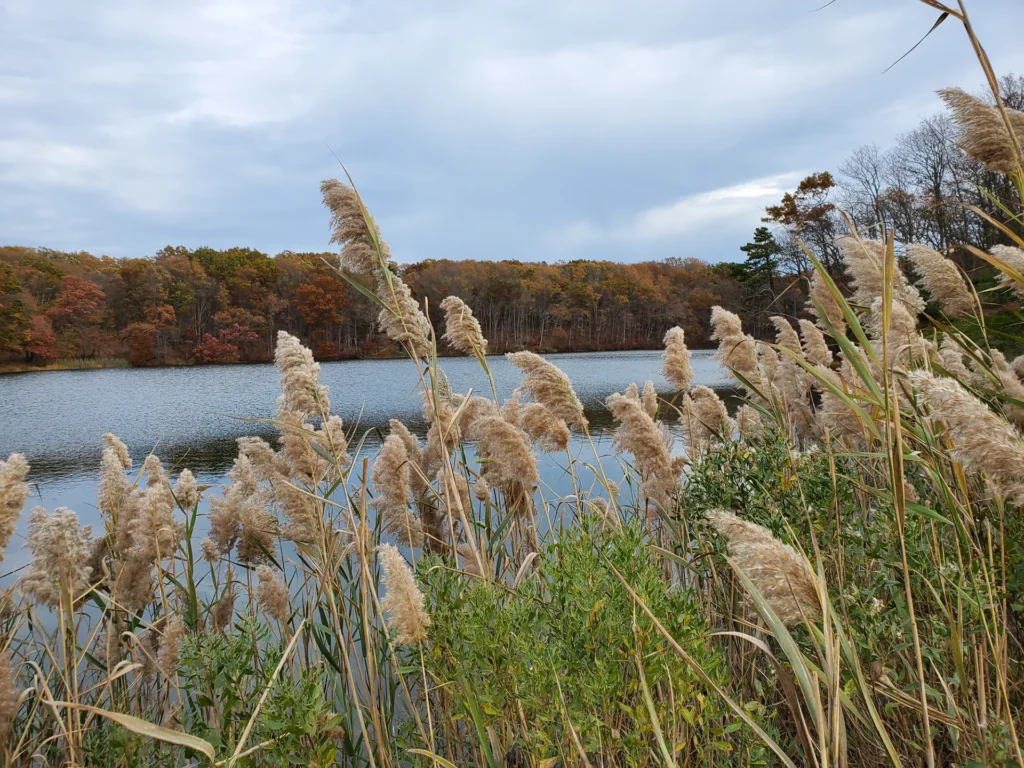
Matawan is compact, but its tree conditions change quickly from one block to the next. Around Lake Lefferts and Matawan Lake, mature trees can grow in soils that stay wetter after heavy rain.
Along Broad Street, Main Street, Ravine Drive, Route 79, and the Route 34 corridor, established maples, oaks, tulip poplars, and ornamentals often stand close to homes, sidewalks, parking areas, and utility lines. That mix makes hidden storm damage especially important. A tree does not have to fall during a thunderstorm to become less stable afterward. Our Matawan tree service work often begins with a tree that still looks green and full but changed structurally during summer wind.
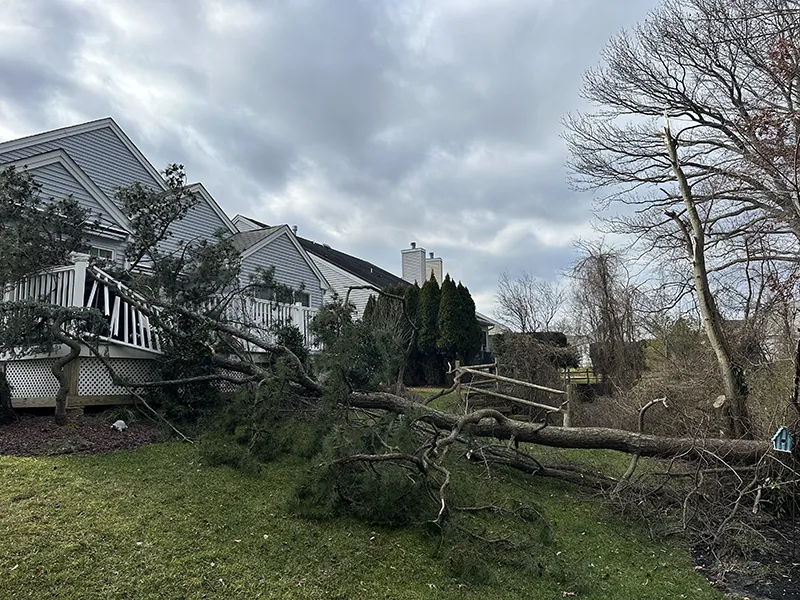
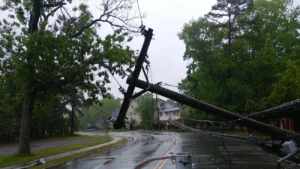
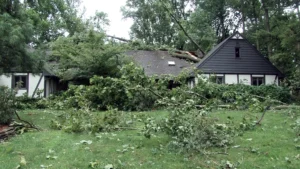
The strongest summer storms can load a canopy in seconds. Branches flex, trunks twist, root plates shift, and old defects can become active again. New Jersey emergency management guidance notes that severe thunderstorms are most common during the warmer months and that dead or rotting trees and branches can fall during severe weather. What homeowners usually see is the debris on the lawn. What a certified arborist looks for is what the wind may have changed inside the canopy, at branch unions, along the trunk, and below the soil surface.
In Matawan, we pay particular attention to larger trees near lakefront yards and older residential streets because water and wind can work together. Heavy rain can soften soil before a wind event, reducing root resistance. The International Society of Arboriculture tree risk guidance explains that strong wind and saturated soil can contribute to branch failure and uprooting. A tree may settle back into place after a storm, leaving only subtle soil cracking, a slight lean, or disturbed roots as clues.
Michael Hufnagel often tells homeowners, “The tree that worries me after a storm is not always the one that lost the biggest branch. Sometimes it is the tree that moved, twisted, or opened a crack and then looked normal again the next morning.” That is why a calm September day can be a better time to find storm problems than the middle of the storm itself.
Storm clues worth noticing before the leaves start falling
Fresh cracks where two large stems meet, especially on older shade trees.
One side of the canopy suddenly hanging lower or appearing thinner than it did in spring.
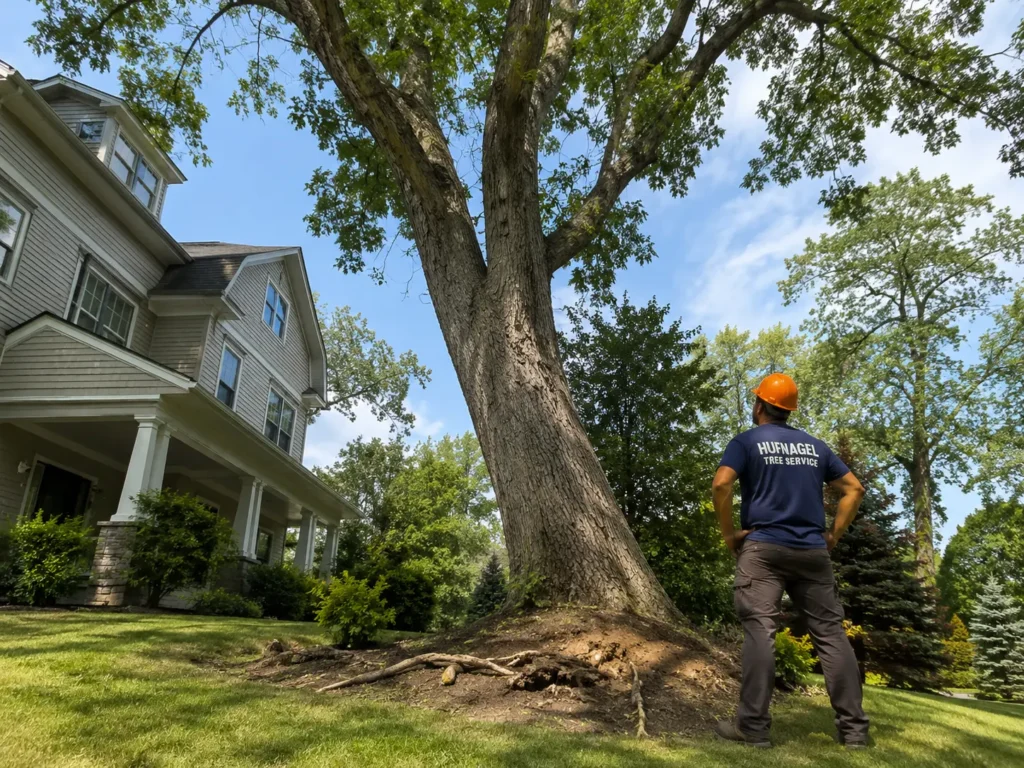
Raised soil, new gaps, exposed roots, or movement near the trunk base.
Broken limbs lodged higher in the crown where they can remain suspended for days or weeks.
New contact between branches and roofs, wires, garages, fences, or neighboring trees.
Hidden Wind Damage Can Become a Fall Tree Risk
Wind damage often becomes more visible later because trees continue reacting after the original event. A cracked limb may hold through August but fail when September rain adds weight. A root system that shifted in saturated soil may support the tree in calm conditions but lose more anchorage when another storm arrives. This is why our tree risk evaluation service focuses on likelihood of failure, what a tree or branch could strike, and whether the defect can be managed rather than simply labeling every damaged tree as dangerous.
We also look for older defects that summer storms may have accelerated. Included bark at tight branch unions, decay around previous cuts, cavities, deadwood, and old lightning or mechanical injuries can reduce the amount of sound wood carrying the load. The New Jersey Forest Service forest health resources also document diseases that affect common New Jersey trees, including bacterial leaf scorch in red oak group trees. Storm stress and health problems are different issues, but together they can reduce resilience.
For homeowners, the practical goal is not to eliminate every defect. It is to identify which defects matter before fall weather adds another round of wind, rain, and eventually wet snow. Sometimes the right response is selective tree trimming and structural pruning. Sometimes a tree can be preserved through tree restoration and monitoring. When risk is unacceptable and the tree cannot reasonably be retained, removal may be the safer choice.
Avoid the temptation to make major cuts simply because a tree moved in a storm. Penn State Extension guidance on helping trees recover after storms warns that poor post storm pruning, including topping, can create decay and future structural problems. Large limbs under tension can also react unpredictably when cut. In New Jersey, storm cleanup involving large trees or overhead work should be left to trained professionals.
What a fall evaluation can separate for Matawan property owners
Damage that is cosmetic from defects that change structural safety.
Branches that should be removed now from growth that should be left alone.
Trees that can be restored from trees with an unacceptable level of risk.
Root movement that needs monitoring from normal surface roots and soil changes.
Immediate hazards from conditions that can be scheduled as routine maintenance.
Why September Is a Smart Time to Recheck Summer Storm Damage
Fall gives us a useful transition window. The heavy growth of spring and summer is complete, storm history is fresh, and there is still time to address meaningful problems before winter. Our tree storm proofing approach is not about making a tree storm proof in a literal sense. No arborist can promise that. It is about reducing avoidable weakness, correcting poor structure where practical, and making informed decisions before the next period of severe weather.
This timing matters around Matawan because many trees are close to targets. A mature oak beside a driveway, a maple over a sidewalk, or a tulip poplar behind a garage has a different risk profile than the same tree standing in an open field. We consider where people park, where children play, where neighbors walk, and where branches extend toward roofs or electrical service. Tree risk is always a combination of the tree condition and what could be affected if something fails.
A professional evaluation is also an opportunity to look beyond storm damage. Our tree health management service considers vigor, canopy density, dieback, pests, disease symptoms, root zone changes, and past pruning. Rutgers explains in its guide to hiring a tree care professional that tree assessment and risk management are specialized services and that New Jersey tree care businesses must meet state licensing requirements. That matters when the recommendation could involve large trees over homes and streets.
Matawan homeowners do not need to wait for a branch to come down before asking whether a tree changed this summer. If you noticed strong movement, a new lean, cracking, soil lifting, broken branches, or simply have a mature tree in a high consequence location, fall is the right time to have it checked. Our broader Matawan service area information covers the same certified arborist care we provide throughout the borough.
A simple priority list for the first fall walk around your property
Check trees closest to the house, driveway, play areas, and street first.
Look upward for broken or hanging limbs before walking beneath the canopy.
Look at the soil around large trunks for fresh lifting, cracking, or exposed roots.
Note changes in lean, canopy balance, or branch position since early summer.
Schedule a certified arborist evaluation when the change is new, significant, or difficult to judge from the ground.
Leaf Drop Can Make Some Structural Problems Easier to See
As Matawan moves deeper into fall, leaf drop can improve visibility into the upper crown. Branch unions, old pruning wounds, deadwood, and broken limbs that were hidden by dense summer foliage may become easier to see from the ground. That does not replace a professional inspection, but it gives homeowners another chance to notice a change before winter. The ISA tree owner resources encourage property owners to learn the basic signs of tree risk and to use qualified arborists when defects involve large trees or overhead work.
We also recommend taking a few photos of important trees from the same location each season. A simple visual record can make a new lean, canopy gap, or changing branch position easier to recognize. On older Matawan properties where mature trees frame the house or lakefront, that comparison can be surprisingly useful. The goal is not to diagnose the tree from a photograph. It is to notice change early enough to ask the right question.
Schedule a Matawan Fall Tree Evaluation
We have spent almost 30 years evaluating, pruning, restoring, and protecting trees across Monmouth County and nearby communities. Hufnagel Tree Service is led by a certified arborist and backed by more than 280+ 5-Star Reviews on Google Maps. If your Matawan trees went through hard summer wind, do not assume standing means unchanged. Call (732) 291-4444 for a consultation focused on the trees, targets, and conditions on your property.
Schedule Service Now!
From precision pruning and safe removals to health assessments and preventative care, Hufnagel Tree Service delivers expert solutions backed by decades of experience. We offer certified insight, fair pricing, and a commitment to doing what’s best for your landscape.
We Could Not Find A Direct Link To A Tree Removal Permit Application For The Town You Selected.
Please contact your local municipality to determine if a permit is required for your tree removal project. They will provide you with the most accurate and up-to-date information.