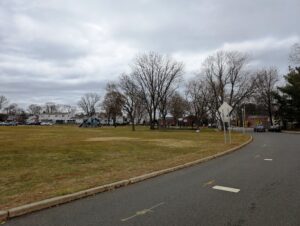
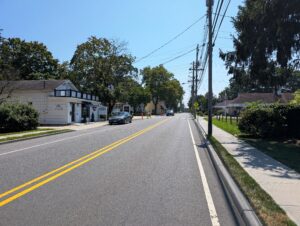
Summer Ornamental Tree Pruning in Middletown, NJ

Summer reveals the true shape of ornamental trees and the way mature canopies control sunlight. Learn how certified pruning improves beauty, pools, patios, and understory plantings without weakening valuable shade trees.
Share This Article

Contents

Summer Reveals How Trees Control Beauty, Shade, and Outdoor Comfort

Summer brings Middletown landscapes into full view. Japanese maples in Lincroft reveal every layered branch, while mature oaks and maples cast their deepest shade across pools, patios, and gardens. At Hufnagel Tree Service, we evaluate the complete landscape.

Ornamental Tree Service Near Me

Summer is an important season for ornamental tree shaping and strategic tree trimming and pruning. We refine visible form, then manage selected shade tree branches to direct useful sunlight beneath the canopy without removing the shade that still benefits the property.

Middletown includes wooded neighborhoods, compact lots, river properties, and Bayshore yards exposed to salt and wind. A seasonal review, or at least one annual inspection, determines whether a tree needs shaping, canopy management, staged restoration, or no pruning. Our summer tree care resources explain why restraint matters.

Summer Ornamental Tree Pruning Starts With Natural Form

Each ornamental has a natural architecture. Japanese maples form layers, dogwoods spread horizontally, magnolias carry broad limbs, and hollies build dense evergreen mass. Rutgers tree and shrub resources and our ornamental shaping guide support species based pruning.

Summer reveals the complete canopy. We can identify hidden crowding, disruptive shoots, and branches that alter a walkway, entrance, window, or garden view. Our tree pruning near Middletown begins with a clear objective before cutting.

The objective may be trunk exposure, restored maple layers, water sprout removal, limited size reduction, or better visual balance. Leaves support roots and defense, so International Society guidance for mature trees favors conservative canopy removal.

Flowering cycles affect timing. Many spring flowering ornamentals form buds on older growth, so pruning before bloom can remove the display. Rutgers guidance for flowering shrubs explains why early and middle summer often suit selective shaping after flowers fade.

The result should look intentional but natural. We preserve depth, taper, movement, and species character instead of forcing every crown into a ball. Our professional pruning approach uses selective cuts that remain attractive after regrowth.

“Summer shows us the landscape as the homeowner uses it. We can see the beauty, the heavy shade, and where a few precise cuts will make a real difference.”
Michael Hufnagel, Certified Arborist

Summer Ornamental Tree Shaping Goals for a Balanced Middletown Landscape

  • Preserve the natural branch pattern and mature size of each ornamental species
  • Shape spring flowering trees after bloom when that timing protects next season’s flowers
  • Remove dead, rubbing, crowded, inward, or visually disruptive growth selectively
  • Keep enough live foliage to support roots, defense, and recovery during summer heat
  • Judge the result from the home, street, patio, pool, and primary garden views

Summer visibility makes shaping more precise. It also shows when a larger canopy is suppressing the ornamental below. That specimen may need more light rather than more pruning. We next evaluate how mature shade trees affect pools, patios, gardens, and the lower landscape.

Shade Tree Pruning Can Improve Sunlight Around Pools, Patios, and Gardens

iain 5HVlKywLOEM unsplash copy

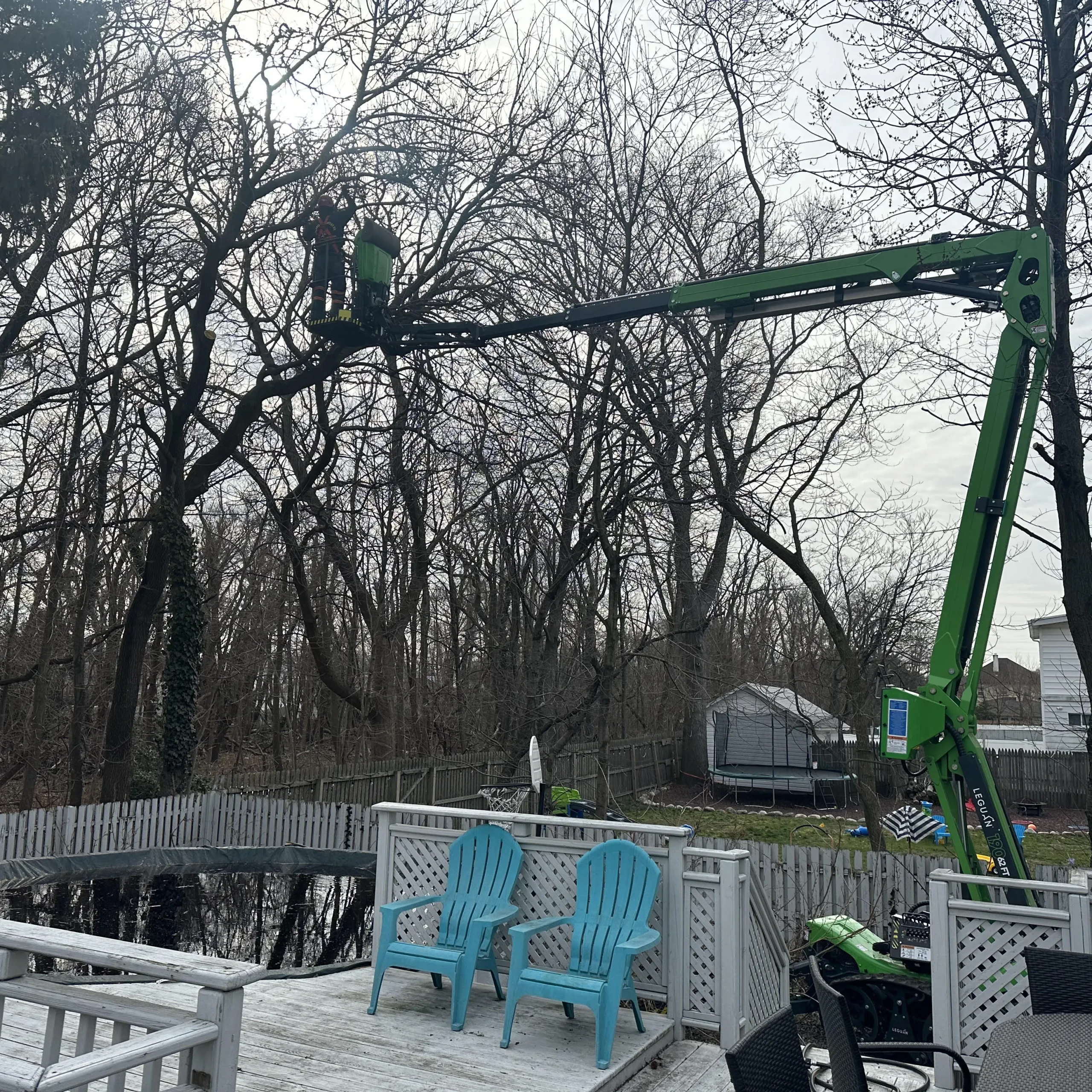
Mature oaks, maples, tulip trees, and sweetgums can dominate a Middletown yard. Valuable shade may also darken a pool, keep a patio damp, or suppress plantings below. Our tree trimming and pruning service identifies where more light is useful.

The goal is selected pathways for sunlight, not a large hole. Thinning removes chosen branches, while raising improves clearance below. University of Minnesota guidance notes that thinning can improve light and air movement but should remain conservative on mature trees.

Sun angle matters because morning and afternoon light arrive from different directions. We compare the canopy with the home, pool orientation, neighboring trees, and normal use hours, applying the site specific approach in our Tower Hill and Locust guide.

Selective pruning may brighten a pool, open a partial view, reveal an ornamental focal point, or restore proportion. Colorado State Forest Service guidance explains that careful thinning can reduce shade for tolerant understory plants while preserving natural form.

Branches above pools, patios, roofs, and gardens require controlled work. We inspect attachments, decay indicators, loading, trunk condition, and roots first. Our Two Rivers and Shrewsbury examples show why sunlight goals and structural safety belong in one plan.

“We do not remove branches just to make sunlight. We choose cuts that improve the property while preserving the tree’s structure and natural character.”
Michael Hufnagel, Certified Arborist

Shade Tree Pruning Priorities for Pools, Patios, and Garden Sunlight

  • Identify the hours and locations where additional sunlight would provide real value
  • Create small light pathways rather than one severe opening in the canopy
  • Use selective thinning, raising, or reduction according to the tree and the objective
  • Inspect large limbs and attachment points before pruning above occupied spaces
  • Retain enough canopy to preserve cooling, privacy, structure, and landscape character

A planned shade adjustment can brighten an outdoor area without stripping the tree. It may also help plants below the canopy. More sunlight is not automatically better for every specimen. We must next determine how much light the understory can tolerate.

Understory Trees Need the Right Amount of Light, Not Sudden Full Exposure

Understory plants live in the filtered environment created by larger canopies. Japanese maples, dogwoods, rhododendrons, azaleas, hollies, and ferns respond differently to light. Penn State guidance notes that plants below trees also face root competition and changing moisture.

Too little light can reduce flowering, thin foliage, and cause branches to reach toward openings. Selective canopy work can improve light and air movement, but the plan must respond to the understory species rather than treating every planting bed alike.

Sudden exposure creates another risk. Leaves and bark developed in shade may not tolerate intense summer sun or reflected heat. Rutgers guidance on rhododendron and azalea injuries explains that shade adapted foliage can burn in full exposure, so we often open light gradually.

We inspect soil and mulch because added sun changes water demand. Rutgers guidance on over mulching recommends a shallow layer and visible root flare. Our tree health management service considers canopy, roots, irrigation, and site stress as one system.

The best result is often filtered sunlight that moves through the day. A dogwood may need enough light to flower without harsh afternoon exposure. Our work in Little Silver and Morganville shows why local exposure changes the recommendation.

“An understory specimen can need more light without needing full sun. The goal is balance, not maximum exposure.”
Michael Hufnagel, Certified Arborist

Signs Understory Trees Need Better Light Without Full Exposure

  • Sparse foliage, weak flowering, or long shoots reaching toward a canopy opening
  • A specimen that is full on one side and thin on the side beneath the shade tree
  • Persistent darkness around a pool, patio, walkway, or primary garden bed
  • Shade adapted leaves that could scorch if the upper canopy is opened too quickly
  • Soil, mulch, drainage, or irrigation conditions that will change as sunlight increases

Sunlight management is a landscape decision, not simply branch removal. The upper canopy and lower plantings must be evaluated together. Once the desired light is clear, every cut still must meet professional standards. We next explain how to open a canopy without weakening it.

Expert Pruning Opens the Canopy Without Weakening the Tree

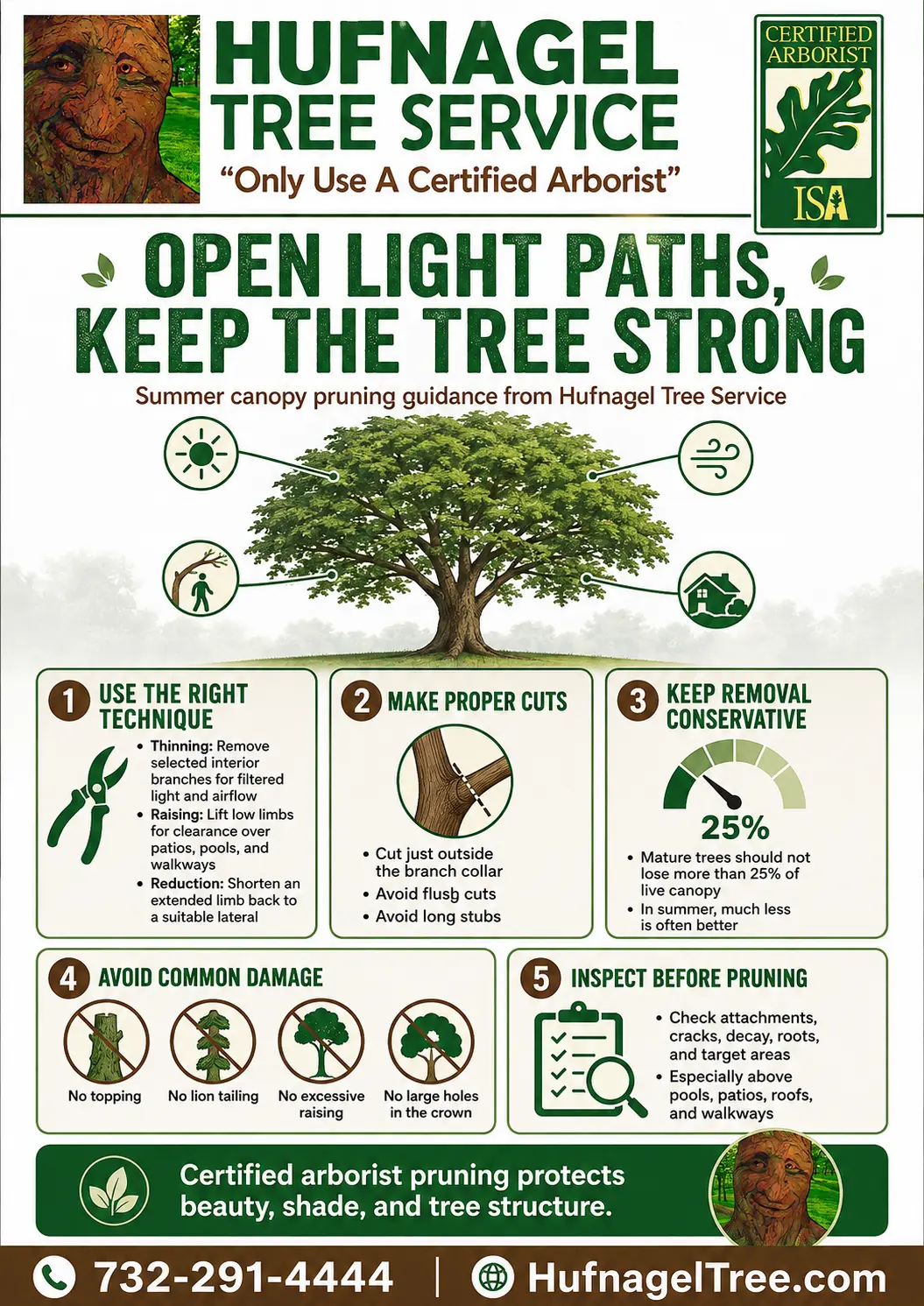
Three techniques manage sunlight and space. Thinning removes selected branches, raising creates clearance below, and reduction shortens an overextended limb to a suitable lateral. The University of Maryland pruning guide explains how thinning increases light and air movement while preserving the crown.

Cut placement is critical. Removal cuts belong just outside the branch collar. The United States Forest Service guide and Natural Resources Conservation Service guidance explain why flush cuts and long stubs are poor practice. Correct placement supports the tree’s defense response.

Mature shade trees require conservative pruning. International Society guidance limits canopy removal to one quarter at most, with less taken from mature specimens. In summer, we often recommend much less because leaves actively support roots, cooling, and defense.

Over thinning and lion tailing remove interior growth and concentrate foliage near branch ends. Topping creates large wounds and weak regrowth. The International Society topping guide explains why neither practice provides responsible size or sunlight management.

We inspect before pruning because included bark, cracks, decay, old wounds, dead limbs, or unstable roots can change the recommendation. Our tree risk evaluation and tree restoration service determine whether selective pruning fits a broader preservation plan.

“A properly pruned shade tree should still look like a shade tree. We open pathways for light without stripping the interior or leaving weight at the branch ends.”
Michael Hufnagel, Certified Arborist

Expert Canopy Pruning Standards That Protect Mature Shade Trees

  • Place pruning cuts outside the branch collar and avoid flush cuts or long stubs
  • Use reduction cuts to suitable laterals when shortening overextended branches
  • Keep live canopy removal conservative, especially during heat, drought, or visible stress
  • Avoid topping, lion tailing, excessive raising, and large holes in the crown
  • Inspect structure, roots, and targets before pruning branches above occupied areas

Professional technique protects the tree while meeting the property objective. It also reduces weak regrowth after pruning. Trees and landscape needs continue to change, so one visit should be part of a longer plan. Seasonal inspection provides that continuity.

Seasonal Tree Inspections Create a Better Long Term Pruning Plan

Master Tree Trimmers

Summer reveals canopy density while outdoor spaces are in active use. We can map shade across a pool or patio, judge filtered light below, and identify branches that disrupt the design. A tree risk evaluation also checks whether defects affect the pruning plan.

Other seasons reveal different information. Dormancy exposes branch structure, spring shows flowering and new growth, and fall may reveal early color change. Seasonal inspection does not mean seasonal cutting. It helps us choose the right work and timing.

A staged plan may include summer shaping after bloom, limited sunlight adjustment, dormant structural pruning, and later review. The International Society guide to pruning young trees shows why small early corrections can prevent difficult work later.

At the very least, homeowners should arrange one professional tree inspection each year. Review is also appropriate after storms, construction, sudden movement, new decay indicators, or rapid decline. Our summer articles and pruning library show how seasonal conditions change priorities.

Not every tree needs annual pruning. Monitoring, watering, mulch correction, or recovery may be the better recommendation. Annual records help compare growth, light, and defects. Our certified arborist interview and family horticultural history explain the experience behind that approach.

“Seasonal inspection lets us make small corrections before a property needs a large correction. At a minimum, every homeowner should have the trees reviewed once a year.”
Michael Hufnagel, Certified Arborist

Seasonal Tree Inspection Questions for Summer Pruning Decisions

  • Where does the full canopy cast shade during the hours the property is used most
  • Which ornamental trees need shaping after flowering or correction of active growth
  • Are understory specimens receiving too little light or at risk from sudden exposure
  • Do branches above pools, patios, roofs, or walkways show defects or excess loading
  • Should work occur now, during dormancy, in stages, or not at all this year

Annual inspection turns summer observations into a responsible plan. It protects ornamental beauty, mature shade, outdoor comfort, and lower plantings. It also addresses small structural and spacing problems before severe work is needed. The final step is choosing a qualified local arborist.
Schedule Summer Ornamental Shaping and Sunlight Management Today!

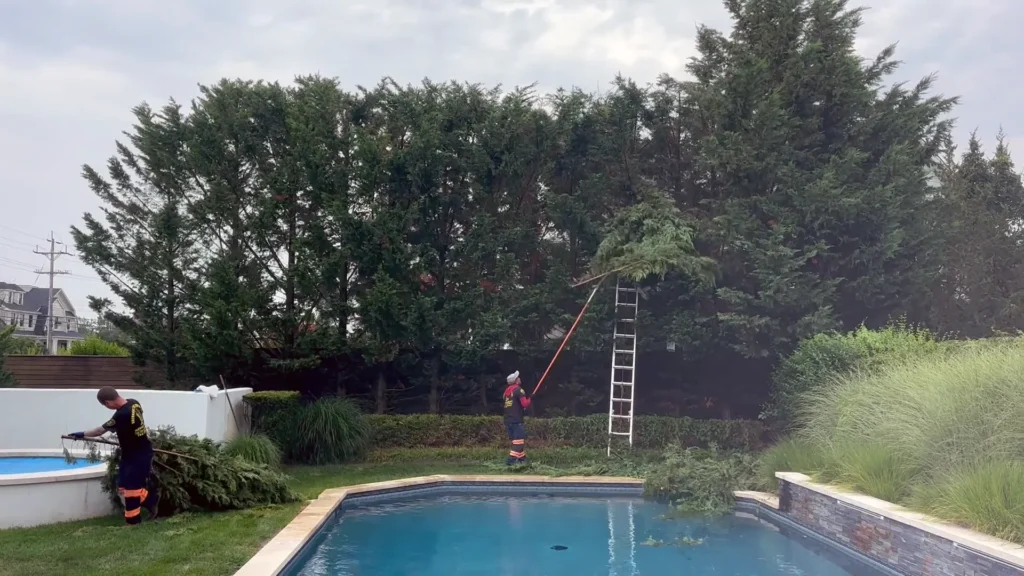
Hufnagel Tree Service provides summer ornamental shaping and shade tree pruning throughout Middletown and Monmouth County. Michael Hufnagel brings certified arborist knowledge, more than 25 years of local experience, deep horticultural roots, and more than 200 five star Google reviews. Learn about our team and explore our tree pruning articles.

Whether the goal is a better shaped Japanese maple, more light for a dogwood, a brighter pool, or a more comfortable patio, we inspect the entire landscape first. Rutgers recommends hiring a qualified tree care professional. Call or text (732) 291 4444 for summer shaping, sunlight management, and annual inspection.

Schedule Service Now!

From precision pruning and safe removals to health assessments and preventative care, Hufnagel Tree Service delivers expert solutions backed by decades of experience. We offer certified insight, fair pricing, and a commitment to doing what’s best for your landscape.

Where Do You Need Service?
Please Enter Your Contact Information
Are You A New or Existing Customer?
How Can We Help You?

Thank You!

Your Message Has Been Sent

We Will Contact You About Your Inquiry Shortly.

We Could Not Find A Direct Link To A Tree Removal Permit Application For The Town You Selected.

Please contact your local municipality to determine if a permit is required for your tree removal project. They will provide you with the most accurate and up-to-date information.