
Contents
Spring Tree Care Across the Two Rivers Area: From Red Bank to Sea Bright
In Monmouth County, the Two Rivers region sits between the Navesink River and the Shrewsbury River, creating one of the most unique microclimates in New Jersey. This stretch of towns, including Red Bank, Rumson, Fair Haven, Little Silver, Monmouth Beach, Sea Bright, Shrewsbury, and Oceanport, is defined by waterfront exposure, mature tree canopies, and high-value residential landscapes. Tree pruning in this region is not just about appearance. It is about managing growth, protecting property, and adapting to a very specific coastal environment.
Each town has its own character, and that directly affects how trees grow and respond to pruning. In Red Bank, neighborhoods near downtown and along Broad Street feature older ornamental trees like flowering cherry, dogwood, and Japanese maple. These trees need precise, light pruning in spring to maintain shape without stressing new growth. Just a few miles away in Rumson, large estate properties often include mature oak, beech, and tulip trees that have been growing for decades. These trees require structural pruning strategies that account for weight distribution and long-term canopy stability.
Fair Haven and Little Silver present a different scenario. These towns have a mix of older homes and newer construction, often with trees that were either preserved during building or planted as part of landscaping plans. Soil compaction from construction activity is common, which means root systems are already under stress. Spring pruning here must be conservative and intentional, focusing on removing deadwood and improving airflow rather than aggressive shaping.
Closer to the water, conditions change again. Monmouth Beach and Sea Bright experience constant salt exposure, strong winds, and sandy soils. Trees in these areas, especially species like pitch pine, eastern red cedar, and bayberry, develop differently than inland trees. Branches tend to grow asymmetrically due to wind pressure. Spring pruning in these environments is about balance. We reduce wind resistance, remove weak growth, and help the tree maintain a stable structure going into storm season.
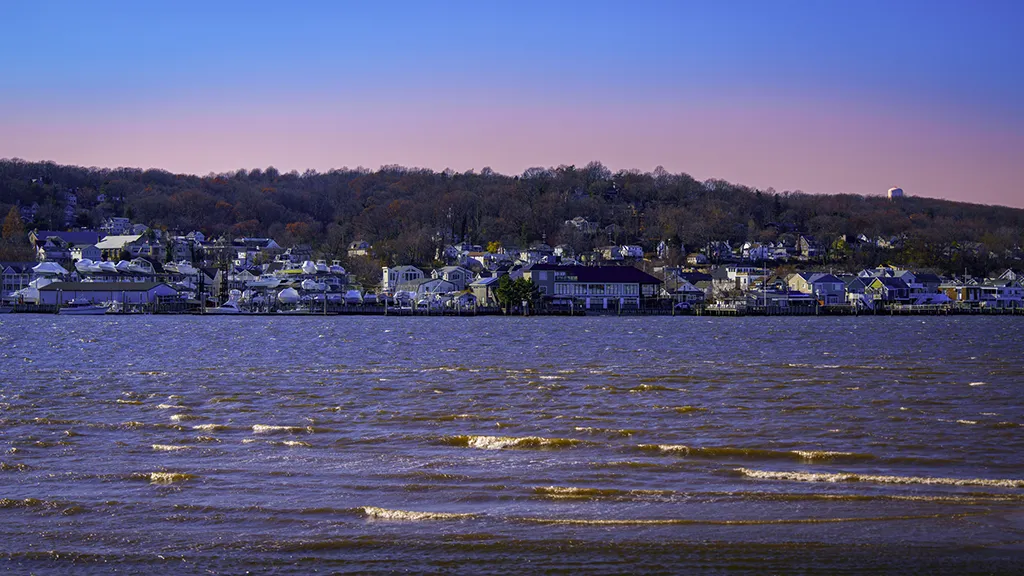
Shrewsbury and Oceanport offer a mix of suburban neighborhoods and open spaces, including areas near parks and the Monmouth Park Racetrack. Trees here often include red maple, pin oak, and London plane trees. These species respond well to early-season pruning, especially when the goal is to guide growth before the canopy fully develops. Timing is critical. Prune too late, and you risk cutting into active growth cycles that the tree is relying on for energy.
Spring in the Two Rivers area moves quickly. Trees transition from dormancy to active growth in a matter of weeks. That short window is where proper pruning makes the biggest impact. Removing winter-damaged limbs, correcting structural issues, and opening the canopy for sunlight all set the tone for the rest of the year. Skipping this step often leads to heavier, riskier pruning later in the season.
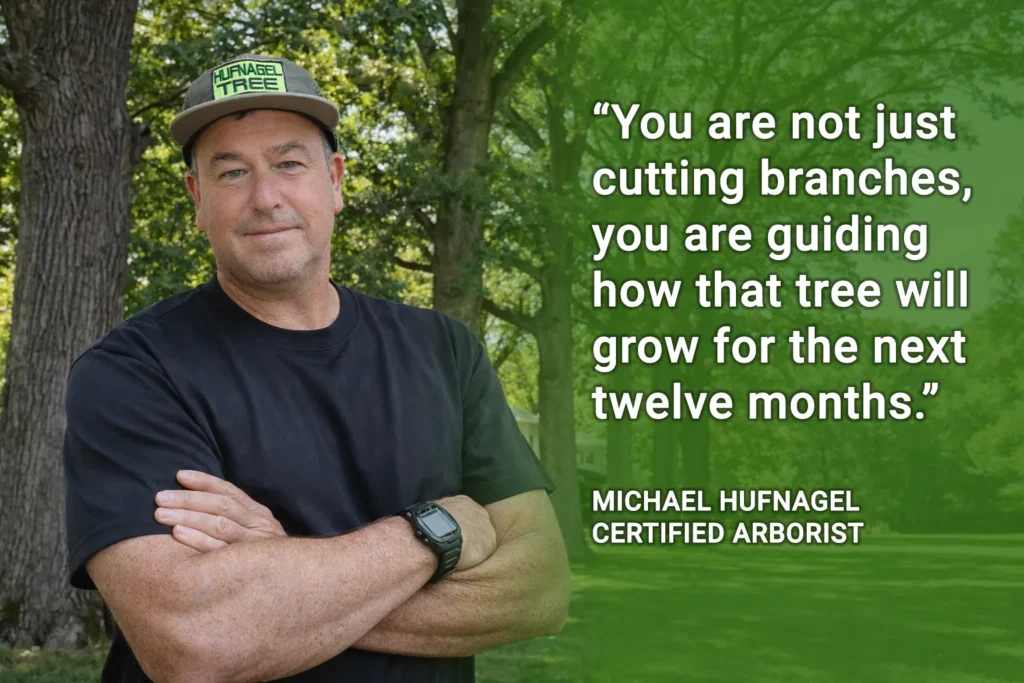
“Spring pruning is about direction. You are not just cutting branches, you are guiding how that tree will grow for the next twelve months,” says Michael Hufnagel.
We see the same pattern across these towns every year. Properties that invest in early-season pruning have healthier trees, better shape, and fewer issues during summer storms. Properties that wait often deal with overgrowth, weak branch unions, and increased risk when wind and weather pick up.
The Two Rivers region demands a localized approach. The combination of river influence, coastal exposure, soil variation, and mature landscapes means there is no one-size-fits-all pruning strategy. Each tree, and each property, requires an understanding of how these environmental factors interact.
That is what makes spring pruning here both challenging and critical. Done correctly, it enhances the natural beauty of these communities while protecting the homes and properties that define them.
Tree Pruning Strategies That Shape Growth and Prevent Problems
Spring pruning is the most important maintenance step for trees in the Two Rivers area. This is when we influence how a tree grows, how it distributes weight, and how well it holds up through the rest of the year. Without proper pruning, trees tend to develop dense, unbalanced canopies that create long-term structural issues.
The first priority is removing dead, damaged, and winter-stressed limbs. After a coastal winter, even if there was no major storm, trees often carry hidden damage. Small cracks, weakened joints, and dieback are common. If left in place, these areas become failure points as the tree pushes new growth.
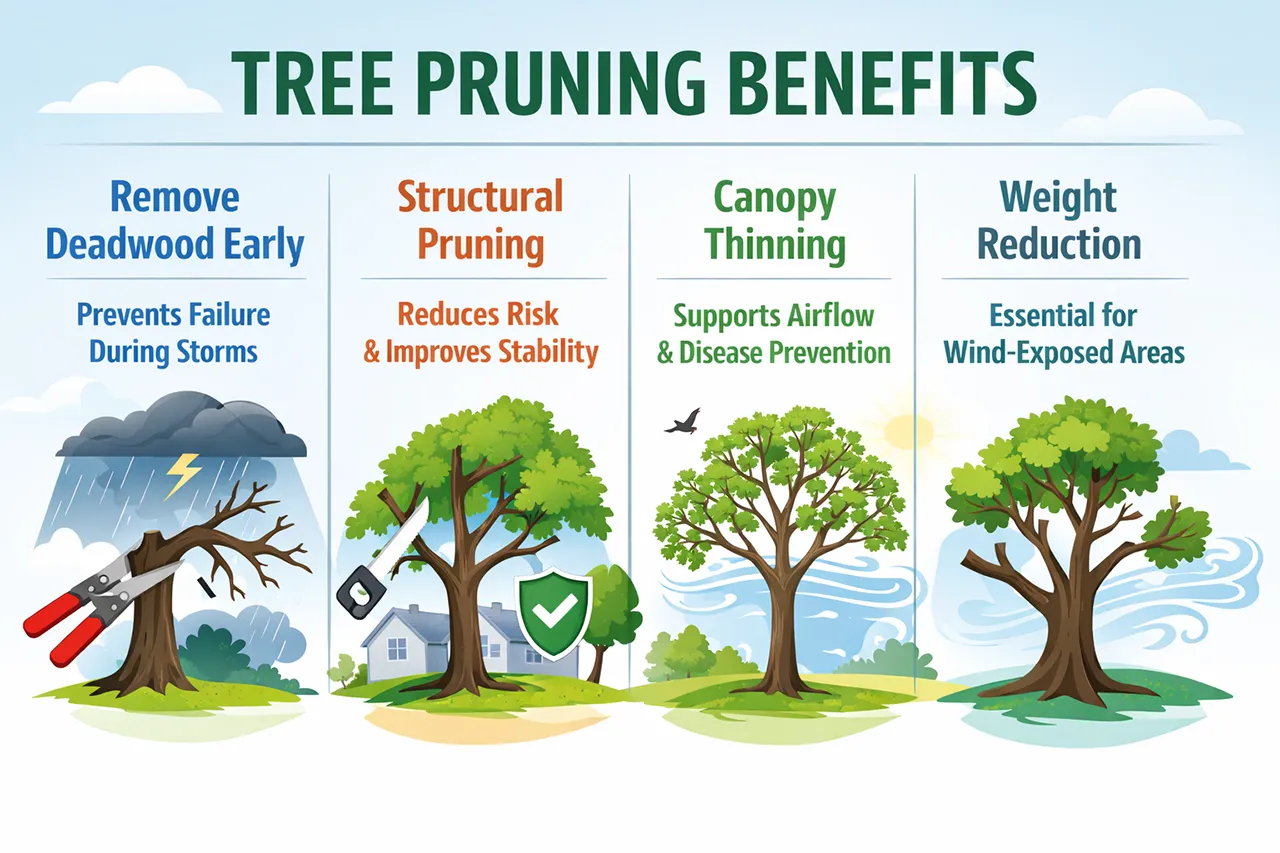
The second step is structural pruning. This involves identifying competing leaders, crossing branches, and weak unions. In towns like Rumson and Fair Haven, where large shade trees dominate properties, this step is essential. Proper structure ensures the tree can support its canopy as it grows heavier through spring and summer.
We also focus on canopy thinning. This is especially important in areas like Red Bank and Shrewsbury, where trees are often planted closer together. Thinning improves airflow and light penetration, which reduces the risk of disease and promotes healthier leaf development.
Another key factor is weight reduction. In coastal towns like Sea Bright and Monmouth Beach, wind is a constant force. Reducing excess weight at the ends of branches lowers the risk of breakage during storms. This is not about over-cutting. It is about making precise cuts that improve balance without stressing the tree.
Timing matters. Early spring pruning allows the tree to respond immediately as it enters its growth phase. Cuts heal faster, and the tree directs energy into healthy, controlled growth rather than compensating for structural problems.
A few critical takeaways that property owners should understand:
- Removing deadwood early prevents failure during storms
- Structural pruning reduces long-term risk and improves stability
- Thinning the canopy supports airflow and disease prevention
- Weight reduction is essential for wind-exposed properties
When these steps are done correctly, the result is a tree that grows predictably and safely. That sets the foundation for everything that follows, including how the tree handles seasonal stress.
Managing Coastal Stress and Wind Exposure Through Pruning
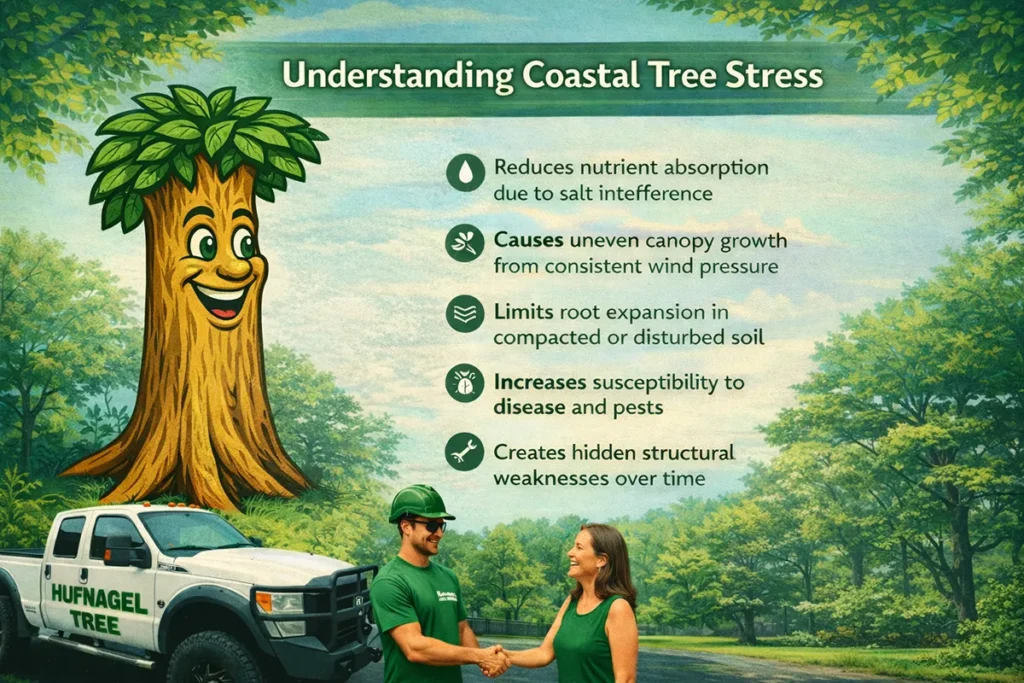
Trees in the Two Rivers area are constantly influenced by coastal conditions. Even properties that are not directly on the water feel the effects of wind patterns, salt air, and shifting moisture levels. These factors change how trees grow and how they should be pruned.
One of the biggest challenges is asymmetrical growth. Trees exposed to prevailing winds often develop heavier growth on one side. Over time, this imbalance creates stress on the trunk and branch unions. Spring pruning is the time to correct that imbalance before the canopy fills in.
Salt exposure is another factor. In towns like Sea Bright and Monmouth Beach, salt can dry out foliage and affect overall tree health. Pruning helps by removing stressed or damaged growth and allowing the tree to focus energy on stronger, healthier branches.
We also look at branch spacing. Trees that grow in tight clusters or near structures need careful pruning to maintain clearance and reduce friction between limbs. This is common in neighborhoods throughout Little Silver and Oceanport, where properties often feature dense landscaping.
Wind resistance plays a major role. A dense canopy acts like a sail during storms. By selectively thinning the canopy, we reduce resistance and allow wind to pass through more easily. This significantly lowers the chance of limb failure or uprooting.
Root stability is another consideration. Sandy soils near the coast do not anchor trees as firmly as heavier inland soils. That means the canopy must be managed to reduce stress on the root system. Pruning is a key part of that equation.
Here are the most important points for managing coastal tree stress:
- Correcting uneven growth improves structural balance
- Removing salt-damaged limbs supports overall health
- Thinning reduces wind resistance and storm impact
- Managing canopy weight protects root stability
When pruning is done with these factors in mind, trees are better equipped to handle the conditions that define the Two Rivers region. This directly reduces risk as the season progresses.
Enhancing Property Value and Curb Appeal with Precision Pruning

In high-value communities like Rumson, Fair Haven, and Little Silver, tree appearance plays a significant role in overall property value. Well-maintained trees enhance curb appeal, frame homes, and contribute to the character of the neighborhood.
Spring is when this visual impact is established. As trees leaf out, their structure becomes more visible. Proper pruning ensures that structure is clean, balanced, and intentional. Poorly pruned trees, or trees that have been neglected, stand out immediately.
Ornamental trees require a different approach than large shade trees. Species like dogwood, cherry, and Japanese maple need light, precise pruning to maintain their natural form. Over-pruning these trees can ruin their appearance and limit flowering.
For larger trees, shaping is about proportion. The canopy should complement the size and scale of the property. This is especially important in areas like Red Bank, where homes are often closer together and landscaping plays a big role in visual appeal.
We also consider sightlines. Strategic pruning can open up views, improve light exposure, and create a more inviting landscape. This is particularly valuable in waterfront properties throughout the Two Rivers area.
Consistency matters. Trees that are pruned regularly maintain their shape and health far better than those that are addressed only when problems arise. Spring pruning sets the baseline for that consistency.
Key benefits of precision pruning include:
- Improved tree shape and overall appearance
- Enhanced property value and curb appeal
- Better light exposure and visibility
- Healthier growth patterns throughout the season
When done correctly, pruning is not just maintenance. It is a way to actively improve the look and function of a property.
Why Early Spring Pruning Sets the Tone for the Entire Year
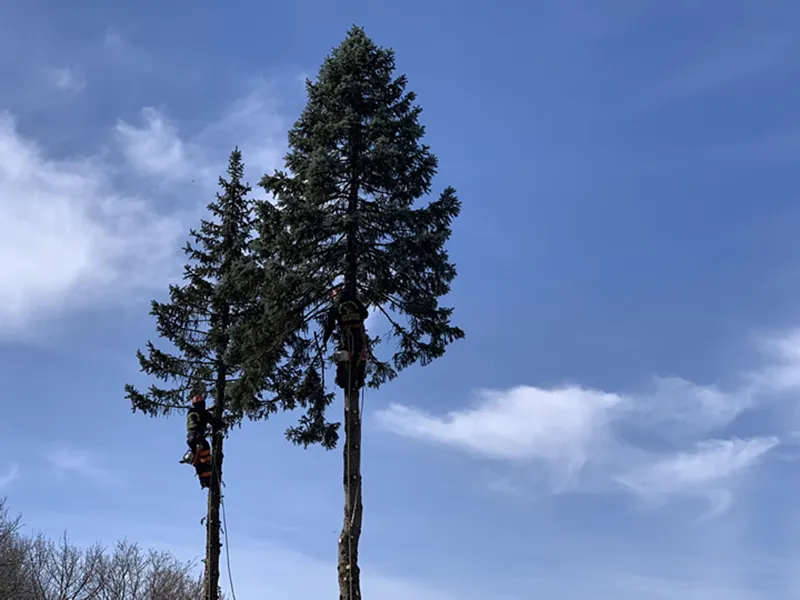
The timing of pruning has a direct impact on how trees perform throughout the year. Early spring is the most effective window because it aligns with the tree’s natural growth cycle.
During this period, trees are transitioning out of dormancy. Energy reserves are being mobilized, and new growth is about to begin. Pruning at this stage allows the tree to direct that energy into the healthiest possible structure.
Waiting too long changes the equation. Once the canopy is fully developed, pruning becomes more stressful for the tree. It can also lead to excessive regrowth, which creates additional maintenance needs later in the season.
Early pruning also reduces the likelihood of disease. Open canopies dry faster, and improved airflow limits the conditions that allow fungal issues to develop. This is especially important in humid areas near the rivers.
Another advantage is visibility. Without full foliage, it is easier to see the tree’s structure and identify problem areas. This allows for more precise and effective pruning decisions.
From a risk standpoint, early pruning removes weak points before they are exposed to summer storms. This proactive approach is far more effective than reactive trimming after damage has already occurred.
The most important reasons to prioritize early spring pruning are:
- Aligns with natural growth cycles for better results
- Reduces stress compared to late-season pruning
- Improves disease resistance through better airflow
- Addresses structural risks before storm season
When pruning is done at the right time, everything that follows becomes easier to manage. Trees grow more predictably, require less corrective work, and perform better under stress.
Schedule Certified Tree Pruning in the Two Rivers Area
Spring is a narrow window in the Two Rivers region. Once trees fully leaf out, the opportunity to guide structure, reduce risk, and shape healthy growth becomes more limited. This is especially true in towns like Rumson, Fair Haven, and Little Silver, where mature trees define the character of the property and mistakes can take years to correct.
We approach every property with a clear understanding of how local conditions influence tree behavior. From the salt exposure in Sea Bright and Monmouth Beach, to the dense suburban canopy in Red Bank and Shrewsbury, pruning decisions are made based on real environmental factors, not generic guidelines.
Our process starts with a full evaluation. We assess structure, identify weak points, and determine how the tree is likely to respond to spring growth. From there, we apply precise pruning techniques that improve balance, reduce stress, and set the tree up for a strong season. Every cut has a purpose, and every tree is handled based on its species, age, and location.
“Every property in the Two Rivers area is different. The trees respond to wind, soil, and water in unique ways. If you understand that, you can make pruning decisions that last,” says Michael Hufnagel.
Homeowners and property managers across the Two Rivers communities rely on certified arborist care to protect their landscapes. With over 25 years of experience in Monmouth County and more than 200 five-star reviews, we have built a reputation for doing the work correctly the first time.
If your trees have not been evaluated this spring, now is the time.
Early action prevents problems, reduces long-term costs, and keeps your property looking its best as the season progresses.
- Full tree evaluations tailored to coastal and riverfront conditions
- Structural pruning to improve safety and long-term stability
- Canopy thinning to reduce wind resistance and storm risk
- Ornamental tree shaping to enhance curb appeal and property value
Call 732-291-4444 to schedule your consultation and ensure your trees in the Two Rivers area are properly pruned, protected, and prepared for the season ahead.
"ONLY USE A CERTIFIED ARBORIST!"
Schedule Service Now!
From precision pruning and safe removals to health assessments and preventative care, Hufnagel Tree Service delivers expert solutions backed by decades of experience. We offer certified insight, fair pricing, and a commitment to doing what’s best for your landscape.
Learn More About Our Services


Related Articles
Late Summer Tree Service in Holmdel, NJ
Insurance Company Tree Trimming Notice: Call Hufnagel
Tree Risk Evaluation Services Near Marlboro NJ
Tree Risk Inspection and Health Assessment By Certified Pros