Contents
Sea Bright Trees Face Winter From Both the Atlantic and the Shrewsbury
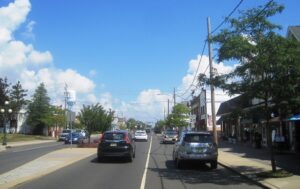
Sea Bright is one of the most exposed communities in Hufnagel Tree Service’s service area. Ocean Avenue runs through a narrow coastal borough with the Atlantic on one side and the Shrewsbury River on the other. The borough’s own flood information reminds residents that the community is prone to repetitive flooding, while the municipal beach and public access points keep the oceanfront character impossible to miss.
That geography changes how we think about winter tree care. A Sea Bright tree may face strong northeast wind, salt spray, saturated soil, road salt, heavy rain, wet snow, and ice within the same season. Winter storm proofing is not a guarantee that no branch will ever break. It is a professional effort to identify avoidable weaknesses, improve structure where possible, and reduce the chance that a known defect becomes the first point of failure.
We have spent almost 30 years working with coastal and inland trees across Monmouth County. In Sea Bright, we pay particular attention to wind exposure, root stability, and what a tree can reach if it fails. Our tree storm proofing service combines inspection with targeted pruning and other risk reduction options so the work matches the property instead of relying on generic storm advice.
Winter Storm Proofing in Sea Bright Starts With Wind Exposure
Wind load is not distributed evenly across a tree. The crown catches moving air, limbs flex, trunks sway, and roots resist that motion through the soil. Trees that have adapted to an exposed site can be remarkably strong, but defects change the equation. A cracked union, dead leader, overextended limb, or decayed trunk section can become the weak point when gusts increase. We begin by understanding where the tree is exposed and how the crown is carrying load.
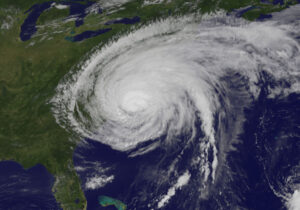
Sea Bright’s coastal setting makes that especially important. The National Weather Service explains that Nor’easters can bring high winds along with winter precipitation and coastal flooding. Historical events along the New Jersey coast have produced strong winds and heavy snow at the same time. A tree near Ocean Avenue or an open river facing property can experience sustained loading that is very different from a sheltered inland backyard.
Our first tool is a visual and structural tree risk evaluation. We look for old branch failures, codominant stems, included bark, cavities, deadwood, recent cracks, and excessive end weight. We also consider recent changes around the tree. Construction, removal of neighboring trees, or opening a formerly protected side of the property can alter how wind reaches the crown even when the tree itself has not changed.
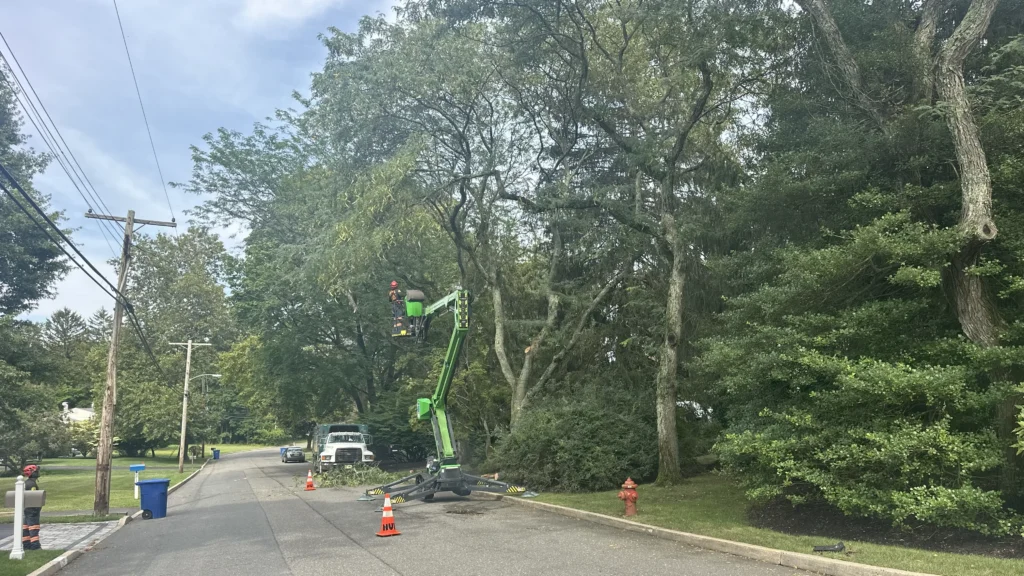
Pruning can reduce specific risk when it is done with a clear objective. Our tree trimming and pruning service may remove deadwood, shorten a long compromised limb, or reduce load on a weak portion of the crown. We do not try to “thin a tree out for wind” as a blanket prescription. Too much live canopy removal can create new stress and poor regrowth. Proper storm preparation is selective and conservative.
Mike Hufnagel describes coastal storm proofing this way: “In Sea Bright, the tree is already living with wind. Our job is to find the part of the tree that is not handling that wind well.” That distinction keeps the focus on defects instead of fear. Once the crown has been evaluated, the next major concern is the ground beneath it, because saturated coastal soil can change how securely a mature tree is anchored.
Wind Related Tree Problems to Address Before a Sea Bright Winter Storm
- Dead or broken branches that can detach during repeated gusts.
- Cracks or weak unions where large stems divide.
- Long limbs with excessive weight over roofs, vehicles, sidewalks, or neighboring property.
- Trees newly exposed after nearby removals or construction changes.
- Decay or old storm wounds located where the trunk or main branches carry major load.
Wind itself is not a defect, and a healthy coastal tree is built to move. The concern is where normal movement meets damaged or poorly attached wood. Storm proofing works when we identify that weak point and reduce the problem without stripping the tree of healthy canopy. Sea Bright’s exposure makes the inspection more important because high wind can arrive with very little shelter from surrounding terrain. After the crown and trunk are reviewed, root stability becomes the next part of the winter storm plan.
Saturated Coastal Soil Changes Root Stability
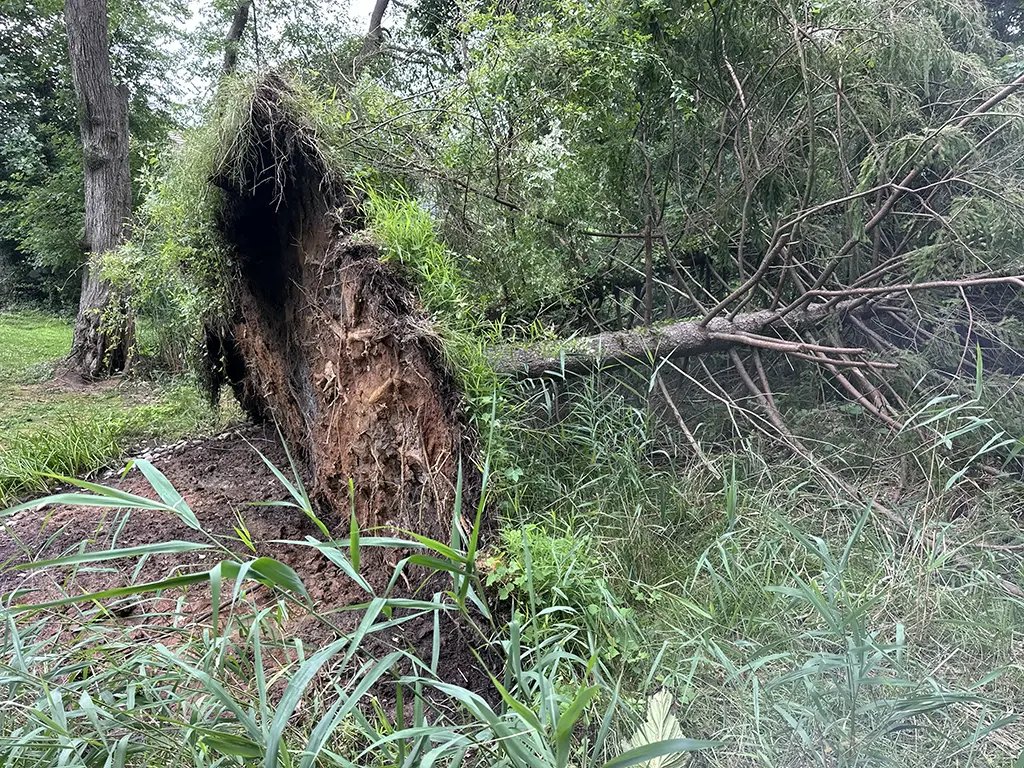
Trees depend on roots and soil together for anchorage. When soil becomes saturated, especially for an extended period, the physical support around roots can change. That does not mean every wet tree is about to fall. It does mean that a tree with damaged roots, a restricted root system, or a recent lean deserves more attention when coastal flooding and heavy rain are part of the site history.
Sea Bright officially advises residents to understand local flood hazards, and the borough has long managed repetitive flooding as a community issue. For tree owners, the important point is that water can affect both root health and stability. A tree planted in a narrow bed between pavement and a building has less soil volume to work with than the same species growing in open ground. Repeated wet and dry cycles can add stress to an already limited root zone.
We inspect the root flare for heaving soil, exposed roots, girdling roots, decay, recent excavation, and signs that the tree has shifted. We also look beyond the trunk. A driveway replacement, utility trench, grade change, or new hardscape can cut or compact roots far from the base. Our article on weak tree roots and failure prevention explains why root problems can remain hidden until wind and saturated soil combine.
Salt is another coastal factor. Salt water, salt spray, and deicing salt can injure sensitive foliage and roots, depending on species and concentration. We cannot change Sea Bright’s marine environment, but we can avoid adding unnecessary stress. That may mean keeping salty plowed snow away from root zones, preventing mulch from trapping salt against the trunk, and choosing appropriate replacement species when a declining tree eventually needs to be replaced.
Root conditions also influence whether pruning alone is enough. A structurally sound crown cannot compensate for a severely compromised anchoring system. If the root zone shows movement or major damage, we may recommend a more detailed tree risk evaluation and a stronger risk reduction plan. TreesAreGood, an educational resource managed by ISA, notes that tree risk management may include pruning, cabling and bracing, routine care, moving targets, or removal depending on the situation. ISA tree risk management guidance provides a useful overview for homeowners.
Root Zone Warning Signs After Coastal Rain or Flooding
- Fresh soil lifting or cracking on one side of the trunk.
- A lean that is new or appears to be increasing.
- Exposed, severed, decayed, or recently disturbed major roots.
- Long periods of standing water around a tree that already shows canopy decline.
- Construction or utility work that removed soil or compacted the root area.
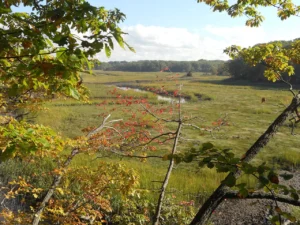
Coastal water is part of life in Sea Bright, but tree roots still need a stable physical and biological environment. Flooding does not create the same response in every species or every property. What matters is whether the root system was healthy before the event and whether the soil is still providing adequate support. That is why we combine root inspection with crown and trunk findings rather than making decisions from one symptom. Once wind exposure and root stability are understood, we can choose the practical storm proofing work that reduces risk before a Nor’easter arrives.

Pruning, Support, and Target Reduction Before a Nor’easter
Professional storm proofing is a menu of possible actions, not a single service. Selective pruning is common because it can remove defective wood and reduce leverage on selected limbs. In other cases, a tree may be structurally acceptable and need no pruning at all. Our goal is to recommend the smallest effective intervention, then leave the healthy parts of the tree to do their job.
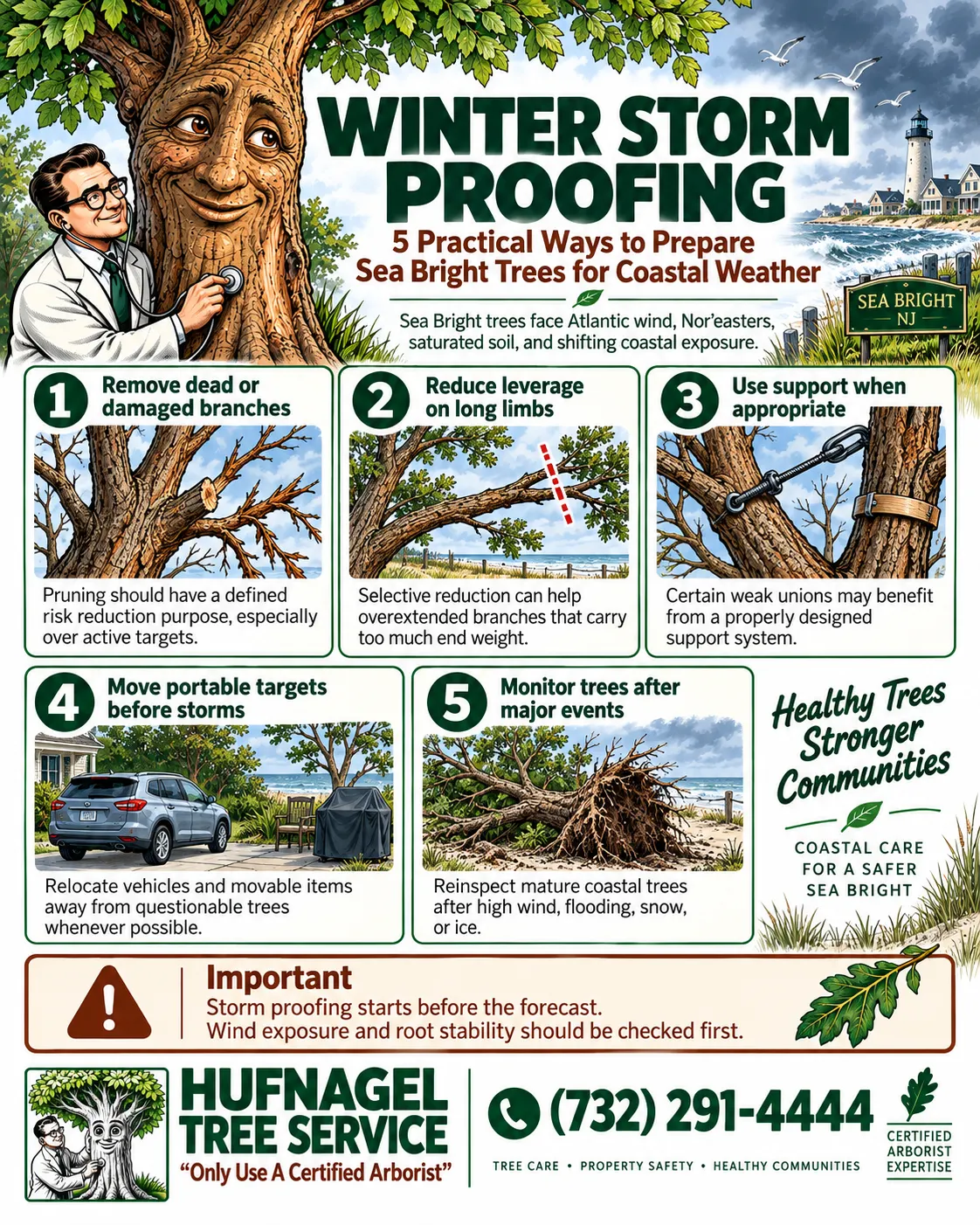
Some mature trees with specific weak unions may be candidates for supplemental support. Cabling and bracing can reduce movement or help support a weak structure in selected situations, but those systems need proper design and future inspection. They are not a guarantee against storm failure. Rutgers notes that licensed tree experts in New Jersey may perform services including cabling, bracing, diagnosis, tree assessment, and risk management. Rutgers guidance on qualified tree care helps homeowners understand those credentials.
Another storm proofing tool is target reduction. If a weak branch currently hangs over a parked vehicle, moving the vehicle before a storm reduces consequence even before tree work occurs. Patio furniture, play equipment, portable grills, and other moveable items can sometimes be relocated. ISA specifically includes target management as part of tree risk reduction planning. Of course, a house cannot be moved, so defects over permanent structures deserve a different level of attention.
Ice adds a different kind of loading. The National Weather Service notes that more substantial ice accumulation can lead to downed trees and power outages. Regional snow and ice impact information is a good reminder that even a small amount of ice adds weight across every twig and branch. Evergreen crowns can collect especially large loads because they retain foliage through winter, making weak branch attachments and split leaders important to address beforehand.
After the plan is complete, we document what was corrected and what still needs monitoring. A tree with a repaired wound or support system should not disappear from the maintenance schedule. Coastal properties change, trees grow, and exposure shifts as neighboring vegetation changes. Storm proofing is most effective when it becomes part of ongoing tree health management rather than a one time reaction to the forecast.
Practical Winter Storm Proofing Options for Sea Bright Properties
- Remove dead or damaged branches with a defined risk reduction objective.
- Reduce leverage on selected overextended limbs when structure justifies it.
- Consider properly designed support systems for specific weak unions when appropriate.
- Move vehicles and other portable targets away from questionable trees before a storm.
- Monitor mature coastal trees after major wind, flooding, snow, or ice events.
The best storm proofing plan is not the one with the most work. It is the one that addresses the defects most likely to matter on that specific property. Sea Bright’s combination of wind, water, salt, and winter precipitation makes site knowledge important, especially around mature trees close to homes and streets. Selective pruning, support, root protection, and target management all have a place when they are matched to the tree. A certified arborist can explain which options are reasonable and which are unnecessary. That gives homeowners a clear plan before the next coastal storm is already offshore.
Call Hufnagel Tree Service for Winter Storm Proofing in Sea Bright
If you have mature trees near your Sea Bright home, driveway, street, river side yard, or ocean facing landscape, schedule an evaluation before winter storms arrive. We provide tree storm proofing, tree risk evaluations, pruning, restoration, and removal when a tree cannot be managed safely.
Hufnagel Tree Service is led by a certified arborist with almost 30 years of Monmouth County experience and more than 280 five star Google Maps reviews. We understand the difference between routine pruning and coastal risk reduction, and we know how quickly conditions can change when wind, rain, snow, ice, and flooding arrive together.
Call or text (732) 291-4444 to schedule a winter storm proofing consultation for your Sea Bright property.
Schedule Service Now!
From precision pruning and safe removals to health assessments and preventative care, Hufnagel Tree Service delivers expert solutions backed by decades of experience. We offer certified insight, fair pricing, and a commitment to doing what’s best for your landscape.
Learn More About Our Services
Related Articles
Tree of Heaven Removal Near Manasquan River in NJ
Tree Risk Evaluation Services Near Marlboro NJ
Tree Risk Mitigation in Rumson, NJ
Tree Pruning for Safer, Healthier Growth