Winter Tree Prep in Old Bridge: Schedule An Inspection
Preparing Old Bridge trees for fall and winter means more than removing a few branches. Certified arborist care can identify storm damage, improve structure, manage deadwood, assess roots, and plan the right seasonal pruning before cold weather and winter storms arrive.
Share This Article
Contents
Prepare Old Bridge Trees for the Conditions Around Them
Fall tree preparation in Old Bridge should start with location. A tree near Laurence Harbor and the Raritan Bay is exposed to a different combination of wind, moisture, and salt than a tree in an inland subdivision near Route 9 or a wooded property near Cheesequake.
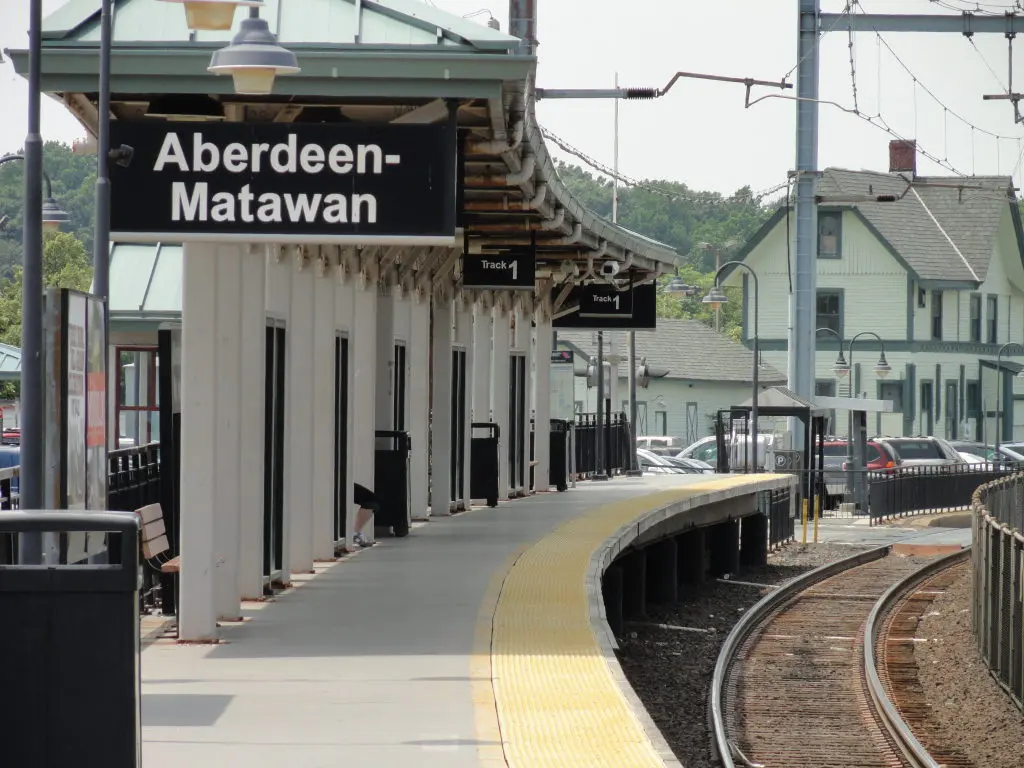
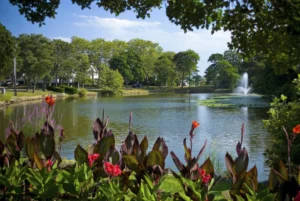
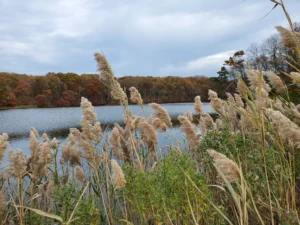
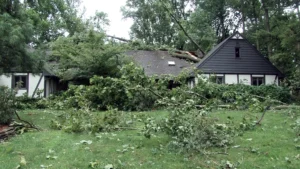
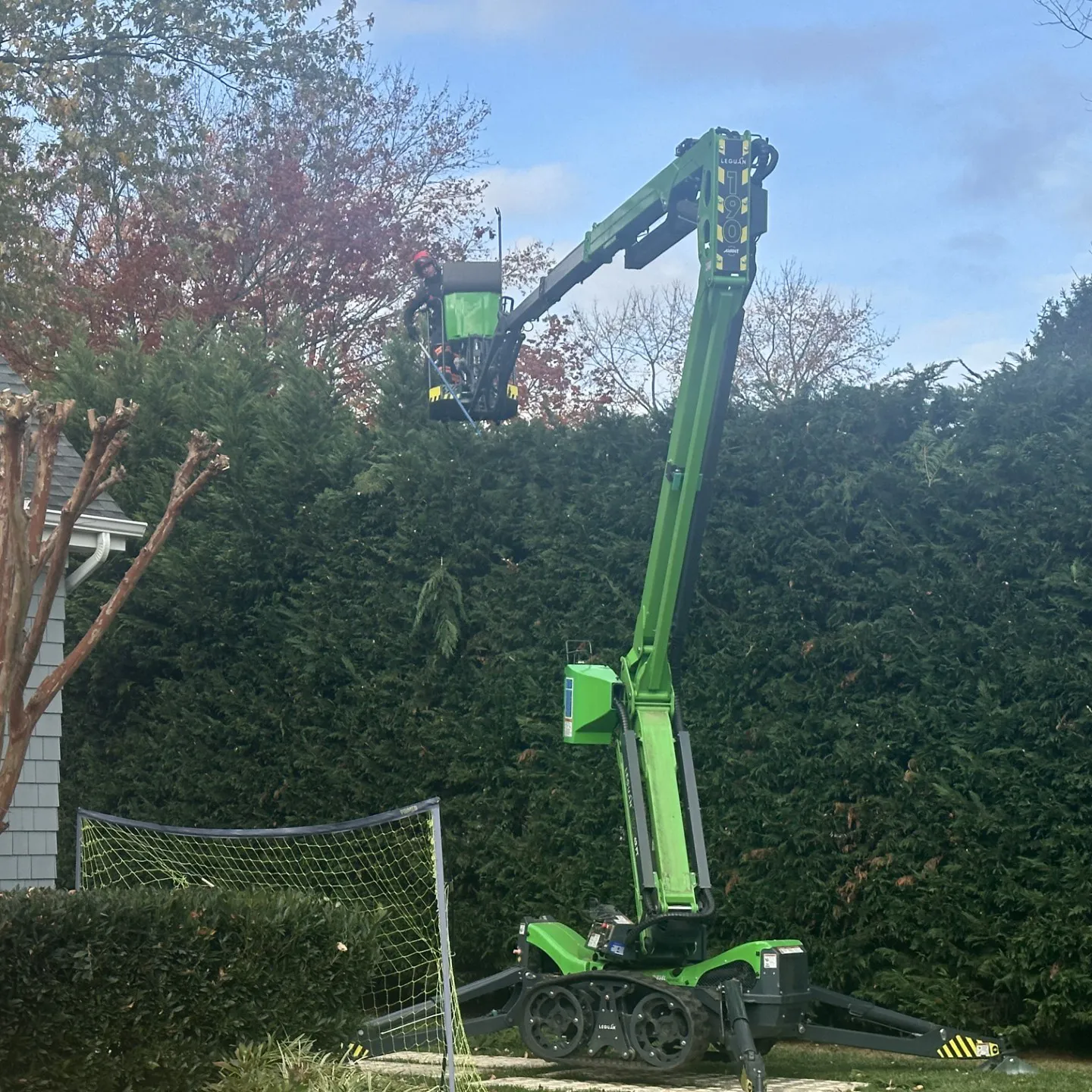
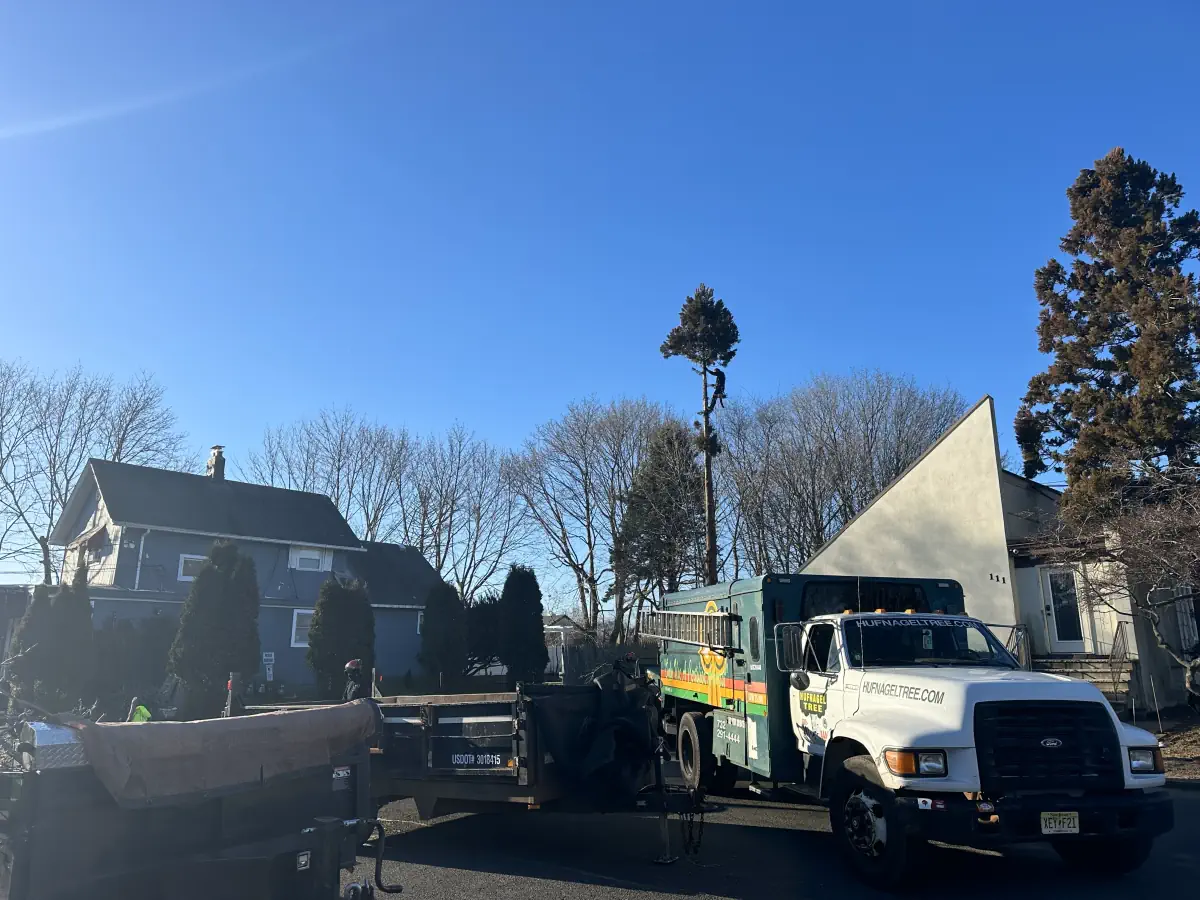
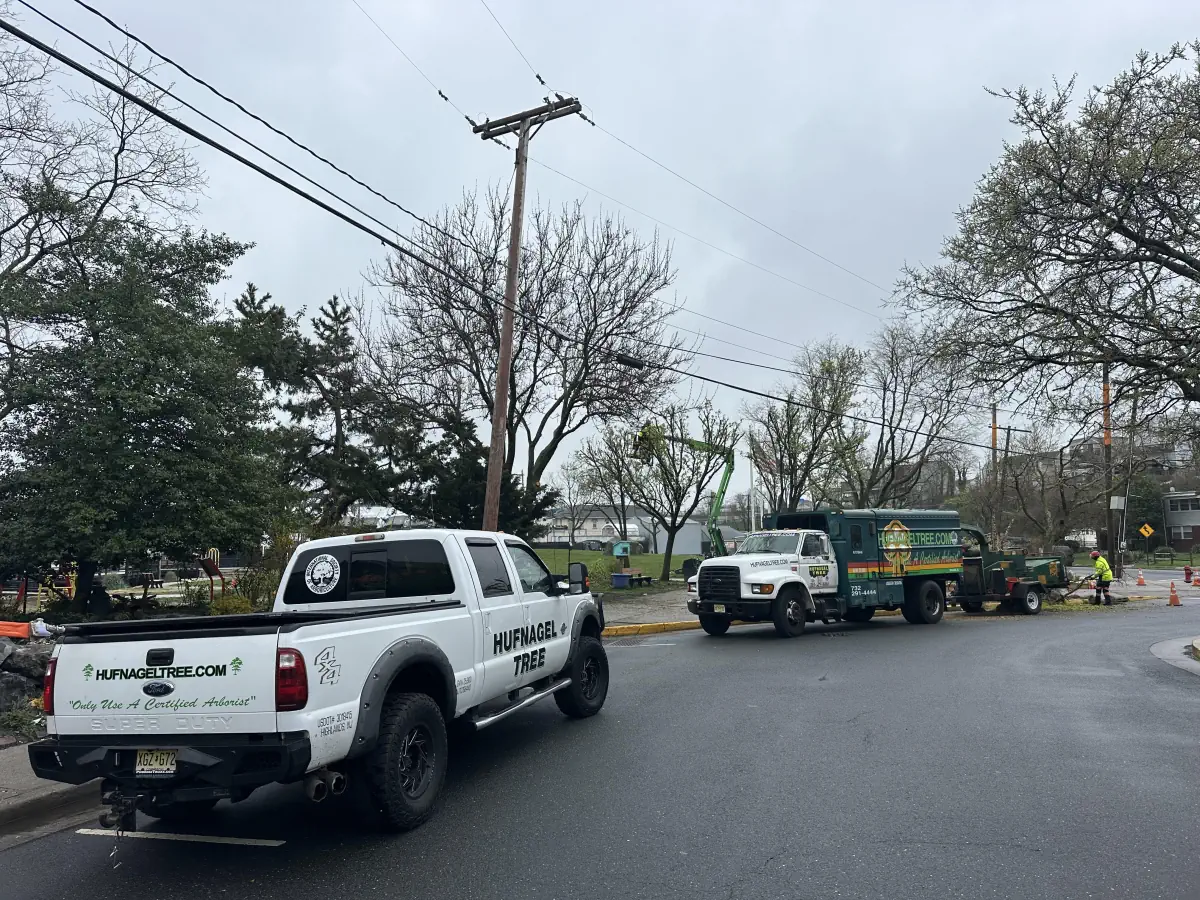
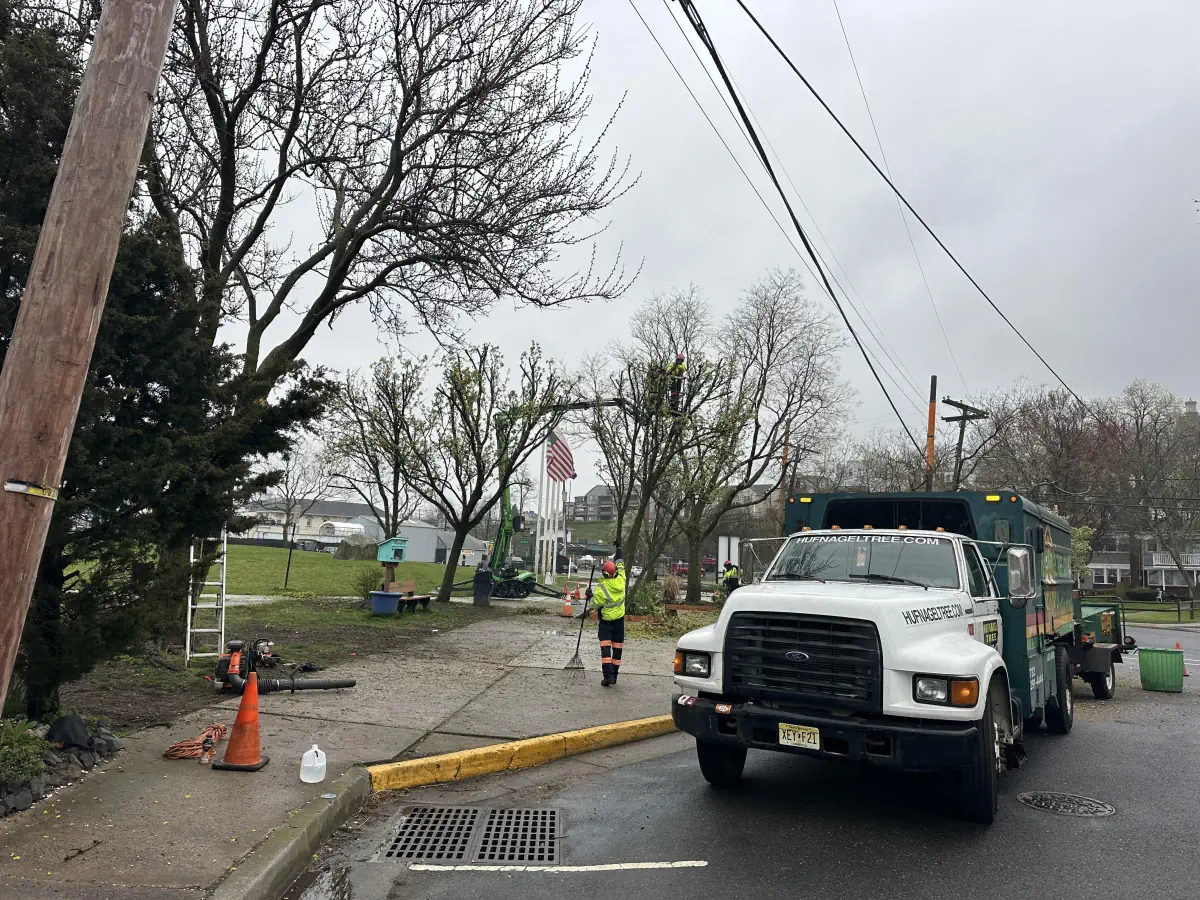
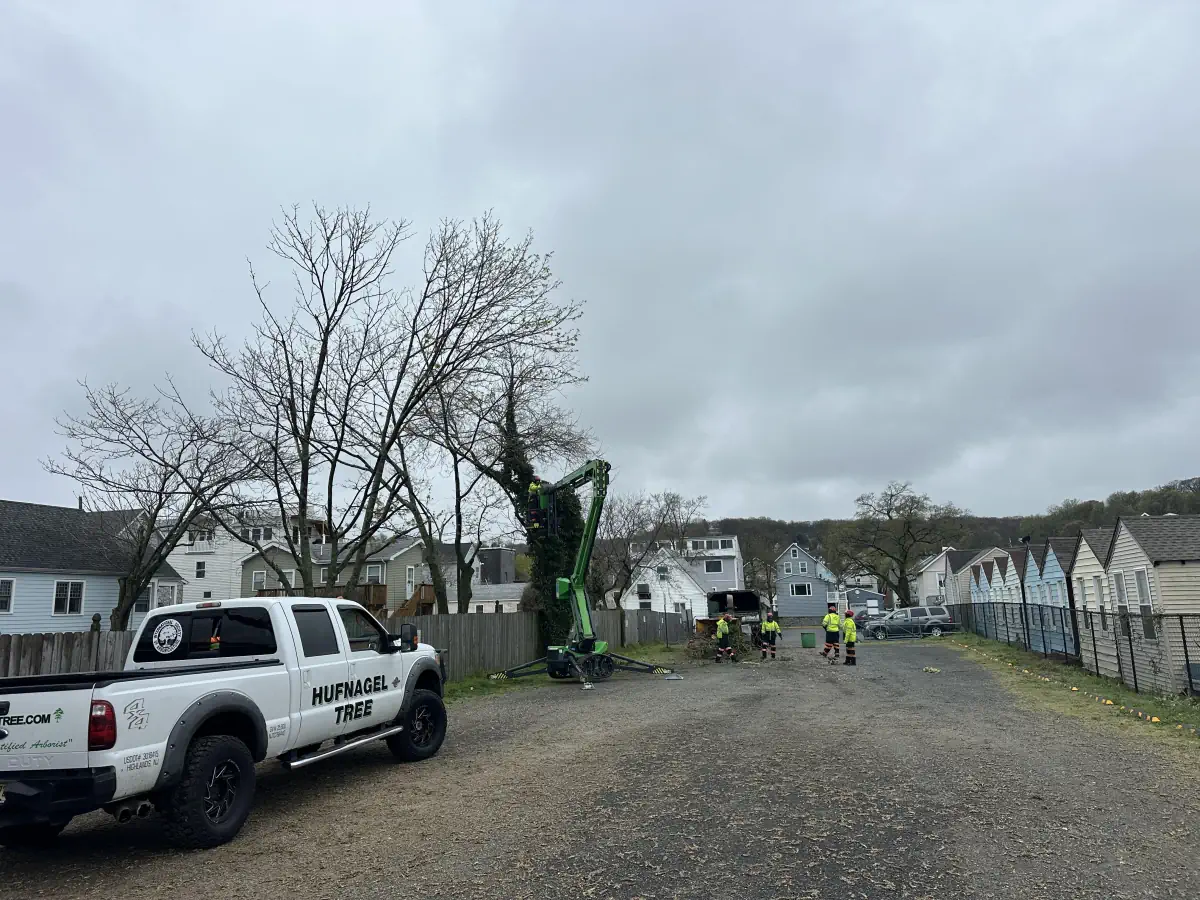
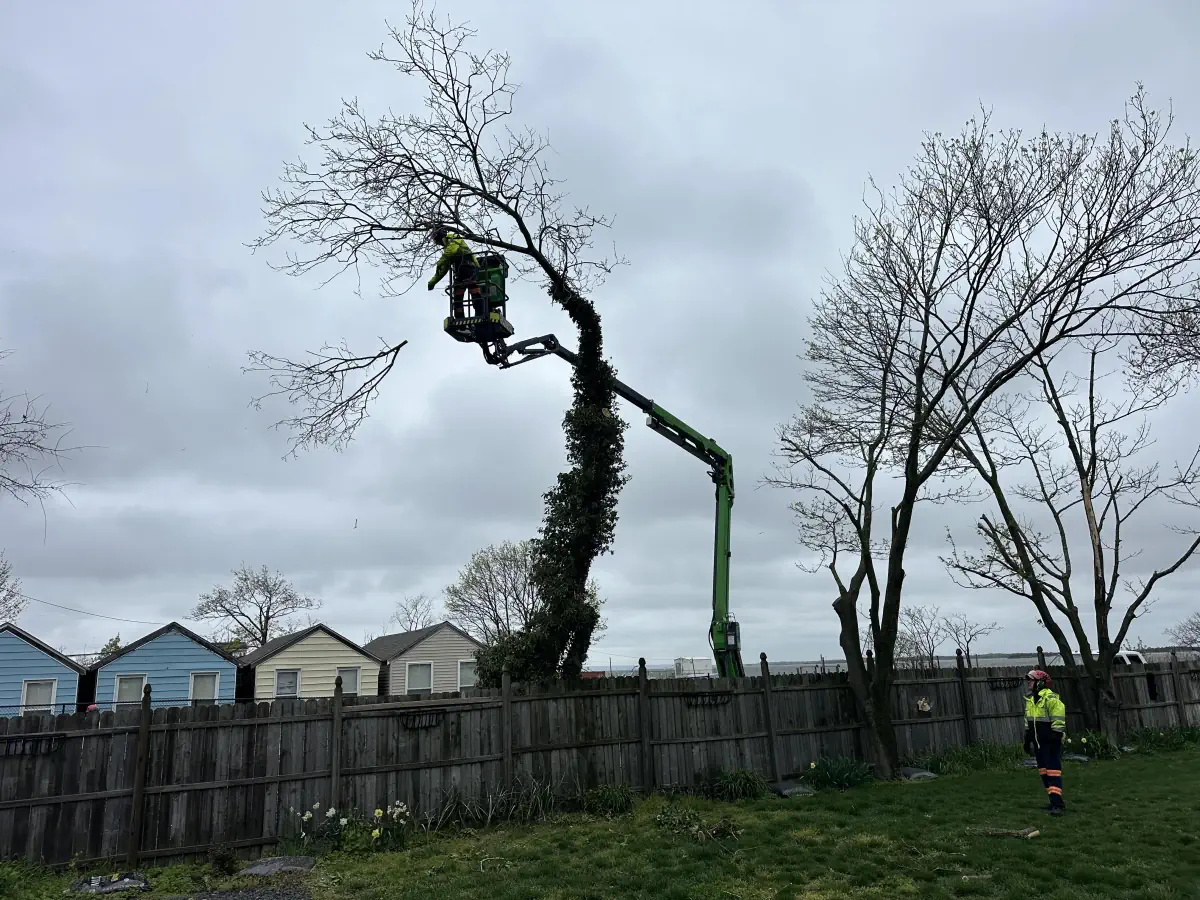
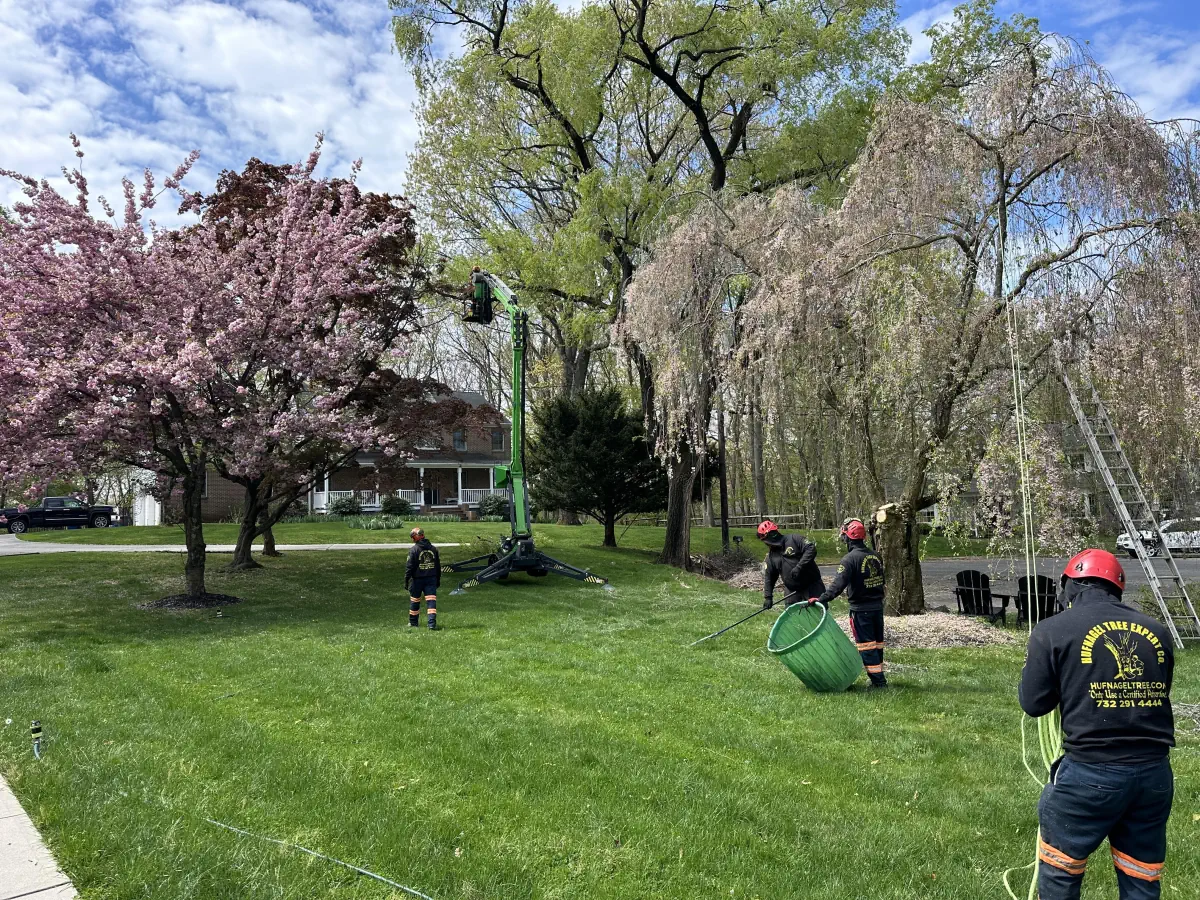
Photos from Article By Steve Sears, Patch News Website
The county’s Old Bridge Waterfront Park information shows how the township reaches the bay, while Cheesequake State Park highlights the wooded and wetland environment only a few miles inland. Those differences matter when deciding how to prepare a mature tree for winter.
The goal is not to cut every tree in fall. In fact, seasonal preparation often begins with inspection rather than pruning. We want to know what summer storms changed, which branches are structurally weak, whether roots moved in saturated soil, whether disease or dieback is present, and which trees stand over important targets. Once we understand those conditions, we can schedule the right work at the right time.
Our existing Old Bridge pruning and tree care guide describes why mature local trees need long term management rather than occasional emergency cutting. That is especially true in a township with large residential areas, wooded edges, busy road corridors, and mature trees that may have been growing near homes for decades.
Michael Hufnagel often tells homeowners, “Winter preparation is not about making a tree smaller just because cold weather is coming. It is about taking load off the right places, removing what is clearly unsafe, and leaving healthy structure alone.” That approach protects the tree as well as the property.
A sensible Old Bridge fall preparation list starts here
Inspect large trees for summer storm damage before scheduling pruning.
Remove dead or broken branches that threaten homes, driveways, and travel areas.
Check root zones for lifting soil, new lean, compaction, and drainage problems.
Identify trees that may benefit from dormant season structural pruning.
Prioritize trees near people and structures before trees in low consequence wooded areas.
Use Pruning to Solve a Specific Structural Problem
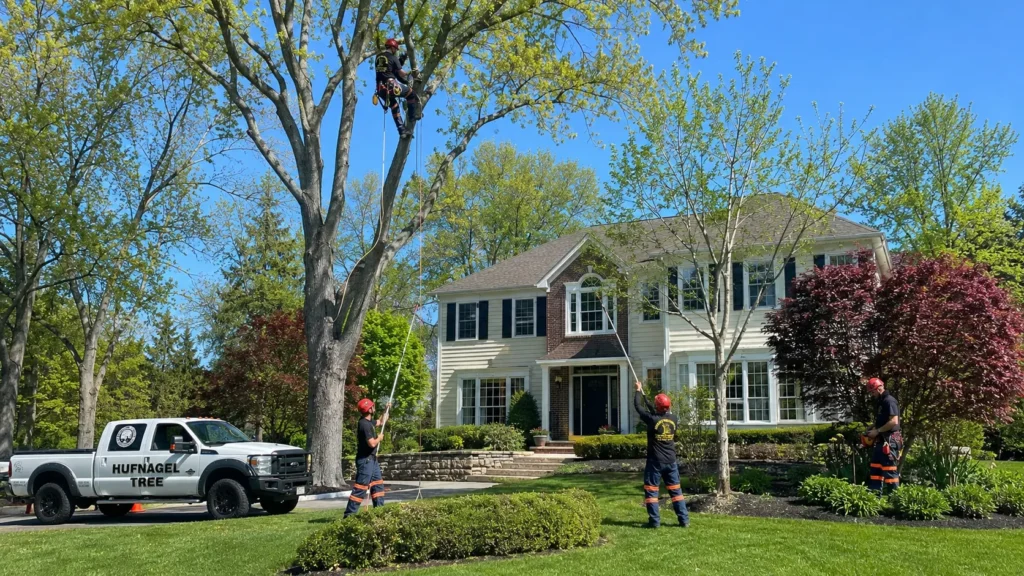
Professional tree trimming and pruning can be an important part of winter preparation, but only when the cuts have a purpose. Deadwood removal reduces the chance of dead branches falling. Structural pruning can improve branch spacing and attachment. Reduction cuts can lower leverage on selected limbs. Clearance pruning can move growth away from roofs, driveways, signs, and other structures.
The Penn State Extension guide to pruning landscape trees separates pruning objectives such as structure, risk mitigation, clearance, health, and restoration. That is useful because it prevents the common mistake of treating “tree trimming” as one generic operation. A large Old Bridge oak with a heavy horizontal limb needs a different plan than a young maple with competing leaders.
We avoid topping because it removes too much canopy without respecting natural structure. Topping can create large wounds, decay, weak sprouts, and future storm problems. A tree may look smaller immediately afterward while actually becoming more difficult and expensive to manage over time.
For trees that already suffered previous storm damage or poor pruning, tree restoration can sometimes rebuild a safer canopy over multiple visits. Restoration may include removing deadwood, reducing selected limbs, correcting weak regrowth, and monitoring how the tree responds. The objective is to preserve a valuable tree when risk can be managed responsibly.
Good winter preparation pruning should accomplish one of these goals
Remove dead, cracked, or hanging wood.
Reduce excessive leverage on a specific branch or stem.
Improve clearance from structures and frequently used areas.
Correct developing structure while retaining a healthy live crown.
Support a long term restoration plan after prior damage.
Do Not Ignore Roots, Soil, and Tree Health
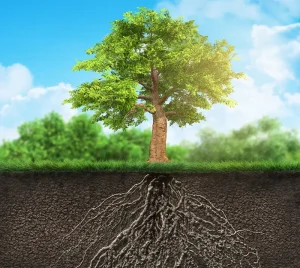
Winter resilience starts below ground. Roots need oxygen, moisture, and enough uncompacted soil to function. Construction, repeated parking, grade changes, buried root flares, trenching, and poor drainage can reduce root performance long before a tree looks obviously unsafe. Our tree health management service evaluates these conditions along with foliage, dieback, pests, disease symptoms, and overall vigor.
The New Jersey Forest Service forest health resources provide current information about diseases and pests affecting trees statewide. One example is bacterial leaf scorch in red oak group trees, which may show leaf margin scorching later in summer. Health issues do not automatically make a tree hazardous, but they can influence how much stress a tree can tolerate and how aggressively it should be pruned.
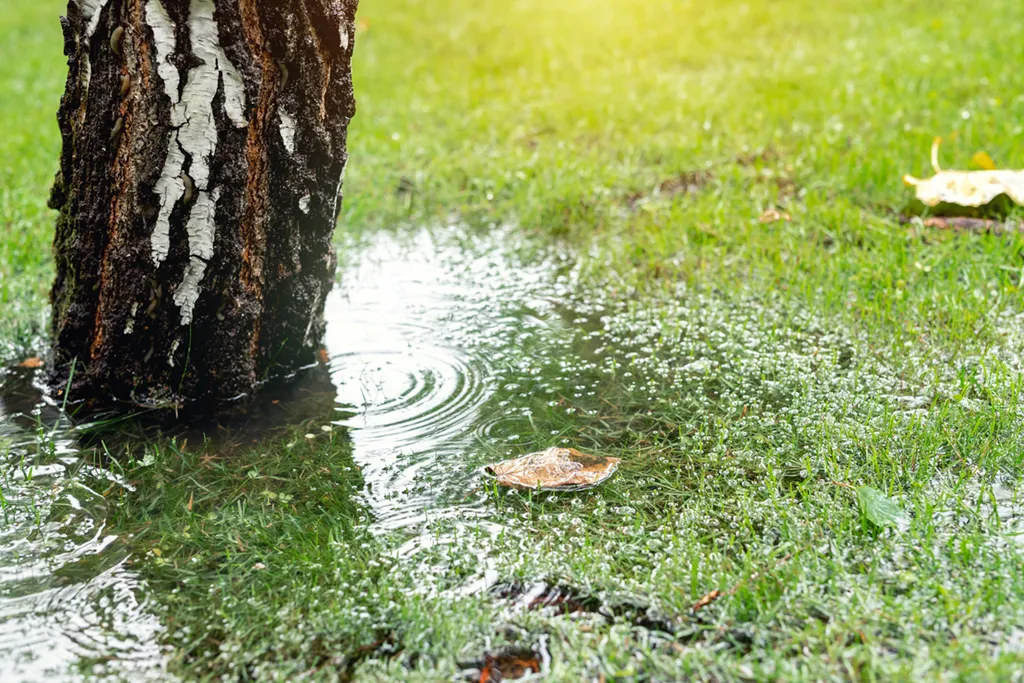
Moisture is another important factor. A wet summer followed by fall rain can leave some root zones saturated, especially in lower areas. Other sites may dry quickly because of compacted fill or limited soil volume. The correct preparation depends on the actual root environment, not a blanket rule to water more or cut more.
A tree risk evaluation combines these health and structural observations with the targets around the tree. This is especially helpful on larger Old Bridge properties where a homeowner may have dozens of trees but only a handful that present meaningful risk to the house, driveway, pool, deck, or neighboring property.
The whole tree needs to enter winter in the best condition possible
Sound roots and stable soil around the trunk base.
Healthy trunk and branch unions without active cracking.
No large deadwood hanging over important targets.
Enough live crown to support normal energy storage and recovery.
A maintenance plan based on species, age, site, and structural condition.
Storm Preparation Is Risk Reduction, Not a Guarantee
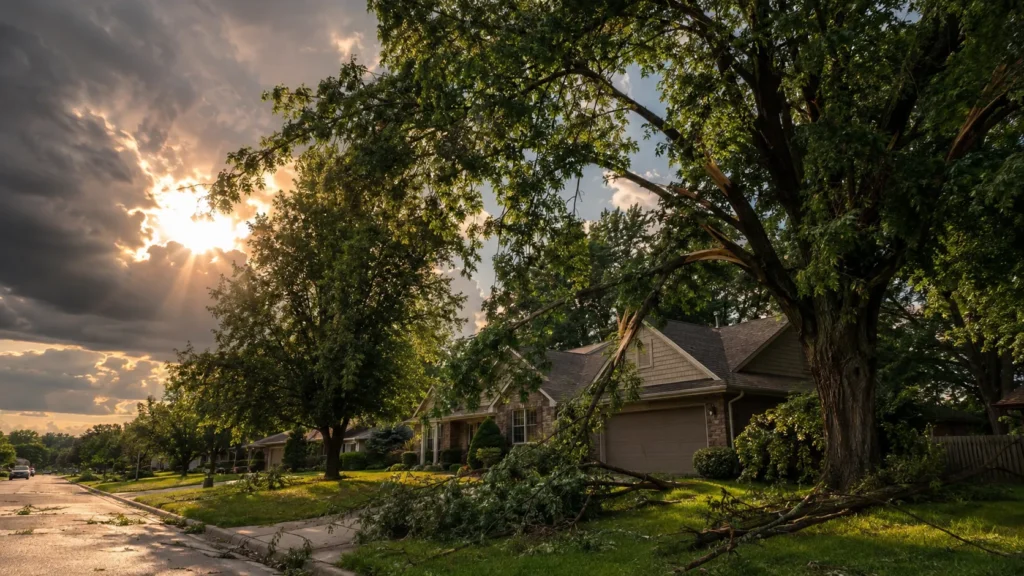
No tree service can honestly guarantee that a tree will never fail in severe weather. Our tree storm proofing service is about reducing foreseeable risk. We identify defects, improve structure where possible, remove clearly unsafe material, and help property owners decide which trees need monitoring or additional work.
The International Society of Arboriculture tree risk resources also emphasize prevention and professional assessment before and after storms. New Jersey’s post storm tree hazard guidance further warns homeowners about the danger of large tree work, especially around damaged limbs and utilities. Planning in fall is safer than improvising during a winter emergency.
Before the first major winter storm, make sure you know
Which trees on the property have the highest consequences if they fail.
Which branches are already dead, cracked, hanging, or poorly attached.
Whether any large tree changed lean or root position during summer storms.
What pruning should happen now and what can wait for dormant season.
Who to call if a tree problem develops near the home or utility service.
Use Fall to Build a Winter Work Plan Instead of Doing Everything at Once
A mature Old Bridge property may have more tree work than should be completed in one visit or one season. Fall preparation is therefore a planning exercise as much as a maintenance visit. Immediate hazards can be handled first. Structural pruning that benefits from dormant timing can be scheduled later. Lower priority health or restoration work can be staged so the tree is not subjected to unnecessary stress from too much canopy removal at once.
This staged approach is consistent with good arboriculture. The ISA tree owner resources emphasize mature tree care, risk assessment, proper pruning, and long term management rather than quick cosmetic cutting. A tree that has taken decades to reach its current size deserves decisions based on years, not just the next storm forecast.
For homeowners, a written or clearly explained priority list is valuable. You should know which issue is urgent, which work is preventive, which trees should be monitored, and which pruning can wait. That makes budgeting easier and prevents every recommendation from feeling like an emergency. It also gives the arborist a baseline to compare against during future inspections.
Schedule Old Bridge Fall and Winter Tree Preparation
Hufnagel Tree Service brings almost 30 years of regional experience, certified arborist oversight, and more than 280+ 5-Star Reviews on Google Maps. If you want to prepare your Old Bridge trees for fall and winter with inspection, pruning, restoration, or risk reduction based on actual conditions, call (732) 291-4444 for a consultation.
Schedule Service Now!
From precision pruning and safe removals to health assessments and preventative care, Hufnagel Tree Service delivers expert solutions backed by decades of experience. We offer certified insight, fair pricing, and a commitment to doing what’s best for your landscape.
We Could Not Find A Direct Link To A Tree Removal Permit Application For The Town You Selected.
Please contact your local municipality to determine if a permit is required for your tree removal project. They will provide you with the most accurate and up-to-date information.