Contents
Fair Haven Tree Inspection After a Rough Summer
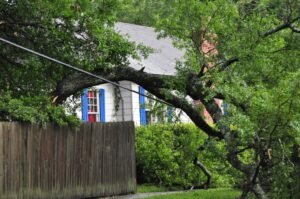
Fair Haven homeowners have had plenty of reasons to look up this summer. Mature trees along River Road, through the Old Village, near the Navesink River, around Ridge Road, and beside the wooded edges of Fair Haven Fields have carried a full season of heat, humidity, thunderstorms, heavy rain, lightning, and wind. On August 7, the National Weather Service included Fair Haven in marine storm warnings as strong thunderstorms moved through the coastal waters and Two Rivers area with frequent lightning and wind gusts up to 40 knots. A tree does not have to fall during the storm to come out of that weather changed.
That is why late August and early fall are a smart time for a professional tree inspection in Fair Haven. The obvious damage usually gets cleaned up first. The large branch in the driveway is easy to see. The more important problem may be a cracked union twenty feet higher, a root plate that shifted slightly in wet ground, a lightning injury that did not immediately kill the canopy, or decay hidden behind bark and vines. Our job is to find the conditions that are easy to miss from the patio or front walk.
Fair Haven also has the kind of landscape where tree condition matters. The Borough describes the Fair Haven Fields Natural Area as mostly wooded open space, while the Old Village and Historic District preserve a much older residential pattern closer to River Road and the Navesink. On private properties, that often means mature oaks, maples, tulip poplars, sycamores, cherries, hollies, and evergreens growing close to homes, detached garages, driveways, pools, fences, sidewalks, neighboring yards, and utility service lines.
Michael Hufnagel tells homeowners, “The storm is over when the rain stops, but the tree may still be carrying the damage. Late summer is when we can see what changed before fall wind and heavier weather put that weak spot under load again.” With more than 25 years of hands on Monmouth County experience, we use tree risk evaluation to separate a tree that looks concerning from a tree that actually needs corrective work.
Hidden Summer Damage We Look For in Fair Haven Trees
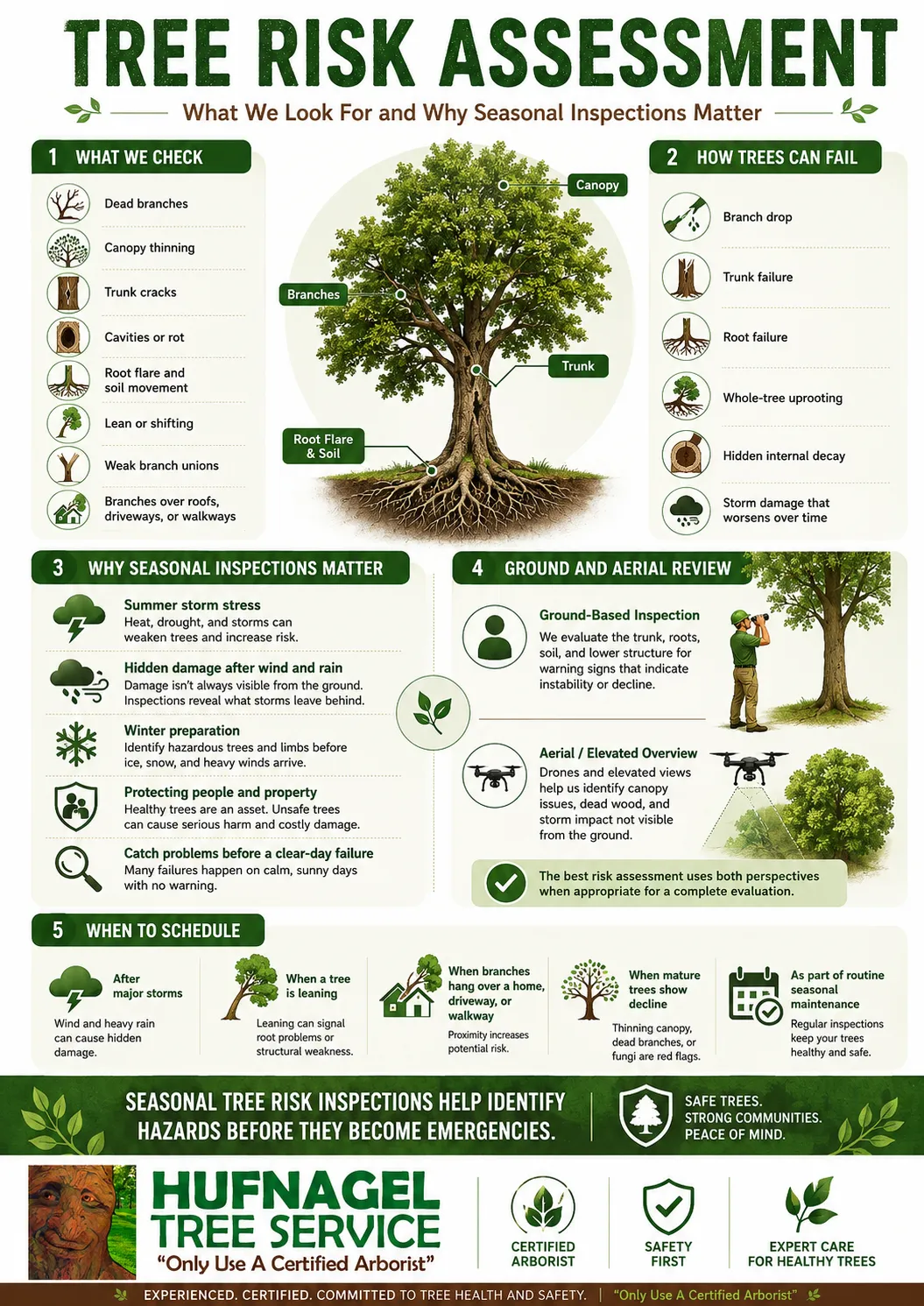
Tree inspection starts with the whole site, not just one suspicious branch. We look at the root flare, soil condition, trunk, major unions, crown balance, deadwood, old wounds, nearby targets, and the tree’s recent history. The International Society of Arboriculture Tree Risk Assessment BMP treats tree risk as a combination of the tree, the site, weather, likelihood of failure, likelihood of impact, and the consequence if a failure occurs. That is the same practical question homeowners care about: what could fail, where could it land, and what can we do about it?
Rot is one of the biggest reasons an inspection matters after a rough season. A tree can be green and still have internal decay around the base, inside a trunk cavity, behind an old pruning wound, or at a major limb attachment. Our guide to hidden tree rot explains why outward appearance is not enough. The U.S. Forest Service also identifies cavities, fungal fruiting bodies, open cracks, bulges, and decayed wood as important defect indicators in urban tree risk management.
Roots deserve the same attention. Saturated soil can reduce anchorage, especially when roots were already restricted, cut, compacted, decayed, or buried. We inspect for fresh soil cracking, lifting, mounding, exposed roots, changes in lean, and movement around the root plate. Our article on weak tree roots and failure prevention goes deeper into why a healthy looking crown does not always tell you how well a mature tree is anchored.
Summer lightning can add another layer of uncertainty. Some strikes tear bark and split wood immediately. Others injure the trunk, roots, or crown with less dramatic outward damage. We have seen trees stay green after the electrical event while internal injury progresses. Our lightning damaged tree guide explains what we watch for, including delayed crown thinning, bark separation, cracking, root injury, and sections of foliage that begin to discolor after the storm.
Multi stem trees are another common concern. Two large leaders can stand together for decades and still have a weak union between them. If included bark, a crack, decay, or repeated wind loading is present, that junction can become a failure point. The Forest Service notes that cracks associated with forks or decay can signal serious structural weakness. In Fair Haven yards where mature trees hang over roofs, outdoor living areas, driveways, and neighboring property, that is exactly the kind of hidden defect we want to find early.
What Our End of Summer Inspection Looks For
- Dead, broken, hanging, or recently lowered branches in the canopy
- Fresh cracks, splits, open seams, weak unions, and multi stem separation
- Cavities, mushrooms, soft wood, loose bark, and other decay indicators
- New lean, root plate movement, soil cracking, exposed roots, or drainage stress
- Lightning scars, delayed discoloration, thinning foliage, and abnormal dieback
Finding one of these signs does not automatically mean tree removal. It means the tree deserves a professional decision instead of a guess, which is where risk mitigation becomes valuable.
Tree Risk Mitigation Can Often Preserve the Right Tree
A good tree inspection should not be a sales pitch for removal. Many Fair Haven trees can be made safer with targeted work. The answer may be deadwood removal, reduction of an overextended limb, restoration after storm damage, improved clearance, selective structural pruning, or a monitoring plan. Our professional tree pruning service is built around making cuts for a reason, not stripping a mature canopy because it looks large.
Reduction pruning can be especially useful when a long limb is carrying too much end weight over a roof, driveway, patio, or pool. Selective cuts can reduce leverage while keeping much of the branch and the tree’s natural form. Our detailed guide to professional tree pruning in Monmouth County explains why thoughtful pruning supports structure and storm resilience better than topping or random interior thinning.
Some trees need restoration over more than one visit. A mature tree that has been neglected, damaged in several storms, or improperly pruned in the past may benefit from staged correction instead of one aggressive cutback. We may remove deadwood now, reduce a specific hazard, then recheck the tree after a growing season. The goal is to improve safety while preserving the shade, privacy, appearance, and property character that a valuable mature tree provides.
Risk mitigation can also mean changing the target instead of making a major cut. A homeowner may temporarily move a play area, parking space, seating area, or stored equipment until a defect is corrected. That is part of real tree risk assessment, because risk is not just about the probability of failure. It is also about what is underneath the tree and how often that area is occupied.
Michael Hufnagel puts it simply: “If I can make a good tree safer without taking it down, that is usually the better answer. But I am not going to tell somebody a cracked, decayed tree over a bedroom is fine just because it still has leaves.” That balance between preservation and safety is the reason a certified arborist inspection should come before major tree work.
When Remediation May Be the Better Answer
- Remove deadwood or a broken hanger instead of removing the entire tree
- Reduce overextended limbs that create excessive leverage over a target
- Correct storm damage while preserving healthy trunk and root structure
- Monitor stable defects that do not currently create unacceptable risk
- Reinspect mature trees after major storms or visible structural changes
When mitigation cannot reasonably reduce the risk, controlled removal becomes the safer and usually less expensive choice compared with emergency failure.
When Tree Removal and Fair Haven Permits Enter the Conversation
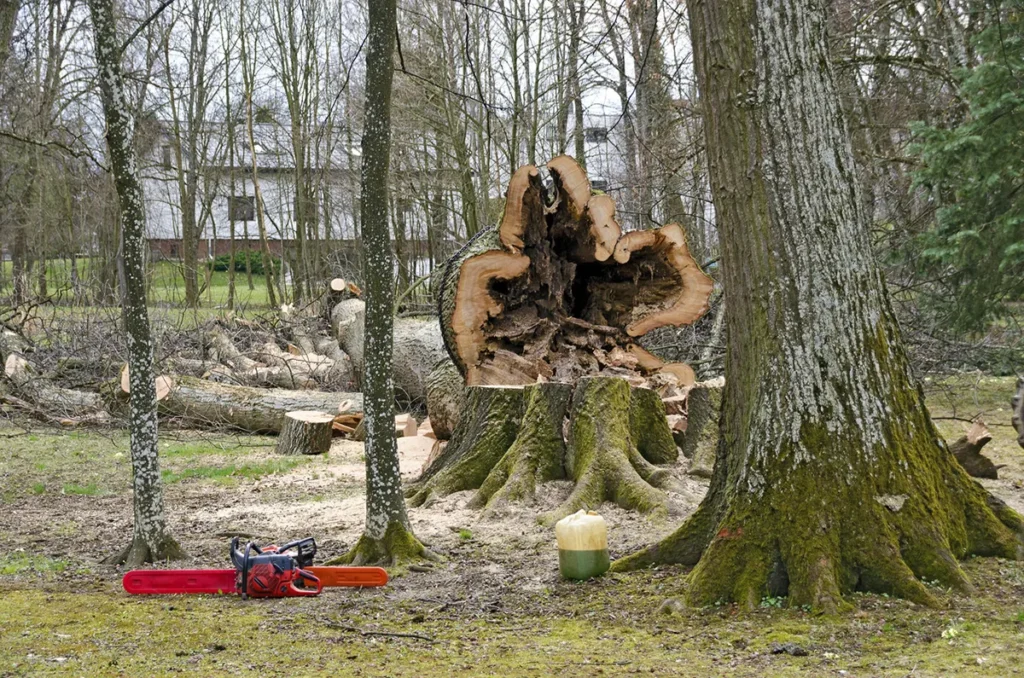
Removal becomes appropriate when the defect is too severe to manage. Advanced decay at the base, major root instability, a new dangerous lean, catastrophic trunk cracking, extensive crown death, severe lightning damage, or a failing multi stem union can all move a tree from maintenance into removal. Our tree removal service focuses on controlled dismantling, property protection, cleanup, and a clear explanation of why the tree should come down.
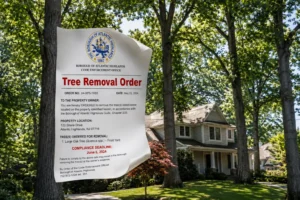
Fair Haven homeowners also need to think about Borough requirements before cutting. Under the Borough’s current tree preservation and removal code, many non street trees with a diameter of six inches or more require a tree removal permit, and smaller street trees are also regulated. The Borough provides a tree removal and replacement information page for applications and ordinance information. Emergency provisions exist for genuinely hazardous conditions, but documentation and follow up requirements still matter.
This is where using an experienced tree company saves time. We can help a homeowner interpret what the tree is showing, explain whether the condition looks correctable or removal level, identify the information a municipality may need, and help organize the tree condition portion of the process. We do not replace the Borough’s decision, but we can make sure the homeowner is not trying to describe root plate instability, codominant cracking, or internal decay with no professional context.
New Jersey also regulates who may provide tree care professionally. The New Jersey Board of Tree Experts tells consumers to verify that tree care businesses are properly registered and insured, and Rutgers recommends qualified professionals for large tree pruning and removal because of the hazards involved. The Rutgers NJAES guide to hiring a tree care professional is a useful homeowner resource when comparing estimates.
The practical advantage is that inspection, mitigation, removal planning, and permit assistance can all come from one local team. We know Fair Haven’s tight residential lots, waterfront exposure, older shade trees, and the challenge of working around carefully maintained homes and landscapes. That experience also extends immediately into Rumson, Little Silver, Red Bank, Shrewsbury, Navesink, and the rest of the Two Rivers area.
What Homeowners Gain by Calling Before the Next Storm
- A certified arborist opinion on whether the tree can be preserved safely
- Clear identification of rot, cracking, root problems, lean, or storm damage
- A practical plan for pruning, restoration, monitoring, or removal
- Help understanding local tree removal requirements when permits are involved
- Competitive pricing from an experienced local crew with hundreds of five star reviews
The sooner we evaluate a questionable tree, the more options a homeowner usually has and the less likely the next storm becomes an emergency call.
Schedule a Fair Haven Tree Inspection With Hufnagel Tree Service
If a tree in Fair Haven is leaning differently, dropping branches, showing discoloration, hiding cavities behind vines, carrying a cracked multi stem union, or simply does not look the same after this summer, call us. We provide certified arborist inspections, end of summer tree checks, pruning, restoration, risk mitigation, and safe removal with recommendations based on the actual condition of the tree.
Hufnagel Tree Service brings more than 25 years of hands on experience to Fair Haven and surrounding communities. We have worked throughout the Two Rivers area around Rumson, Little Silver, Red Bank, Shrewsbury, Navesink, and nearby Monmouth County neighborhoods. Our reputation is backed by hundreds of five star Google reviews, competitive prices, responsive service, careful cleanup, and arborists who explain what they see before recommending what should happen next.
Call (732) 291-4444 to schedule a Fair Haven tree inspection before fall weather puts this summer’s hidden damage to the test.
Schedule Service Now!
From precision pruning and safe removals to health assessments and preventative care, Hufnagel Tree Service delivers expert solutions backed by decades of experience. We offer certified insight, fair pricing, and a commitment to doing what’s best for your landscape.
Learn More About Our Services
Related Articles
Tree Risk Evaluation in Colts Neck, NJ