Tree Risk Assessment: Which Trees Are Safe and Which Need Help

Tree risk assessment helps homeowners identify hazardous trees, weak limbs, decay, storm damage, leaning trunks, and structural defects before they cause property damage or safety problems.
Share This Article

Contents

A Tree Risk Assessment Helps Homeowners Make Safer Decisions

Tree risk assessment in Monmouth County NJ is one of the most important services a homeowner can request when a tree looks questionable, damaged, dead, leaning, cracked, hollow, or too close to the house. A tree does not have to fall to become a serious problem. Large limbs, weak trunks, root damage, decay, and poor structure can all create risk long before the entire tree fails.

As certified arborists, we evaluate trees with both safety and tree health in mind. Not every concerning tree needs to be removed. Some trees can be pruned, reduced, supported, monitored, or restored. Other trees are too compromised and should come down before they cause damage. The value of a professional tree risk assessment is knowing the difference.

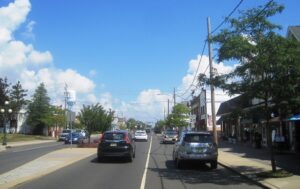
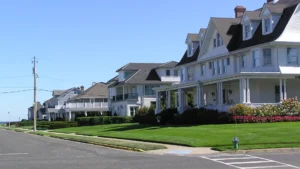
Monmouth County properties have many different tree risk factors. Older neighborhoods often have mature oaks, maples, sycamores, tulip poplars, and beeches that have grown near homes for decades. Coastal areas face wind, salt exposure, and storm pressure. Properties near slopes, water, or poor drainage may have root stress. Tight residential lots may leave very little room for failure if a large limb breaks.

Michael Hufnagel explains it this way: “A dangerous tree usually gives signs before it fails. The problem is that most homeowners do not know which signs matter and which ones are normal.” That is exactly why tree risk assessment matters. It turns uncertainty into a clear plan.

At Hufnagel Tree Service, we inspect the tree, the site, and the potential target area. A defect matters more when it points toward a house, garage, driveway, walkway, pool, fence, or play area. Tree risk is not just about whether a tree has a problem. It is about what could happen if that problem gets worse.

What a Certified Arborist Looks for During a Tree Risk Assessment

Check Your Trees

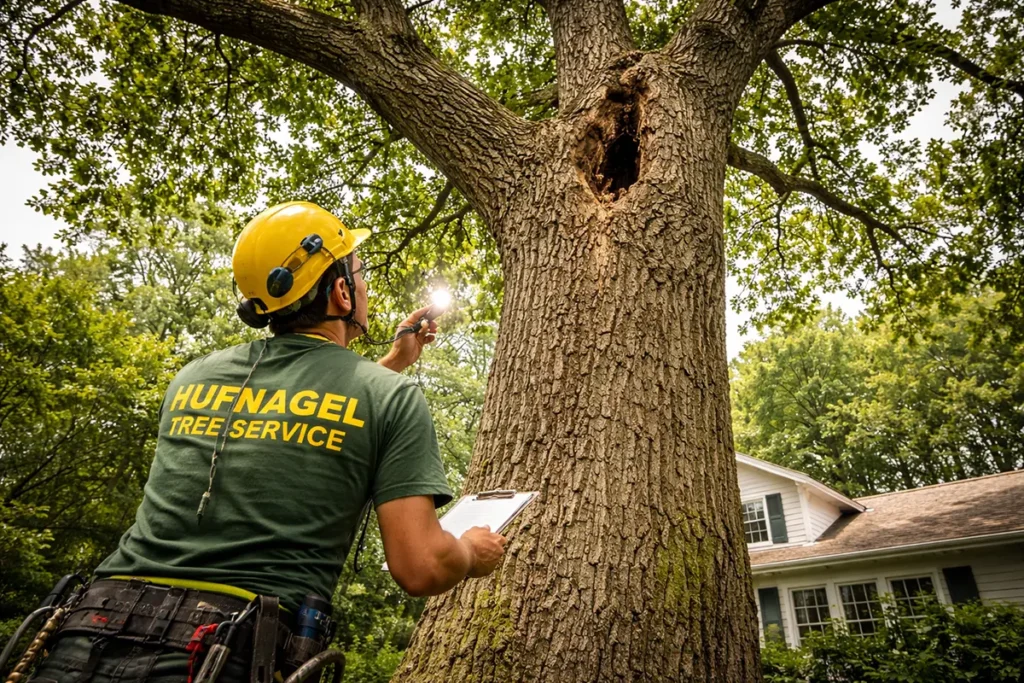
A professional tree risk assessment starts with observation. We look at the tree from the ground, the surrounding property, and the direction of possible failure. We examine the trunk, limbs, canopy, root flare, soil area, lean, wounds, cracks, cavities, decay signs, deadwood, fungal growth, and past storm damage.

One of the first things we look for is dead or declining wood. Dead limbs can fall even when the rest of the tree appears alive. In large shade trees, deadwood high in the canopy can be hard for a homeowner to judge from the ground. What looks like a small branch may be large enough to damage a roof, car, deck, or person underneath.

We also look for cracks and splits. A vertical crack in the trunk, a separation where two stems meet, or a split limb can signal serious weakness. Tight branch unions are another concern. When two large stems grow closely together with included bark between them, the attachment may be weaker than it looks. These unions can split during wind, snow, or heavy rain.

Decay is another major factor. Cavities, soft wood, fungal conks, old wounds, and hollow areas can all suggest internal weakness. A tree can stand for years with decay, but that does not mean it is safe. The question is how much sound wood remains and where the weakness is located. Decay at the base or major branch unions can be more serious than decay in a smaller outer limb.

Root issues can be harder to see, but they are often critical. Soil heaving, exposed damaged roots, construction injury, poor drainage, trenching, grade changes, and root rot can weaken tree stability. A tree with root problems may look green in the canopy until wind exposes the failure.

The Warning Signs We Do Not Ignore During an Inspection

  • Large dead limbs in the upper canopy
  • Cracks, splits, or open seams in the trunk or major limbs
  • Mushrooms or fungal growth near the base of the tree
  • A sudden lean or soil lifting around the root area
  • Large branches over homes, driveways, patios, or play areas

These signs do not always mean immediate removal, but they do mean the tree deserves professional attention.
Why Storms Make Tree Risk More Serious in Monmouth County

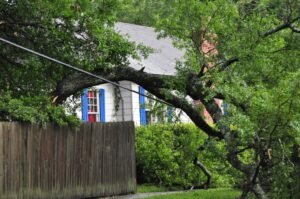
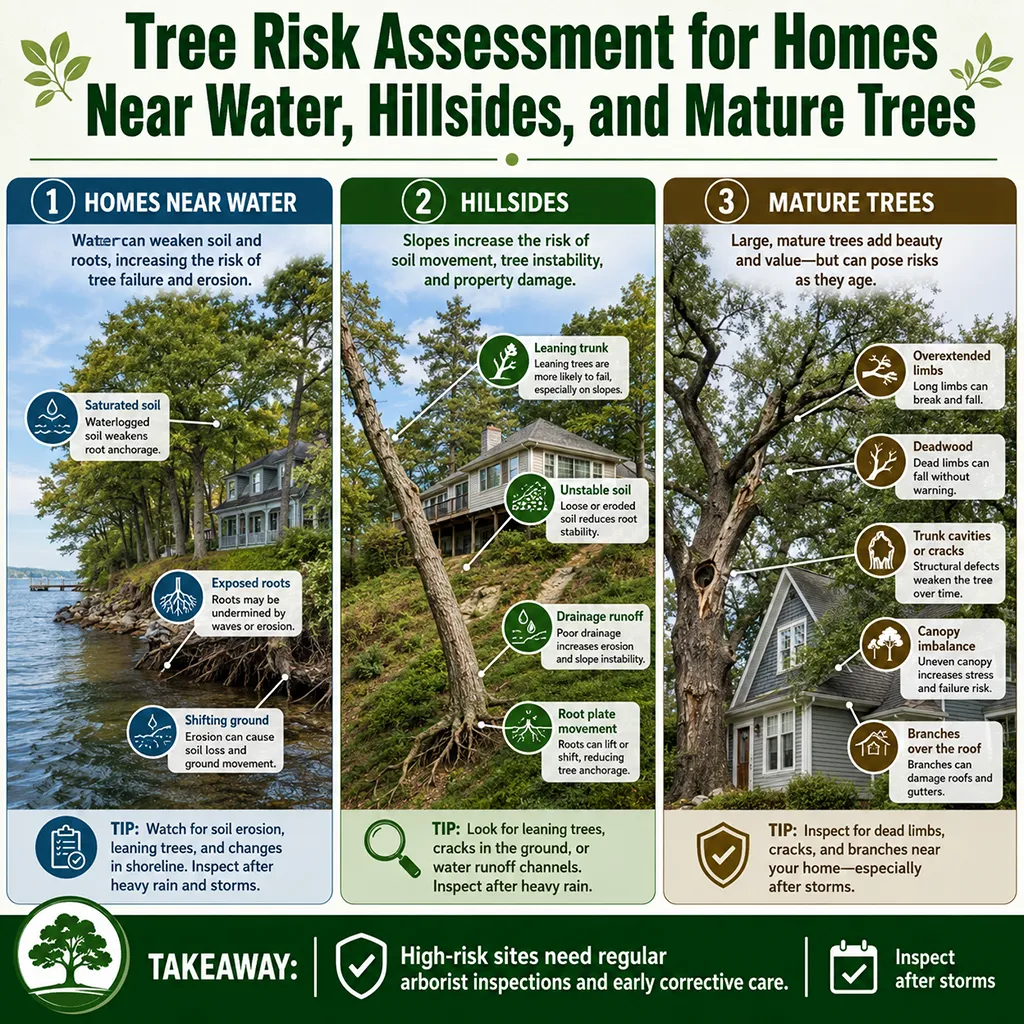
Tree risk becomes more serious when weather pressure increases. In Monmouth County, trees face thunderstorms, high wind, coastal storms, nor’easters, heavy rain, saturated soil, and winter snow or ice. A defect that seems minor on a calm day can become a major problem when the ground is wet and the canopy is being pushed by wind.

Wind does not affect every tree the same way. A dense canopy may catch more force. A tree with heavy limbs on one side may twist under pressure. A tree growing near open water or an exposed street may get hit harder than one protected by nearby structures. Trees that have been over-pruned or topped may also respond poorly because weak regrowth can snap more easily.

Heavy rain adds another layer of concern. Saturated soil can reduce root stability, especially where drainage is poor or soil has been compacted. If a tree already has root damage, decay, or a lean, wet soil can make failure more likely. This is why some trees fall after storms even when the wind did not seem extreme.

Snow and ice create a different kind of load. Branches that normally hold their own weight may fail when coated with wet snow or ice. Evergreens and ornamental trees can bend, split, or lose limbs if they have poor structure or have not been maintained properly. Multi-stem trees and tight branch unions are especially vulnerable.

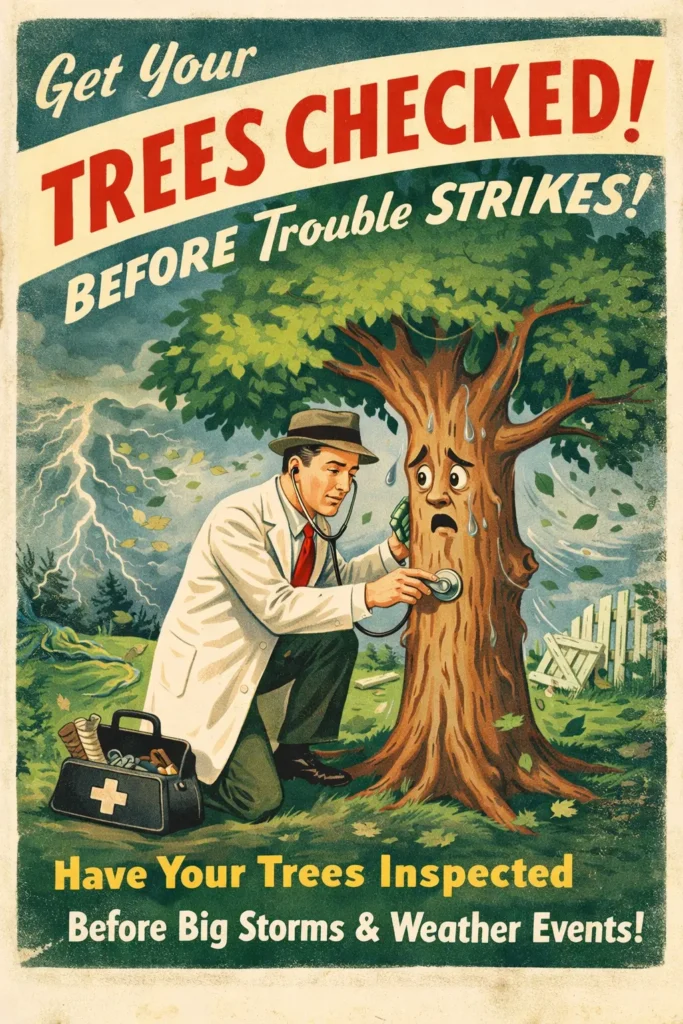
Michael Hufnagel says, “Storm cleanup is what people see after the fact. Tree risk assessment is how we try to prevent the worst of that damage before it happens.” That is the service-first mindset homeowners should have before storm season, not after branches are already on the roof.

Tree Risk Assessment Can Help Decide Between Pruning, Monitoring, and Removal

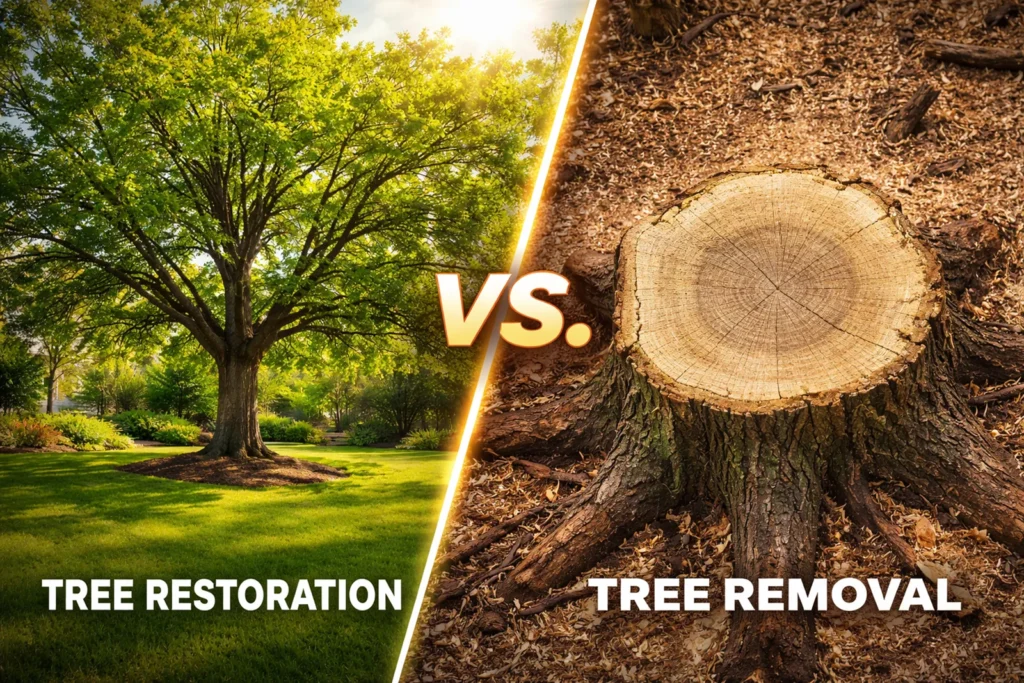
Tree Preservation and Restoration Vs. Removal

One of the most useful parts of tree risk assessment is that it gives homeowners options. A tree that looks scary may not always need removal. A tree that looks healthy may have a hidden defect that makes removal the safest choice. The inspection helps determine the right path.

If the main issue is deadwood, selective pruning may be enough. If a limb is overextended above a roof, reduction pruning may lower risk while preserving the tree. If a young tree has poor structure, corrective pruning may improve its future strength. If an ornamental tree is crowded or rubbing, careful pruning may solve the problem without harsh cutting.

Monitoring may be appropriate when a tree has a concern that is not urgent but should be watched. Some older trees have cavities, past wounds, or minor lean that remain stable for years. In those cases, periodic inspection can help track changes. The key is knowing what to monitor and when to act.

Removal becomes the better choice when the tree has severe decay, major structural failure, dangerous lean, serious root instability, large dead sections, or defects that cannot be corrected safely. No one likes removing a mature tree, but waiting too long can be far more costly. A controlled removal is almost always safer and less damaging than an uncontrolled failure.

At Hufnagel Tree Service, we do not recommend removal just because a tree is large. Large does not automatically mean dangerous. We recommend removal when the condition of the tree, the location, and the risk level make preservation unreasonable.

The Location of the Tree Matters as Much as the Condition

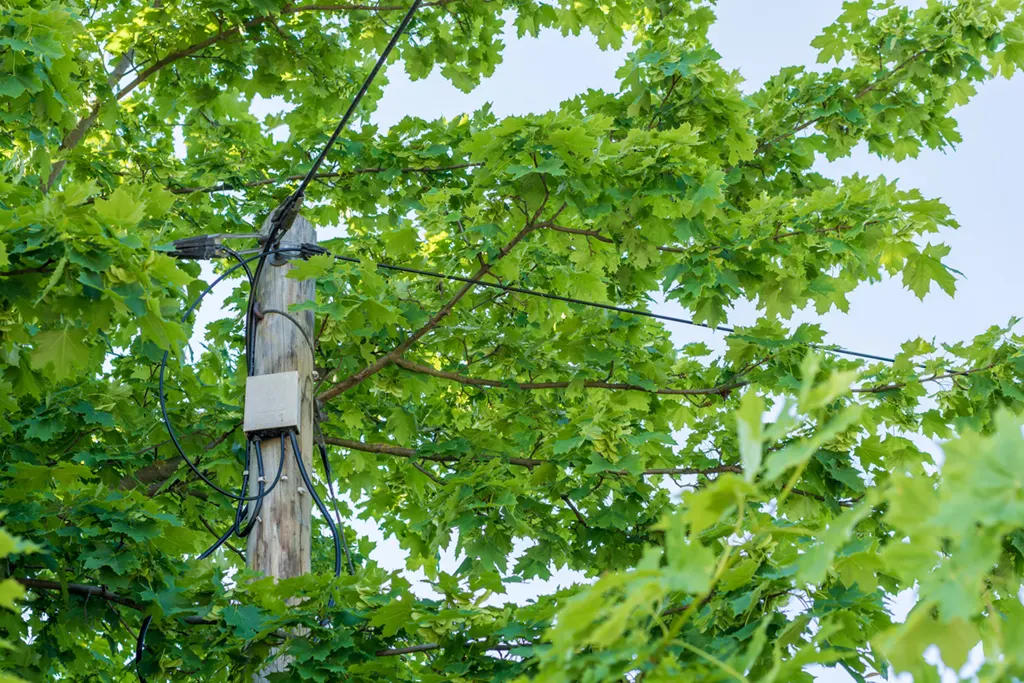
Tree Overgrowth

A tree risk assessment is not only about the tree itself. It is also about where the tree is growing. A declining tree in the back corner of a large wooded lot may carry a different risk level than the same tree leaning over a bedroom, garage, driveway, or children’s play area.

Target areas matter. If a limb fails, what is underneath it? If the trunk falls, where is it likely to land? Is there a house, car, fence, pool, patio, shed, sidewalk, service line, or neighbor’s property in the path? The same defect becomes more serious when people or structures are nearby.

In tight neighborhoods, there is often less margin for error. Trees may grow close to roofs, shared property lines, narrow driveways, power service drops, and backyard living spaces. A large limb failure can affect more than one property. This is why homeowners should not wait until a tree is obviously failing before calling a certified arborist.

Waterfront and near-water properties can bring additional concerns. Wind exposure, shifting soil, salt stress, and high moisture can all affect tree condition. Hillside properties or areas with drainage changes may also need extra attention because root stability can be affected by erosion or water movement.

Michael Hufnagel often reminds homeowners, “Risk is about condition and location together. A weak tree in the wrong spot is the one that keeps me up at night.” That is why professional evaluation is more useful than guessing from the ground.

The Property Details That Change the Risk Level

  • The tree leans toward a house, garage, driveway, or walkway
  • Large limbs hang over places where people gather
  • The tree is close to a neighboring property
  • Soil stays wet or washes away near the root zone
  • Past storms have already damaged the tree

These details help determine whether pruning, removal, or continued monitoring makes the most sense.

Common Trees That Often Need Risk Review

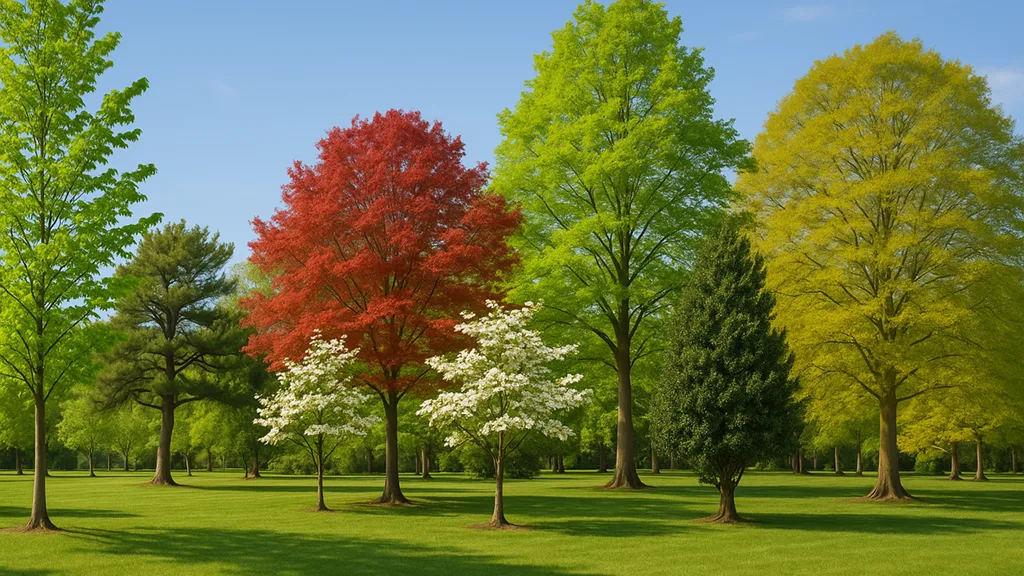
Trees Native NJ

Many common trees in Monmouth County can become hazardous when they age, decline, or grow with poor structure. Oaks, maples, sycamores, ash, tulip poplars, cherries, ornamental pears, pines, spruces, hollies, and large evergreens can all develop risk concerns under the right conditions.

Oaks are strong trees, but large dead limbs can become serious hazards because of their weight. Maples often develop included bark, weak unions, or decay pockets, especially where old cuts were made incorrectly. Sycamores can shed limbs and may need monitoring when mature. Tulip poplars can grow tall and fast, creating concern near homes when structure is poor.

Ornamental pears are known for weak branching and splitting. They may look full and attractive until a storm exposes their poor structure. Cherries, dogwoods, and magnolias can also suffer from poor pruning, disease stress, or decay when wounds are not managed properly. Evergreens may lean, split, or decline after root stress, heavy snow, or salt exposure.

Ash trees remain a concern in many areas because decline can progress quickly when pests or disease are involved. Dead or dying ash trees can become brittle and dangerous to work around. The longer they stand after decline, the more difficult and risky removal may become.

Every species has its own warning signs. That is why a certified arborist does not inspect all trees the same way. We look at the species, the structure, the site, and the likely failure pattern.

Why DIY Tree Risk Judgments Can Be Misleading

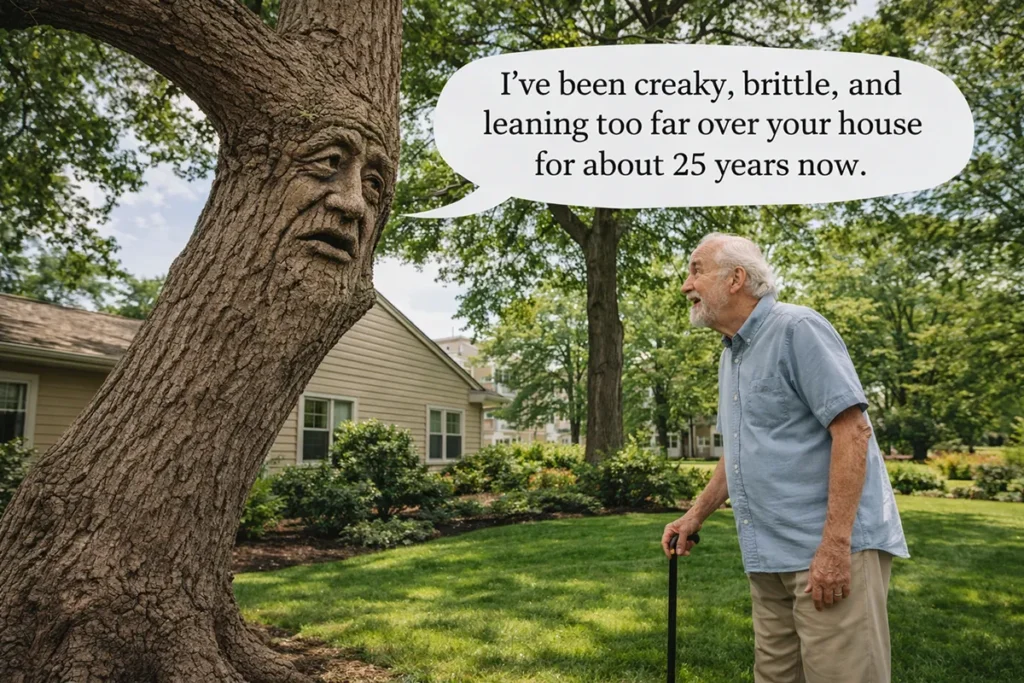
What Did The Old Tree Say To The Old Man?

Homeowners are often right to notice when something looks wrong, but it is easy to misread the severity of a tree issue. Some defects look dramatic but are manageable. Other defects look minor but are serious. That is why guessing can lead to either unnecessary removal or dangerous delay.

For example, moss or lichen on bark does not automatically mean a tree is dying. A hollow area does not always mean immediate failure. A lean may be normal if the tree has grown that way for many years. On the other hand, a fresh crack, sudden lean, root plate movement, or fungal growth near the base may be urgent even if the canopy still looks green.

Another problem is that many serious defects are above eye level. A homeowner may not see a split union, hanging broken limb, or decayed attachment high in the canopy. From the ground, the tree may look normal. During wind, that hidden weakness may become the point of failure.

DIY cutting can also make the situation worse. Removing the wrong limb from a stressed tree can change the weight balance. Cutting a cracked or tension-loaded branch without proper equipment can be dangerous. Trying to remove a hazardous tree without training can cause serious injury or property damage.

Michael Hufnagel says, “The most dangerous tree work usually starts with someone thinking it will be simple.” Tree risk assessment helps prevent that mistake by putting trained eyes on the problem first.

Tree Risk Assessment Is Preventive Tree Care

Tree Risk Evaluation

A tree risk assessment is not only for emergencies. It is a smart preventive service for homeowners who want to protect their property. The best time to inspect a tree is before storm season, before major landscape work, after visible damage, or when a mature tree begins to show changes.

If you have large trees near your home, routine evaluation is a practical part of property maintenance. Roofs, gutters, driveways, fences, and pools all receive regular attention. Trees should too, especially when they are large enough to cause damage if they fail.

Tree risk assessment can also help with planning. If a tree needs pruning, it is better to know before branches become too heavy. If a tree needs removal, it is better to schedule controlled work before emergency conditions arrive. If a tree can be preserved, it is better to protect it early instead of waiting until decline is advanced.

At Hufnagel Tree Service, our goal is to give homeowners clear, honest guidance. We explain what we see, what it means, and what options make sense. Sometimes the answer is pruning. Sometimes it is removal. Sometimes it is monitoring. The point is to make the decision based on experience, not fear or guesswork.

Call Hufnagel Tree Service for a Certified Tree Risk Assessment

If you have a leaning tree, dead limbs, storm damage, cracks, decay, mushrooms near the base, heavy limbs over your home, or a tree that simply does not look right, schedule a professional tree risk assessment before the next storm tests it.

Call Hufnagel Tree Service at (732) 291-4444 to schedule a professional tree risk assessment consultation and get honest guidance from a certified arborist.

Schedule Service Now!

From precision pruning and safe removals to health assessments and preventative care, Hufnagel Tree Service delivers expert solutions backed by decades of experience. We offer certified insight, fair pricing, and a commitment to doing what’s best for your landscape.

Where Do You Need Service?
Please Enter Your Contact Information
Are You A New or Existing Customer?
How Can We Help You?

We Could Not Find A Direct Link To A Tree Removal Permit Application For The Town You Selected.

Please contact your local municipality to determine if a permit is required for your tree removal project. They will provide you with the most accurate and up-to-date information.