Tree Service Keyport & Union Beach NJ: 2026 Hurricane Season Prep

Hurricane season preparation for Keyport and Union Beach trees, shrubs, hedgerows, and coastal landscapes from Hufnagel Tree Service, led by a certified arborist with over 25 years of Monmouth County experience.
Share This Article

Contents

Hurricane Season 2026 Is here!

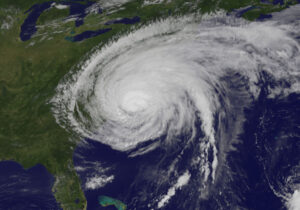
Tree Risk Mitigation Service in Keyport and Union Beach, NJ becomes especially important as hurricane season 2026 begins across the Atlantic basin. Even in a year forecast to be quieter than average, the Bayshore does not need a direct landfall to see damaging wind, saturated soil, broken limbs, uprooted hedges, and dangerous cleanup conditions.

Keyport Tree Service Hurricane Prep

We serve Keyport and Union Beach with the mindset of a certified arborist, not a storm-chasing cutter. The bay shore setting is real here. These communities sit along the Raritan Bayshore, where open water, low elevations, salt exposure, compact lots, older trees, and summer humidity can combine quickly when tropical moisture moves up the coast.

At Hufnagel Tree Service , our goal is to help homeowners protect roofs, fences, driveways, utilities, ornamental trees, shrubs, hedgerows, and privacy plantings before the first major storm threat creates urgency.

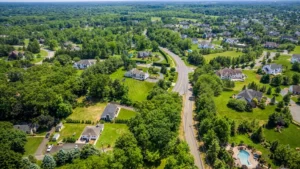
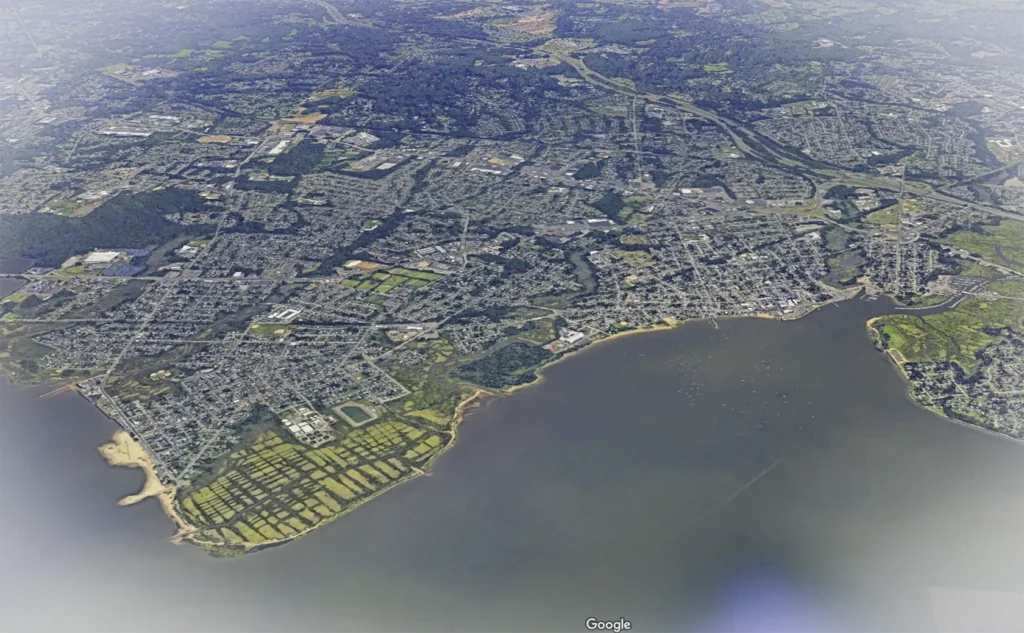
Above Union Beach, Keyport, and Matawan New Jersey

Why Hurricane Tree Preparation Matters on the Keyport and Union Beach Bayshore

Hurricane Season

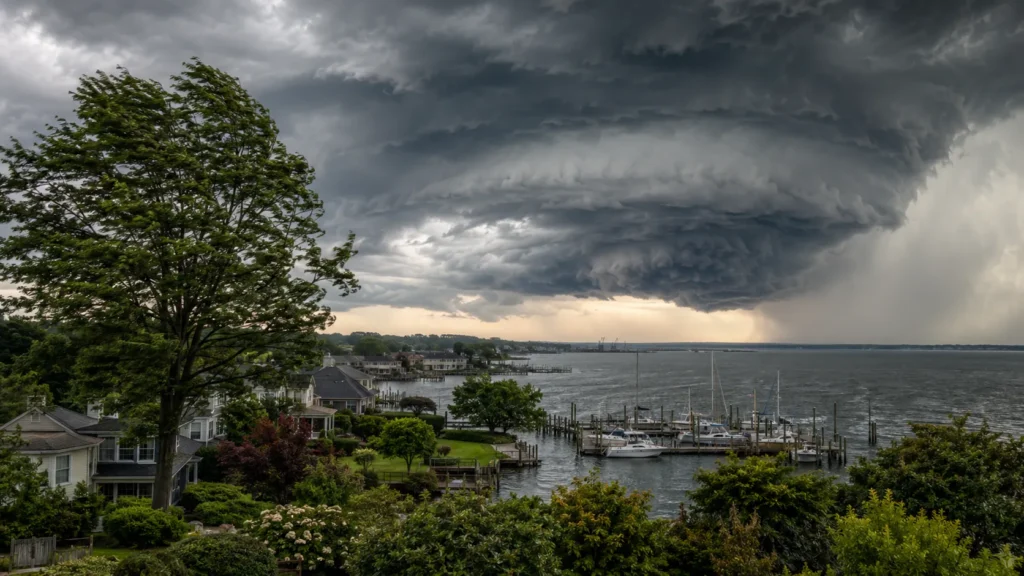
Keyport and Union Beach sit in one of the most exposed parts of the northern Monmouth County Bayshore. Along the Raritan Bay side of town, wind has room to build across open water before it reaches yards, driveways, rooflines, fences, docks, and narrow side streets. That is why hurricane season tree preparation is not just about cutting branches. It is about understanding how wind moves through a property before the storm arrives.

For homeowners near Front Street, the Keyport waterfront, the Union Beach beachfront, Florence Avenue, Poole Avenue, and the lower streets closer to the bay, mature shade trees can become dangerous when they are overextended, hollow, cracked, or weighted too heavily on one side. Trees that looked stable in spring can react very differently when saturated soil and coastal gusts arrive together. A proper pre-season inspection looks for structure, not just appearance.

We pay close attention to trees that have lived through repeated nor easters, salt spray, heavy rain, and past storm damage. Pin oaks, maples, sycamores, cherries, ornamental pears, hollies, and older privacy plantings all respond differently to shoreline stress. Some need selective reduction. Some need deadwood removed. Some need weight relieved before the first serious tropical system tracks up the coast.

Michael Hufnagel puts it simply: “On the Bayshore, the mistake is waiting until a storm is named. By then, every weak limb, leaning tree, and overgrown hedge has already had months to become a problem.” That is the practical reason we recommend hurricane prep before the peak of the season, especially for properties that already see strong bay winds on normal summer afternoons.

Hurricane preparation starts with risk identification. Once we know which trees, shrubs, and hedgerows are adding exposure to the home, we can prune with a purpose, reduce storm load, improve clearance, and recommend removal only when a tree cannot be made reasonably safe.

How homeowners should preapre their trees for hurricane season 2026:

  • Keyport and Union Beach properties face open-water wind exposure from the Raritan Bay side.
  • A storm-prep inspection should look for structure, decay, limb weight, lean, and root stability.
  • Coastal trees often carry hidden stress from salt, repeated wind, and saturated soil.
  • The best time to prepare is before a tropical system is in the forecast.

This is where early certified arborist care pays off. The next step is not guessing from the ground, but walking the property with trained eyes and deciding what should be pruned, reduced, cleared, restored, or removed before the weather makes that decision for you.
Tree Trimming and Pruning Before Hurricane Season

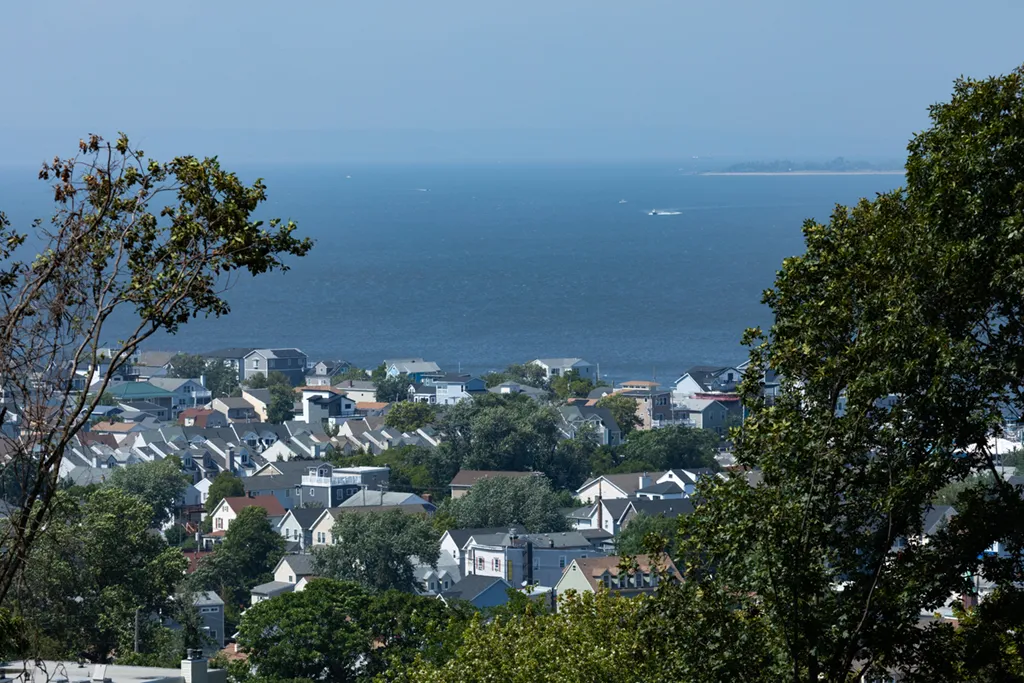
Hufnagel Sculpts Beautiful View

Tree trimming for hurricane preparation is different from ordinary cosmetic pruning. We are not trying to make a tree look smaller for the sake of it. We are reducing the parts of the canopy most likely to catch wind, split under load, or strike a structure if they fail. That requires selective pruning, not random topping.

On Bayshore properties, we often see limbs growing toward roofs, utility lines, garages, sheds, vehicles, and neighboring yards. Summer growth can hide weak attachments, included bark, old storm cracks, and deadwood. Proper pruning opens the canopy without stripping the tree, which helps wind pass through while preserving enough foliage for health and recovery.

Common local species need different handling. Mature oaks and sycamores usually require structural decisions made carefully and conservatively. Maples can develop long, heavy leaders that need reduction before they split. Ornamental pears are known for tight branch unions and storm breakage. Hollies and magnolias can be shaped for clearance while keeping their natural density and screening value.

One of the biggest mistakes we see is over-pruning a tree right before storm season. Removing too much live canopy can stress the tree and leave it less able to recover. The goal is balance. Remove dead, damaged, crossing, cracked, and poorly attached limbs first. Then reduce end weight where the canopy is pulling too hard toward a target.

When trimming is done correctly, the property becomes safer without making the tree weaker. That is the difference between a certified arborist approach and a quick cut-and-go job that leaves the homeowner with an uglier tree and a higher failure risk.

Why Tree Trimming Is an Effective Risk Mitigation Strategy:

  • Selective pruning reduces wind load while protecting long-term tree health.
  • Deadwood, cracked limbs, and poor branch unions should be addressed before peak storm season.
  • Oaks, maples, sycamores, hollies, magnolias, and ornamental pears all require different pruning decisions.
  • Over-pruning can make storm problems worse, not better.

This is where early certified arborist care pays off. The next step is not guessing from the ground, but walking the property with trained eyes and deciding what should be pruned, reduced, cleared, restored, or removed before the weather makes that decision for you.
Shrub, Hedge, and Privacy Planting Prep for Coastal Storms

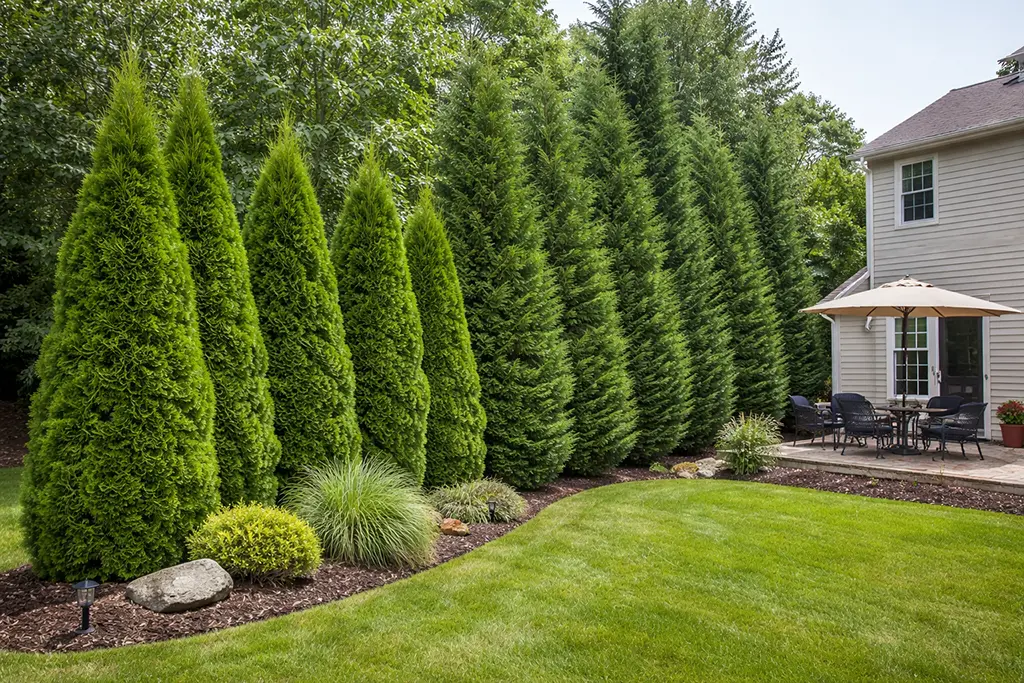
Arborvitae and Leyland Cypress

Hurricane season preparation is not limited to large trees. In Keyport and Union Beach, shrubs, hedgerows, and privacy plantings often take the first hit from bay wind, salt spray, and wind-driven rain. Overgrown hedges can act like sails. When they are too tall, too dense, or too top-heavy, they push against fences, roots, and nearby plantings.

Leyland cypress, arborvitae, privet, holly hedges, cherry laurels, and mixed privacy rows are common across Bayshore properties. These plantings can provide important screening, especially on tighter lots, but they need seasonal thinning, height control, and inspection for interior dieback. A hedge that looks green on the outside can be weak, hollow, or dry inside.

We look for lean, root movement, broken stems, dead interior pockets, and sections that have outgrown their wind tolerance. Along the bay, salt and wind can brown one side of a hedge while the protected side stays lush. That uneven growth creates imbalance, which matters when tropical moisture softens the ground and wind starts pushing from the water.

Michael often tells homeowners, “A hedge can fail just like a tree. It may not crush a house, but it can tear up fencing, block access, damage ornamentals, and leave a property wide open after the storm.” That is why we include shrubs and hedgerows in storm preparation instead of treating them as an afterthought.

Proper hedge and shrub prep improves clearance, reduces wind resistance, protects screening, and helps the landscape recover faster after heavy weather. For many Bayshore homes, this is the difference between a quick cleanup and a full landscape repair.

Why Prepare Your Hedges and Shrubs This Hurricane Season:

  • Dense hedges can catch wind and push against fences or root systems.
  • Privacy plantings should be inspected for lean, interior dieback, and salt-stressed sections.
  • Shore-facing sides often weaken faster than protected sides.
  • Shrub and hedge prep helps preserve screening and reduce post-storm cleanup.

This is where early certified arborist care pays off. The next step is not guessing from the ground, but walking the property with trained eyes and deciding what should be pruned, reduced, cleared, restored, or removed before the weather makes that decision for you.
Tree Risk Assessment for Homes Near Water, Roads, and Tight Lots

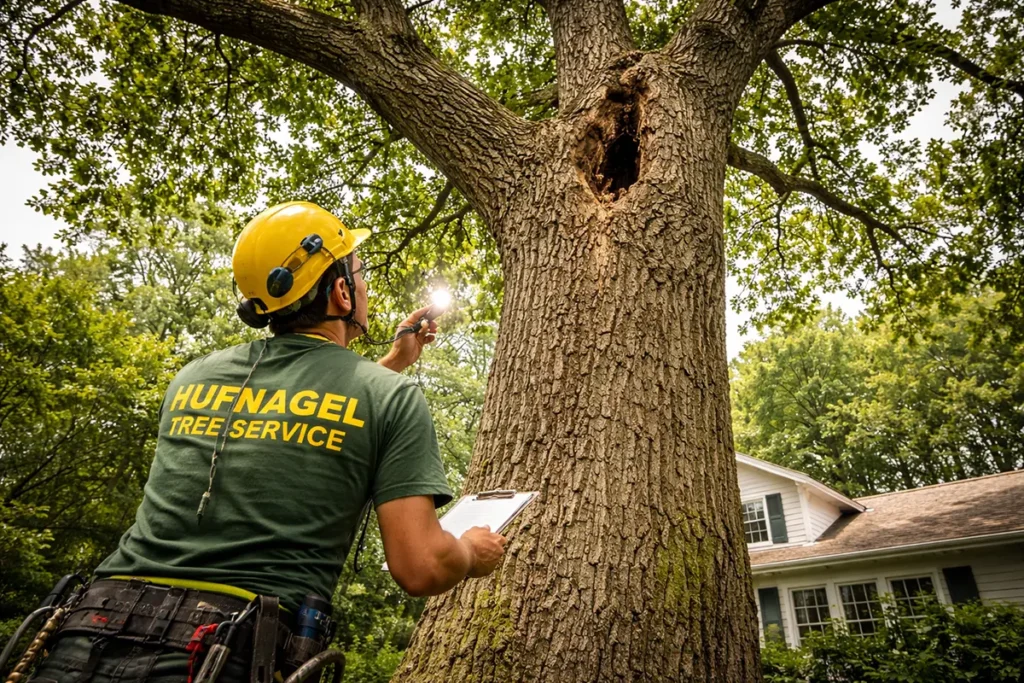
Tree Risk Evaluation

A hurricane-season tree risk assessment starts by identifying targets. A target is anything a tree or limb can hit if it fails. On the Keyport and Union Beach Bayshore, targets are often close together. Homes, parked cars, fences, garages, sidewalks, utility areas, patios, and neighboring properties may all sit within reach of one mature tree.

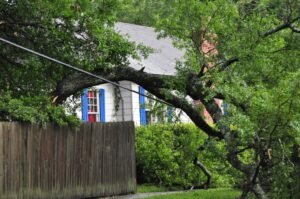
We inspect the trunk, canopy, root zone, branch unions, lean, old pruning wounds, decay pockets, and soil conditions. After heavy rain, low-lying coastal soil can lose holding strength. If a tree already leans toward a structure or has root plate movement, that risk becomes more serious once the ground is saturated.

Not every risky tree needs to be removed. Some can be improved with structural pruning, crown reduction, clearance work, or selective removal of failing limbs. Other trees, especially those with significant decay, root failure, severe lean, or major trunk cracks, may need to come down before hurricane season reaches its peak.

We are careful with removal recommendations because mature trees are valuable. They shade the home, cool the yard, slow runoff, protect privacy, and add character to older Bayshore neighborhoods. But a tree that cannot be stabilized should not be ignored because it still looks green.

Our role is to give homeowners a clear, practical assessment. We explain what can be saved, what should be pruned, what should be monitored, and what is too compromised to trust through another hurricane season.

Benefits of Tree Risk Assessments for the 2026 Hurricane Season:

  • Risk assessment focuses on what a tree can hit if it fails.
  • Saturated coastal soil can increase the danger of leaning or root-compromised trees.
  • Many risky trees can be improved without removal.
  • Severe decay, trunk cracks, root failure, and heavy lean may require removal before storms.

This is where early certified arborist care pays off. The next step is not guessing from the ground, but walking the property with trained eyes and deciding what should be pruned, reduced, cleared, restored, or removed before the weather makes that decision for you.
Why Certified Arborist Hurricane Prep Beats Last-Minute Cutting

Certified Arborist

Last-minute storm cutting is one of the most common mistakes property owners make. Once a hurricane or tropical storm is approaching, there is pressure to do something fast. That is when poor decisions happen. Trees get topped, canopies get stripped, hedges get butchered, and weak trees are left with fresh wounds right before high winds arrive.

Certified arborist hurricane preparation is more measured. We look at the whole property, the species, the structure, the soil, the targets, and the likely wind exposure. Then we make cuts that reduce risk while respecting the biology of the tree. This matters because a damaged tree is not automatically a safer tree.

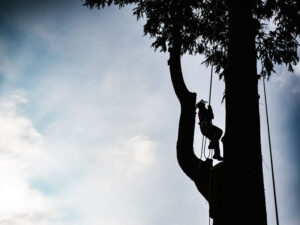
Keyport and Union Beach homeowners also have to think about access. Narrow streets, parked vehicles, tight driveways, overhead service lines, and compact lots can make storm cleanup difficult. Pre-season work gives us room to plan, rig safely, remove hazards properly, and avoid rushed emergency conditions.

For Bayshore properties, hurricane prep should include tree pruning, hazard limb removal, shrub and hedge management, clearance work, and removal of trees that cannot be made safe. The earlier that work is done, the better the property is positioned for the season.

Why Choose A Certified Arborist Before The Season Progresses:

  • Last-minute cutting often causes poor pruning and unnecessary damage.
  • Certified arborist prep balances safety with tree health.
  • Tight Bayshore lots benefit from planned work before emergency conditions.
  • Hufnagel Tree Service brings local experience, certified arborist guidance, and proven storm-prep discipline.

This is where early certified arborist care pays off. The next step is not guessing from the ground, but walking the property with trained eyes and deciding what should be pruned, reduced, cleared, restored, or removed before the weather makes that decision for you.
Call Hufnagel Tree Service to Schedule Hurricane Season Tree, Shrub, and Hedgerow Preparation

If your property is on the bay shore of Keyport or Union Beach, now is the time to schedule hurricane-season preparation for your trees, shrubs, and hedgerows. Call Hufnagel Tree Service at (732) 291-4444 for a certified arborist consultation before the season puts weak limbs, stressed hedges, and risky trees to the test.

Schedule Service Now!

From precision pruning and safe removals to health assessments and preventative care, Hufnagel Tree Service delivers expert solutions backed by decades of experience. We offer certified insight, fair pricing, and a commitment to doing what’s best for your landscape.

Where Do You Need Service?
Please Enter Your Contact Information
Are You A New or Existing Customer?
How Can We Help You?

We Could Not Find A Direct Link To A Tree Removal Permit Application For The Town You Selected.

Please contact your local municipality to determine if a permit is required for your tree removal project. They will provide you with the most accurate and up-to-date information.