Contents
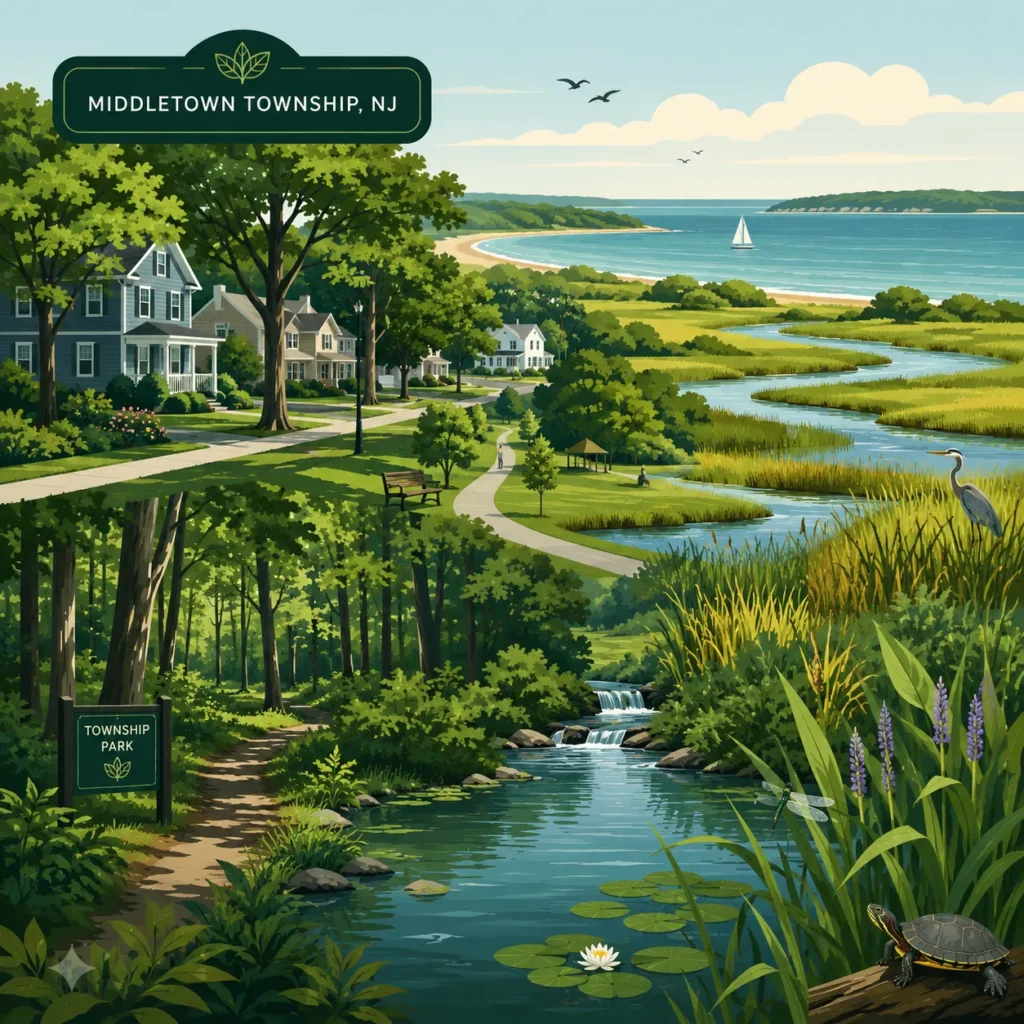
Middletown Township, NJ is one of the most environmentally varied communities in Monmouth County.
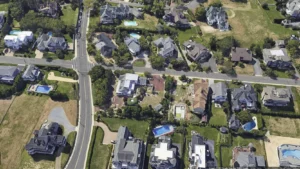
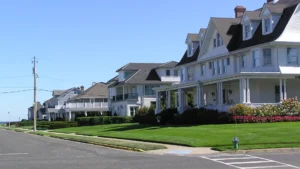
The tree conditions in Lincroft are not the same as the tree conditions in Port Monmouth, Belford, Leonardo, Navesink, Locust, Chapel Hill, or near the Bayshore. Some neighborhoods are shaded and wooded. Others are exposed to wind, salt air, flooding, compacted soil, and heavy development pressure.
That variety is why trees matter so much here. Trees cool streets, absorb stormwater, hold soil, support birds and pollinators, reduce noise, protect privacy, and add real property value. At the same time, neglected trees can damage homes, interfere with utilities, spread disease, drop limbs, block light, and create dangerous conditions during storms.
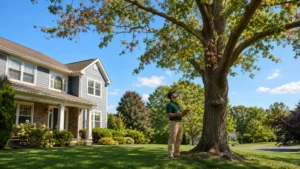
Hufnagel Tree Service sees both sides of that equation every day. A healthy tree can improve an entire property. A hazardous tree can threaten a roof, driveway, sidewalk, fence, or neighbor’s yard. The difference often comes down to inspection, pruning, restoration, and knowing when a tree has reached the end of its safe life.
“A healthy tree helps the whole property, but a neglected tree can become part of a larger neighborhood problem,” says Michael Hufnagel, Certified Arborist and owner of Hufnagel Tree Service. “Good tree care is environmental care when it is done correctly.”
This article looks at how trees affect Middletown Township’s local environment in both good and bad ways. It also explains how certified arborist care helps homeowners protect the benefits of trees while reducing the risks that come from decline, overgrowth, storm damage, and poor species placement.
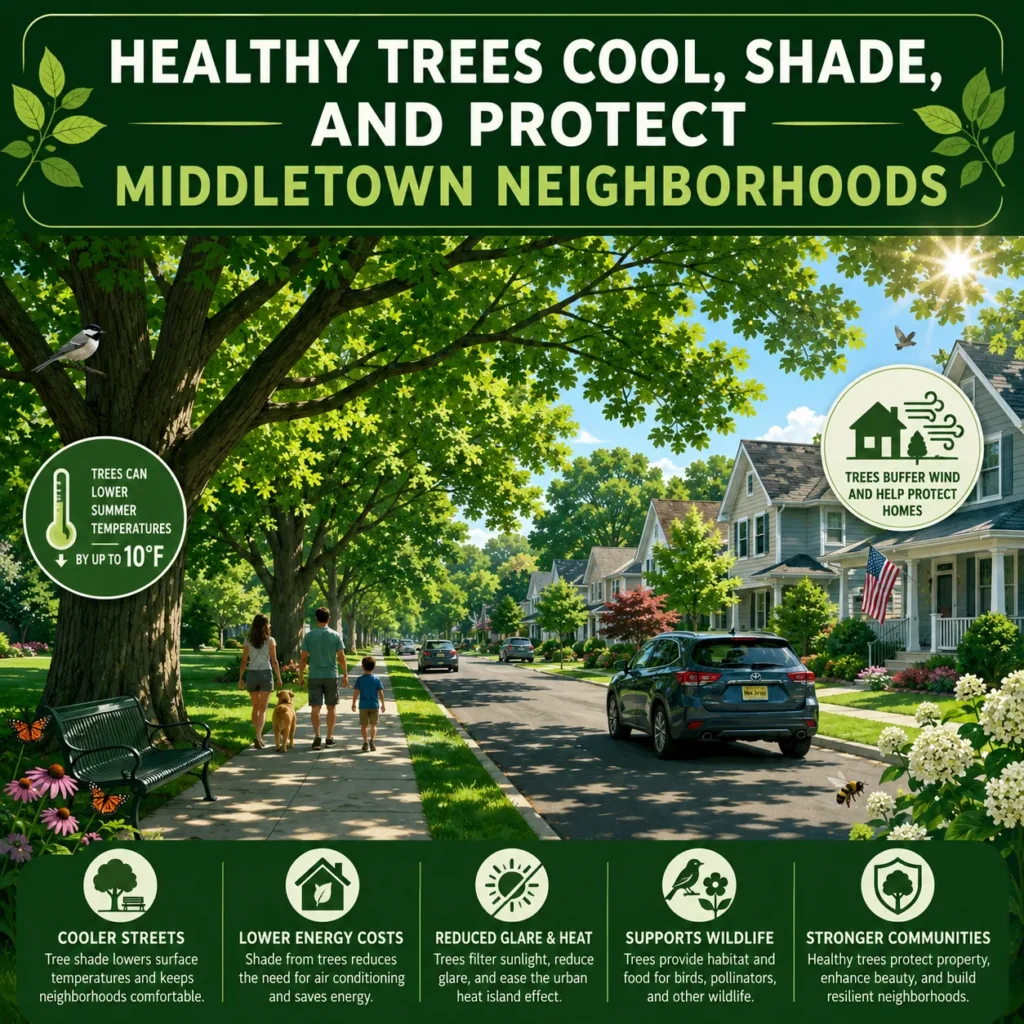
Healthy Trees Cool, Shade, and Protect Middletown Neighborhoods
A strong tree canopy changes how a neighborhood feels. In shaded parts of Middletown, mature oaks, maples, tulip poplars, sycamores, beeches, and evergreens help cool yards, streets, driveways, and outdoor living spaces. During hot summer weather, that shade can make a property more usable and reduce heat around the home.
Trees also soften the built environment. They break up hard surfaces, screen traffic, reduce glare, and create privacy between homes. In places where older homes sit near busy roads or tighter residential lots, trees can make the difference between a yard that feels exposed and one that feels settled.
Wildlife also depends on healthy trees. Birds, squirrels, beneficial insects, and pollinators use trees for shelter, food, nesting, and travel corridors. A mature native tree supports far more local life than a bare yard or a poorly chosen ornamental planted only for looks.
The environmental value of trees is strongest when they are properly maintained. Deadwood, crowded canopies, weak branch unions, and overextended limbs reduce both safety and tree health. Pruning is not just cosmetic. Done correctly, it helps a tree stay structurally sound while preserving the shade and habitat it provides.
For homeowners, the takeaway is direct. The trees that make Middletown properties more comfortable and attractive need periodic care. Waiting until limbs are falling or the canopy is in decline means the tree has already been under stress for some time.
The most valuable environmental benefits come from trees that are healthy and structurally sound.
- Shade trees help cool yards, roofs, pavement, and outdoor spaces.
- Mature canopies support birds, pollinators, and beneficial insects.
- Trees reduce noise, glare, and neighborhood exposure.
- Proper pruning helps preserve benefits while reducing hazards.
Healthy trees are one of Middletown Township’s most practical environmental assets. Their value becomes even more obvious during heavy rain, when roots, soil, and canopy all help manage stormwater across the property.
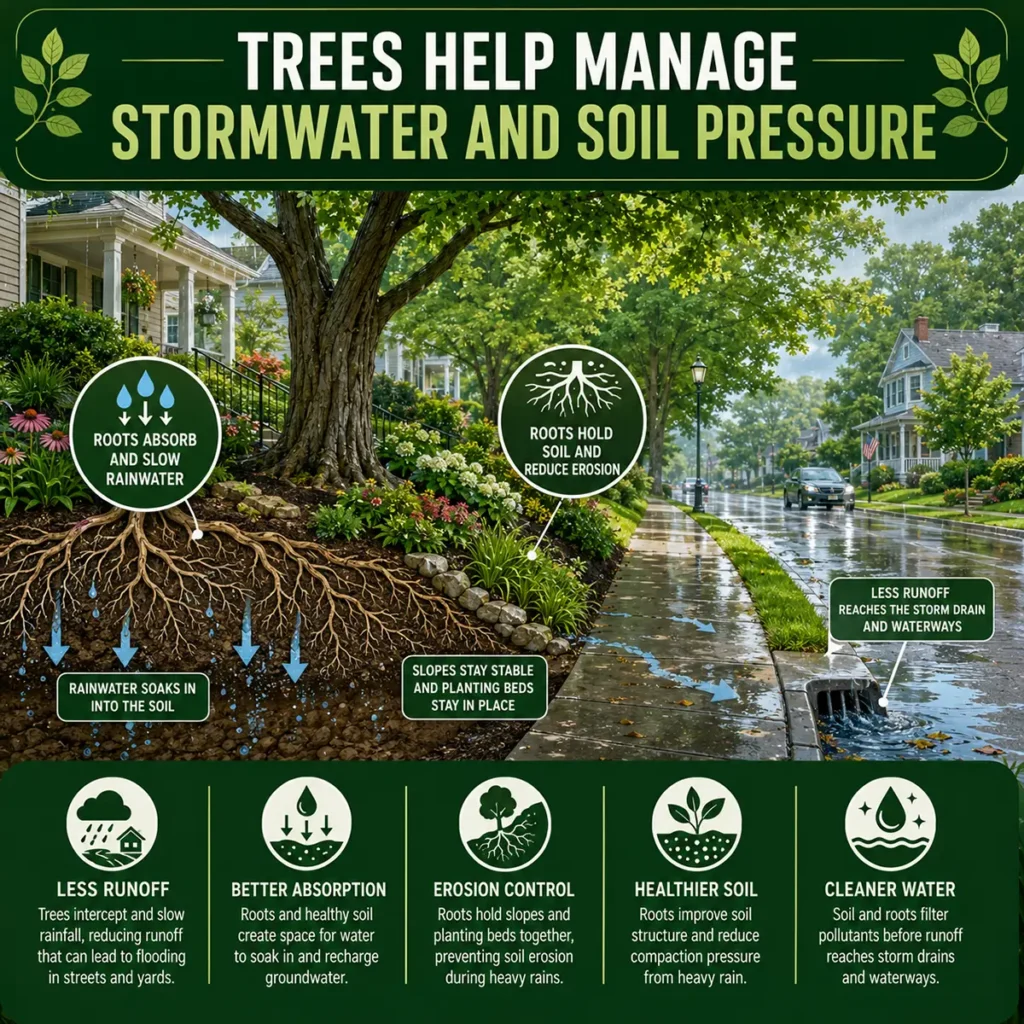
Trees Help Manage Stormwater and Soil Pressure
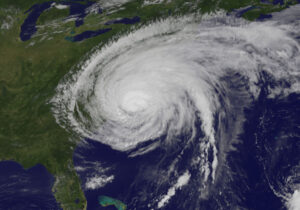
Stormwater is a major issue in many parts of Middletown Township. Bayshore neighborhoods can deal with tidal influence and wind driven storms, while inland areas may deal with runoff from roads, driveways, compacted yards, and sloped properties. Trees help by intercepting rainfall, slowing runoff, and allowing more water to enter the soil.
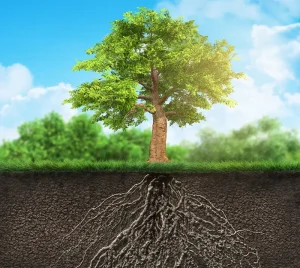
A tree canopy catches rain before it hits the ground. Roots help keep soil in place and create pathways for water movement. Leaf litter improves soil structure when it is allowed to break down naturally in appropriate areas. Together, these benefits reduce erosion and help a property handle storms more effectively.
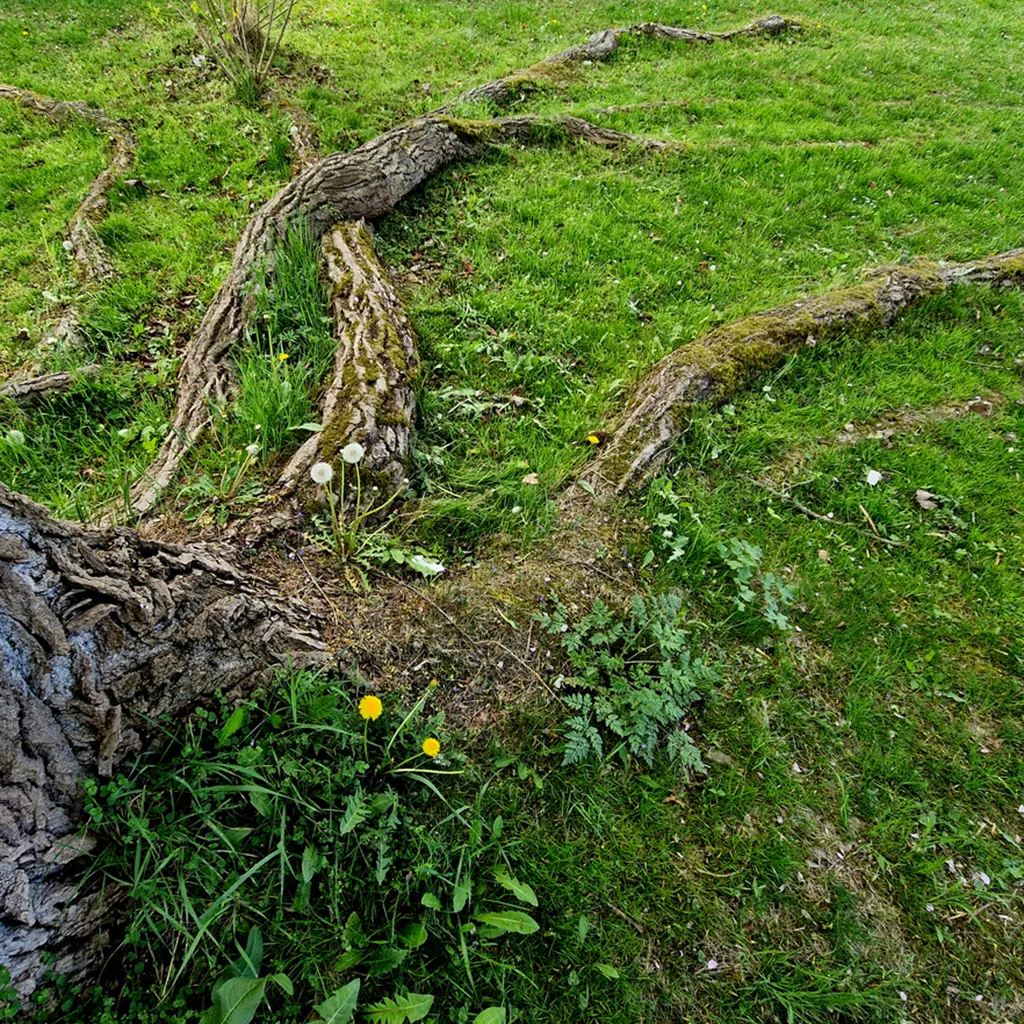
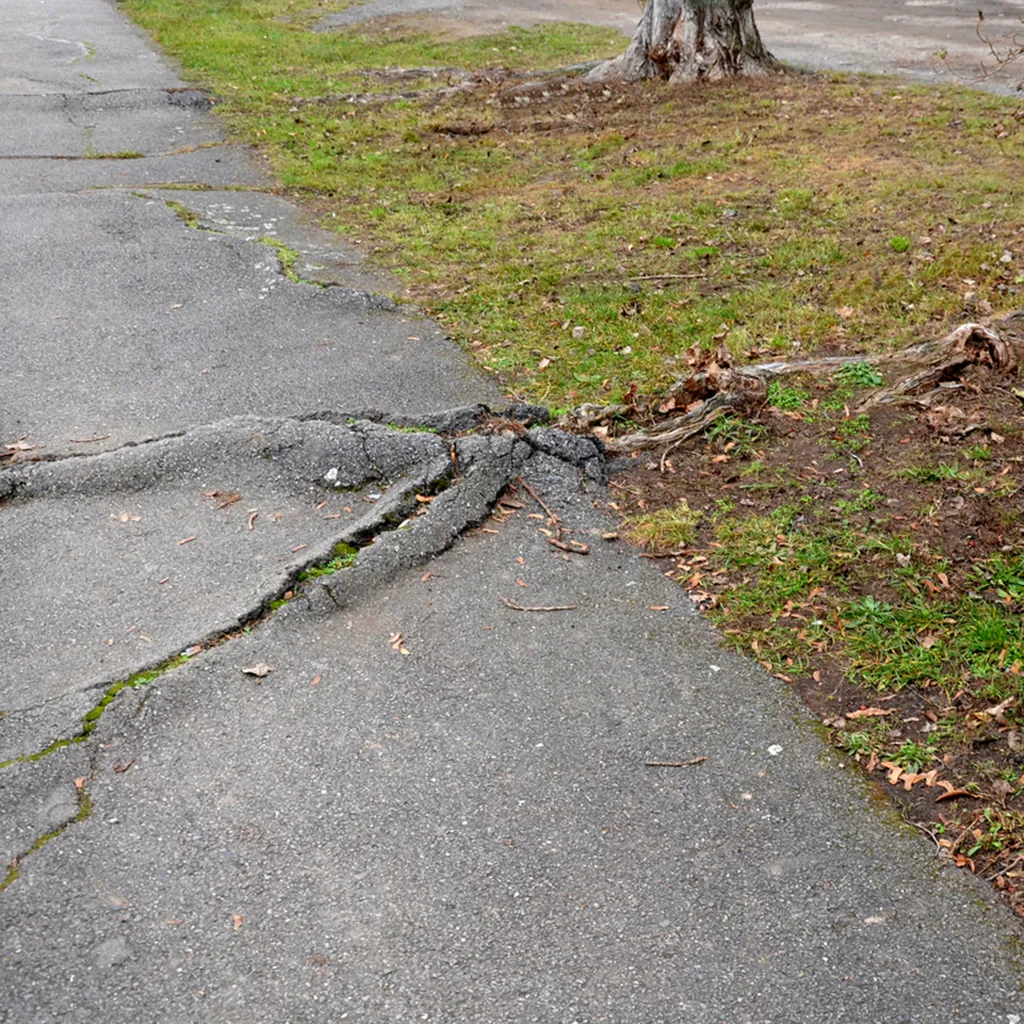
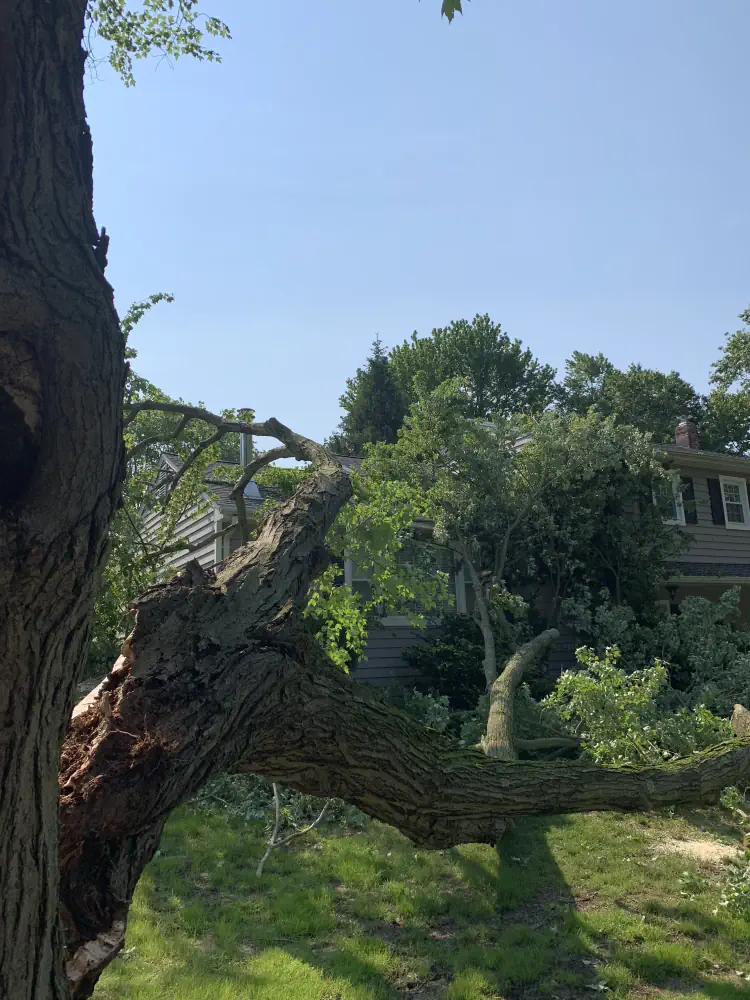
The wrong tree in the wrong place can create problems, however. Surface roots may lift walkways, weak wooded areas may shed limbs after saturation, and trees planted too close to structures may conflict with foundations, gutters, roofs, and service lines. Environmental benefit does not erase the need for good placement and maintenance.
We often see stormwater related stress after repeated wet weather. Symptoms can include yellowing leaves, sudden dieback, fungal growth, root flare burial, and soil heaving near the base. These signs should be inspected because they may point to root stress or instability.
Tree care and stormwater care should work together. Selective pruning, mulching, root zone protection, and thoughtful planting can help homeowners keep trees healthy while reducing water related problems around the property.
A tree can help manage water, but only when its roots and structure are protected.
- Canopies slow rainfall before it reaches the ground.
- Roots help stabilize soil and reduce erosion.
- Compacted soil limits water absorption and root health.
- Trees near hard surfaces need regular inspection for stress and conflict.
Trees are part of Middletown’s natural stormwater system, especially when they are healthy and correctly placed. Problems begin when trees decline, invasive growth spreads, or hazards are left unmanaged.
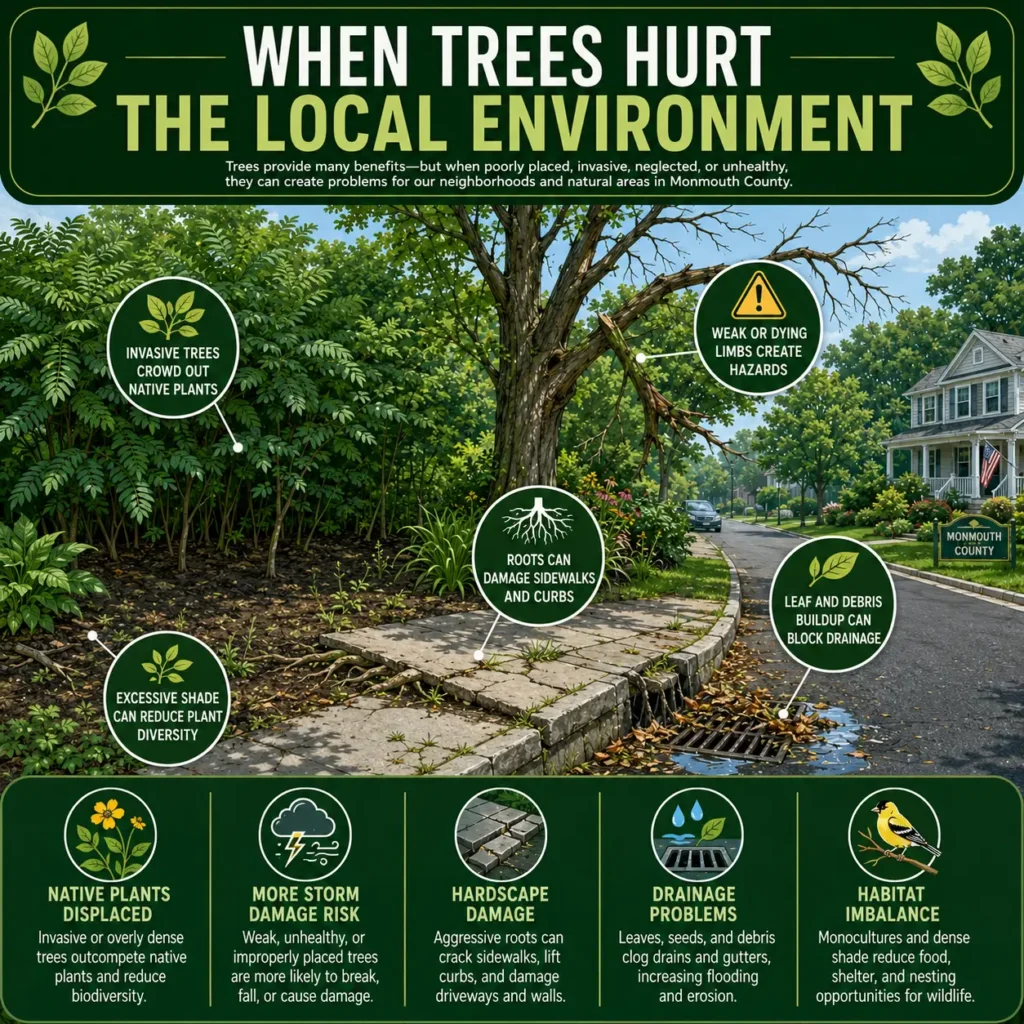
When Trees Hurt the Local Environment
Not every tree on a property is automatically beneficial. A dead tree can become habitat for some wildlife, but near a home, road, sidewalk, or play area, it can also become a serious hazard. A diseased tree may spread problems to nearby trees. An invasive species can crowd out better native growth and reduce ecological value.
In Middletown Township, we often see vines, crowded volunteer trees, declining ornamentals, and poorly maintained hedgerows creating long term issues. Overgrowth can block sunlight, trap moisture against siding, reduce airflow, and allow pests or disease to spread. What starts as natural growth can become a maintenance problem quickly.
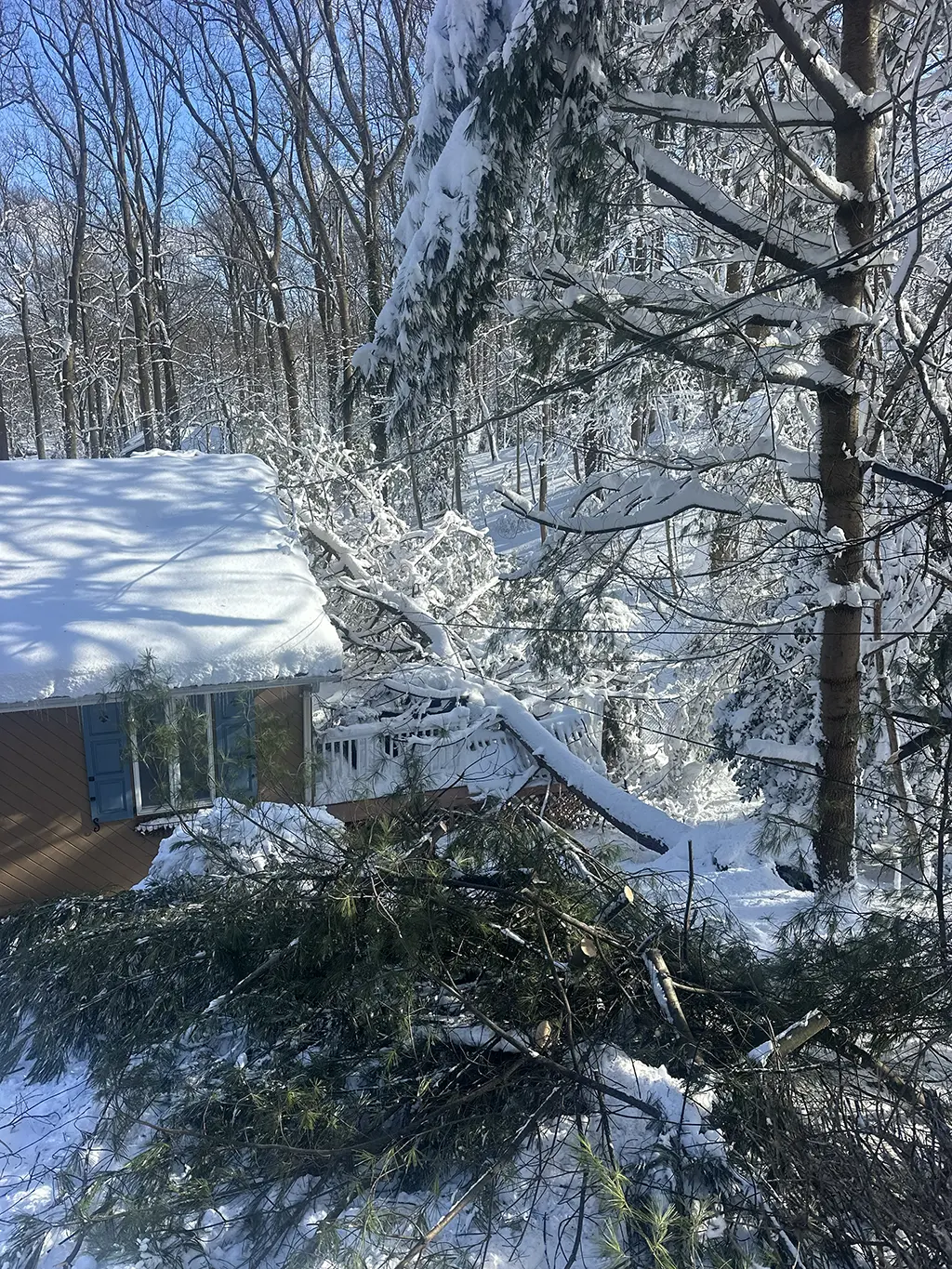
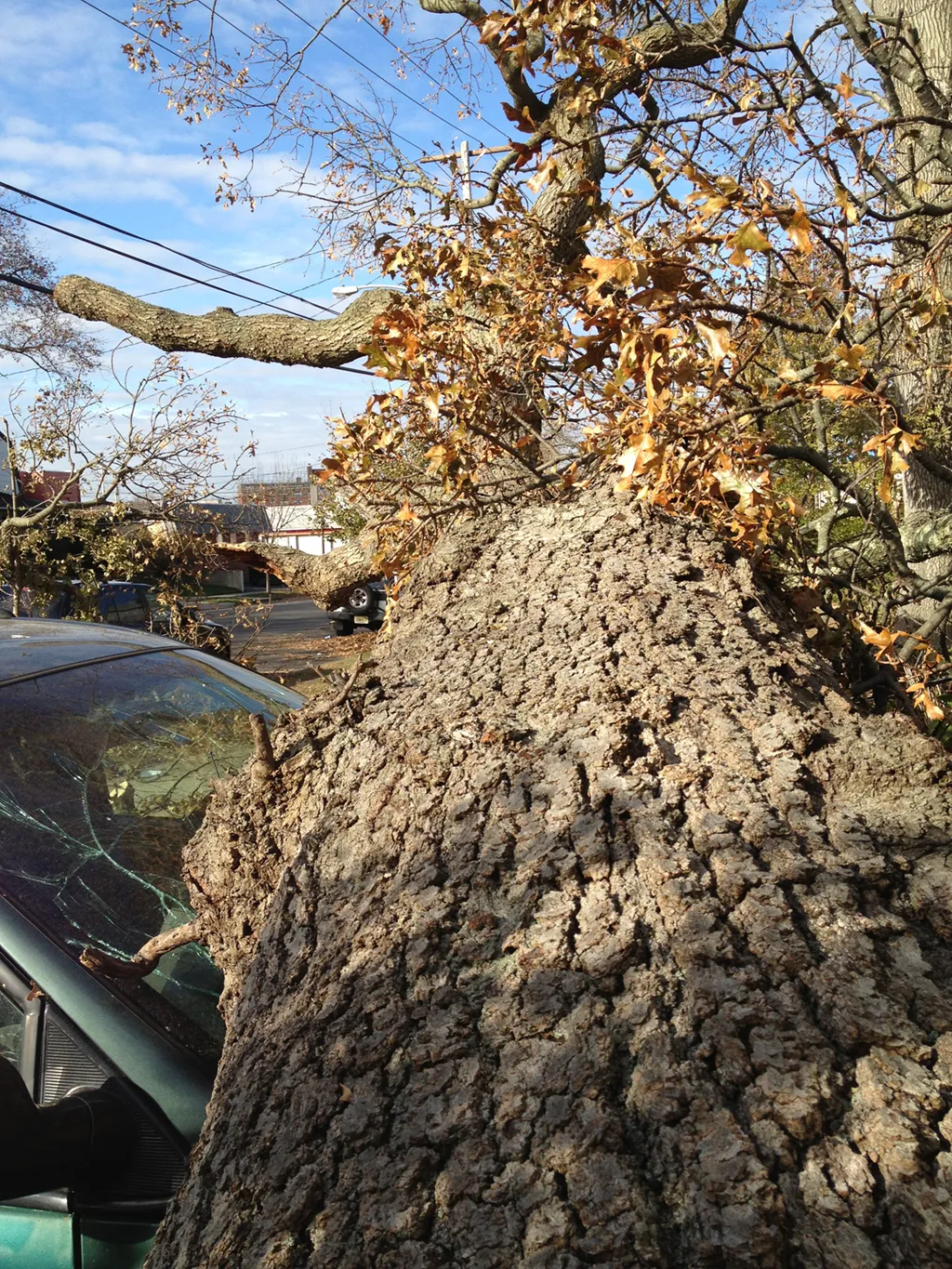
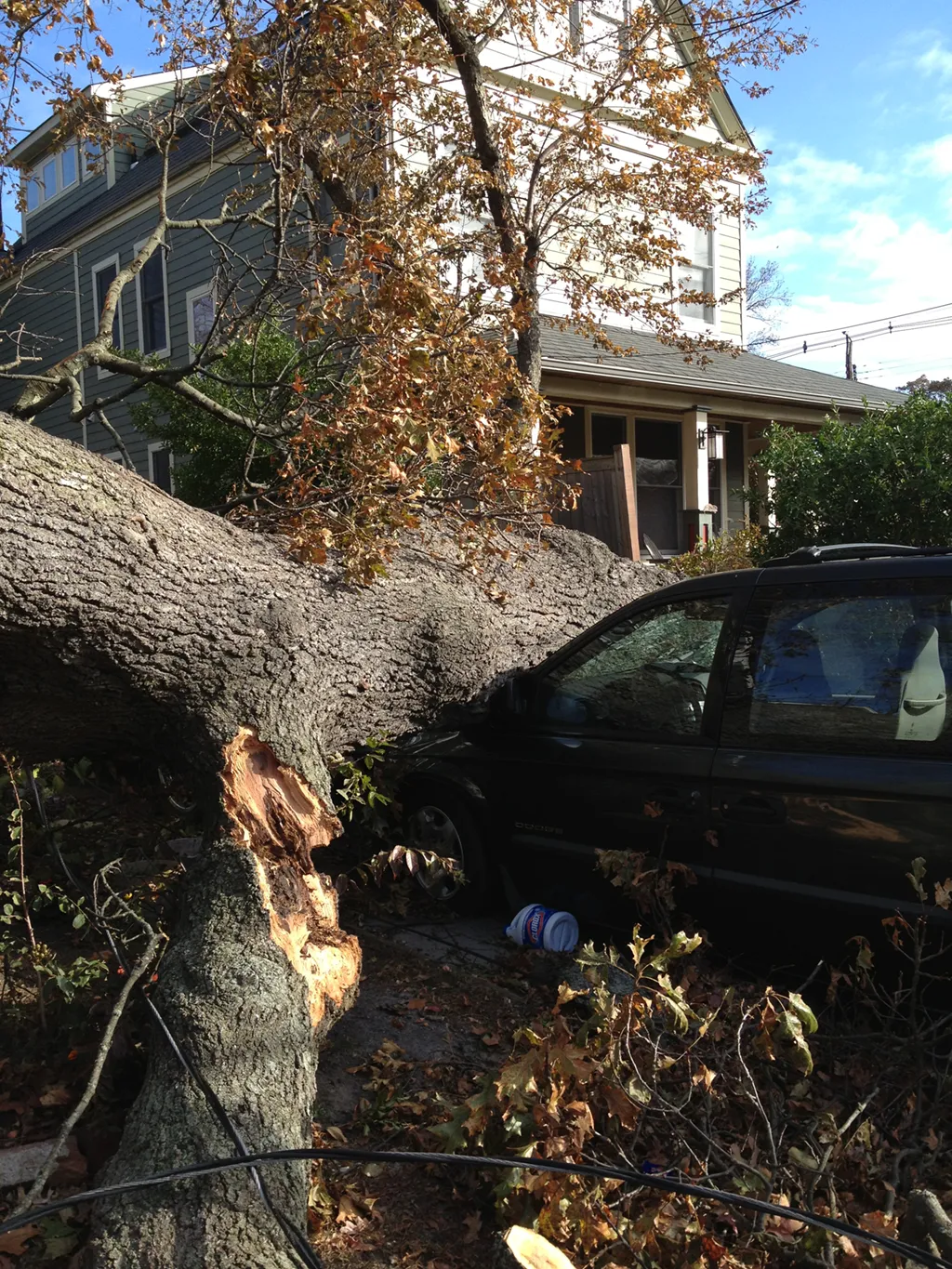
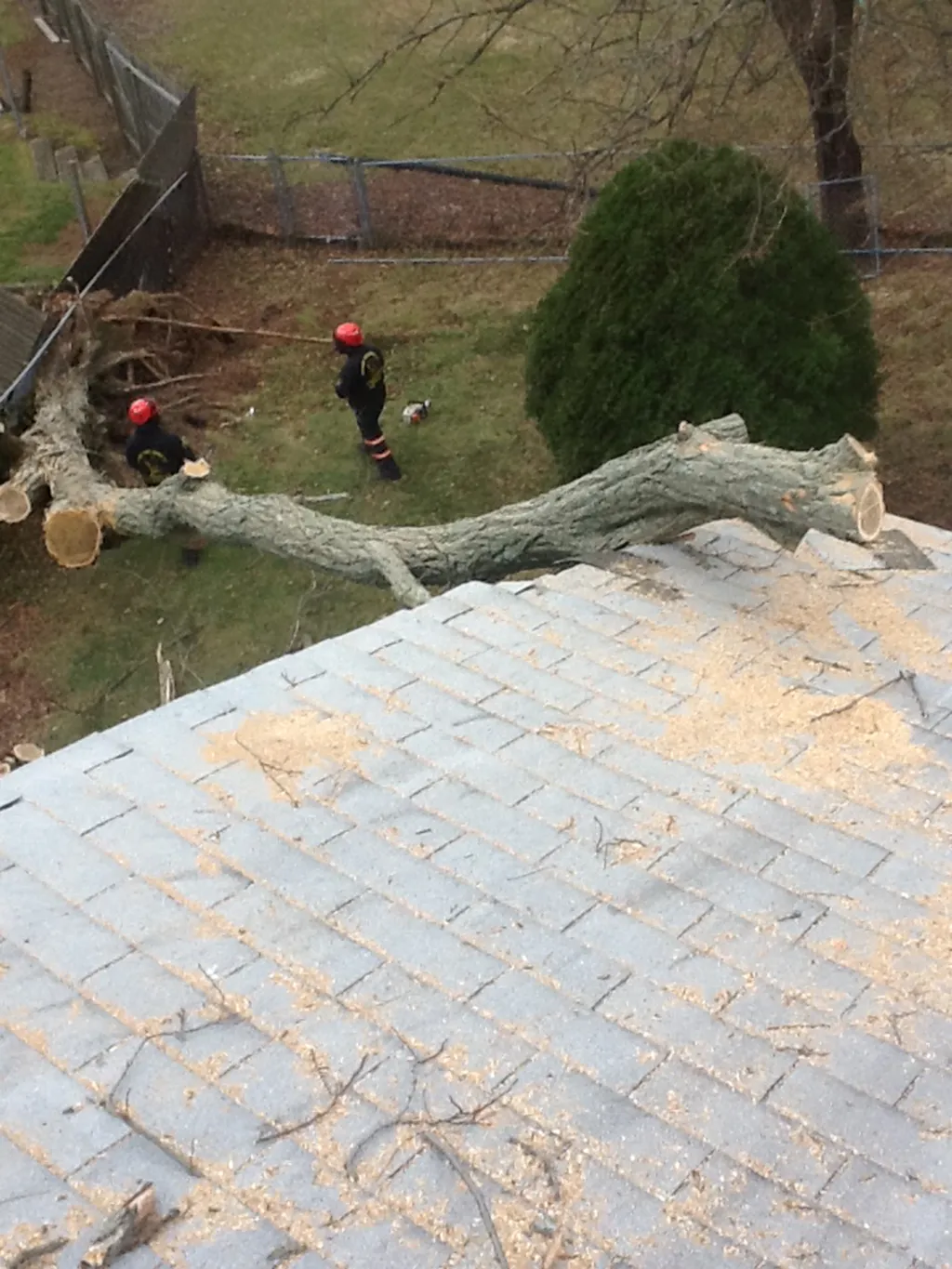
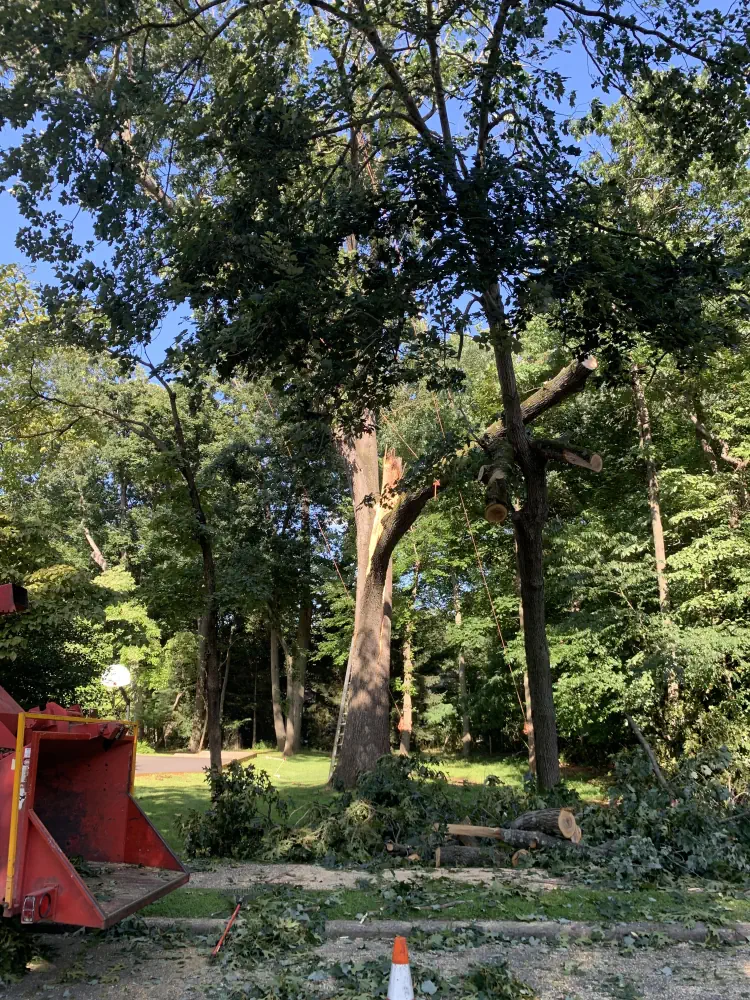
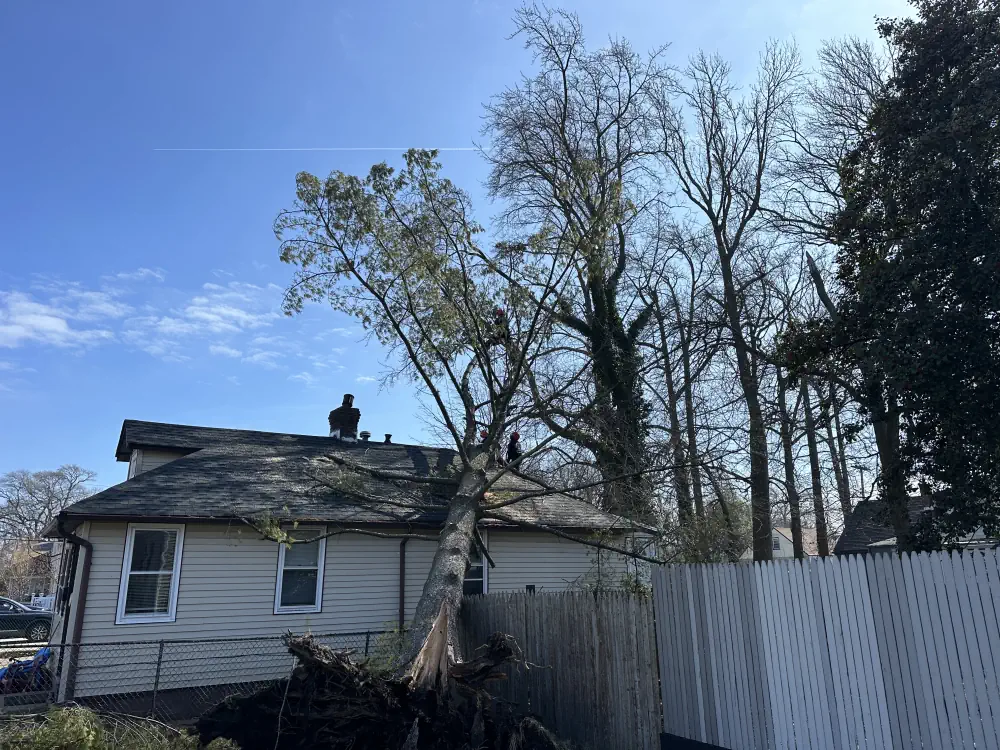
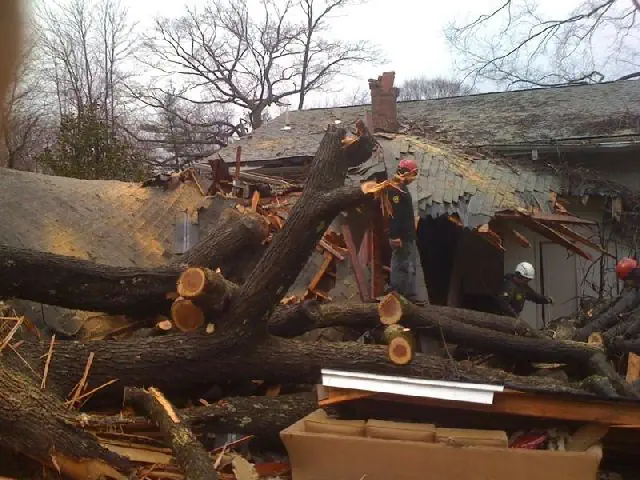
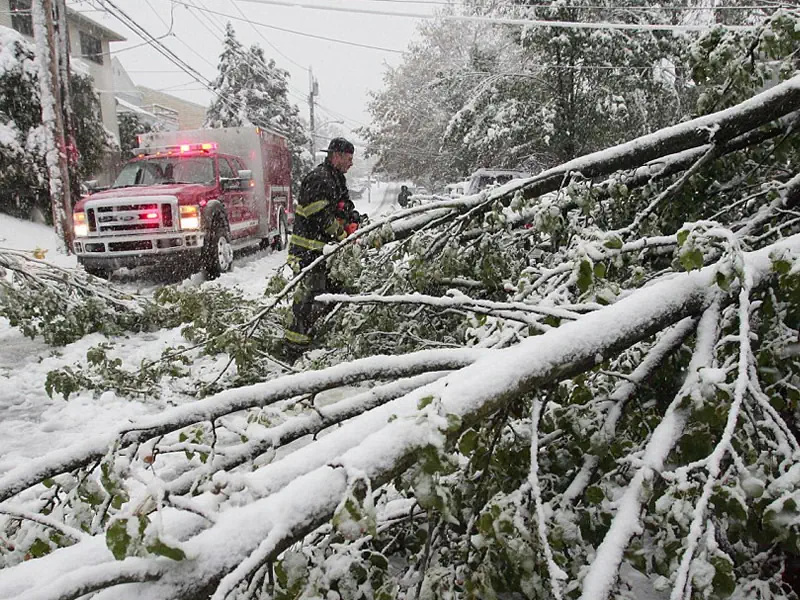
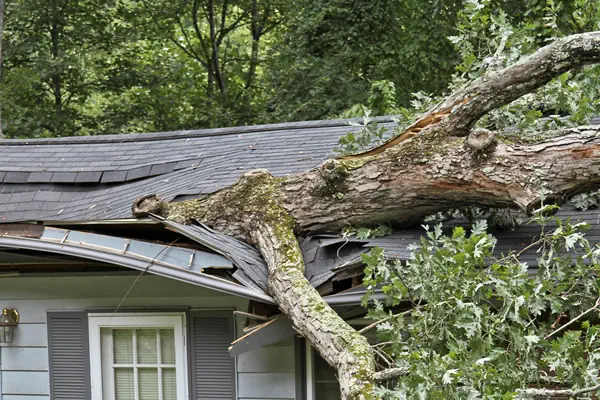
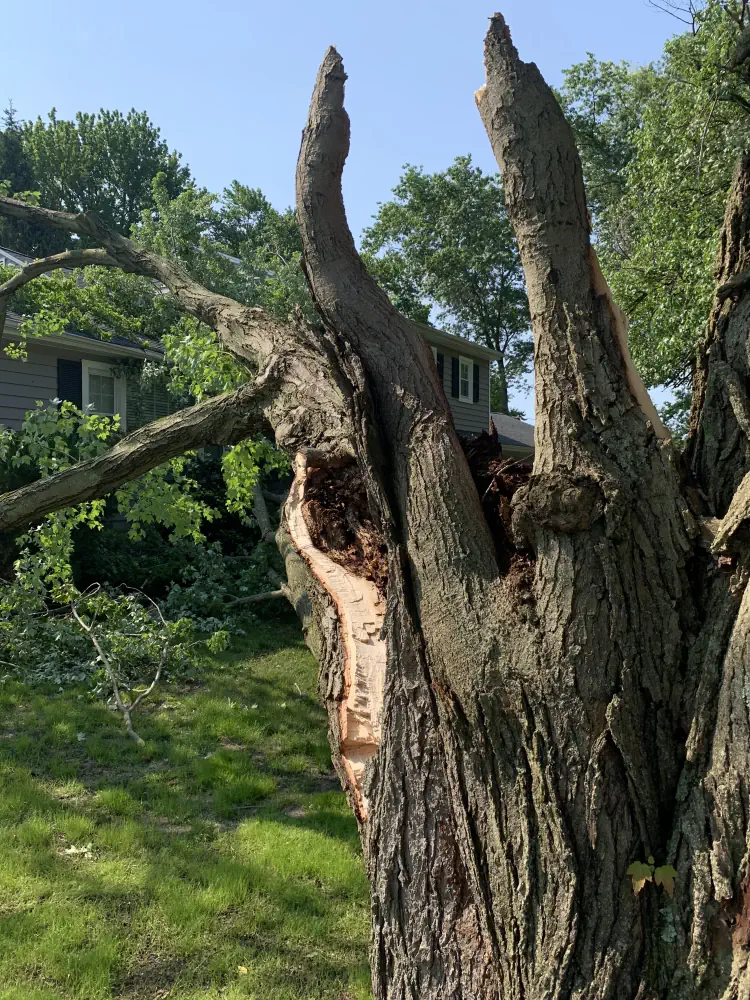
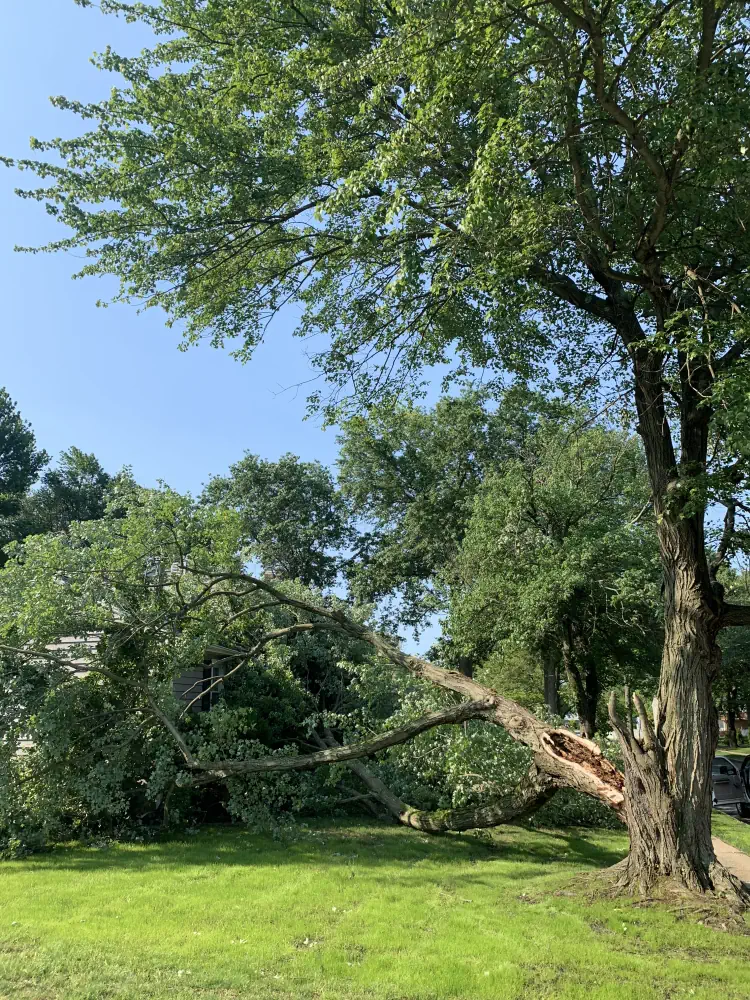
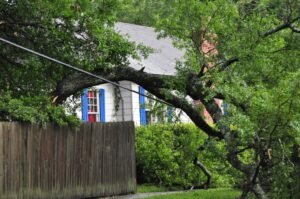
Large hazardous trees create another environmental concern because failure often leads to emergency removals, property damage, heavy cleanup, and unnecessary disturbance. Preventive care is usually less disruptive than a storm cleanup where limbs are tangled through fences, roofs, wires, and neighboring yards.
Poor pruning also harms trees and the surrounding environment. Topping, flush cuts, lion tailing, and excessive canopy removal can trigger weak regrowth, sun damage, and decay. A tree that might have lived for decades can be put into decline by one bad pruning job.
The solution is not to remove every imperfect tree. The solution is to identify which trees are helping, which trees need care, and which trees are creating unacceptable risk. That is where certified arborist judgment becomes valuable.
The environmental downside of trees usually comes from neglect, poor placement, or bad pruning.
- Dead trees near targets can become serious hazards.
- Invasive or overcrowded growth can reduce native tree health.
- Poor pruning creates decay, weak regrowth, and future failures.
- Unchecked vines and dense canopies can trap moisture and reduce airflow.
Trees can improve Middletown’s environment or strain it, depending on condition and care. A certified inspection helps homeowners choose preservation, restoration, pruning, or removal based on what the tree is actually doing.
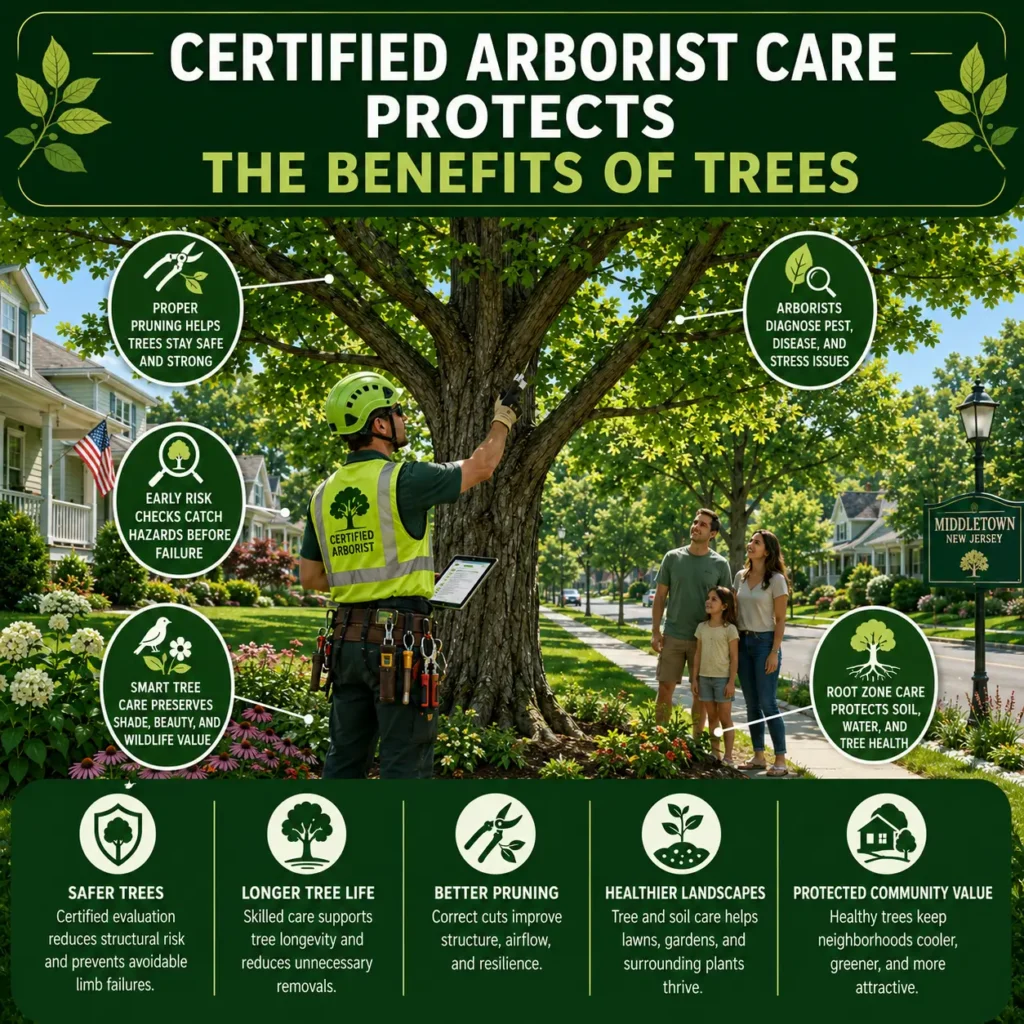
Certified Arborist Care Protects the Benefits of Trees
Certified arborist care is the link between loving trees and managing them responsibly. In Middletown Township, that means looking at tree health, structure, species, soil, drainage, targets, and long term property goals. A tree is never evaluated in isolation. It is evaluated as part of the yard and the neighborhood around it.
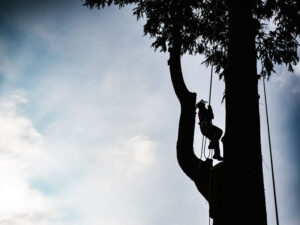
Pruning supports the environmental value of a tree by improving airflow, reducing deadwood, correcting weak structure, and allowing the canopy to grow in a more stable form. Restoration can help stressed trees recover from storm damage, construction impacts, soil compaction, or past improper cuts. Risk mitigation reduces the chance that a tree becomes a preventable emergency.
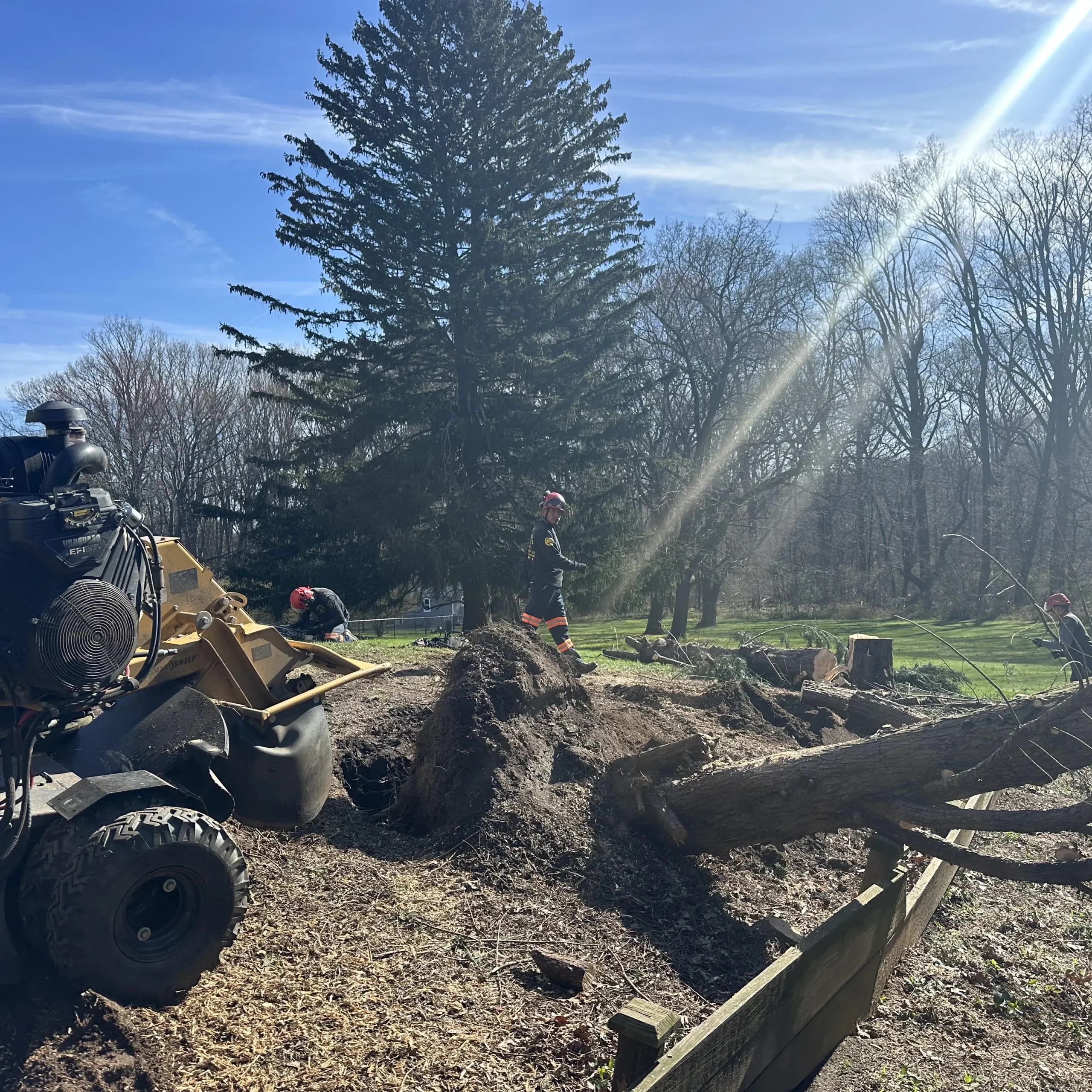
Removal is sometimes necessary, but it should be the last responsible step after inspection. A dead, hollow, severely leaning, or structurally compromised tree may no longer be safe enough to keep. When removal is required, permit guidance and replacement planning help homeowners stay responsible and rebuild canopy over time.
Homeowners can also make better choices by planting for the site. A tree for a windy Bayshore property may not be the same tree we would recommend in a sheltered Lincroft yard. Mature size, root behavior, salt tolerance, shade needs, and maintenance expectations all matter.
Hufnagel Tree Service helps Middletown homeowners protect the good trees, improve the stressed trees, and remove the unsafe trees with care. For pruning, restoration, risk evaluation, or permit guidance, call 732-291-4444 and schedule a certified arborist consultation.
Responsible tree care keeps the environmental benefits while reducing preventable risk.
- Inspection separates manageable stress from serious hazards.
- Restoration can preserve valuable mature trees when structure allows.
- Removal should be guided by safety, condition, and local requirements.
- Replacement planning helps keep Middletown’s tree canopy strong over time.
Trees are part of the environmental health of Middletown Township, from shade and stormwater to wildlife and neighborhood character. With the right care, homeowners can keep those benefits working while avoiding the damage caused by neglect, unsafe trees, and poor maintenance.
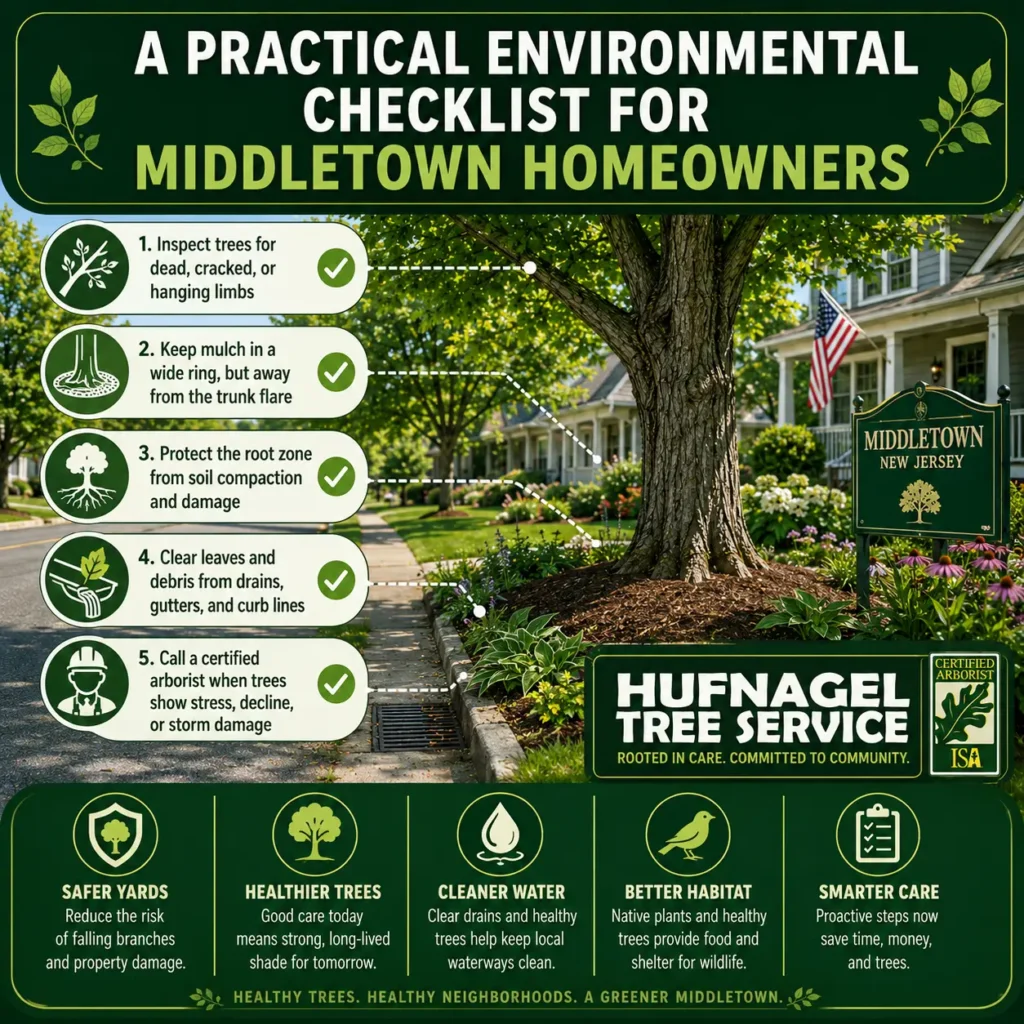
A Practical Environmental Checklist for Middletown Homeowners
Environmental tree care does not have to be complicated. Middletown homeowners can start by identifying which trees provide shade, privacy, stormwater help, and wildlife value, then noting which trees are declining, overcrowded, invasive, or poorly placed. That simple distinction helps guide better decisions about pruning, restoration, removal, and replacement.
A property near the Bayshore may need a different plan than a shaded Lincroft or Chapel Hill yard. Wind exposure, salt influence, drainage, soil compaction, and proximity to structures all affect the right answer. The goal is not to keep every tree forever. The goal is to keep the right trees healthy, improve stressed trees when possible, and remove unsafe trees before they cause damage.
A homeowner can support Middletown’s local environment with a few careful habits.
- Preserve mature healthy trees that provide shade, habitat, and stormwater benefits.
- Remove deadwood and weak limbs before they become storm debris.
- Control invasive growth that chokes out better trees and native plantings.
- Replant with species suited to the property’s soil, wind, drainage, and space.
Tree care is one of the most practical ways homeowners can support Middletown Township’s local environment. With certified arborist guidance, the same work that protects a home can also protect shade, wildlife, soil, and neighborhood character. That approach reflects more than 25 years of local Monmouth County tree care and a reputation supported by more than 200 five star Google reviews.
Schedule Service Now!
From precision pruning and safe removals to health assessments and preventative care, Hufnagel Tree Service delivers expert solutions backed by decades of experience. We offer certified insight, fair pricing, and a commitment to doing what’s best for your landscape.
Learn More About Our Services
Related Articles
Managing Leyland Cypress Trees in New Jersey Landscapes
Protecting Trees from Snow and Ice in West Long Branch, NJ