Brielle Tree Risk Assessment for Storm Damage and Hazardous Trees

A certified arborist tree risk assessment can reveal storm damage, root instability, weak branch unions, decay, and other hidden hazards around Brielle homes before fall weather turns a manageable problem into an emergency.
Share This Article

Contents

Tree Risk Assessment in Brielle Starts With the Property Around the Tree

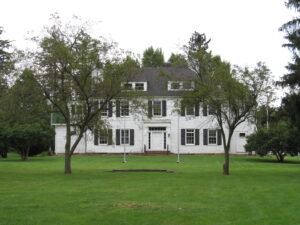
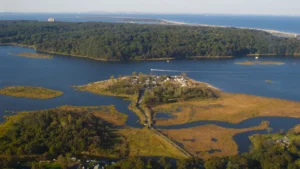
Brielle has always been a community where trees are part of the character of the property. From established homes near the Manasquan River to streets around Brielle Road, Union Lane, and the borough’s quieter residential blocks, mature shade trees sit close to houses, garages, pools, driveways, patios, and carefully maintained landscaping. The borough’s own historical material on Brielle shade trees describes how trees along the Manasquan River have long been valued for beauty, moisture conservation, and protection from ocean winds. That history still matters when we evaluate a mature tree today.

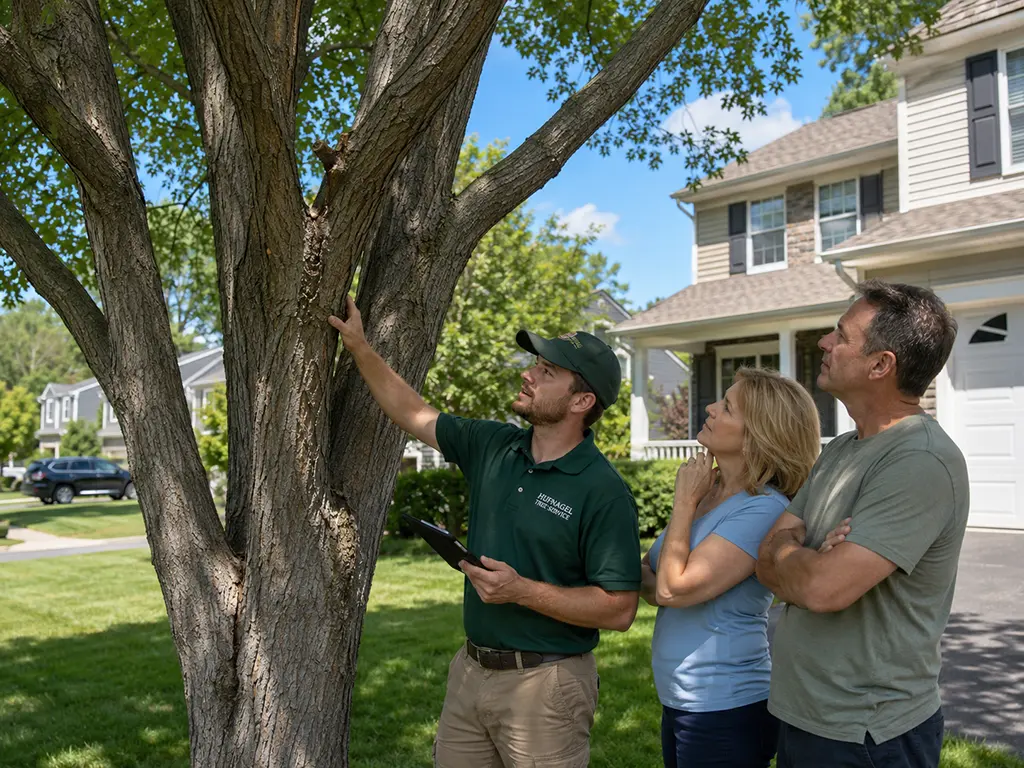
A tree risk assessment is not a search for an excuse to remove a tree. Our first job is to understand what changed, what is still sound, and what could realistically fail. We look at the tree itself, the soil and root area, the direction of lean, the canopy, previous pruning, visible wounds, decay, branch attachments, and what would be struck if part of the tree failed. That last point is especially important on high value Brielle properties where a large limb may be positioned over a roof, pool, dock access, parked vehicles, or an outdoor living space.

Hufnagel Tree Service brings almost 30 years of local experience to this work. Our approach to tree risk inspection and health assessment is based on preservation first judgment. Some defects can be reduced through careful pruning or restoration. Others need monitoring. A smaller number of trees have structural problems that make removal the responsible recommendation. The point of an inspection is to make that distinction before weather makes it for you.

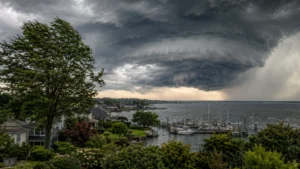
Brielle also sits close enough to coastal weather that a calm looking September afternoon can hide the effects of a difficult summer. Repeated thunderstorms, strong gusts, periods of saturated soil, heat stress, and lightning can all change a tree without producing an obvious broken trunk. New Jersey emergency guidance specifically warns homeowners to check yards for dead or rotting trees and branches before severe thunderstorms. We take that concern a step further by looking for subtler conditions that a homeowner may not be able to see from the ground.

When we finish the first pass, the question is simple: is the tree behaving like a healthy, stable tree in its setting, or are there changes that deserve action? That is the foundation for every recommendation that follows.

What We Are Trying to Learn Before We Recommend Work

  • Whether recent storm exposure changed the tree’s lean, canopy balance, or branch attachments
  • Whether decay, cavities, cracks, weak unions, or deadwood are affecting structural strength
  • Whether the root plate or surrounding soil shows movement, erosion, saturation, construction injury, or restricted rooting space
  • Which homes, driveways, patios, pools, neighboring properties, utilities, or gathering areas are within reach of a possible failure
  • Whether pruning, restoration, monitoring, or removal offers the best practical reduction in risk

A good assessment gives us a reasoned starting point, not a dramatic conclusion. Once we know what the tree is telling us, we can look more closely at the damage that summer may have left behind.

Summer Storm Damage Is Not Always Hanging in Plain Sight

Tree X-Ray

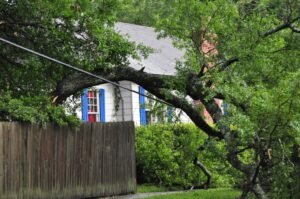
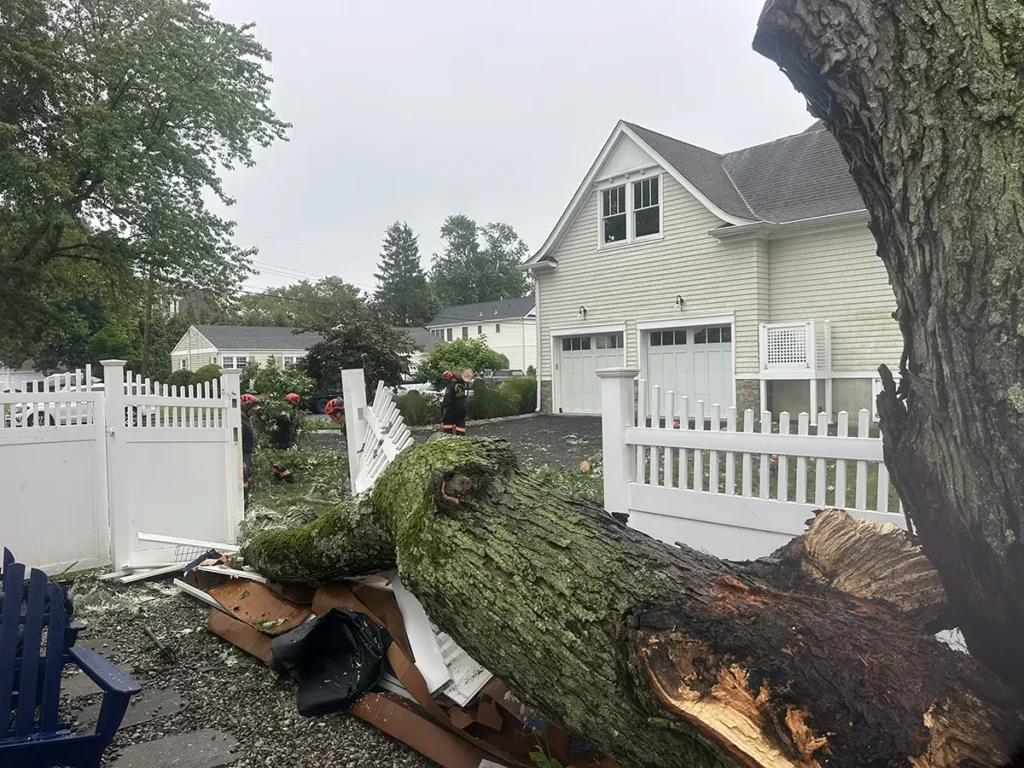
Most people know to call when a major limb is already on the lawn. The harder problems are the ones that remain attached. A branch can crack internally and stay in the canopy. A multi stem union can begin separating under load. Bark can split after a strong flexing event. A large leader can twist enough to weaken its attachment without dropping immediately. Those are the conditions that can turn into a clear day failure weeks after the storm has passed.

We also look closely at lightning exposure. A direct strike can leave obvious bark loss, but lightning effects are not always dramatic from the ground. Sometimes the first change is a strip of damaged tissue, canopy thinning, or gradual decline. Our local guidance on lightning damaged trees explains why a tree that survives the initial strike may still need follow up observation. In a mature oak or maple, a delayed response can matter as much as the damage seen on day one.

The soil deserves equal attention. Heavy rain can soften the root zone, especially where drainage is poor or where roots are confined by driveways, patios, retaining features, or repeated landscape construction. We look for fresh soil heaving, cracks in the ground, roots that have become newly exposed, and a root flare that appears to have shifted. A tree can carry a full green canopy and still have a developing stability problem below grade.

This is also why we discourage homeowners from making aggressive cuts just because a tree looks heavy after a storm. Proper tree trimming and pruning should solve a defined problem while preserving enough live canopy for the tree to function. Randomly stripping interior growth or cutting large limbs without understanding load distribution can create new stress and poor future structure. Rutgers NJAES makes the same basic point in its guidance on hiring a tree care professional: large tree work is dangerous and should be handled by trained professionals who understand proper pruning.

Mike Hufnagel often tells property owners, “The branch on the ground is easy to diagnose. The one I worry about is the damaged branch that stayed in the tree and looks normal from the driveway.” That is exactly why post summer assessment has value.

Storm Clues Worth Taking Seriously

  • Fresh bark separation, torn fibers, or cracks where large limbs join the trunk
  • A canopy that suddenly looks uneven, sparse, or heavier on one side
  • New leaning, soil lifting, or movement around the base after heavy rain
  • Large dead limbs, hanging branches, or repeated unexplained limb drop
  • A tree that changed color, leaf density, or overall appearance after lightning, wind, or flooding

Those signs do not automatically mean removal. They mean the tree deserves a closer look, especially when valuable property and daily activity are within its reach.

Brielle Properties Create High Consequences for Small Tree Defects

rot02

Tree risk is never only about the size of a defect. It is also about the target. A hollow limb over an unused corner of a wooded lot is a different problem from the same limb over a bedroom, pool deck, driveway, or neighbor’s fence. Brielle has many properties where mature trees are woven tightly into the way the home is used. Outdoor kitchens, patios, detached garages, docks, play areas, and landscaped entrances can all sit beneath established canopy.

That is why we walk the property instead of evaluating a tree as if it were standing in an empty field. We want to know where people park, where children play, where guests gather, how service vehicles enter, and which parts of the yard are occupied every day. Property managers and landscape professionals can be especially helpful because they often notice changes before the homeowner does. A new dead limb, fresh soil disturbance, or a lean that seems slightly different may be obvious to the person who sees the property every week.

We also pay attention to valuable trees that should not be removed casually. Mature oaks, maples, sycamores, hollies, pines, dogwoods, and ornamental trees can contribute substantially to shade, privacy, and the visual balance of a Brielle property. When the structure allows it, selective pruning, load reduction, or a staged restoration plan may preserve the tree while addressing the specific defect. Our existing work on riverfront tree care in Brielle reflects that same balance between appearance, health, and storm readiness.

In other cases, the tree has crossed a line where preservation no longer makes sense. Advanced decay at a critical union, major root plate movement, extensive dead canopy, a severe trunk crack, or an uncorrectable lean toward an occupied structure can change the recommendation. When removal is necessary, our tree removal service focuses on controlled planning around structures, landscapes, and limited access rather than treating the job like open lot clearing.

A risk evaluation is valuable because it separates cosmetic concerns from structural concerns. It helps us protect the trees worth preserving and act decisively when a defect cannot be reduced to a reasonable level.

What Matters Most on a High Value Residential Property

  • The condition of the tree and the exact defect being evaluated
  • The probability that the whole tree or a specific part could fail
  • The home, vehicles, hardscapes, utilities, neighboring property, or people within striking distance
  • Whether targeted pruning or restoration can reduce the problem without harming the tree
  • Whether the property needs immediate work, scheduled work, or documented monitoring

That distinction keeps the conversation practical. It also makes it easier to plan the right work before autumn winds increase the load on an already compromised tree.

A Fall Plan Should Be Based on Findings, Not Fear

Multi-Stem Tree Inspection

September is a useful time for a Brielle tree assessment because summer has already tested the landscape and there is still time to make deliberate decisions before late fall and winter weather. We can see what survived the growing season well, what declined, what changed after thunderstorms, and where pruning or support work may be justified. The goal is not to declare every mature tree dangerous. The goal is to identify the handful of conditions that deserve attention.

When the tree is structurally sound but stressed, the recommendation may center on health and monitoring rather than cutting. Our tree health management service considers root conditions, canopy response, pests, disease, and environmental stress when structural defects are not the main issue. A declining tree and an unstable tree are not always the same thing, and treating them as if they are can lead to unnecessary work.

When a branch or leader is the concern, selective pruning may reduce leverage and remove damaged wood. When a valuable tree has correctable defects, restoration may be staged over time. When the tree is stable enough to retain but worth watching, photographs and notes create a useful comparison for the next inspection. When the structure cannot be made reasonably safe, removal becomes the appropriate final option.

New Jersey also requires tree care businesses to meet state registration and licensing requirements. The New Jersey Board of Tree Experts advises consumers to verify credentials and insurance before allowing tree work on their property. That matters even more after storms, when rushed decisions and unqualified crews can turn an existing tree problem into a property or liability problem.

Mike puts it simply: “Inspection should narrow the choices. By the end, you should understand what we found, what we can preserve, what needs work, and what can safely wait.” That is the standard we bring to Brielle properties.

The Practical Outcomes of a Tree Risk Assessment

  • No immediate work when the tree is stable and the concern is cosmetic or minor
  • Targeted pruning when damaged, dead, overextended, or poorly attached limbs can be corrected
  • Restoration or health management when the tree is worth preserving and the defect is manageable
  • Scheduled monitoring when a condition is stable but should be compared over time
  • Removal when severe structural or root defects cannot be reduced to an acceptable practical level

The best time to make those decisions is while the weather is calm and access is good, not after the tree has already become an emergency.

Schedule a Brielle Tree Risk Assessment With Hufnagel Tree Service

Hufnagel Tree Service provides certified arborist tree risk assessments for Brielle homeowners, property managers, and professionals responsible for maintaining valuable residential landscapes. We bring almost 30 years of local experience, preservation focused recommendations, careful work, and a reputation backed by 280+ 5-Star Reviews on Google Maps.

If a tree has changed after this summer, is leaning toward the house, dropping limbs, showing cracks or decay, or simply gives you a reason to question it, call Hufnagel Tree Service at (732) 291-4444 to schedule a Brielle specific assessment before fall weather adds another test.

Schedule Service Now!

From precision pruning and safe removals to health assessments and preventative care, Hufnagel Tree Service delivers expert solutions backed by decades of experience. We offer certified insight, fair pricing, and a commitment to doing what’s best for your landscape.

Where Do You Need Service?
Please Enter Your Contact Information
Are You A New or Existing Customer?
How Can We Help You?

Thank You!

Your Message Has Been Sent

We Will Contact You About Your Inquiry Shortly.

We Could Not Find A Direct Link To A Tree Removal Permit Application For The Town You Selected.

Please contact your local municipality to determine if a permit is required for your tree removal project. They will provide you with the most accurate and up-to-date information.