Contents
Late Summer Is the Right Time to Reassess Risk on Rumson Properties
By the end of August, a Rumson property has already absorbed a full season of heat, fast growth, thunderstorms, heavy rain, and repeated wind. On properties near the Navesink and Shrewsbury Rivers, trees and hedgerows also live with more persistent coastal exposure than many inland landscapes.
That inspection matters whether you are the homeowner making the call yourself or the person responsible for maintaining the property. In Rumson, many homes are cared for by property managers, estate managers, landscape companies, house staff, and management firms that need clear recommendations instead of guesswork. On a large or high value property, the goal is not simply to identify a bad branch. It is to understand what changed, what could fail, what is at risk below it, and what action should be taken before the problem becomes an emergency.
For a property manager, that means tree care becomes part of overall property risk management. A mature tree may be close to the residence, guest house, pool, driveway, detached garage, utility line, gate, patio, or an area regularly used by residents, staff, contractors, or visitors. If that tree has been stressed by wind, saturated soil, lightning, or repeated summer storms, the concern is not only whether it still looks healthy from a distance. The concern is whether its structure or root system has changed enough to increase the chance of failure.
The difficult part is that storm damage is not always obvious. A tree can remain standing, keep most of its foliage, and appear normal after the weather clears. At the same time, roots may have shifted in saturated soil, a major branch union may have opened slightly, internal decay may have advanced around an old wound, or hidden cracks may have formed higher in the canopy. Those are the kinds of conditions that can be missed during routine landscaping but identified during a more focused inspection by a certified arborist.
As Mike Hufnagel puts it, “The storm does not have to knock a tree down to damage it. Sometimes the important question is what changed inside the tree or below the soil after the weather cleared.”
That distinction is especially important around mature Rumson landscapes. Many of these properties contain established trees that contribute shade, privacy, character, and substantial landscape value. Preserving those trees is often the right goal, but preservation should not mean ignoring defects. A properly evaluated tree may only need selective pruning, deadwood removal, weight reduction, monitoring, or another corrective measure. In other cases, the inspection may reveal that the risk has progressed far enough that removal is the safer option.
For homeowners and property managers alike, the value of the inspection is having a qualified person make that distinction. Instead of reacting to every leaning tree or dead limb with unnecessary removal, we can identify which conditions are manageable and which deserve immediate attention. That helps protect the property while also avoiding needless loss of healthy, valuable trees.
Seasonal inspections also make ongoing property management easier. If a manager is responsible for multiple vendors, staff schedules, landscaping, storm preparation, and maintenance budgets, a written or clearly explained arborist recommendation provides something concrete to act on. It allows tree work to be prioritized alongside other property needs rather than waiting for a branch to fall, a driveway to be blocked, or a tree to damage a structure.
On Rumson properties, where mature trees often stand close to expensive homes and heavily used outdoor spaces, that kind of preventive approach can make a significant difference. The objective is not to create alarm around every large tree. It is to recognize that severe weather can change a tree in ways that are not immediately visible, and that identifying those changes early gives homeowners and property managers more options, more control, and far less risk.
How Summer Weather Changes Tree Risk in Rumson
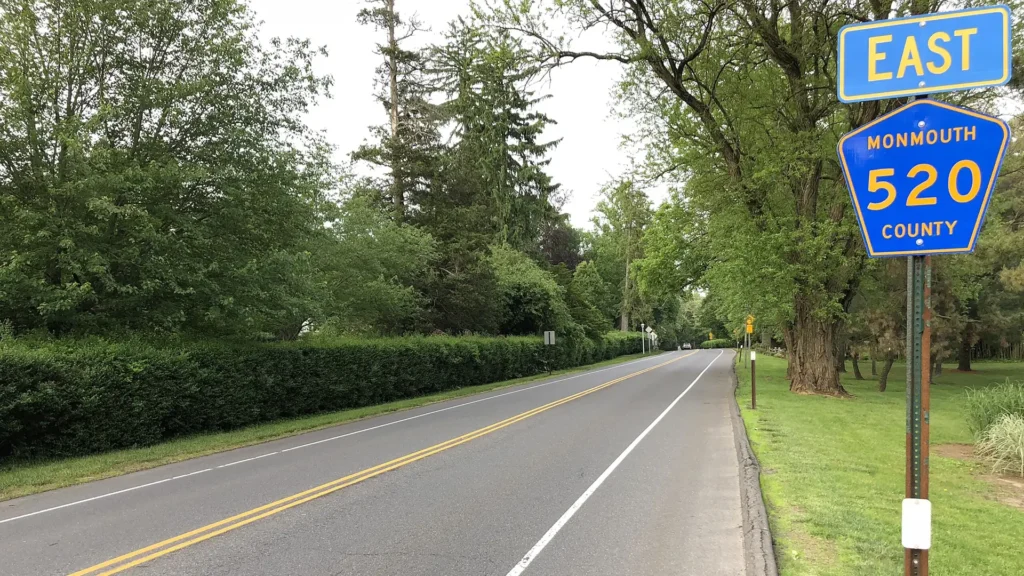
Summer weather stresses trees in more than one way. Wind loads the canopy and exposes weak unions or overextended limbs.
Rumson adds its own local conditions. Properties closer to the rivers can experience stronger gusts, humid conditions, and salt influenced air.
For a homeowner, the first concern is usually the tree closest to the house. For a property manager, the list is broader.
Late summer is also when the canopy is fully visible. We can compare leaf density, branch dieback, tip growth, abnormal color, and sections that are thinning while surrounding limbs remain vigorous. That information can guide a more focused tree health assessment before fall leaf drop makes some symptoms harder to read.
The goal is not to label every large tree dangerous. Mature trees are valuable assets in Rumson, and many can be retained with thoughtful care. The goal is to identify the smaller number of trees or limbs that deserve closer attention before another weather event adds stress.
What We Check After a Hard Summer
- New deadwood or broken hanging branches high in the canopy
- Fresh cracks, split unions, bark separation, or newly exposed wood
- Soil lifting, root plate movement, erosion, or unusual settling near the trunk
- Sudden canopy thinning, early browning, or dieback on one side of the tree
- Limbs that now contact roofs, chimneys, garages, wires, fences, or other structures
End of summer risk work starts with observation, not automatic cutting. A property can look polished and still contain a tree that changed during a July or August storm. We use those visible clues to decide whether routine care is enough or whether the tree deserves a closer structural inspection. That leads to the next concern, hidden damage that may remain after the cleanup crew and weather alerts are gone.
Hidden Storm Damage Can Remain After the Property Looks Normal
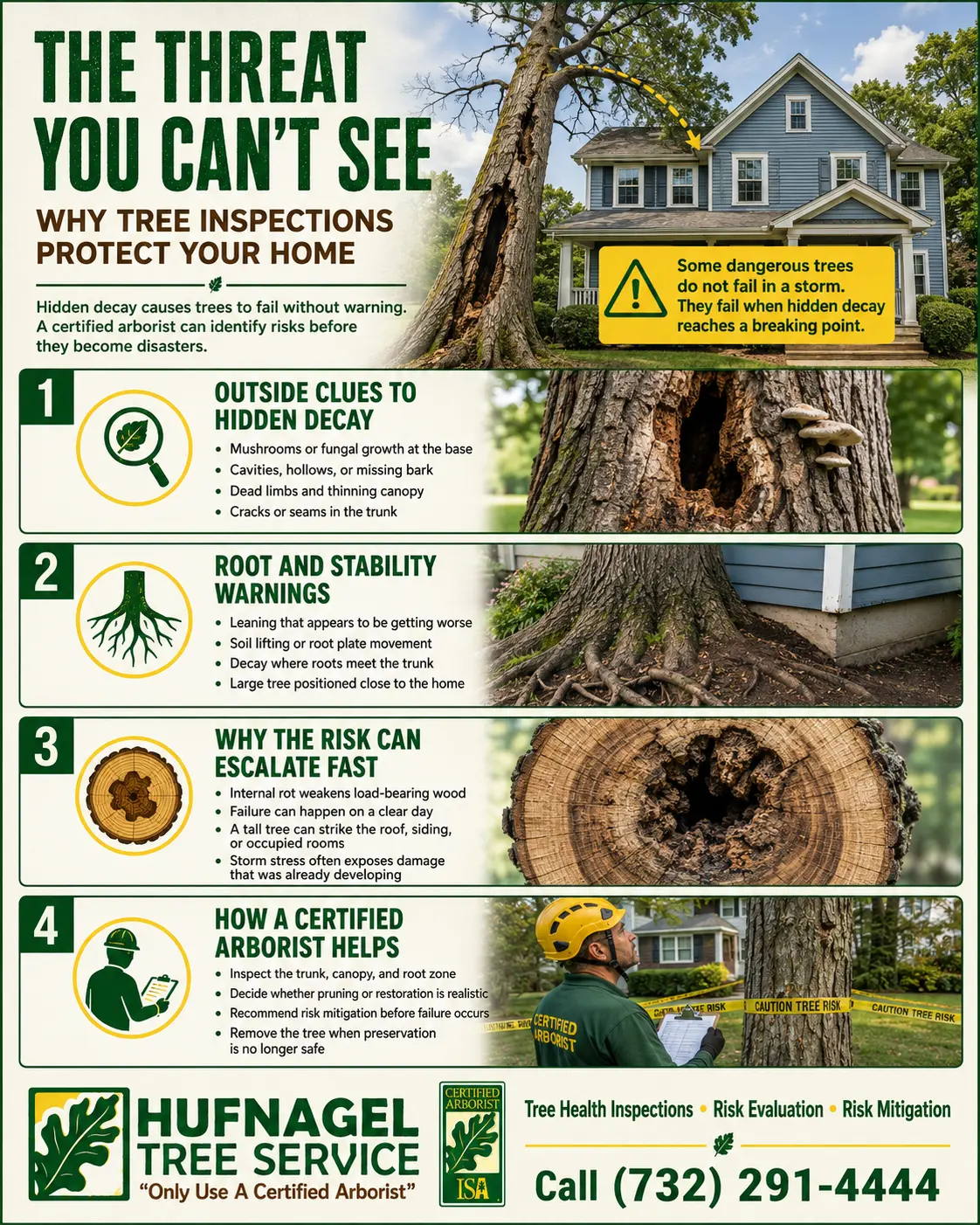
The most deceptive tree problems are often the ones that do not create immediate debris. A storm can twist a major limb without fully breaking it, open a narrow crack at a branch union, shift the root plate slightly, or overload a tree that already contains internal decay.
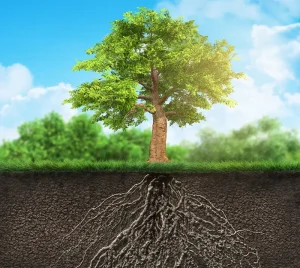
Root problems deserve special attention after saturated weather. The U.S. Forest Service notes in its tree risk guidance that root injuries and wet sites are significant contributors to tree failure.
Internal decay works the same way. A mature trunk can retain enough sound outer wood to keep a full canopy green even when decay has reduced structural strength inside.
A clear day does not eliminate failure risk. Trees and large limbs can fail after the triggering weather event because compromised wood, roots, or unions continue carrying the same load every day. That is why we do not wait for the next thunderstorm warning to discuss a tree that is already leaning toward a bedroom, pool, driveway, or frequently used outdoor area.
For managers overseeing multiple vendors, this is where documentation becomes useful. A concise arborist recommendation helps separate urgent work from cosmetic requests and gives the owner a rational basis for approving pruning, monitoring, restoration, or removal. It also creates a clearer maintenance history for a property with many mature trees.
Signs That Move a Tree Up the Inspection List
- A lean that appears new or has increased since recent storms
- Mushrooms, conks, cavities, or soft wood near the trunk base
- Cracks at major unions or between multiple stems
- Sections of canopy that died back rapidly during summer
- Roots exposed by erosion, construction, trenching, or soil movement
Hidden defects matter because the tree does not have to look dead to create risk. A healthy looking crown can sit above compromised roots or decayed wood. The more valuable and heavily used the surrounding area is, the less sense it makes to rely on appearance alone. Once a defect is identified, the next question becomes what could happen if that part of the tree actually fails.
Tree Failure Near a Home Is a Life Safety Problem, Not a Landscape Problem
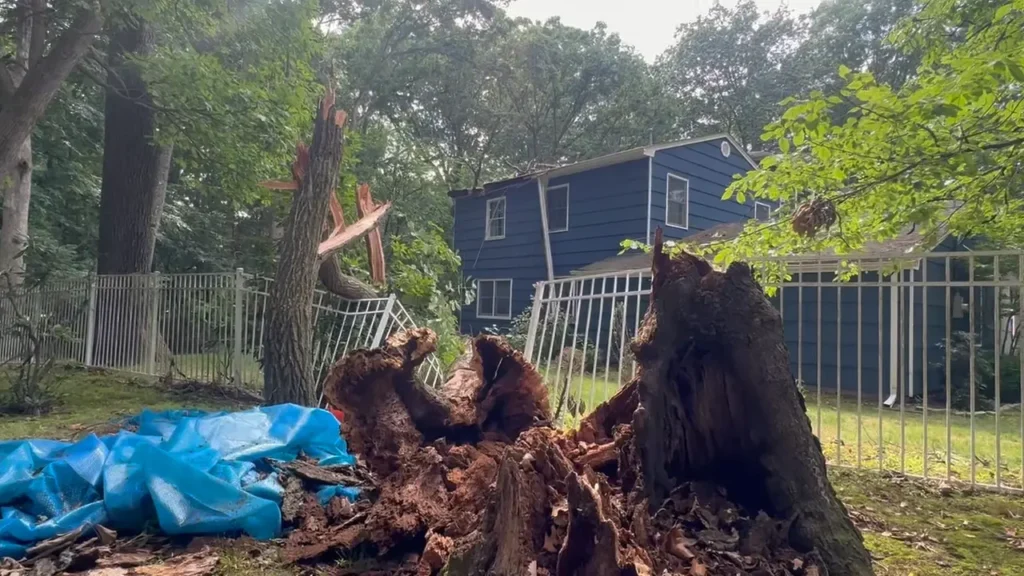
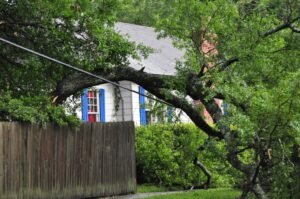
A falling limb can damage a roof or car, but the real concern is that the same limb can strike a person. Mature trees carry enormous weight, and the force involved in a branch or whole tree failure can be catastrophic.
Rumson properties often place mature trees close to the very spaces people use most: driveways, patios, pools, play areas, outdoor kitchens, guest parking, and walkways between the main house and accessory structures. A property manager may also need to account for landscapers, house staff, contractors, delivery drivers, and visitors who spend time beneath the canopy.
A visibly leaning tree deserves attention when its direction of fall includes a home or gathering area, particularly if the lean is accompanied by soil movement, root damage, decay, dead sections, or a recent change in angle. The same is true for mature trees that have repeatedly lost limbs or contain large dead branches.
We also pay attention to trees that could block the property after failure. A trunk across the only driveway can prevent normal access and complicate emergency response.
The objective is proportionate action. Some hazards can be reduced by removing deadwood or reducing an overextended limb. Some trees need ongoing observation. Others have structural conditions that make removal the responsible choice. A certified assessment helps prioritize those decisions without turning every imperfection into a removal recommendation.
Targets That Turn Tree Defects Into Serious Risk
- Bedrooms, living areas, guest houses, garages, and occupied structures
- Pools, patios, play areas, terraces, and outdoor gathering spaces
- Primary and secondary driveways, gates, and service entrances
- Frequently parked vehicles and equipment areas
- Neighboring homes, fences, utilities, and public rights of way
Tree risk is ultimately about both the condition of the tree and what is exposed below it. High use areas deserve a lower tolerance for unresolved hazards than isolated areas with little activity. That does not mean removing every mature tree around a residence. It means giving the highest consequence locations the most disciplined attention, then using appropriate late summer maintenance to reduce manageable problems without overworking the landscape.
End of Summer Maintenance Should Be Selective and Purposeful
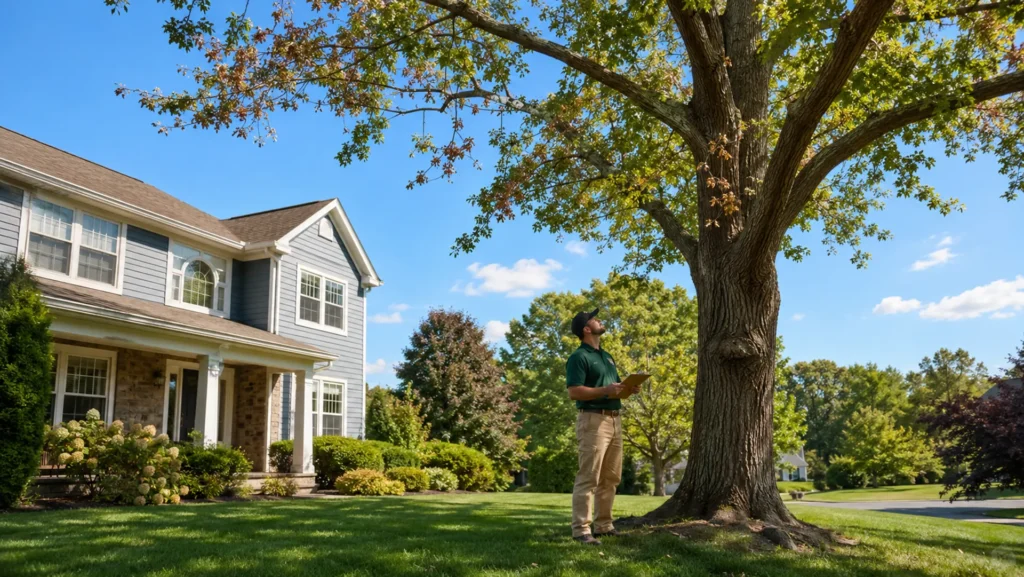
Late August is not the time to indiscriminately strip a mature canopy. The better approach is selective maintenance based on species, condition, and objective.
Species timing matters. Rutgers specifically recommends that oaks in New Jersey not be pruned during the growing season for disease prevention, with December through February identified as the safest period.
Hedgerows and privacy plantings are also part of the risk and maintenance picture on Rumson properties. Tall hollies, yews, privet, arborvitae, and mixed screens can become top heavy, obscure sight lines, interfere with lighting or cameras, and press against structures. Appropriate hedgerow trimming can restore shape and access while preserving the privacy these plantings were designed to provide.
Late summer is also a useful planning point for removals and replacements. If a tree is dead, severely compromised, poorly located, or creating an unacceptable target risk, removal can open a planting opportunity for fall or the next suitable season. We prefer to think in terms of the entire landscape, not simply what disappears from it.
For managed properties, bundling this work into a prioritized list can simplify approvals and scheduling. Urgent safety items can move first. Routine aesthetic items can be grouped efficiently. Species specific pruning can be deferred to the correct season. The owner gets a cleaner property and a more defensible maintenance plan.
Late Summer Work That Makes Sense Now
- Remove dead, broken, or hanging branches where timing permits
- Correct immediate clearance conflicts around structures and access areas
- Shape appropriate ornamental trees and hedgerows conservatively
- Remove trees that present an unacceptable risk and cannot be retained responsibly
- Create a fall and winter schedule for species that should be pruned later
Good end of summer care is controlled, not aggressive. The inspection determines what needs action, while species biology determines when and how that action should happen. That distinction protects mature trees from unnecessary cuts and keeps the property looking intentional rather than overpruned. The quality of those decisions depends heavily on who is making them, which is why certification matters.
Choosing a Certified Arborist Changes the Quality of the Decision
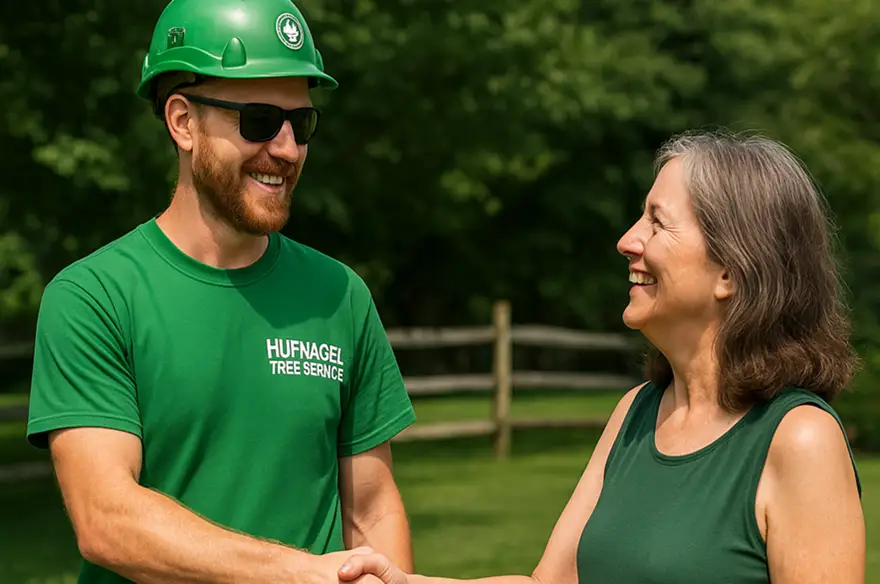
Tree work is unusual because the most important part of the service may happen before any equipment is unloaded. Someone has to decide whether the tree is healthy, declining, structurally compromised, recoverable, or simply in need of routine care.
A certified arborist evaluates the whole tree. We look at species, growth response, branch architecture, decay indicators, root conditions, site changes, targets, and the owner’s goals. The recommendation might be pruning, health management, monitoring, restoration, or removal. It should not automatically be whatever service happens to produce the largest job that day.
That is especially useful when a property manager is acting on behalf of an owner. You need an expert who can explain why a recommendation is being made, identify urgency, and distinguish risk reduction from optional appearance work.
Mike’s view is straightforward: “If someone is responsible for a valuable property, I want them to be able to explain exactly why we are touching a tree. Sometimes the right answer is to prune it. Sometimes it is to leave it alone and watch it. Certification helps us make that call based on the tree, not on guesswork.”
Hufnagel Tree Service is built around that approach. We have earned more than 275 five star reviews, but the more useful measure for a risk inspection is whether the owner or manager finishes the visit with a clear understanding of what matters now and what can wait.
What Certified Arborist Oversight Adds
- Species specific pruning and maintenance decisions
- Recognition of structural defects, decay, root issues, and stress symptoms
- Risk recommendations tied to actual targets and property use
- A preservation first option when a valuable tree can reasonably be retained
- Clear priorities for owners, managers, staff, and other landscape vendors
Certification does not mean every tree problem is complicated. It means the diagnosis and recommendation are grounded in professional tree knowledge. On a property where mature trees contribute to privacy, appearance, shade, and value, that distinction is worth having before major decisions are made. The final step is simple: inspect the trees while summer conditions are still visible and create a plan before fall storms make the choices for you.
Schedule a Rumson Tree Risk Inspection Before Fall Storms
If you own, manage, or oversee a property in Rumson and have mature, leaning, storm damaged, or high consequence trees near the home or grounds, call Hufnagel Tree Service at (732) 291-4444. We can perform a tree risk evaluation, explain the priorities clearly, and coordinate the right mix of pruning, health management, hedgerow care, monitoring, or removal for the property.
Schedule Service Now!
From precision pruning and safe removals to health assessments and preventative care, Hufnagel Tree Service delivers expert solutions backed by decades of experience. We offer certified insight, fair pricing, and a commitment to doing what’s best for your landscape.
Learn More About Our Services
Related Articles
Winter Tree Risk Inspections in Loch Arbour NJ
Insurance Company Tree Trimming Notice: Call Hufnagel