
Contents
Brielle Tree Care Requires Waterfront Judgment
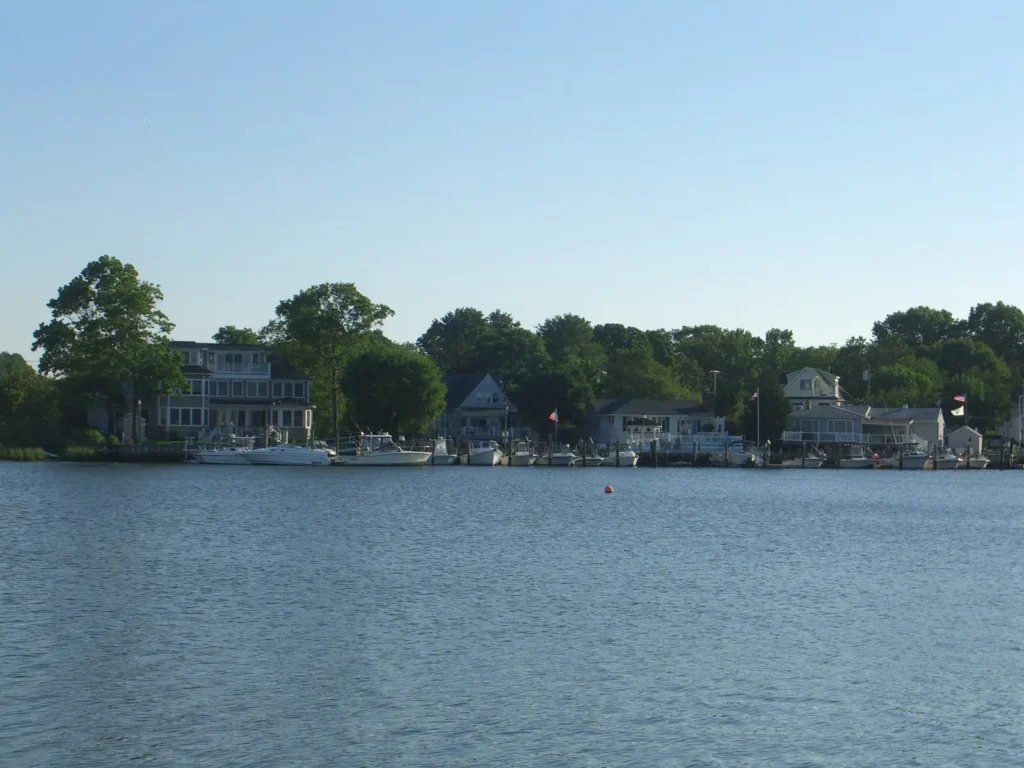
Brielle, NJ sits at the southern edge of Monmouth County, where riverfront living, mature landscaping, marinas, and established neighborhoods all meet. Trees near the Manasquan River, Glimmer Glass, Debbie’s Creek, Union Avenue, Higgins Avenue, and the residential streets around town face a different set of pressures than trees farther inland.
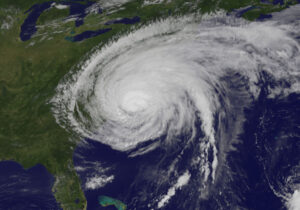
The waterfront setting is beautiful, but it can be hard on trees. Wind, salt exposure, tidal moisture, sandy or compacted soils, and storm pressure can all affect root stability and canopy strength. For homeowners, that means tree care has to be practical, local, and based on real arborist inspection.
Hufnagel Tree Service treats Brielle properties with the attention they deserve. A riverfront tree may be shading a deck, screening a neighbor, protecting outdoor living space, or standing close to a driveway, dock, garage, or pool. Good tree work has to protect all of that, not just make the tree smaller.
“In Brielle, a tree can be close to the river, a driveway, a deck, and a neighbor all at once,” says Michael Hufnagel, Certified Arborist and owner of Hufnagel Tree Service. “That is why planning matters before any cut is made.”
Our work in Brielle centers on expert pruning, tree restoration, risk mitigation, and responsible removal only when a tree cannot be made safe. The right plan keeps the property attractive, protects the home, and gives healthy trees the best chance to keep standing strong.
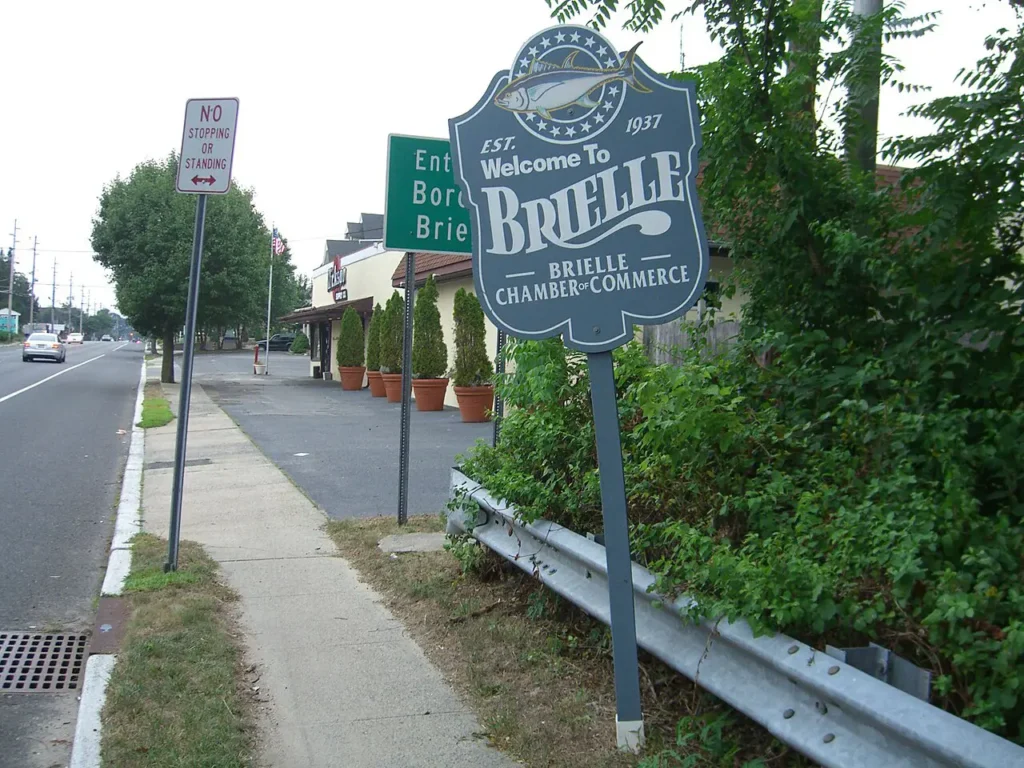
Waterfront Tree Stress Near the Manasquan River
Trees near the Manasquan River and Brielle’s tidal waterways experience steady environmental stress. Wind can push canopies in one direction for years. Salt air can dry leaves and needles. Saturated soil can affect roots after heavy rain. These stresses may not kill a tree quickly, but they can weaken it over time.
We evaluate waterfront trees by looking at the canopy, trunk, root flare, surrounding grade, and exposure. A tree leaning slightly toward open water may be adapting to wind. A tree leaning suddenly after storms may be showing a root problem. Those two situations require very different recommendations.
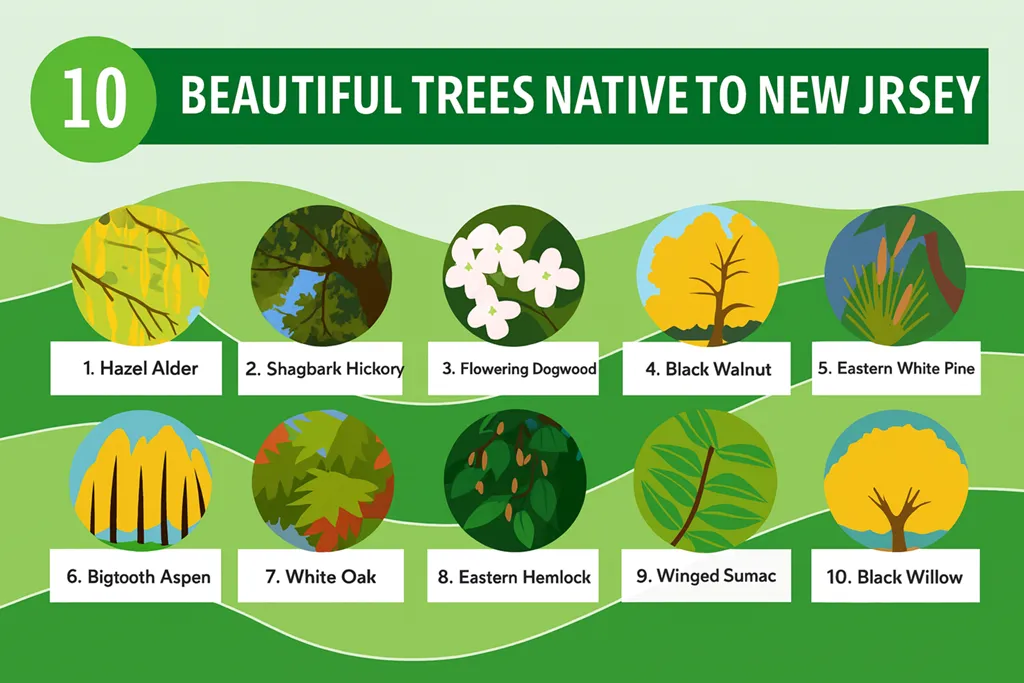
Species choice also matters in Brielle. Oaks, maples, sycamores, cherries, pears, hollies, pines, cedars, and ornamentals all respond differently to coastal pressure. Some tolerate wind and salt better than others. Some recover well after pruning, while others need a lighter hand.
Homeowners often notice symptoms before they understand the cause. Thinning canopy, repeated limb drop, dieback on one side, mushrooms near the base, or bark separation can all be clues. The answer may be pruning, restoration, soil care, monitoring, or removal, depending on what the inspection shows.
The best time to address waterfront tree stress is before failure becomes obvious. Once a large tree starts dropping heavy limbs or moving at the base, options become more limited and risk increases.
Riverfront and tidal properties create tree stress patterns that deserve close attention.
- Wind exposure can create uneven canopy weight.
- Salt air may contribute to browning, thinning, and twig dieback.
- Wet soils can reduce stability during major storms.
- Trees near decks, docks, and driveways should be inspected regularly.
Waterfront tree stress is manageable when it is caught early and treated with the right plan. Once the site conditions are understood, pruning can be used to improve safety, appearance, and long term structure.
Tree Trimming and Pruning for Brielle Homes
Tree trimming in Brielle is about more than removing branches. Many properties have carefully maintained landscapes, outdoor seating areas, waterfront views, and mature trees that define the home’s appearance. A rough cut can damage the look of the tree and create future health problems.
Our pruning work focuses on structural improvement, clearance, storm preparation, and natural shape. We remove dead and broken branches, reduce weight on overextended limbs, improve airflow, and create safe clearance over roofs, walkways, driveways, decks, and service lines. The goal is a cleaner, safer tree that still looks like itself.
For ornamental trees, pruning must be even more selective. Flowering pears, cherries, dogwoods, hollies, Japanese maples, and other ornamental plantings can be ruined by heavy cutting. Proper shaping should improve form, manage size, and support healthy growth without stripping away the tree’s character.
Brielle homeowners also care about views and privacy. We often work to preserve a sightline toward the river or open up light while keeping screening where it matters. That kind of pruning takes judgment because the wrong cut can expose a patio or remove the shade that made the tree valuable.
The most important rule is to prune for the future, not just for today. Every cut changes how the tree responds next season. A certified arborist knows how to reduce risk without forcing weak regrowth or leaving large wounds that invite decay.
Well planned pruning can improve a Brielle property without sacrificing tree health.
- Structural pruning reduces long term failure risk.
- Clearance pruning protects roofs, decks, driveways, and walkways.
- Ornamental shaping should respect natural form and bloom cycles.
- Selective thinning improves airflow while preserving shade and privacy.
Pruning is the foundation of good tree care in Brielle because it protects both beauty and safety. When pruning reveals disease, decay, storm damage, or structural weakness, we look next at restoration and risk mitigation.
Restoration and Risk Mitigation for Mature Trees
Brielle has many mature trees that are worth saving when they can be made safer. Tree restoration is the process of helping a stressed or damaged tree recover structure, balance, and health. It is especially useful when the tree still has sound roots and trunk strength but needs corrective care.
Restoration may include crown cleaning, weight reduction, cabling, bracing, soil improvement, and follow up monitoring. It may also include removing competing limbs, correcting poor previous cuts, or reducing the sail effect of a canopy exposed to waterfront wind. The plan depends on what the tree can safely tolerate.
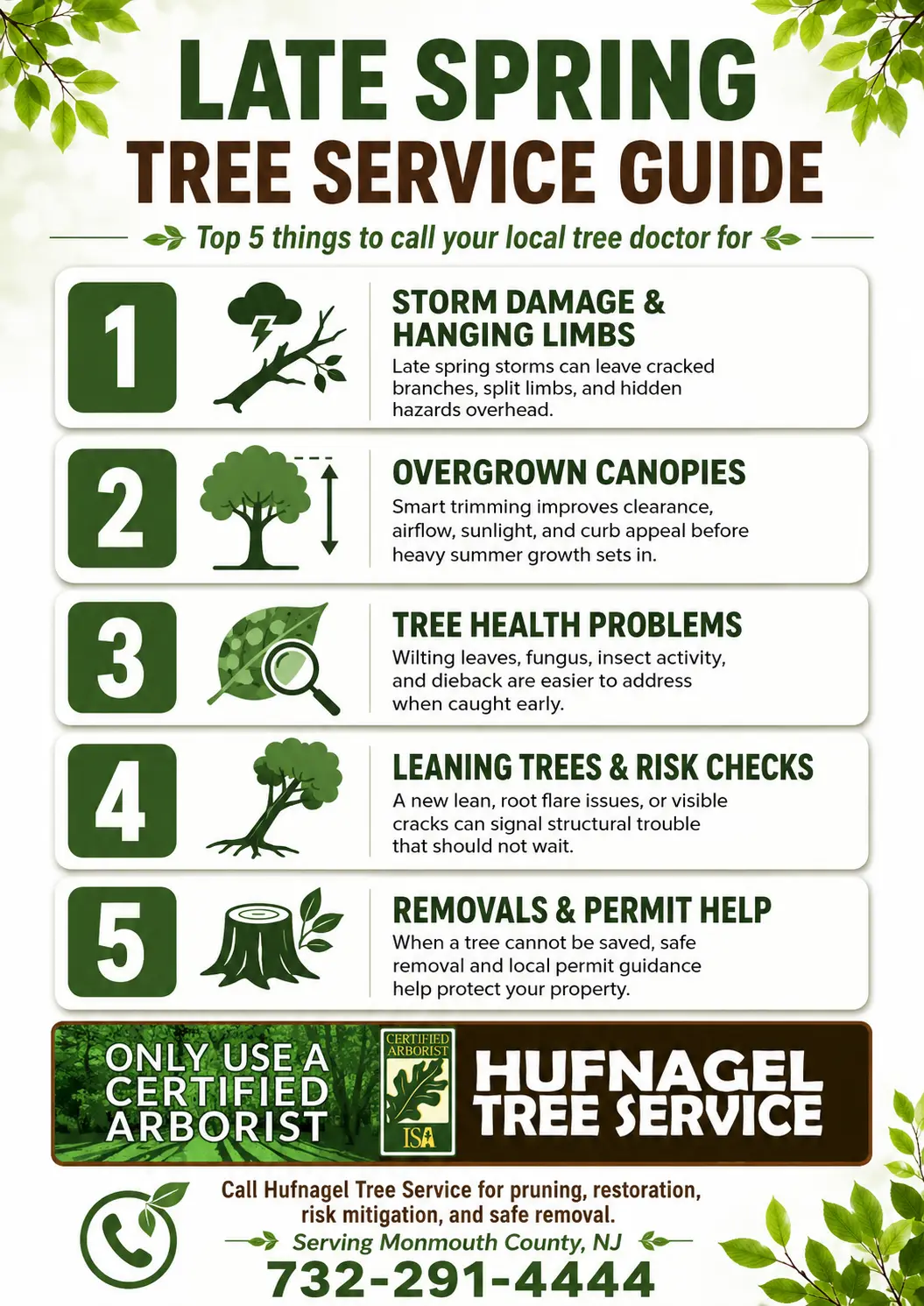
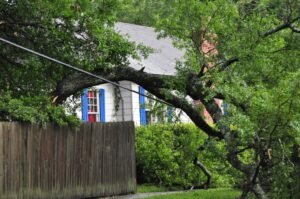
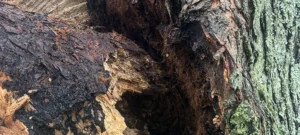
Risk mitigation focuses on the defects that could lead to property damage or injury. In Brielle, that often means looking at trees near garages, boats, docks, decks, pools, fences, driveways, and neighboring homes. We inspect for cracks, cavities, decay, included bark, hanging limbs, root movement, and heavy limbs over important targets.
Not every defect requires removal. Some trees can be managed with careful pruning and monitoring. Others are too compromised to keep. Our role is to explain the difference clearly so the homeowner can make a practical decision based on safety, cost, and tree value.
A tree that has survived many seasons near the river deserves a thoughtful evaluation before it is removed. At the same time, a dangerous tree should not be kept because it has sentimental value. Certified arborist judgment helps separate hope from risk.
Restoration and risk mitigation work best when they are based on evidence, not fear.
- Restoration can extend the life of valuable mature trees.
- Risk mitigation identifies defects before storms exploit them.
- Cabling and bracing may help some trees with weak structure.
- Removal should be reserved for trees that cannot be made reasonably safe.
Mature tree care in Brielle requires honest evaluation and a preservation first mindset. When preservation is no longer responsible, careful removal and permit guidance protect the homeowner and the property.
Responsible Removal and Permit Help in Brielle
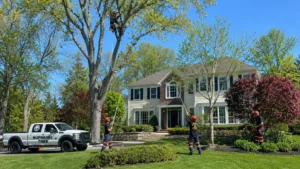
Tree removal in Brielle should be treated as a controlled operation. Waterfront homes, established landscaping, narrow driveways, fences, utilities, and outdoor living spaces can all sit close to the work area. A safe removal depends on a plan that accounts for weight, lean, access, and targets below.
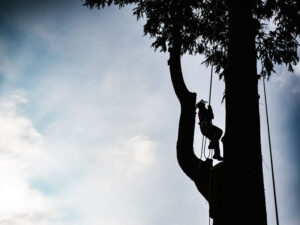
We use sectional removal, rope rigging, equipment support, and ground protection when needed. The goal is to bring the tree down without damaging the property that tree care is supposed to protect. Good cleanup is also part of the job. A property should look respected when the work is finished.
Permit assistance helps homeowners avoid confusion. Tree removal rules can be different from one municipality to another, and Brielle homeowners may need documentation when removing certain trees. We can provide arborist observations and practical support so the process is handled responsibly.
After removal, replanting should be considered carefully. The right replacement tree for Brielle should match the space, exposure, soil, and homeowner’s goals. A tree that works on an inland lot may not be the best choice near a tidal waterway.
For Brielle homeowners who need tree trimming, restoration, risk evaluation, removal, or permit guidance, Hufnagel Tree Service offers certified arborist care rooted in Monmouth County experience. Call 732-291-4444 to schedule a professional tree assessment for your property.
When a Brielle tree must come down, the job should be measured, clean, and defensible.
- Sectional removal helps protect compact waterfront properties.
- Rigging and equipment planning reduce impact risk.
- Permit guidance gives homeowners a clearer process.
- Replacement planning supports a healthier future landscape.
Brielle’s riverfront setting makes tree care both valuable and technical. Hufnagel Tree Service helps homeowners preserve trees when possible, reduce hazards before storms, and remove unsafe trees with the care their property deserves.
Skip The Pain! Call The PROS...
Brielle homeowners should think about tree care as part of overall property maintenance, especially near the river, marinas, decks, patios, and driveways. A tree that looks attractive in calm weather can still carry hidden risk if the canopy is heavy, the roots are stressed, or previous pruning left weak attachment points. Seasonal observation helps catch these issues before a storm forces an emergency call.
Walk the property after heavy rain and wind. Look for fresh cracks in large limbs, bark separation, sudden leaning, mushrooms near the base, loose soil around the root plate, and branches that have started touching the home. Also pay attention to trees that block sightlines, lean over parking areas, or carry large limbs above outdoor gathering spaces.
A simple Brielle tree checklist can help homeowners act before damage occurs.
- Inspect waterfront and wind exposed trees before hurricane season.
- Keep heavy limbs away from roofs, decks, docks, and driveways.
- Watch for fungal growth, cracks, sudden lean, and repeated limb drop.
- Ask a certified arborist whether restoration is possible before approving removal.
Brielle properties often combine mature trees with high value outdoor spaces, so prevention is usually easier than repair. Hufnagel Tree Service can help homeowners decide what is healthy, what is risky, and what needs professional care now. With more than 25 years of Monmouth County experience and more than 200 five star Google reviews, we treat Brielle tree care as a long term property protection service, not a quick cutting job.
Call 732-291-444 to schedule all your tree service needs today!
Schedule Service Now!
From precision pruning and safe removals to health assessments and preventative care, Hufnagel Tree Service delivers expert solutions backed by decades of experience. We offer certified insight, fair pricing, and a commitment to doing what’s best for your landscape.
Learn More About Our Services
Related Articles