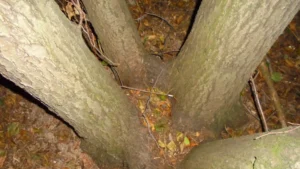
Monmouth County Tree Care in Mid-Spring: Diverse Challenges
Mid-spring is a critical time for tree care across Monmouth County, NJ. Learn how local conditions in towns like Middletown, Red Bank, Rumson, Long Branch, Asbury Park, and Wall Township impact pruning, restoration, and risk mitigation, with expert guidance from a certified arborist.
Share This Article
Contents
What Property Owners Need to Know About Mid-Spring Tree Care
Monmouth County is a unique stretch of New Jersey where inland soil conditions, coastal exposure, and mature suburban landscapes all intersect. From the bayshore towns in the north to the oceanfront communities along the Atlantic, trees here face a combination of salt air, heavy winds, clay-based soil, and rapid seasonal shifts. As certified arborists with decades of experience working throughout this region, we see how these factors shape tree structure, health, and long-term stability.
Mid-spring is one of the most important windows for tree care in Monmouth County. Trees are actively pushing new growth, structural weaknesses become visible, and damage from winter storms often reveals itself. This is when pruning decisions matter most, when restoration efforts can be effective, and when risk mitigation can prevent costly failures later in the year.
Across the county, we commonly work with red maple, pin oak, white oak, ornamental pear, flowering cherry, dogwood, and London plane trees. Each species responds differently to pruning and environmental stress. Coastal exposure can thin canopies unevenly, while inland moisture retention can lead to density issues and disease pressure. Understanding these patterns allows us to guide proper care at the right time.
Below is a breakdown of six key Monmouth County towns, moving from north to south, with a focus on the specific tree challenges, species behavior, and mid-spring service strategies that apply to each area.
Middletown Township: Large Canopies and Inland Stability Challenges
Middletown covers a wide geographic area, from Lincroft and Holmdel-adjacent neighborhoods to the bayshore sections like Leonardo and Belford. This diversity creates a mix of soil types, drainage patterns, and wind exposure. Many properties feature mature oak and maple trees that have grown for decades without structural pruning.
By mid-spring, these trees begin to leaf out heavily, which adds weight to already extended limbs. Without proper thinning and reduction, this can lead to overextended branches that are vulnerable to summer storms. We often find co-dominant stems and included bark in older trees, both of which are hidden risks that become more apparent once foliage develops.
Restoration pruning is common in Middletown, especially for trees that have been previously topped or poorly maintained. Strategic cuts can redirect growth, reduce stress, and restore balance over time. This is not a one-season fix, but mid-spring is the ideal time to begin the process.
Risk mitigation is also critical here. Many homes sit directly beneath large canopy trees, and limb failure can have serious consequences. Identifying weak unions and reducing end weight early in the season helps prevent mid-summer failures.
How we help in Middletown:
Structural pruning for mature oak and maple trees
Canopy thinning to reduce wind resistance
Restoration plans for previously damaged trees
Risk evaluation for homes with large overhanging limbs
Red Bank: Dense Landscapes and Ornamental Tree Care
Red Bank presents a different environment, with tighter properties, ornamental plantings, and a mix of older and newly landscaped trees. Space constraints mean trees are often planted close to structures, sidewalks, and utility lines.
Flowering pears, cherries, and dogwoods are common here. These species require precise pruning to maintain shape and prevent breakage. Mid-spring is when structural flaws in these trees become visible, especially after flowering cycles.
Because of the density of the area, airflow is often limited. This increases the risk of fungal issues and canopy stress. Thinning cuts help open the structure, allowing light and air to move through the tree more effectively.
We also focus on clearance pruning in Red Bank. Branches that encroach on roofs, siding, and walkways need to be addressed early in the season before growth accelerates further.
How we help in Red Bank:
Precision pruning for ornamental flowering trees
Canopy thinning to improve airflow and reduce disease risk
Clearance pruning around homes and walkways
Structural corrections to prevent splitting and breakage
Rumson: Coastal Exposure and High-Value Tree Preservation
Rumson sits between the Navesink River and the Shrewsbury River, with constant exposure to coastal winds and salt air. Trees here are shaped over time by these conditions, often developing uneven canopies and stress patterns.
We frequently work with large estate properties where tree preservation is a priority. White oaks, beech trees, and ornamental specimens are common, and they require careful, informed pruning to maintain both health and appearance.
Mid-spring is when we assess wind load distribution. Coastal trees tend to grow heavier on one side, which can create imbalance. Selective reduction and thinning help stabilize the canopy and reduce the likelihood of failure during storms.
Salt exposure also affects leaf development and overall vigor. Proper pruning combined with health evaluation helps ensure these trees continue to thrive despite environmental stress.
How we help in Rumson:
Wind load reduction for coastal-exposed trees
Selective pruning to maintain natural structure
Preservation strategies for high-value landscape trees
Health evaluations for salt and environmental stress
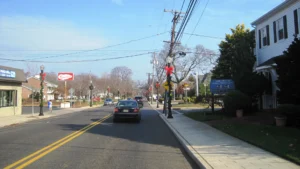
Long Branch: Oceanfront Conditions and Rapid Growth Management
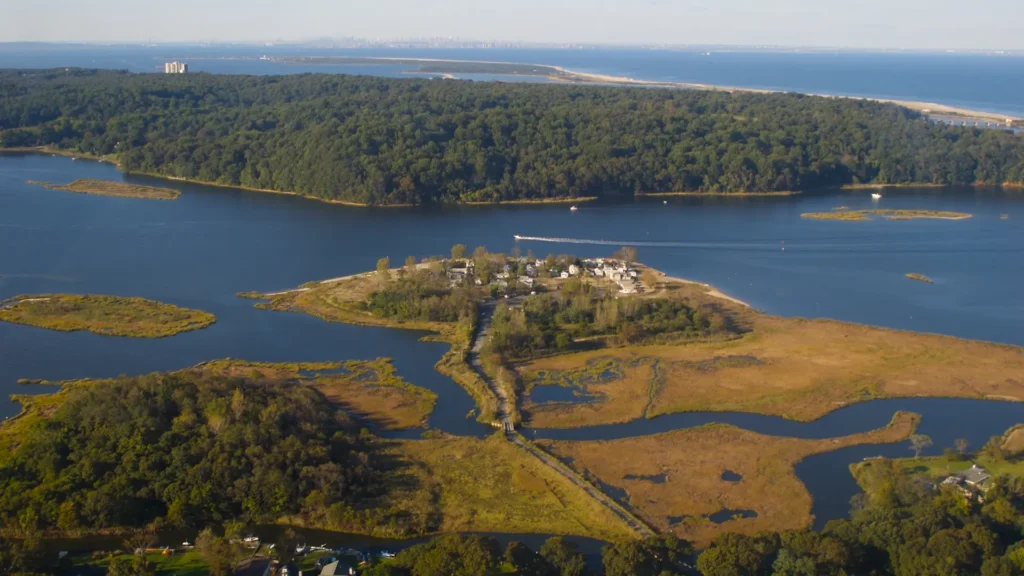
By Zeete - Own work, CC BY-SA 4.0, https://commons.wikimedia.org/w/index.php?curid=39693342
Long Branch is directly exposed to ocean winds, salt spray, and sandy soil conditions. Trees here grow differently than inland counterparts, often with faster top growth and weaker lateral structure.
London plane trees, sycamores, and maples are common along streets and properties. These species can become dense quickly in mid-spring, leading to heavy canopies that catch wind aggressively.
Thinning is essential in this environment. Reducing canopy density allows wind to pass through rather than push against the tree. This significantly lowers the risk of limb failure during coastal storms.
We also see a need for weight reduction pruning in Long Branch. Extended limbs over driveways, homes, and sidewalks must be managed before summer weather patterns intensify.
How we help in Long Branch:
Canopy thinning to reduce wind resistance
Weight reduction on extended limbs
Structural pruning for fast-growing species
Ongoing maintenance plans for coastal exposure
Asbury Park: Mixed Urban Conditions and Tree Recovery
Asbury Park combines urban planting conditions with coastal influence. Trees here often deal with compacted soil, limited root space, and inconsistent maintenance history.
Red maples, ornamental pears, and street trees are common. Many have been pruned incorrectly over time, leading to structural issues that require correction.
Mid-spring is a key time for restoration work. We identify poor past cuts, competing leaders, and weak branch attachments, then begin the process of guiding the tree back toward a stable structure.
Risk mitigation is also important in this setting. With high foot traffic and close proximity to buildings, even small branch failures can create liability concerns.
How we help in Asbury Park:
Restoration pruning for previously mismanaged trees
Structural corrections for long-term stability
Risk reduction in high-traffic areas
Targeted thinning for improved tree health
Wall Township: Open Landscapes and Wind Exposure
Wall Township features more open properties, larger lots, and less obstruction from surrounding structures. While this provides space for trees to grow, it also exposes them to stronger, more consistent winds.
Pin oaks, red maples, and evergreens are common throughout the area. These trees often develop broad canopies that act like sails in windy conditions.
Mid-spring pruning focuses on structure and balance. Removing competing leaders and reducing canopy density helps trees handle wind more effectively as the season progresses.
We also address deadwood and internal defects at this time. Open landscapes make it easier to identify these issues, and early removal reduces the risk of sudden failure.
How we help in Wall Township:
Structural pruning for wind-exposed trees
Deadwood removal to prevent unexpected failures
Canopy balancing for large, open-grown trees
Preventative care before peak storm season
Schedule Your Mid-Spring Tree Evaluation
Mid-spring is a critical time to take action. Trees are actively growing, structural issues are visible, and the decisions made now directly impact safety and long-term health. Whether your property is inland, coastal, or somewhere in between, each area of Monmouth County presents its own set of challenges that require informed care.
We provide expert tree pruning, restoration, and risk evaluation tailored to your specific location and tree species. Call 732-291-4444 to schedule your consultation and have your trees professionally assessed. You can also fill out the contact form below to get started.
Schedule Service Now!
From precision pruning and safe removals to health assessments and preventative care, Hufnagel Tree Service delivers expert solutions backed by decades of experience. We offer certified insight, fair pricing, and a commitment to doing what’s best for your landscape.
We Could Not Find A Direct Link To A Tree Removal Permit Application For The Town You Selected.
Please contact your local municipality to determine if a permit is required for your tree removal project. They will provide you with the most accurate and up-to-date information.