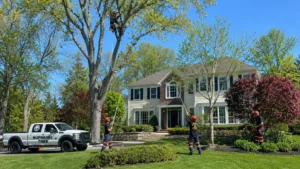
Tree Maintenance and Risk Management in Oceanport, NJ

Oceanport trees need regular maintenance to stay healthy and safe through storms, winter weather, and changing site conditions. We help homeowners manage risk with expert pruning, inspections, and practical arborist recommendations.
Share This Article

Contents

Regular Maintenance Catches Problems Before They Turn Into Emergencies

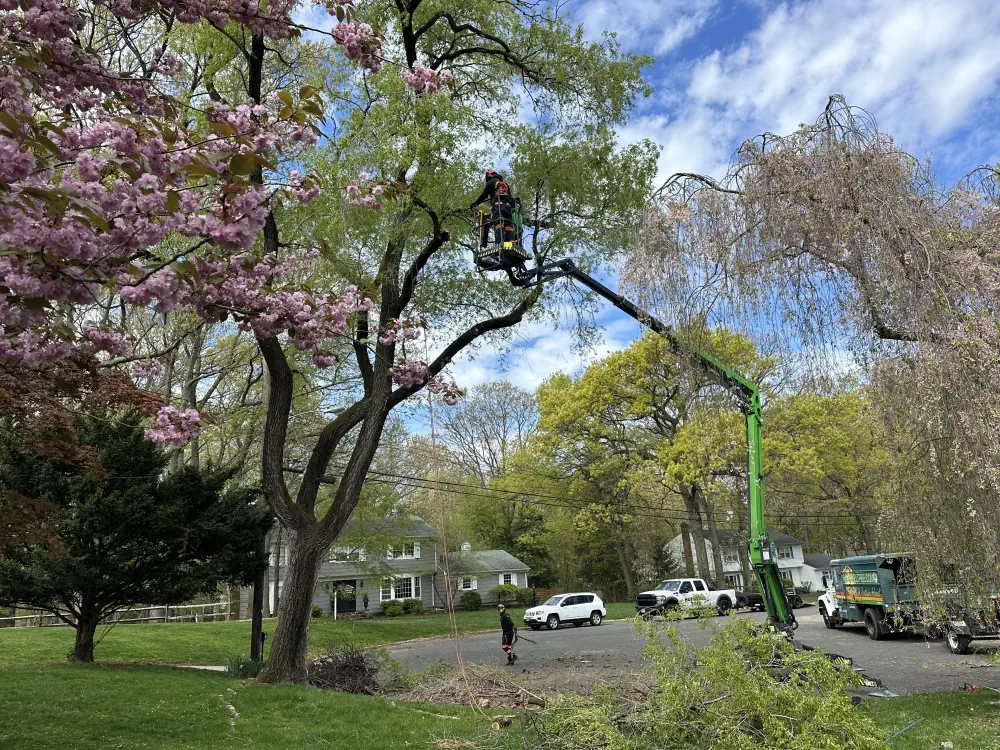
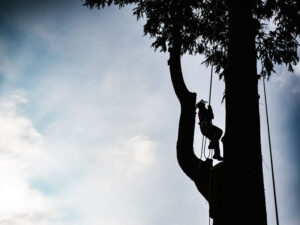
Pruning is one of the main tools we use to lower tree risk in Oceanport. Proper pruning improves branch spacing, reduces end weight, removes defective growth, and helps the crown handle wind and seasonal loading more effectively. It is careful structural work, not random trimming.

Homeowners benefit because this kind of maintenance reduces the chance that a mature tree will damage a roof, block a driveway, strike a fence, or create a claim situation after a storm. It also helps preserve valuable trees that contribute to privacy, shade, and property value, which is important when landscapes are established and replacement is not simple.

Oceanport site conditions influence how we prune. Trees closer to water exposure or open wind corridors may need balance and end-weight reduction, while dense neighborhood lots may require crown management to keep limbs off structures and improve clearance without over-lifting the canopy. Every site has different targets and different tolerance for risk.

We also look at the tree’s history. Previous topping, stub cuts, or years of neglect can create weak regrowth that looks vigorous but fails easily. Corrective pruning often has to be phased over time so the tree can be improved without taking off too much live canopy in one visit. That is especially important for mature maples, oaks, and ornamental species in front-yard settings.

The goal is always to reduce the likelihood of failure while keeping the tree healthy, functional, and appropriate for its surroundings.

Welcome To Oceanport

Risk-focused pruning plans often include recommendations like these:

  • Reducing long limbs over homes, patios, and neighboring property lines
  • Correcting codominant stems before they become split-trunk problems
  • Removing deadwood and broken branch stubs throughout the crown
  • Restoring shape and structure after years of improper trimming

Pruning addresses canopy hazards, but strong risk management also depends on tree health below ground and on realistic decisions about trees that are already declining.

Risk Management Means Knowing When to Preserve and When to Remove

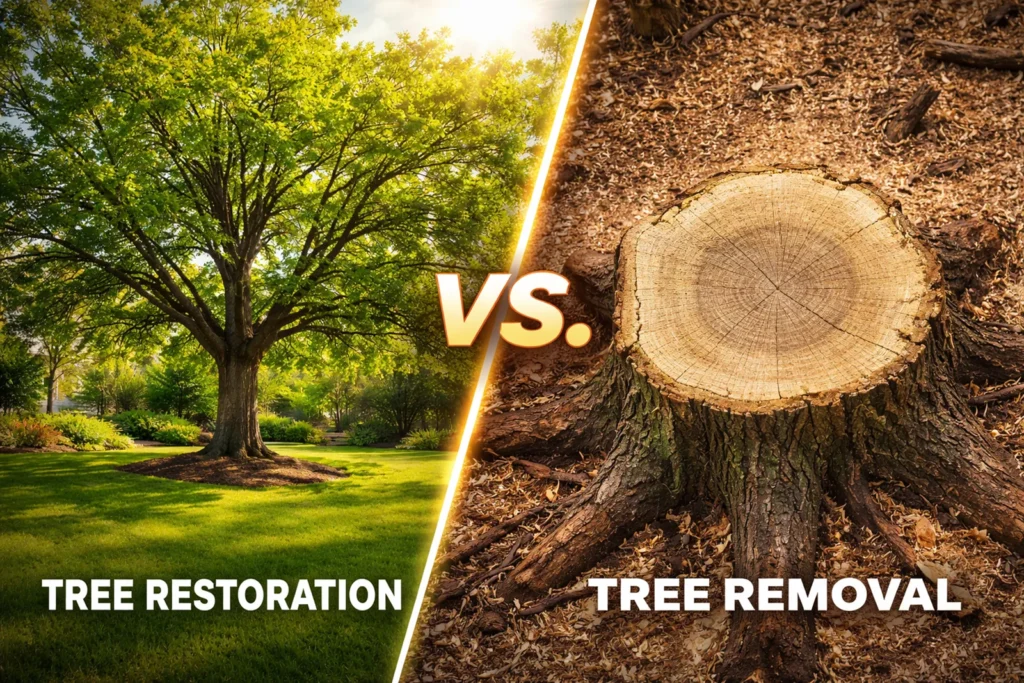
Tree Preservation and Restoration Vs. Removal

Not every tree can be pruned back into safety. Some have advanced decay, unstable root systems, severe lean, or repeated failure history that makes retention a poor choice. Good risk management includes knowing when preservation is justified and when removal is the more responsible option.

This is important in Oceanport because trees often share limited space with homes, detached garages, narrow side yards, and utility corridors. A large declining tree may still look impressive, but if the target area is busy and the defect is significant, the consequences of waiting can be serious.

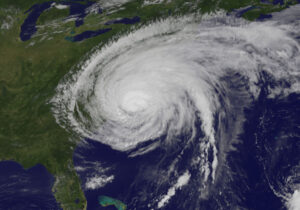
Local weather patterns push those decisions forward. Strong thunderstorms, nor’easters, and winter snow loading all test compromised trees. A tree that barely held together last year may not get the same chance next season, especially if root stress or structural cracking has progressed.

We help property owners sort through that honestly. Some trees are good candidates for restoration pruning, cabling, and monitoring. Others should come out before they fail. The right answer depends on the defect, the species, the site, and the target below the canopy. That is why experienced assessment matters so much.

When maintenance and risk management are handled together, homeowners gain a clearer plan, fewer surprises, and a safer landscape overall.

A thorough Oceanport risk-management plan may involve:

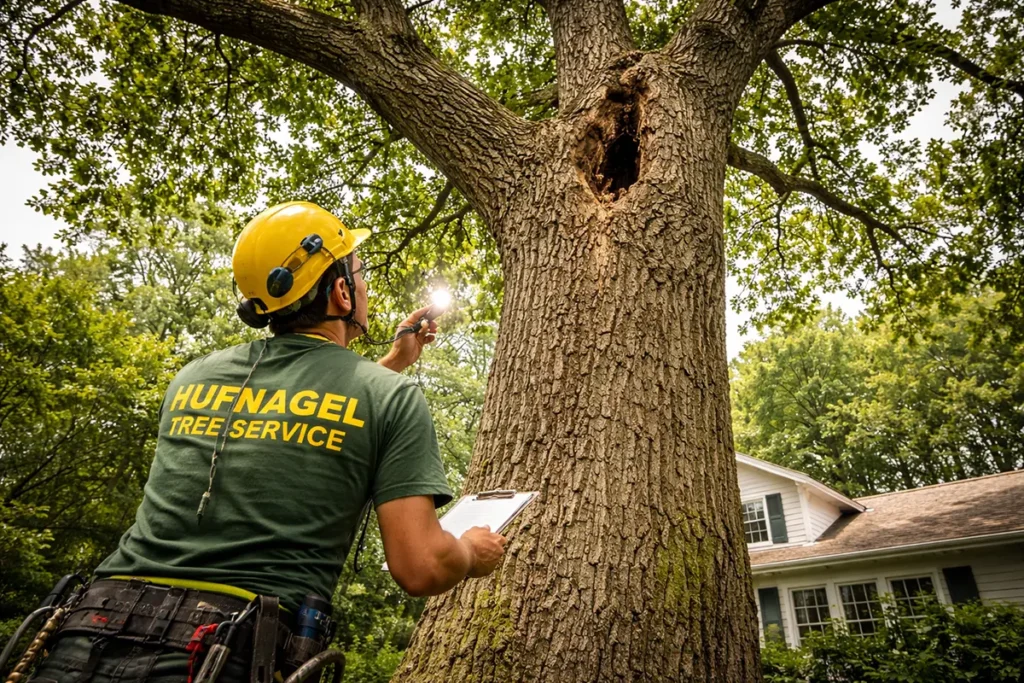
  • Scheduled inspections after major storms or visible canopy changes
  • Support systems for select trees with retainable structural issues
  • Root zone improvements where compaction or drainage are affecting health
  • Timely removal of trees that present unacceptable risk to people or property

Tree maintenance in Oceanport is not just about appearance. It is a long-term safety strategy that protects homes, preserves healthy specimens, and keeps small defects from turning into avoidable emergencies. The earlier problems are identified, the more options homeowners usually have.

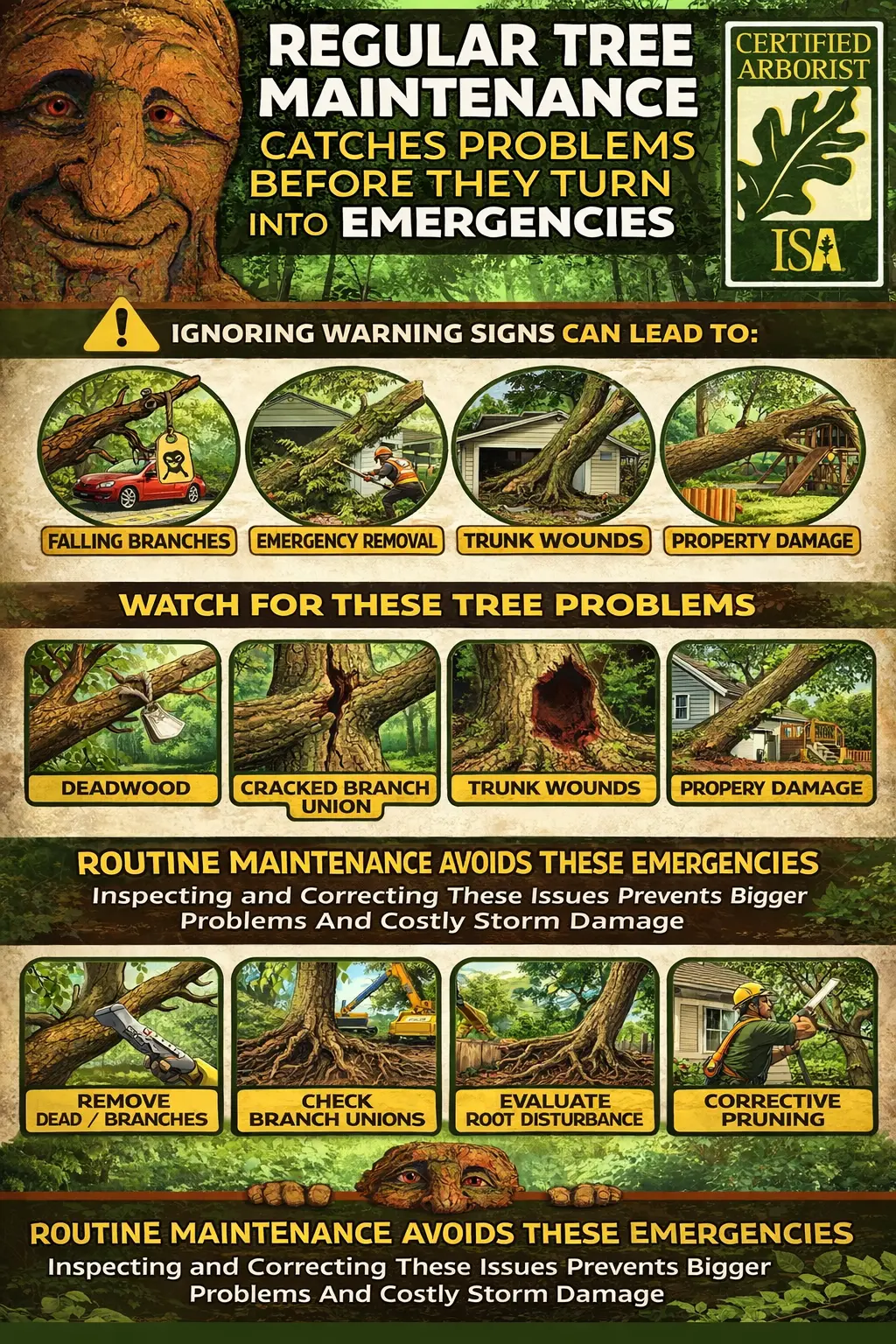
Tree Risk Mitigation Protects People & Property

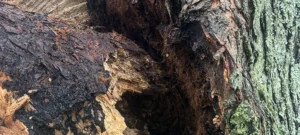
Not all risks are obvious from the ground. Trees can carry internal decay, compromised root systems, or structural weaknesses that only show up under stress. Risk mitigation focuses on identifying those hidden issues and reducing the chance of failure before conditions expose them.

In Oceanport, this is especially important where trees sit close to homes, driveways, and high-traffic areas. A failure is not just a tree problem, it becomes a property and safety issue immediately.

Weather patterns increase the urgency. Coastal winds, saturated soil, and sudden summer storms all place additional load on already stressed trees. A tree that appears stable on a calm day can fail quickly when conditions change.

Effective risk mitigation is not about removing every questionable tree. It is about making informed decisions based on structure, location, and potential impact.

Risk mitigation strategies often include:

  • Evaluating lean, load distribution, and target zones below the canopy
  • Installing support systems like cabling or bracing when appropriate
  • Monitoring trees with known defects over time
  • Removing trees that present a high probability of failure

Strategic Tree Trimming Improves Strength And Structure

Tree trimming is not cosmetic when done correctly. It is a controlled process that guides growth, improves structure, and reduces mechanical stress throughout the canopy.

In Oceanport landscapes, trimming often focuses on managing how trees interact with structures. Overextended limbs, dense canopies, and uneven growth patterns can all increase the chance of breakage during storms.

Proper trimming redistributes weight, improves airflow, and reduces resistance to wind. This allows the tree to move more naturally instead of acting like a rigid surface under pressure.

Timing and technique matter. Overcutting or random trimming can weaken the tree, while targeted pruning strengthens it over time and improves long-term stability.

Strategic trimming typically includes:

  • Reducing overextended limbs to minimize leverage and break risk
  • Thinning dense canopy areas to improve airflow and reduce wind load
  • Establishing balanced branch spacing for better structural integrity
  • Maintaining clearance from roofs, driveways, and walkways

Only Use A Certified Arborist!

Michael Hufnagel

We are certified arborists with more than 25 years of experience and over 200 five-star Google reviews from property owners who trust us to give direct, practical advice. For expert pruning and risk reduction in Oceanport, call (732) 291-4444 or use our contact form. Only Use A Certified Arborist!

Schedule Service Now!

From precision pruning and safe removals to health assessments and preventative care, Hufnagel Tree Service delivers expert solutions backed by decades of experience. We offer certified insight, fair pricing, and a commitment to doing what’s best for your landscape.

Where Do You Need Service?
Please Enter Your Contact Information
Are You A New or Existing Customer?
How Can We Help You?

We Could Not Find A Direct Link To A Tree Removal Permit Application For The Town You Selected.

Please contact your local municipality to determine if a permit is required for your tree removal project. They will provide you with the most accurate and up-to-date information.