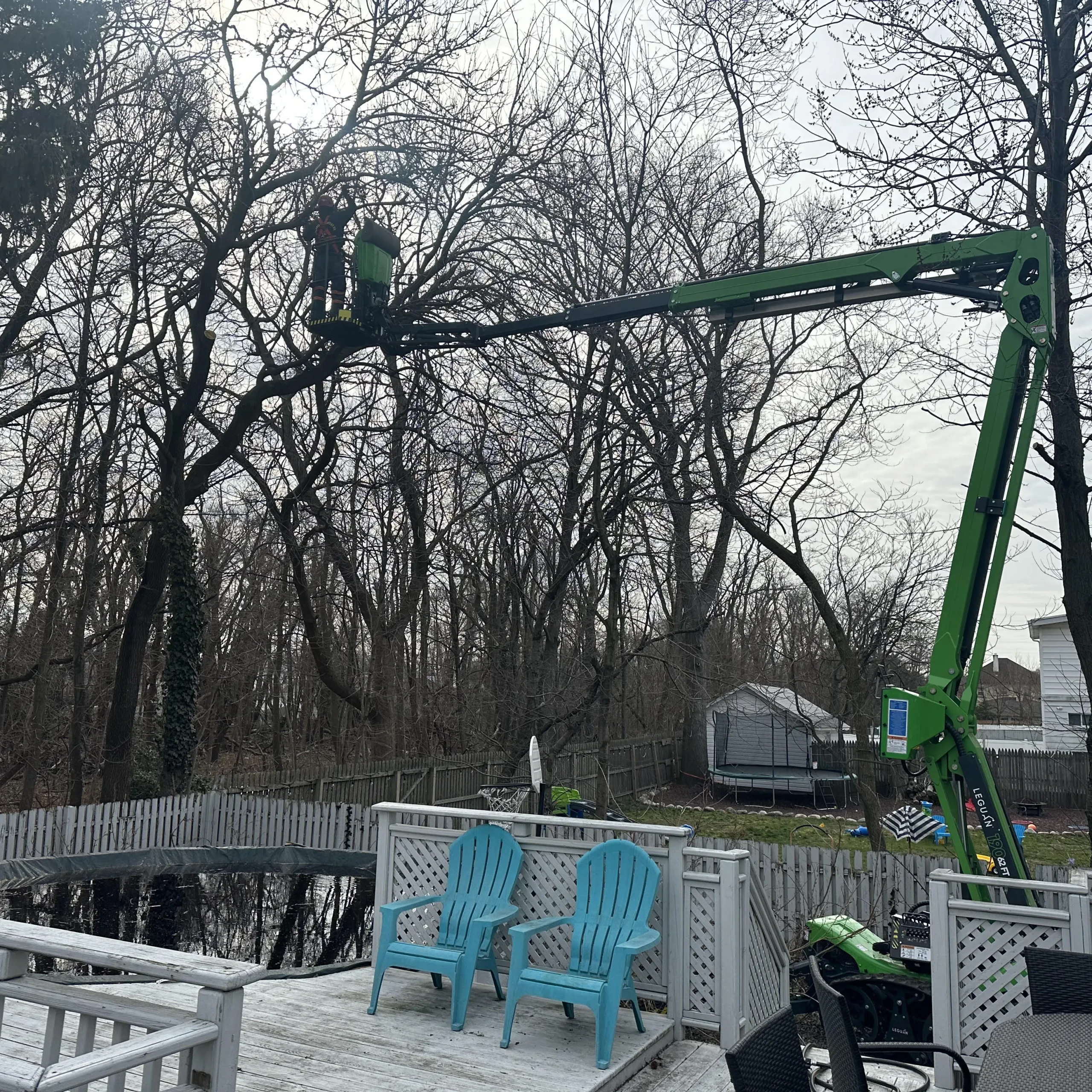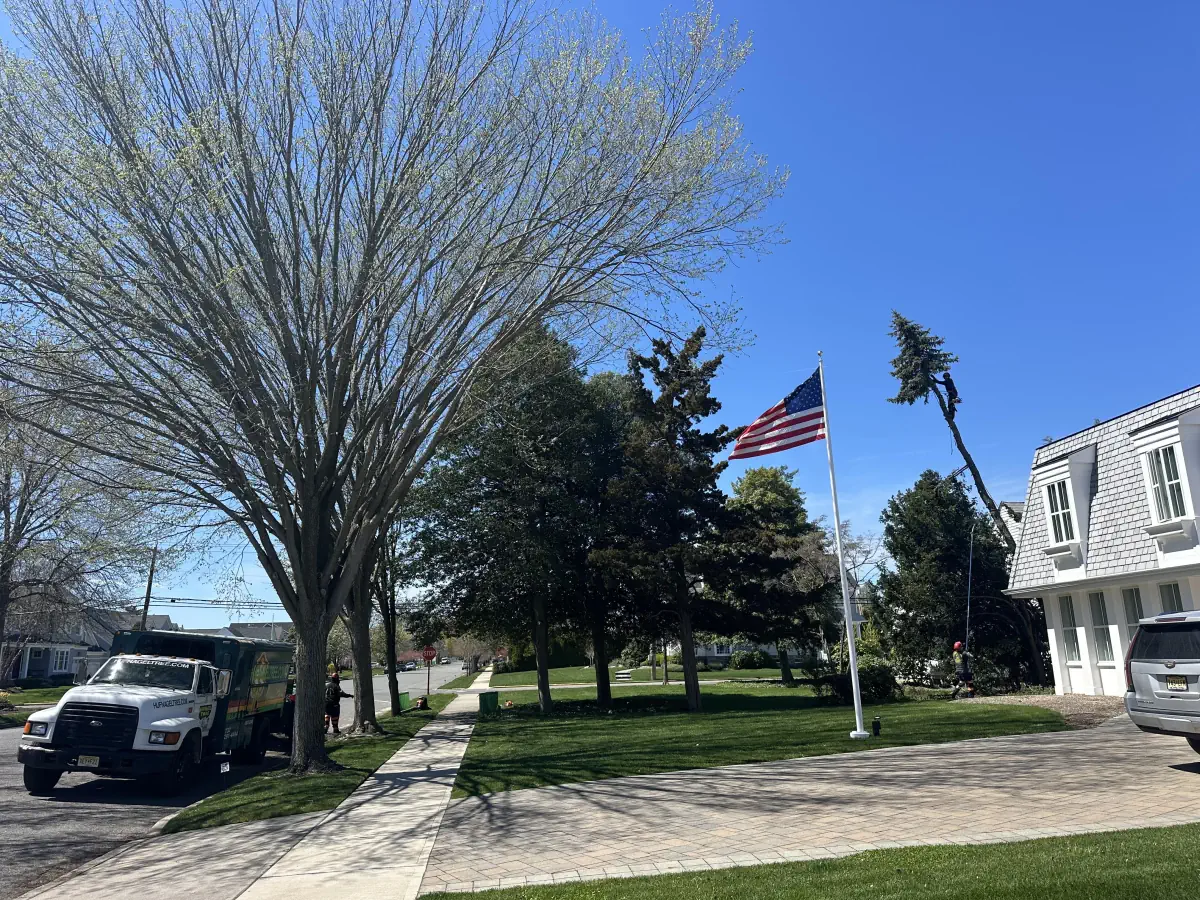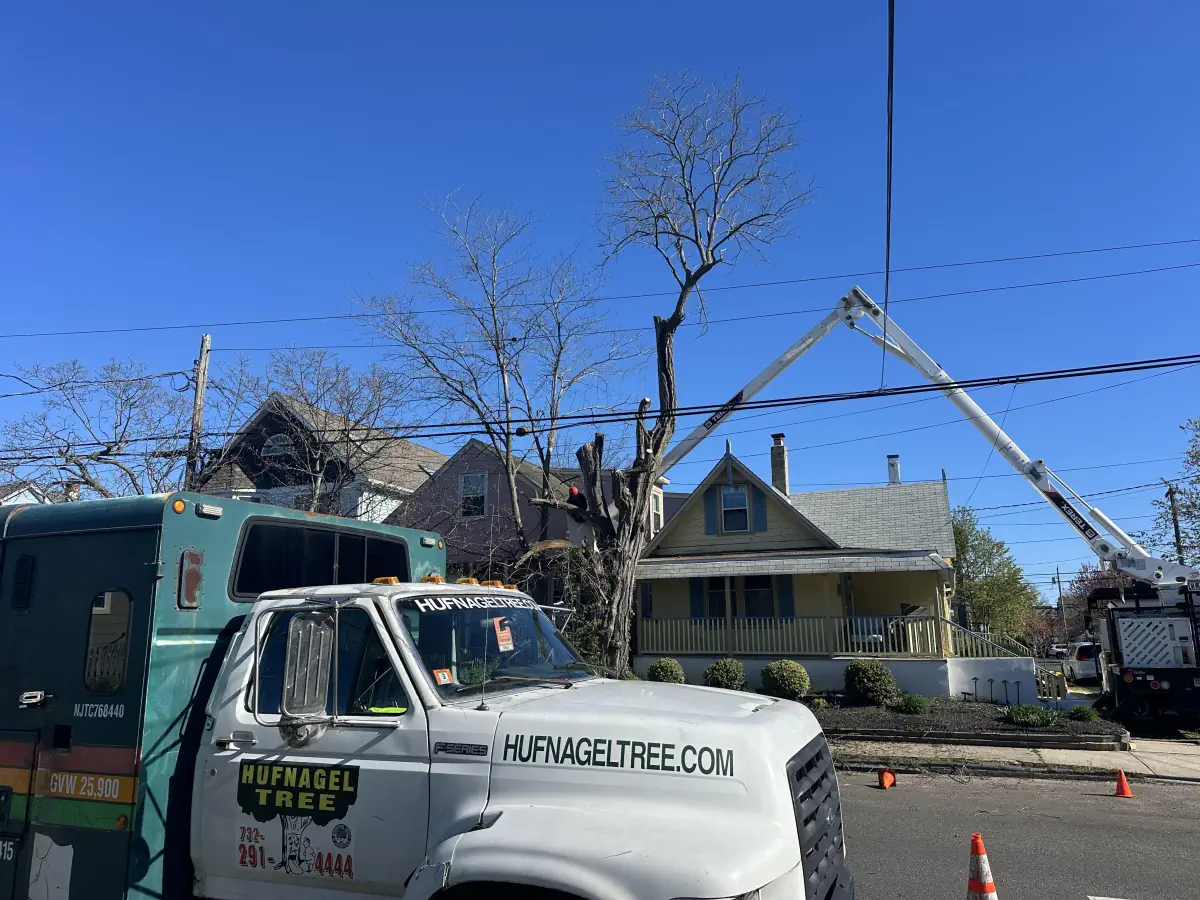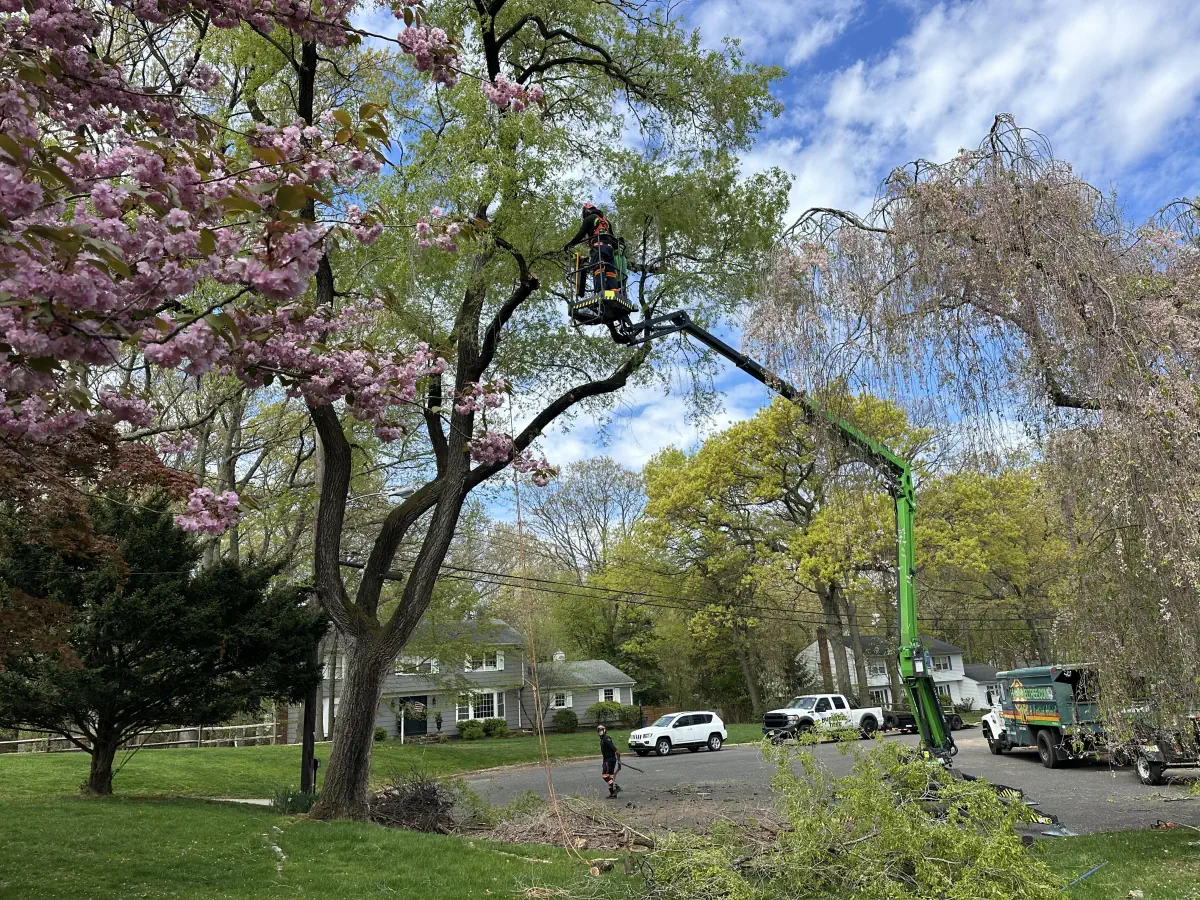

Tree Service Near Asbury Park: Expert Pruning By Certified Arborists

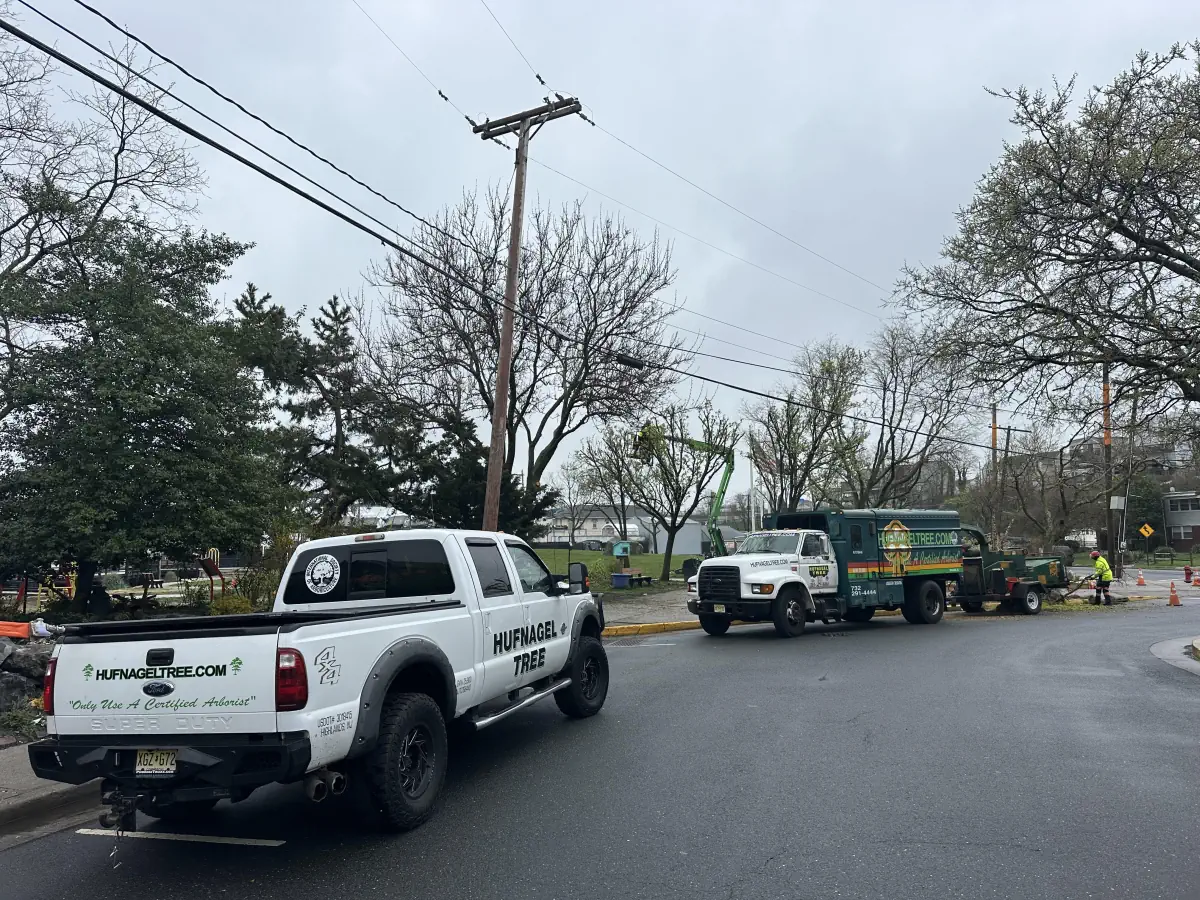
We’re Arbury Park’s #1 Tree Expert Company! We handle spring tree pruning, trimming, risk mitigation, tree health assessments, removals, and restoration tailored to coastal conditions near Deal Lake and Ocean Avenue.
Share This Article

Contents

Asbury Park Tree Care Rooted in Local Experience

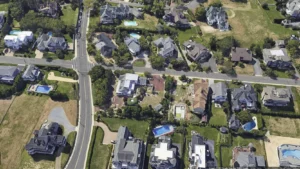
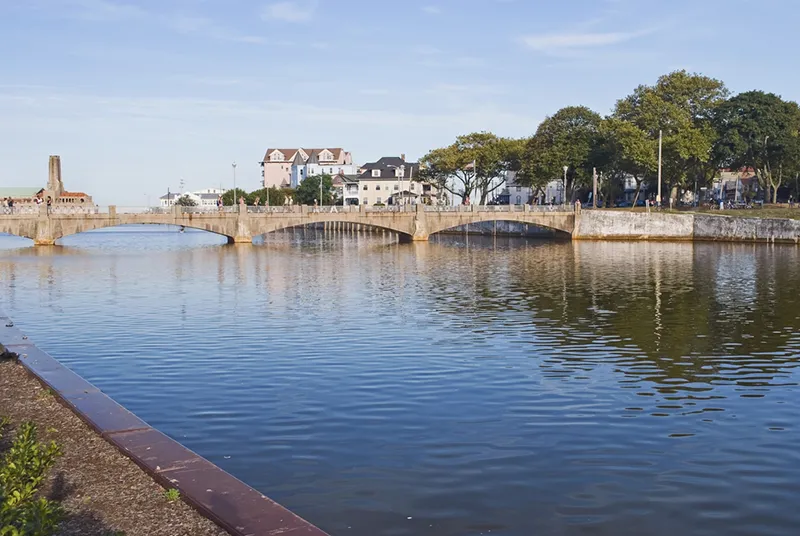
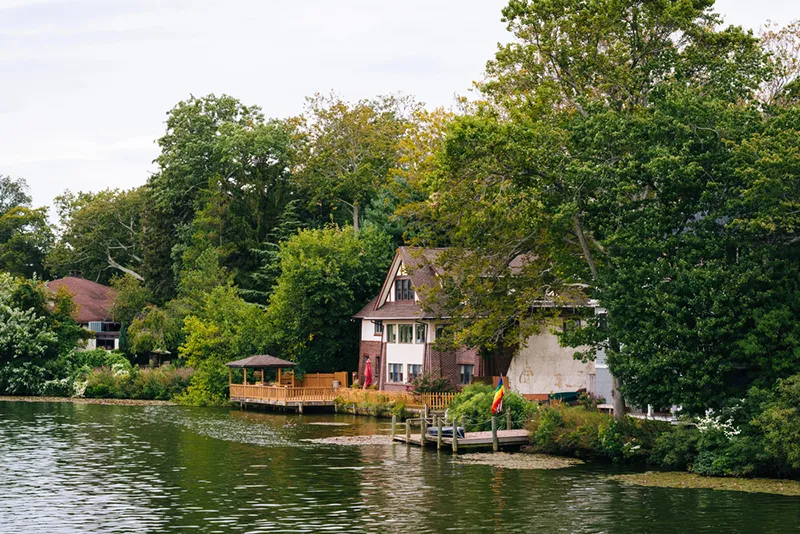
We work throughout Asbury Park, from the tree-lined streets near Deal Lake to the oceanfront blocks along Ocean Avenue, where salt air, wind exposure, and compacted soils all influence how trees grow. This is not inland tree care. Coastal conditions shape everything, from root development to canopy density.

Asbury Park NJ Tree Care

As certified arborists with over 25 years serving Monmouth County, we have worked extensively throughout Asbury Park, from the residential streets around Deal Lake to the coastal blocks near Ocean Avenue and the boardwalk. We understand how local species like red maple, pin oak, ornamental cherry, London plane, and even older legacy shade trees respond to this specific environment. Coastal exposure, salt air, wind patterns, and compacted urban soils all play a role in how these trees grow and how they need to be maintained. What works inland in towns like Marlboro or Freehold does not always apply here. In Asbury Park, tree care requires a more precise and adaptive approach.

Spring is a critical window for tree care in this area. Trees move quickly from dormancy into active growth, often faster than homeowners expect, especially after mild winters along the Jersey Shore. During this transition, we focus on structural pruning, canopy balancing, and identifying any damage from winter storms or coastal wind stress. The work done at this stage directly impacts how the tree performs through summer storms and heavy foliage growth. Improper cuts, delayed pruning, or ignoring early warning signs can lead to weak branch unions, excessive canopy weight, and increased risk during storm season.

“Spring is when trees reveal their structure. If you understand what you’re looking at, you can correct problems before they ever become risks,” says Michael Hufnagel, Certified Arborist and owner.

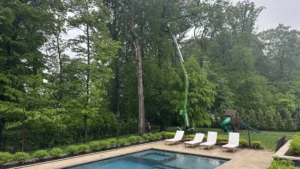
In Asbury Park, we also pay close attention to how trees interact with their surroundings. Many properties have limited space, overhead utilities, sidewalks, and nearby structures. That means pruning and trimming must account for clearance, visibility, and long-term growth patterns. We regularly perform crown thinning to reduce wind resistance, selective limb removal to eliminate hazards, and structural pruning to guide young and mid-mature trees into stronger forms. At the same time, we evaluate root zones for compaction and stress, especially in areas with heavy foot traffic or older construction.

Asbury Park Tree Service

Our approach is not a single service, it is a coordinated plan that includes spring tree pruning, detailed trimming, tree risk mitigation, health assessments, and certified arborist evaluations. If needed, we also plan for safe removals or restoration work to correct past damage or poor pruning practices. By combining these services, we help property owners in Asbury Park protect their homes, improve curb appeal, and reduce liability before issues escalate.

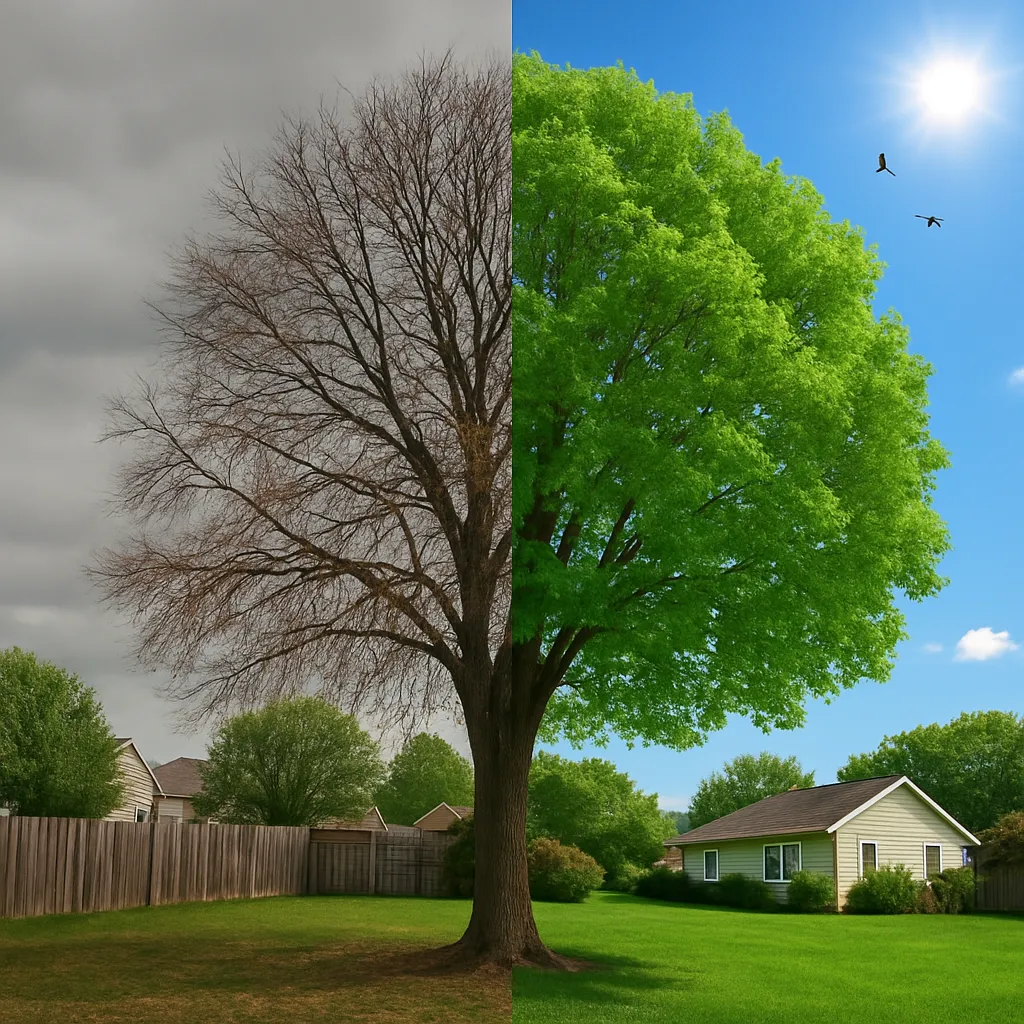
Spring Tree Pruning in Asbury Park

Spring Tree Service

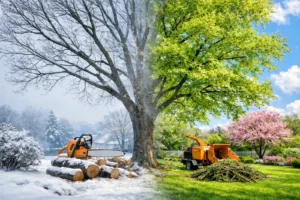
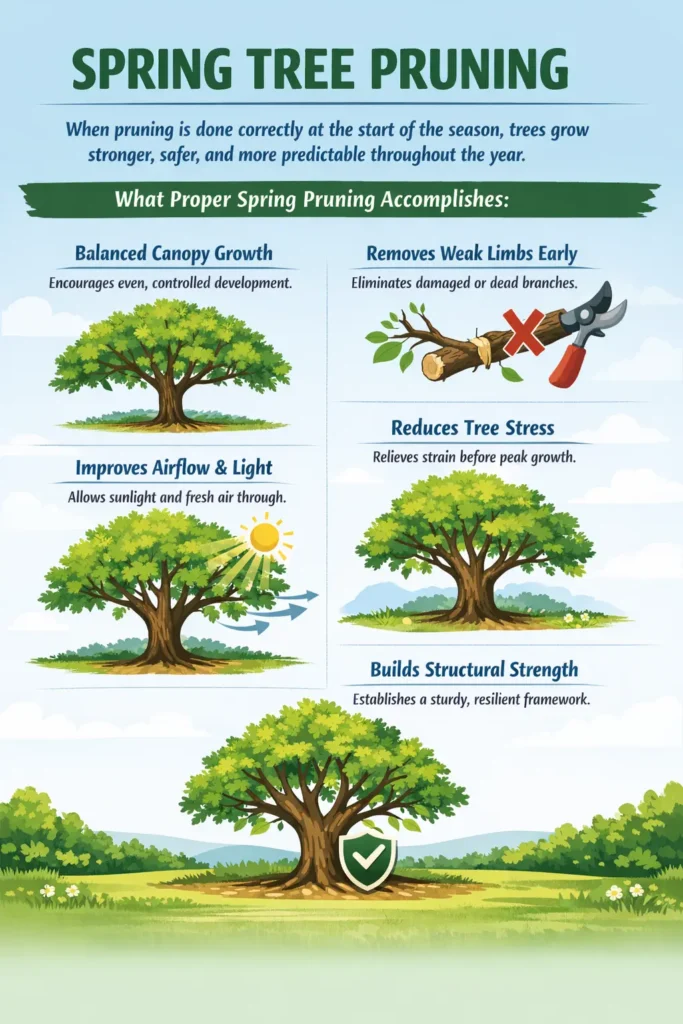
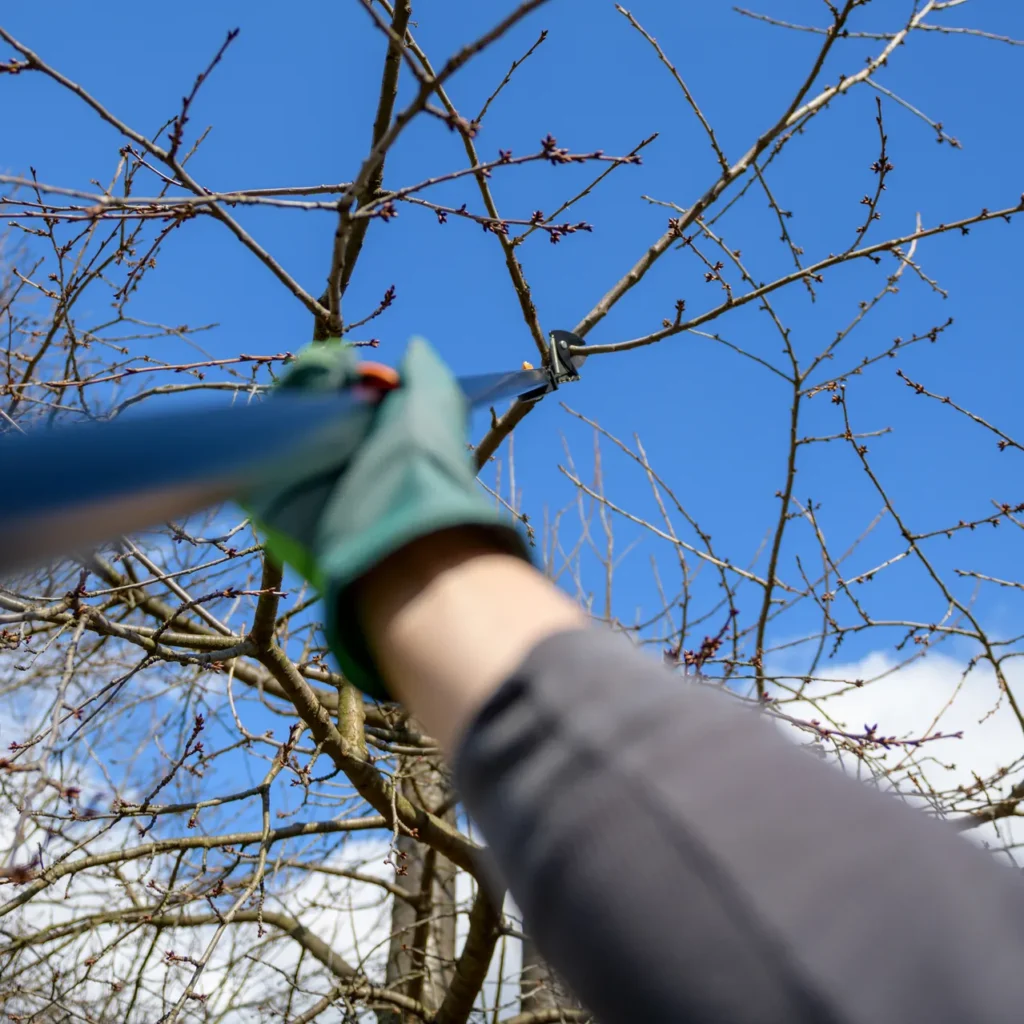
Spring pruning is about control. As trees push new growth, structure becomes more defined and easier to guide. This is when we shape canopy development before it becomes dense and unmanageable.

In coastal towns like Asbury Park, spring pruning also helps trees handle wind exposure. A properly thinned canopy allows air to pass through, reducing resistance during storms that roll in from the Atlantic.

We focus on removing weak, crossing, and winter-damaged limbs early. This prevents trees from wasting energy on growth that will eventually fail. It also improves sunlight penetration, which strengthens interior branches.

Timing matters. Pruning too late can stress the tree during peak growth. Pruning too early can expose it to late frost damage. We time pruning based on species and local weather patterns.

Master Tree Pruning Near Me

“Every cut you make in spring sets the tone for the entire growing season. Done right, the tree becomes stronger and more predictable,” explains Michael Hufnagel.

What Proper Spring Pruning Achieves Immediately

  • Encourages balanced canopy growth
  • Removes winter-damaged or weak limbs
  • Improves airflow through the canopy
  • Enhances sunlight distribution
  • Reduces early-season stress on the tree

This sets the stage for more detailed trimming and structural work, which is where long-term performance really takes shape.

Tree Trimming for Structure and Control

Tree trimming goes beyond seasonal pruning. It is about refining structure over time to maintain safe, attractive, and stable trees.

In Asbury Park neighborhoods with tighter property spacing, trimming is essential for clearance from homes, sidewalks, and utility lines. Trees that grow unchecked quickly become conflicts.

We shape canopy weight distribution to prevent uneven loading. This is especially important for species like maples and ornamental trees that can develop heavy lateral limbs.

Trimming also improves visibility and light. Properties feel more open, and lawns and landscaping benefit from better sun exposure.

Over-trimming is a common issue we see. Removing too much canopy reduces the tree’s ability to produce energy and can lead to stress or decline.

“Good trimming is about precision, not removal. You’re guiding the tree, not stripping it,” says Michael Hufnagel.

Key Outcomes of Professional Tree Trimming

  • Improved structural balance
  • Reduced limb weight and stress points
  • Better clearance from structures
  • Increased light and airflow
  • Enhanced overall appearance

With structure established, the next step is identifying and addressing risks before they escalate.

Tree Risk Mitigation for Coastal Properties

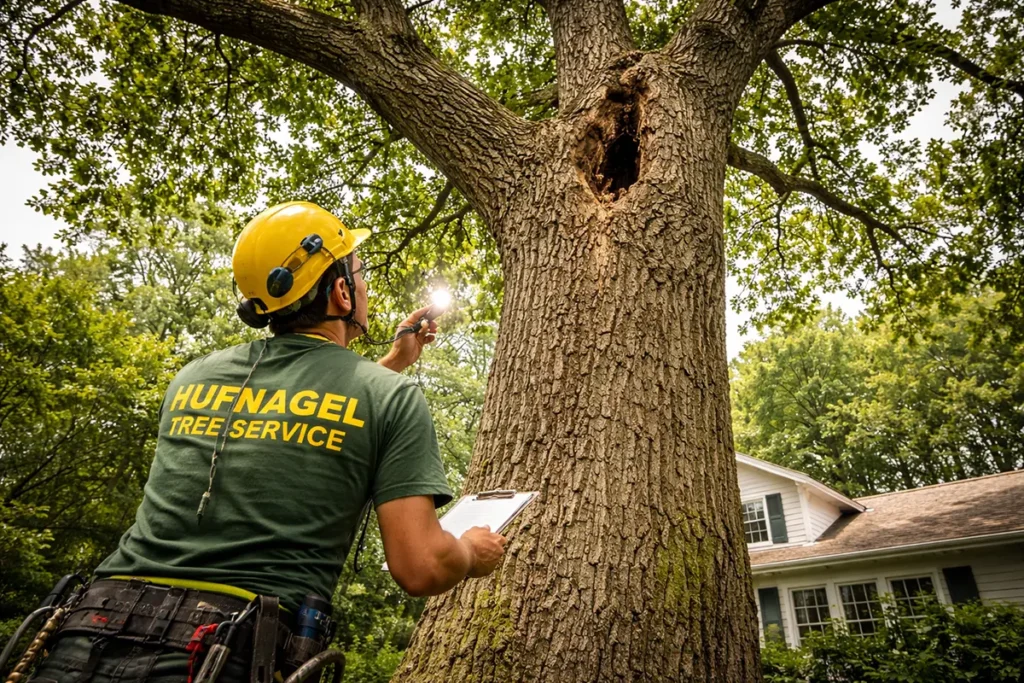
Check Your Trees

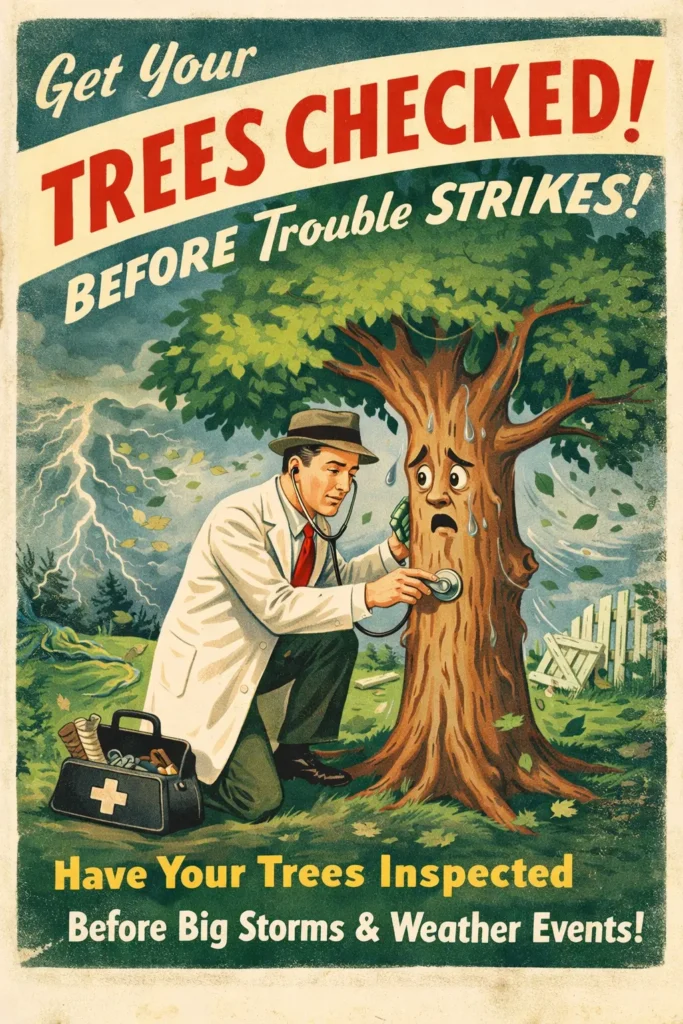
Tree risk in Asbury Park is influenced heavily by weather. Wind, saturated soil, and salt exposure all increase the likelihood of failure.

We evaluate trees for structural weaknesses such as cracks, included bark, root instability, and deadwood. These issues often go unnoticed until failure occurs.

Mitigation can involve targeted pruning, weight reduction, cabling, or removal of compromised limbs. The goal is to reduce risk without unnecessarily removing the tree.

Properties near open areas like parks or the waterfront experience stronger wind loads. Trees in these locations require more proactive management.

Ignoring early warning signs leads to costly damage. Branch failures and tree falls are rarely sudden. They develop over time.

“Trees almost always give you signals before they fail. The problem is most people don’t recognize them,” Michael Hufnagel notes.

Warning Signs That Require Attention

  • Visible cracks or splits in major limbs
  • Leaning or shifting root plates
  • Dead or hanging branches
  • Fungal growth at the base
  • Excessive canopy weight on one side

Risk mitigation naturally leads into a deeper understanding of overall tree health.

Tree Health Assessments in Asbury Park

Tree Risk Evaluation

Tree health is not always visible from the outside. Many declining trees still look full and green until internal issues become severe.

We assess soil conditions, root health, pest activity, and nutrient availability. Coastal soils often present challenges such as compaction and salt accumulation.

Health assessments allow us to intervene early. Treatments may include soil amendments, fertilization, or targeted pruning to reduce stress.

We also look at species placement. Some trees simply struggle in certain conditions and require additional care to thrive.

Routine assessments extend the life of trees and prevent unnecessary removals.

“Healthy trees don’t happen by accident. They are the result of consistent, informed care,” says Michael Hufnagel.

Indicators of Tree Health Decline

  • Sparse or thinning canopy
  • Discolored or undersized leaves
  • Early leaf drop
  • Visible pest damage
  • Poor annual growth

With a clear understanding of health, certified evaluations provide the roadmap for action.

Tree Restoration and Recovery

tree restoration services by certified arborists

Tree restoration focuses on bringing stressed or damaged trees back to health. This is often possible when issues are caught early.

We correct structural problems, improve soil conditions, and reduce canopy stress. Restoration is a process, not a one-time service.

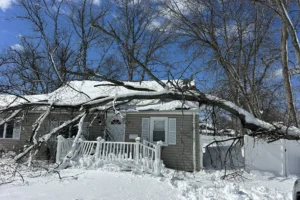
Storm-damaged trees can often be saved with proper pruning and support. This is especially important for mature trees that add significant value.

Restoration also applies to trees affected by poor past pruning. Corrective work can rebuild structure over time.

The goal is to stabilize the tree and encourage healthy growth moving forward.

“Restoration is about giving a tree a second chance. When done right, the results can be dramatic,” Michael Hufnagel explains.

What Tree Restoration Involves

  • Corrective pruning for structure
  • Soil improvement and root care
  • Stress reduction techniques
  • Monitoring and follow-up care
  • Long-term recovery planning

With all services working together, the final step is taking action at the right time.

Tree Removal When Necessary

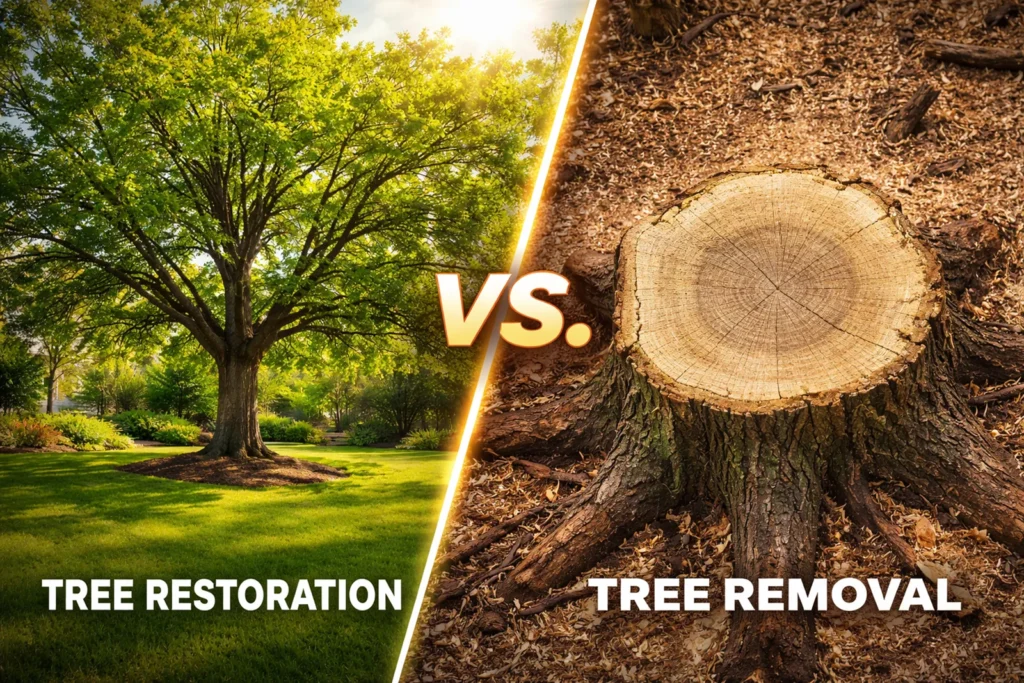
Tree Preservation and Restoration Vs. Removal

Tree removal is sometimes unavoidable. Severe structural defects, advanced decay, or hazardous positioning can make preservation unsafe.

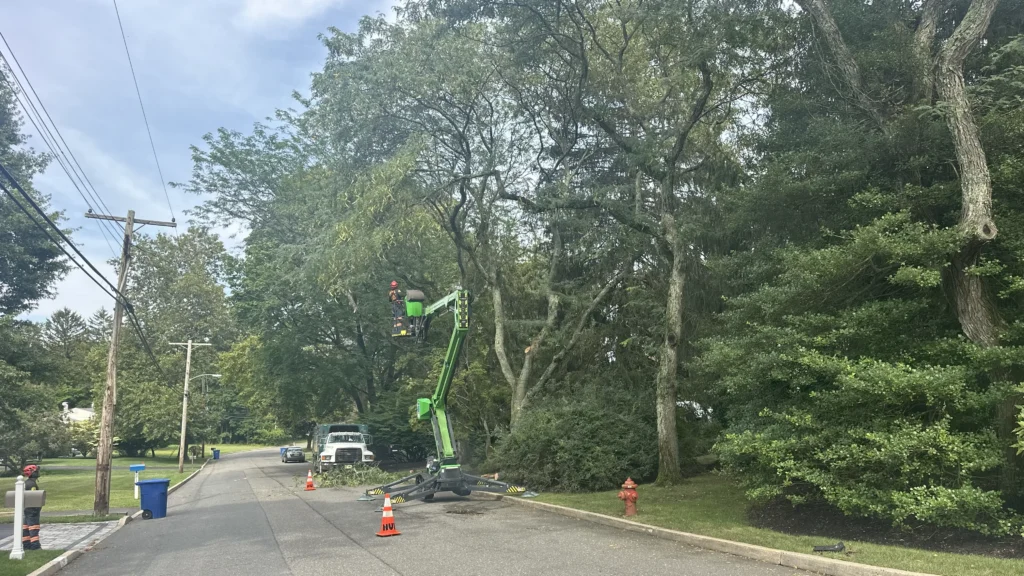
In Asbury Park, removal often involves tight spaces, nearby structures, and limited access. This requires precision and planning.

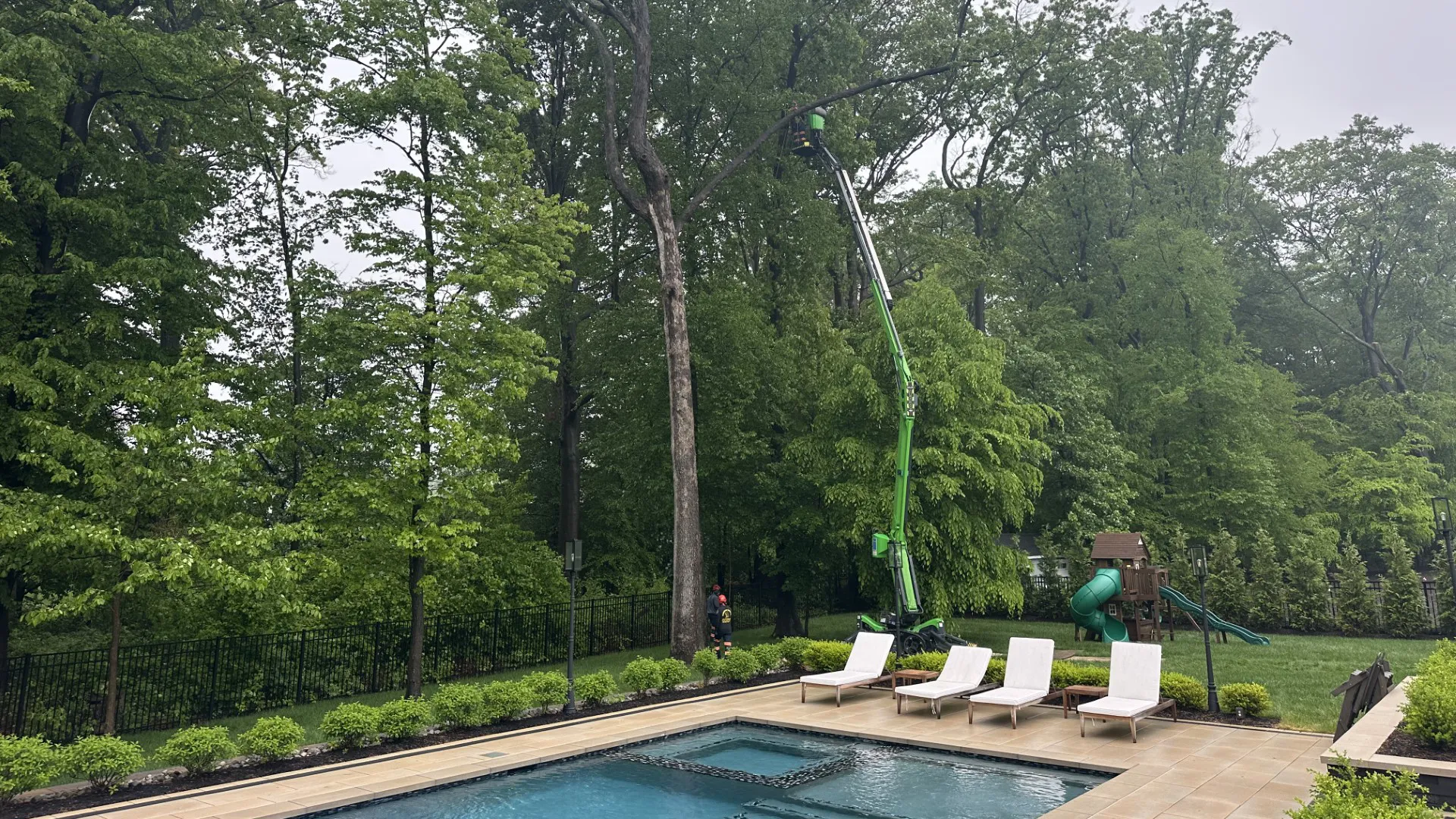
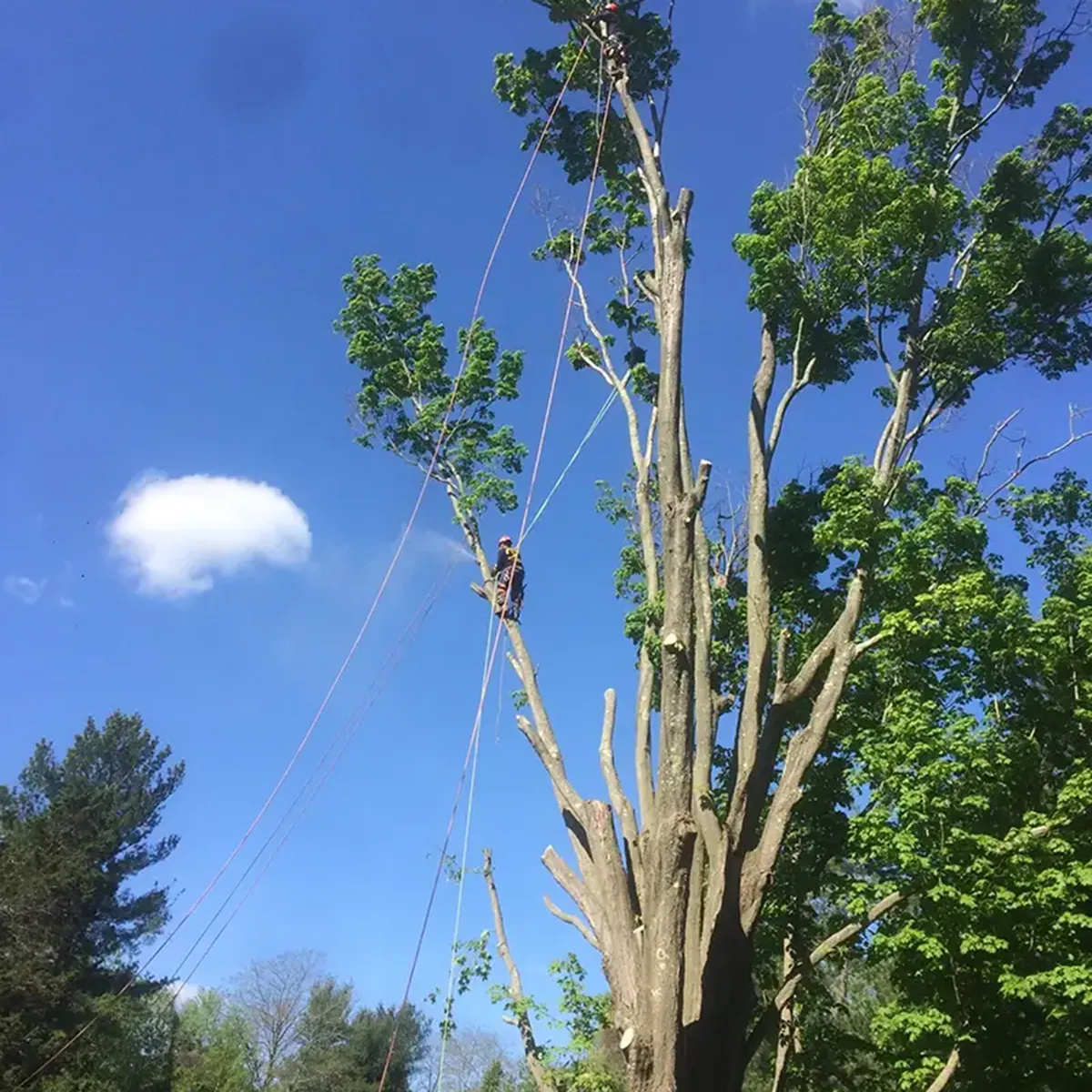
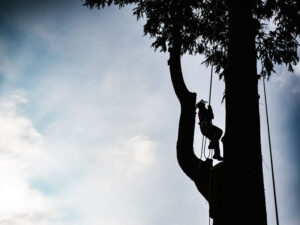
We use controlled dismantling techniques to safely remove trees without damaging surrounding property. Each cut is calculated.

Permits may be required depending on local regulations. Property owners can review guidance through resources like the New Jersey Department of Environmental Protection.

Removing a tree also creates an opportunity to improve the landscape. Proper replacement planning ensures long-term value.

“Removal is never the first choice, but when it’s the right choice, it has to be done correctly,” says Michael Hufnagel.

Situations That Require Tree Removal

  • Advanced decay or hollow trunk
  • Severe structural instability
  • Root failure or uplift
  • Irreversible disease
  • Immediate safety hazard

When removal is avoided, restoration offers another path forward.

Tree Health Assessments in Asbury Park

Tree risk in Asbury Park is influenced heavily by weather. Wind, saturated soil, and salt exposure all increase the likelihood of failure.

We evaluate trees for structural weaknesses such as cracks, included bark, root instability, and deadwood. These issues often go unnoticed until failure occurs.

Mitigation can involve targeted pruning, weight reduction, cabling, or removal of compromised limbs. The goal is to reduce risk without unnecessarily removing the tree.

Properties near open areas like parks or the waterfront experience stronger wind loads. Trees in these locations require more proactive management.

Ignoring early warning signs leads to costly damage. Branch failures and tree falls are rarely sudden. They develop over time.

“Trees almost always give you signals before they fail. The problem is most people don’t recognize them,” Michael Hufnagel notes.

Warning Signs That Require Attention

  • Visible cracks or splits in major limbs
  • Leaning or shifting root plates
  • Dead or hanging branches
  • Fungal growth at the base
  • Excessive canopy weight on one side

Risk mitigation naturally leads into a deeper understanding of overall tree health.

Michael Hufnagel

Tree care in Asbury Park requires local knowledge, timing, and certified expertise. Coastal conditions create challenges that cannot be managed with generic approaches.

We provide spring pruning, trimming, risk mitigation, health assessments, arborist evaluations, removal, and restoration as a complete system. Each service supports the next.

If you are near Deal Lake, Ocean Avenue, or anywhere in Asbury Park, now is the time to evaluate your trees before the growing season accelerates.

Call (732) 291-4444 or use our contact form to get in touch and book an appointment. And Remember – Only Use A Certified Arborist!
Schedule Service Now!

From precision pruning and safe removals to health assessments and preventative care, Hufnagel Tree Service delivers expert solutions backed by decades of experience. We offer certified insight, fair pricing, and a commitment to doing what’s best for your landscape.

Where Do You Need Service?
Please Enter Your Contact Information
Are You A New or Existing Customer?
How Can We Help You?

We Could Not Find A Direct Link To A Tree Removal Permit Application For The Town You Selected.

Please contact your local municipality to determine if a permit is required for your tree removal project. They will provide you with the most accurate and up-to-date information.