Lightning Strike Tree Damage in Interlaken NJ

A lightning strike can leave an Interlaken tree standing while damaging bark, wood, roots, or the upper canopy. Learn what we check after a strike and why evaluation before winter matters.
Share This Article

Contents

Interlaken Trees Can Hide Lightning Damage Long After the Storm

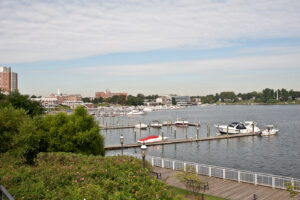
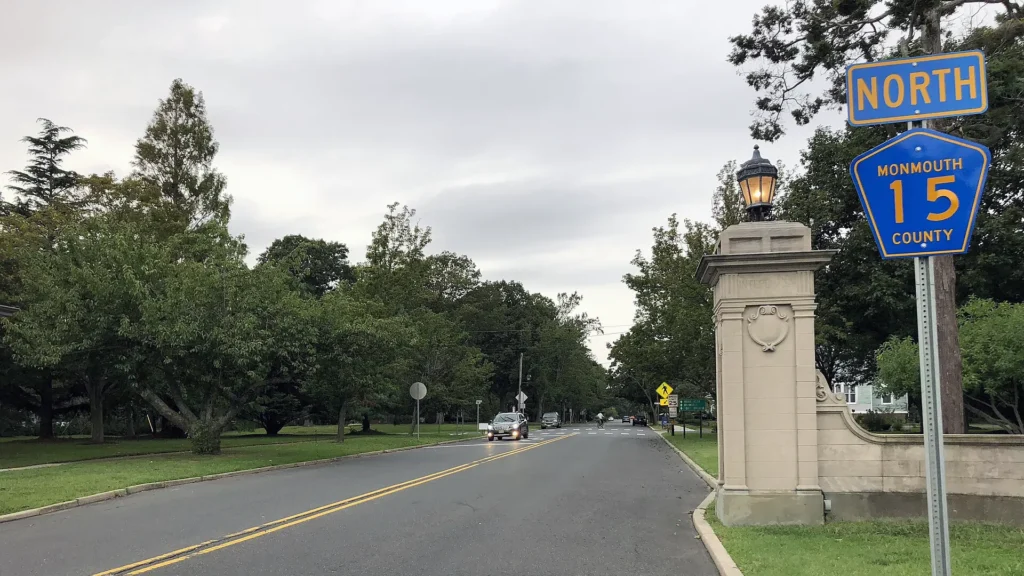
Interlaken is a small borough with a surprisingly strong tree identity. The community grew around an older residential landscape near Deal Lake, and the Borough of Interlaken history describes how the original Interlaken Farm became an exclusive residential community. Even the borough seal was inspired by a pine tree. On streets lined with mature pines, oaks, maples, and ornamentals, a single lightning strike can affect a tree that has been part of the property for decades.

interlaken nj by famartin
By Famartin - Own work, CC BY-SA 4.0, Link

We have spent almost 30 years caring for trees across this part of Monmouth County, and one lesson is consistent. Lightning damage is not always obvious after the thunder stops. A tree can remain upright, hold most of its leaves, and still have damaged conductive tissue, split wood, injured roots, or a weakened branch union. Our tree risk evaluation service looks beyond the first visible scar and considers how the whole tree may respond during the months that follow.

That matters in Interlaken because mature trees often stand close to homes, driveways, sidewalks, neighboring yards, and the Deal Lake shoreline. The borough also maintains a tree preservation ordinance and specific requirements involving trees that fall into Deal Lake or its watershed, which reflects how closely local trees are tied to the community. When a tree is struck, we focus on preserving it when practical, but we also make sure hidden damage is not carried into winter storms.

How Lightning Damages Mature Trees in Interlaken

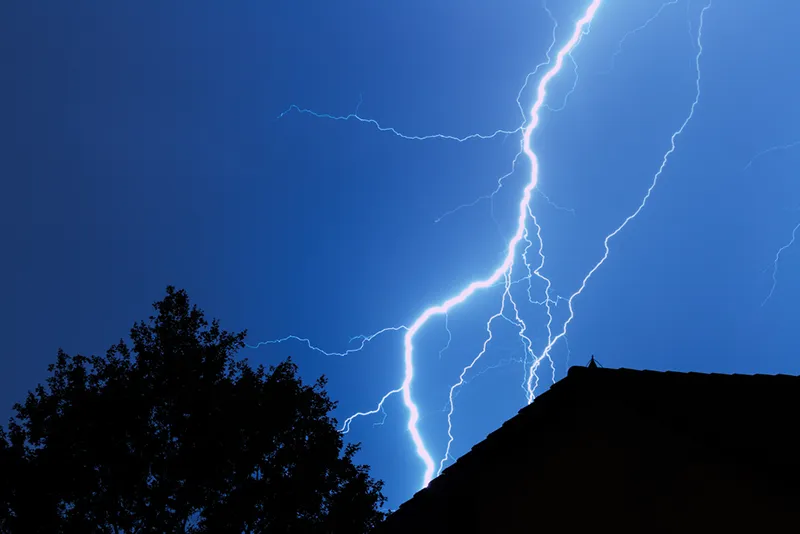
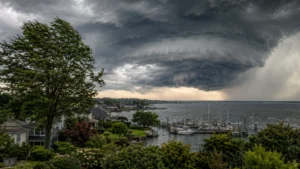
Tree Hit By Lightning

Lightning moves through a tree in a fraction of a second, but the effects can continue for months. The electrical current follows moisture and conductive tissue, generating intense heat as it moves from the canopy toward the ground. The International Society of Arboriculture explains that lightning can vaporize water inside a tree, which can split wood and blow bark away. Some strikes leave a dramatic scar. Others leave much less visible evidence even though internal tissues have been injured. ISA guidance on storm related tree damage is a useful reference for understanding why a strike deserves professional attention.

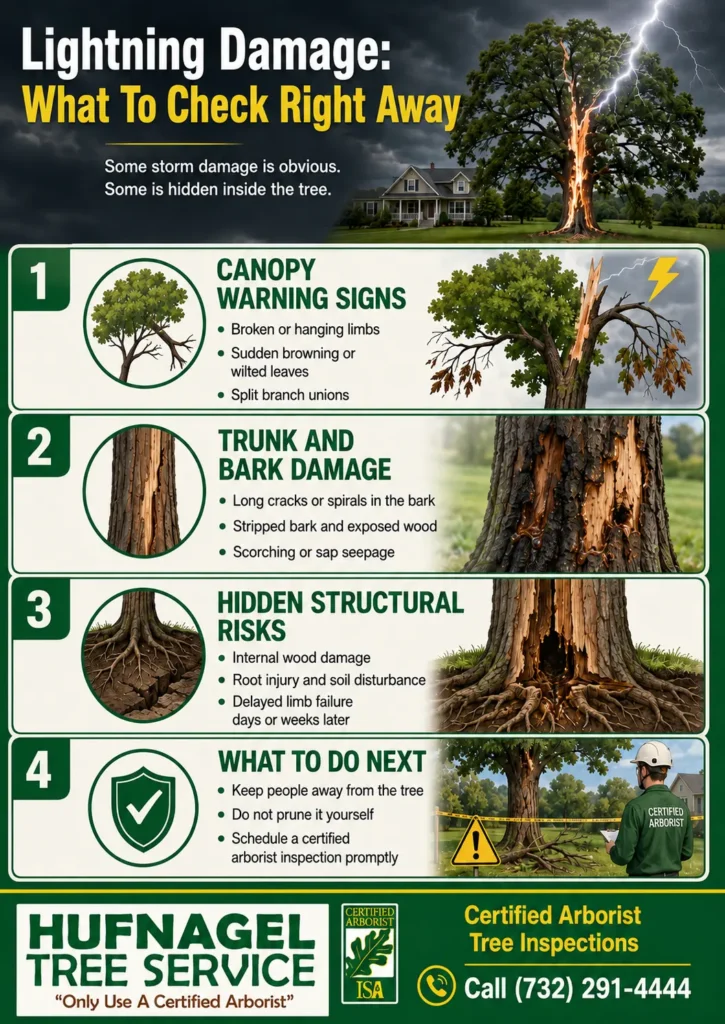
The most visible sign is often a long strip of missing or separated bark. We also look for vertical cracks, freshly exposed wood, scorched tissue, broken tops, suddenly wilted foliage, and areas where bark appears loose. A strike can travel through one side of the trunk and exit near the root flare, so we inspect the base as carefully as the crown. Our earlier guide to lightning damaged trees explains why the tree can survive the initial event yet still develop problems later.

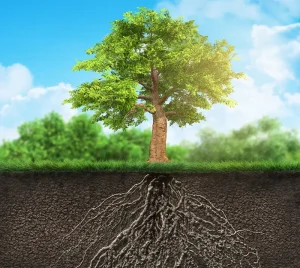
Root damage is particularly important on established Interlaken properties. A tree may have grown for decades within a lawn, garden bed, driveway edge, or narrow planting area. If the strike travels through major roots, the tree may lose part of the system that anchors it and supplies water. That can produce delayed canopy thinning, branch dieback, or a change in stability. We also look for soil disturbance and changes around the root flare because damage below grade can be easy to miss from the porch or driveway.

Site exposure also matters. Taller trees and trees standing above the surrounding canopy can become prominent strike points during thunderstorms. Interlaken has mature residential trees, older pines, and open views around portions of Deal Lake. We do not assume that every tall tree is in danger, but we pay close attention to a struck tree that towers over the roofline or stands near an occupied area. The goal is to understand the actual condition instead of judging the tree only by height or appearance.

Mike Hufnagel often puts the post storm question this way: “The important part is not just where the lightning entered the tree. We want to know what the strike changed from the top of the crown all the way into the roots.” That whole tree approach helps us decide whether the damage can be managed with tree restoration, whether pruning is needed, or whether the tree has developed an unacceptable risk. The next step is understanding what homeowners can see before we arrive.

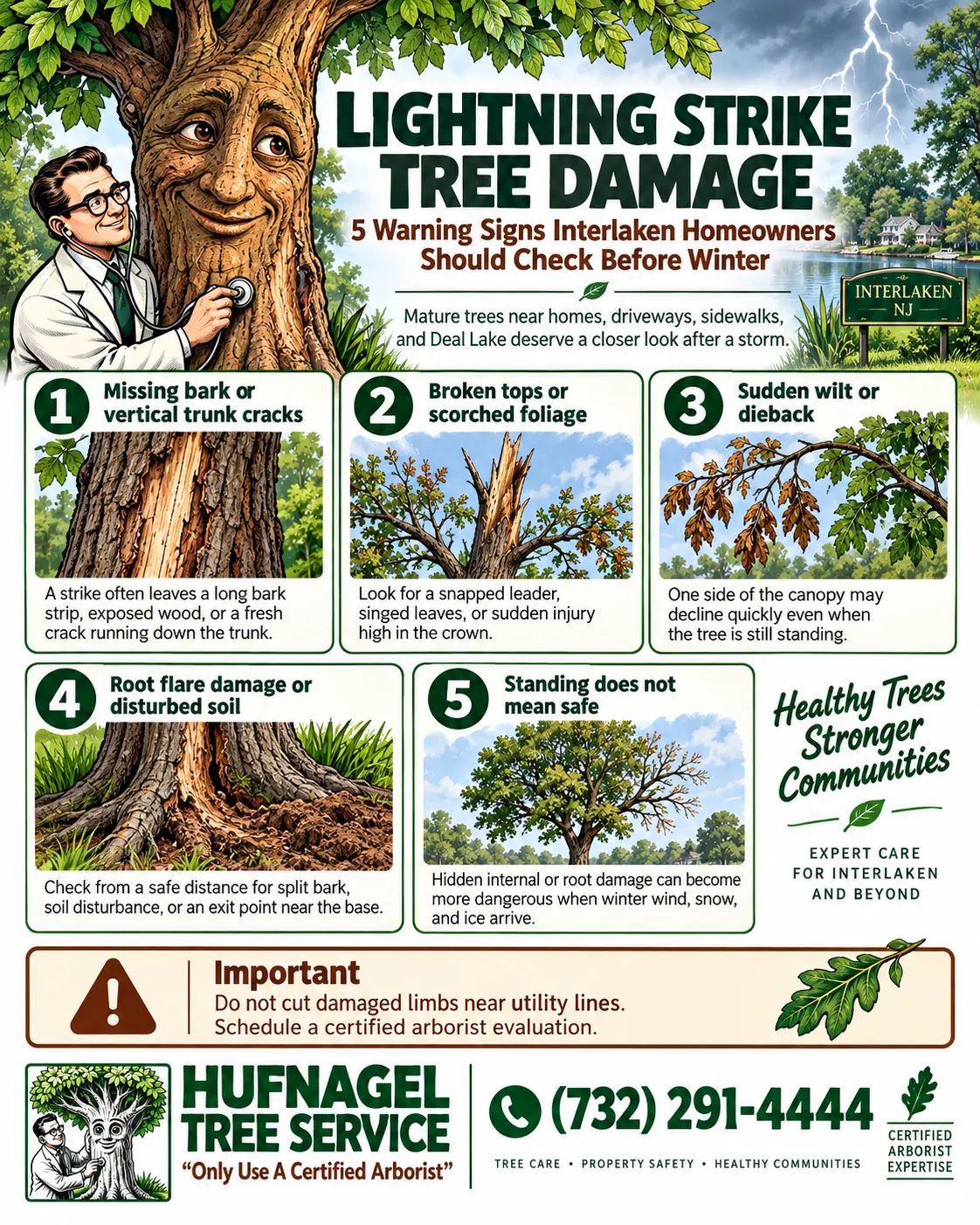
Lightning Damage Signs Interlaken Homeowners Should Know

  • Look for fresh strips of missing bark, vertical trunk cracks, or newly exposed wood.
  • Watch for a broken top, sudden wilt, scorched foliage, or rapid dieback in one part of the crown.
  • Check the root flare from a safe distance for split bark, disturbed soil, or an obvious exit point.
  • Do not assume a tree is safe simply because it remained standing after the storm.
  • Avoid touching or cutting damaged limbs near utility lines and call a qualified professional instead.

Lightning damage can be dramatic, subtle, or both at the same time. The visible scar tells us where part of the energy traveled, but it does not describe every damaged tissue or root. That is why we treat a strike as the beginning of an evaluation, not the end of the story. Homeowners can note changes from the ground, but climbing or cutting into a recently damaged tree adds unnecessary risk. Once the immediate signs are documented, the next concern is how that damage may behave when winter wind, snow, and ice add new loads to the tree.

Why a Lightning Struck Tree Needs a Risk Evaluation Before Winter

A lightning struck tree may enter fall with a weaker structure than it had at the start of summer. A crack can widen as wood dries and moves. A damaged top can create new leverage in the crown. Root injury can reduce anchorage without producing an obvious lean right away. Before winter, our tree risk evaluation focuses on defects that could interact with strong wind, wet snow, ice, or saturated soil.

In Interlaken, target exposure deserves special attention because lots are compact and mature trees can reach more than one property. A branch over a driveway may also reach a neighbor’s fence. A tree near the lake can affect a yard, shoreline, or public space if it fails. The borough code specifically addresses felled trees entering Deal Lake or its watershed, so local tree management has practical consequences beyond the base of the trunk.

We inspect the crown for broken leaders, hanging wood, dead branches, and fresh cracks around major unions. We inspect the trunk for lightning scars, cavities, old wounds, decay, and changes in bark attachment. At the root zone, we look for heaving soil, damaged roots, buried root flares, construction impacts, and signs that the tree is no longer well anchored. Those findings are considered together with the targets below the tree because tree risk is a combination of condition and consequence.

Not every defect means removal. In many cases, selective tree pruning and trimming can remove damaged wood or reduce stress on a compromised portion of the crown. Some trees may need monitoring while they recover. Others may benefit from tree health management if the strike has left them stressed and more vulnerable to secondary problems. A seriously damaged tree near a house or occupied area may require tree removal, but that decision should come from the condition of the tree rather than fear after a storm.

Winter is the wrong time to discover that a lightning crack was deeper than it looked in August. Snow and ice add weight, while winter wind can repeatedly flex weakened wood. The National Weather Service notes that coastal winter storms can bring a mix of precipitation and high winds, and those forces test defects that were already present. National Weather Service information about Nor’easters helps explain why fall is a practical time to deal with structural questions before the next warning arrives.

What Our Prewinter Tree Risk Evaluation Looks For

  • Cracks that extend beyond the visible lightning scar into major wood or branch unions.
  • Broken or dead crown sections that could fail under wind, snow, or ice.
  • Root flare and soil changes that suggest reduced anchorage.
  • Nearby targets such as roofs, driveways, sidewalks, vehicles, fences, and neighboring property.
  • Whether pruning, restoration, monitoring, support, or removal offers the most reasonable path forward.

A post strike inspection is not about finding an excuse to remove a valuable tree. It is about understanding what changed and matching the response to the actual defect. In many cases we can preserve a mature tree with thoughtful pruning, follow up care, and monitoring. In other cases the combination of hidden damage and a high value target makes a stronger recommendation necessary. The next question is whether a lightning damaged tree can recover, and the answer depends heavily on how much living tissue and structural capacity remain.

Can a Lightning Damaged Tree Be Saved

lightening damage info hufnagel tree service

Yes, many lightning damaged trees can survive, but there is no one size answer. A tree that loses a strip of bark but retains a healthy crown and stable root system has a very different outlook from a tree with a split trunk, destroyed leader, and extensive root injury. We look at species, age, vigor, wound size, location, structure, and the percentage of the crown that remains functional. Preservation makes sense when the tree can continue to provide value without creating an unreasonable risk.

When restoration is appropriate, the first goal is usually to remove broken or unsafe wood while keeping as much healthy canopy as possible. Our tree restoration service is designed for mature trees that need corrective work rather than automatic removal. Proper cuts matter because a stressed tree needs to compartmentalize damage. Aggressive stripping of live branches after a strike can make recovery harder by taking away the leaf area the tree still needs.

Root zone care is equally important. A lightning damaged tree should not be buried under a fresh mound of mulch or subjected to new soil compaction from vehicles and equipment. Rutgers warns about problems with over mulching trees, including buried root flares and excess moisture against the trunk. We prefer a broad, appropriate mulch area with the trunk flare exposed, along with watering decisions based on actual soil conditions rather than a fixed calendar.

For exceptional specimen trees, lightning protection can be part of a long term management discussion. The ISA publishes best management practices for tree lightning protection systems, including tree selection, installation, maintenance, and limitations. These systems are specialized work, not a do it yourself grounding project. In New Jersey, Rutgers notes that licensed tree experts may provide services including lightning protection, diagnosis, tree assessment, and risk management. Rutgers guidance on hiring a tree care professional is a useful resource when comparing qualifications.

Finally, recovery needs observation. Some strike effects are delayed, so a tree that looks stable in September should still be watched through dormancy and the following growing season. We may recommend a follow up inspection if crown decline develops, bark begins separating, fungal growth appears around damaged wood, or the tree starts leaning. That measured approach gives a valuable Interlaken tree a fair chance to recover while keeping safety at the center of the plan.

When Preservation Is Reasonable After a Lightning Strike

  • The trunk remains structurally sound with limited cracking or separation.
  • A substantial healthy crown remains capable of supporting recovery.
  • The root system shows no major loss of anchorage or severe soil movement.
  • Damaged branches can be removed without destroying the tree’s natural structure.
  • The tree can be monitored without exposing people or property to an unacceptable level of risk.

Lightning does not automatically turn a mature tree into a removal candidate. Good arboriculture separates recoverable injury from structural failure and considers the value of the tree in its setting. In Interlaken, that often means balancing preservation with the reality of close homes, lakefront property, and mature residential canopies. A certified arborist can document the damage, explain what can be corrected, and identify what needs monitoring. With that information, the homeowner can make a practical decision before winter adds another layer of stress.

Call Hufnagel Tree Service for Lightning Damaged Trees in Interlaken

If a tree on your Interlaken property was struck by lightning, do not wait for a second storm to tell you how much damage occurred. We can evaluate the trunk, crown, root zone, and nearby targets, then recommend pruning, restoration, monitoring, or removal based on what the tree actually needs.

Hufnagel Tree Service is led by a certified arborist with almost 30 years of local tree care experience and more than 280 five star Google Maps reviews. Our work is rooted in Monmouth County, and we understand how mature trees fit into compact communities like Interlaken where preservation and safety both matter.

Call or text (732) 291-4444 to schedule a location specific consultation for lightning strike damage, tree risk evaluation, or prewinter tree care in Interlaken.

Schedule Service Now!

From precision pruning and safe removals to health assessments and preventative care, Hufnagel Tree Service delivers expert solutions backed by decades of experience. We offer certified insight, fair pricing, and a commitment to doing what’s best for your landscape.

Where Do You Need Service?
Please Enter Your Contact Information
Are You A New or Existing Customer?
How Can We Help You?

Thank You!

Your Message Has Been Sent

We Will Contact You About Your Inquiry Shortly.

We Could Not Find A Direct Link To A Tree Removal Permit Application For The Town You Selected.

Please contact your local municipality to determine if a permit is required for your tree removal project. They will provide you with the most accurate and up-to-date information.