Contents
One Risk Plan Can Cover Three Communities, But The Exposure Is Not the Same
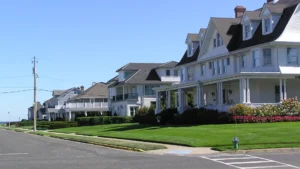
Sea Girt, Spring Lake, and Little Silver all contain high value residential properties with mature trees and carefully maintained landscapes, but the environmental pressures are not identical. Sea Girt sits directly in the ocean influence.
This is also a region where many homes are supported by property managers, seasonal caretakers, house managers, landscape companies, or family offices that coordinate maintenance for the owner. Those professionals need the same thing homeowners need: direct answers.
Mike Hufnagel summarizes the approach this way: “The address changes the exposure, but the risk process stays disciplined. We look at the tree, the roots, the recent weather, and what that tree can hit. Then we decide what actually needs to be done.”
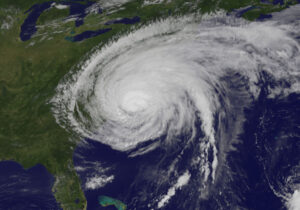
Summer Weather Creates Different Risk Patterns Across the Three Towns
Sea Girt properties receive the most direct ocean influence of the three areas. Wind and salt can stress exposed trees, evergreens, and privacy plantings throughout the growing season.
Spring Lake has its own mix of exposure. Mature trees around established residential blocks and the lake can carry broad canopies close to homes, walks, roads, and outdoor living spaces.
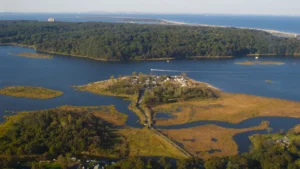
Little Silver is less directly oceanfront, but its mature neighborhoods and proximity to the Shrewsbury River create another set of conditions. Older trees often stand close to houses, driveways, fences, and neighboring yards. Our own Little Silver tree care guidance emphasizes the importance of canopy control and storm readiness in these tighter residential settings.
For a homeowner, local exposure explains why one tree may decline while another species nearby looks unaffected. For a property manager, it helps establish maintenance categories across multiple homes.
Late August is a useful time to compare current canopy condition with how the trees looked in spring. Early color, thinning, dead tips, uneven growth, or broken branches can all become clues for a more detailed tree health assessment before autumn changes the picture.
What Changes From Sea Girt to Spring Lake to Little Silver
- Sea Girt: direct ocean wind, salt exposure, and privacy landscape stress
- Spring Lake: mature canopy near homes, streets, lakefront grounds, and gathering areas
- Little Silver: older trees close to residences, drives, fences, and river influenced sites
- All three: summer thunderstorms, saturated soils, deadwood, and hidden structural defects
- Managed properties: access, occupancy, vendor coordination, and documentation requirements
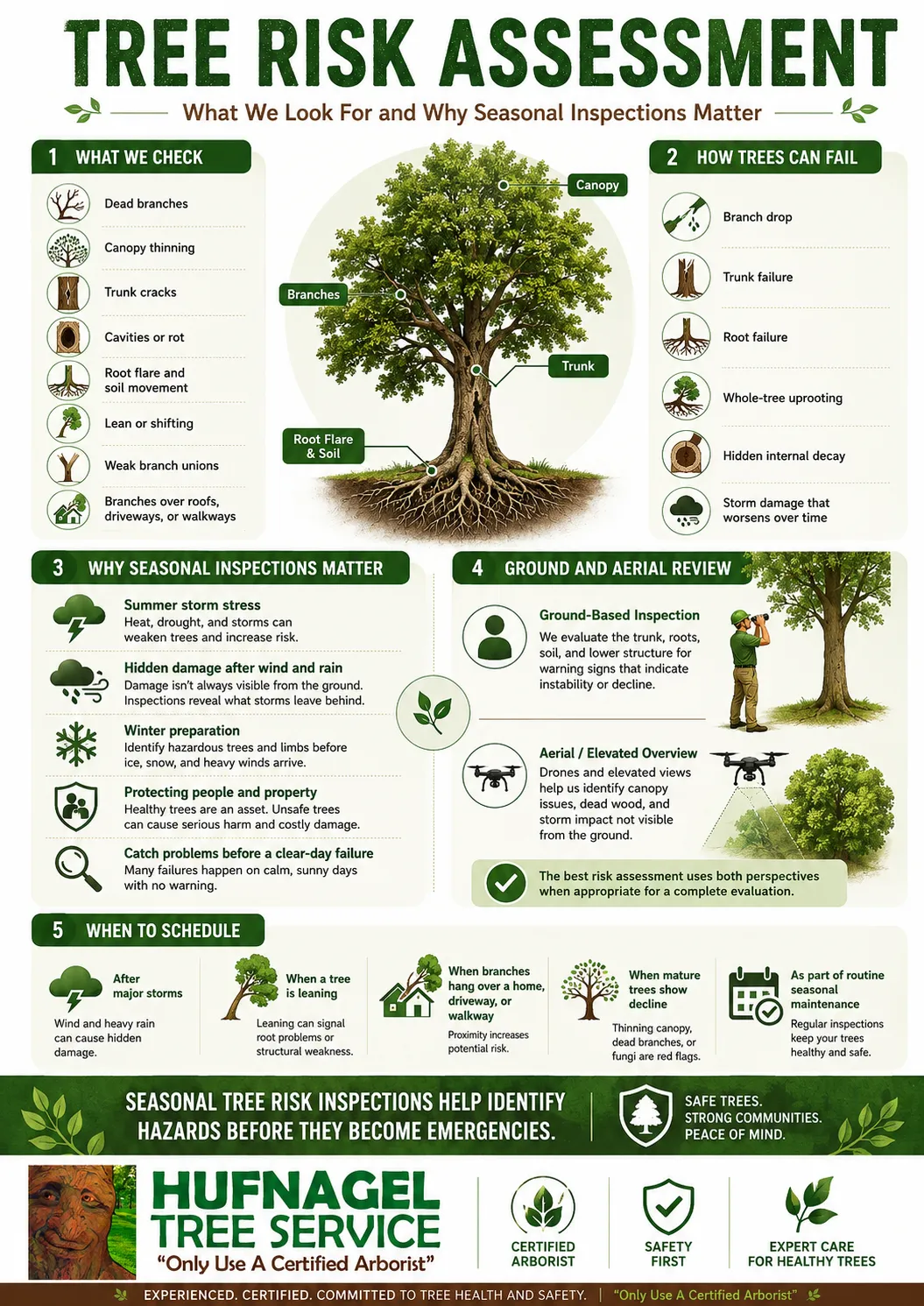
The communities share a storm season, but they do not share identical tree conditions. Understanding exposure helps us decide where to focus the inspection and which symptoms deserve follow up. The next issue is one all three towns have in common: summer storm damage can remain hidden after the visible debris is gone. That delayed risk is one of the strongest reasons to schedule a seasonal arborist check.
The Storm May Be Gone While the Tree Damage Remains
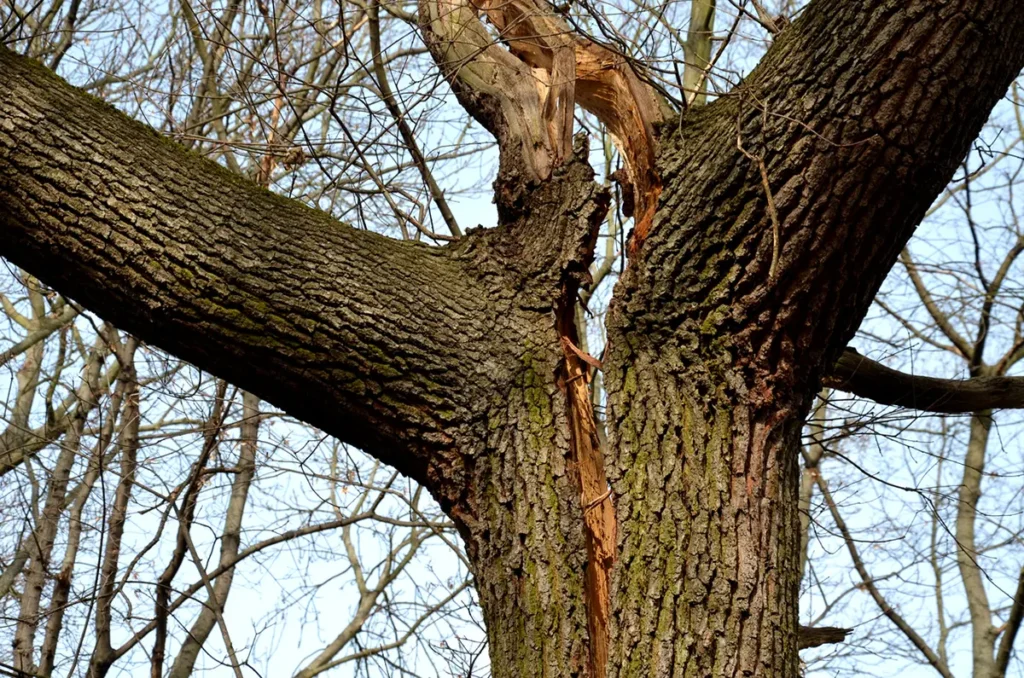
Tree failure is not always immediate. A major branch can partially separate and remain suspended. A root system can shift slightly without producing an obvious lean. Wind can enlarge an old trunk crack, and water saturated soils can reduce anchorage around roots that were already compromised. The property may look normal again while the tree is carrying a new weakness.
Internal decay is another hidden condition. A tree can continue producing leaves because living tissue near the outside of the trunk is functioning even while structural wood inside has deteriorated.
Root issues can be equally subtle. The U.S. Forest Service tree risk guide notes the importance of wet sites, root injury, soil compaction, and altered growing conditions. Those factors can occur around renovated shore homes, new hardscapes, driveways, irrigation systems, utility work, additions, and landscape reconstruction. The tree may be mature, but its root environment may have changed considerably.
This is why we recommend seasonal inspections for mature trees near important targets and additional evaluation after notable storms. A clear day does not reverse structural damage. If roots, wood, or branch unions were weakened, ordinary gravity and normal wind continue loading those areas every day.
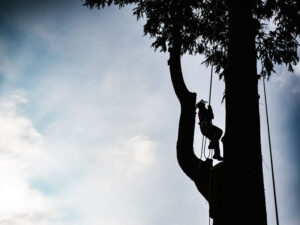
Some conditions high in the crown cannot be judged fully from the ground. Our aerial tree inspection guidance explains when closer upper canopy access may be warranted, especially for large trees near a home, pool, road, or neighboring property. The goal is targeted evaluation, not unnecessary inspection of every branch.
Post Storm Clues That Deserve Attention
- Newly broken or hanging branches that did not fall during cleanup
- Fresh cracks, split unions, or bark separation in major limbs
- Soil lifting, exposed roots, erosion, or movement around the trunk base
- New lean or a noticeable change in canopy balance
- Fast summer dieback, thinning, or browning that is not uniform across the tree
Hidden damage matters most when the tree stands over something important. A defect in an isolated corner may be monitored differently from the same defect over a bedroom, pool, driveway, or public sidewalk. That is why professional tree risk work always includes the target, not just the tree itself. The next section addresses the life safety side of that equation.
Tree Risk Is Measured by What a Tree Can Hit
Falling trees and limbs can destroy structures and vehicles, but property damage is not the worst possible outcome. A mature branch can cause severe injury or death if it fails into an occupied area.
Sea Girt and Spring Lake properties often concentrate outdoor living close to established landscape plantings. Little Silver homes may have large mature canopies extending over tighter lots and neighboring yards.
Property managers have an additional responsibility to consider everyone who uses the site. Landscapers, cleaners, contractors, pool technicians, delivery drivers, guests, and seasonal staff may walk beneath trees at times the owner is not present. A side gate or service drive can be a high frequency target even though it is visually secondary to the front of the home.
Leaning trees should be evaluated for cause rather than judged by appearance alone. A stable tree may have grown at an angle for many years.
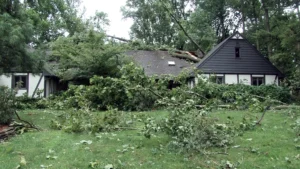
The photos or video you plan to place with this section will make the scale of failure clear. A large tree across a roof, vehicle, fence, or yard is a reminder that mature trees deserve both appreciation and inspection. The purpose is not to create fear. It is to encourage action when recognizable warning signs and high consequence targets exist together.
Places Where We Apply a Lower Tolerance for Risk
- Bedrooms, living spaces, garages, guest areas, and occupied structures
- Pools, terraces, patios, play areas, and outdoor gathering spaces
- Driveways, gates, service entrances, and frequently used walkways
- Neighboring homes, fences, public sidewalks, and property lines
- Utilities, vehicles, landscape structures, lighting, and other high value assets
The target helps determine urgency. A large tree is not automatically unsafe because it is large, and a small defect is not automatically unimportant if it sits above a heavily used area. Once urgent risk items are identified, the rest of the landscape can be addressed through sensible end of summer maintenance. That work should improve safety and appearance without forcing heavy pruning at the wrong time.
End of Summer Care Should Include Trees and Hedgerows
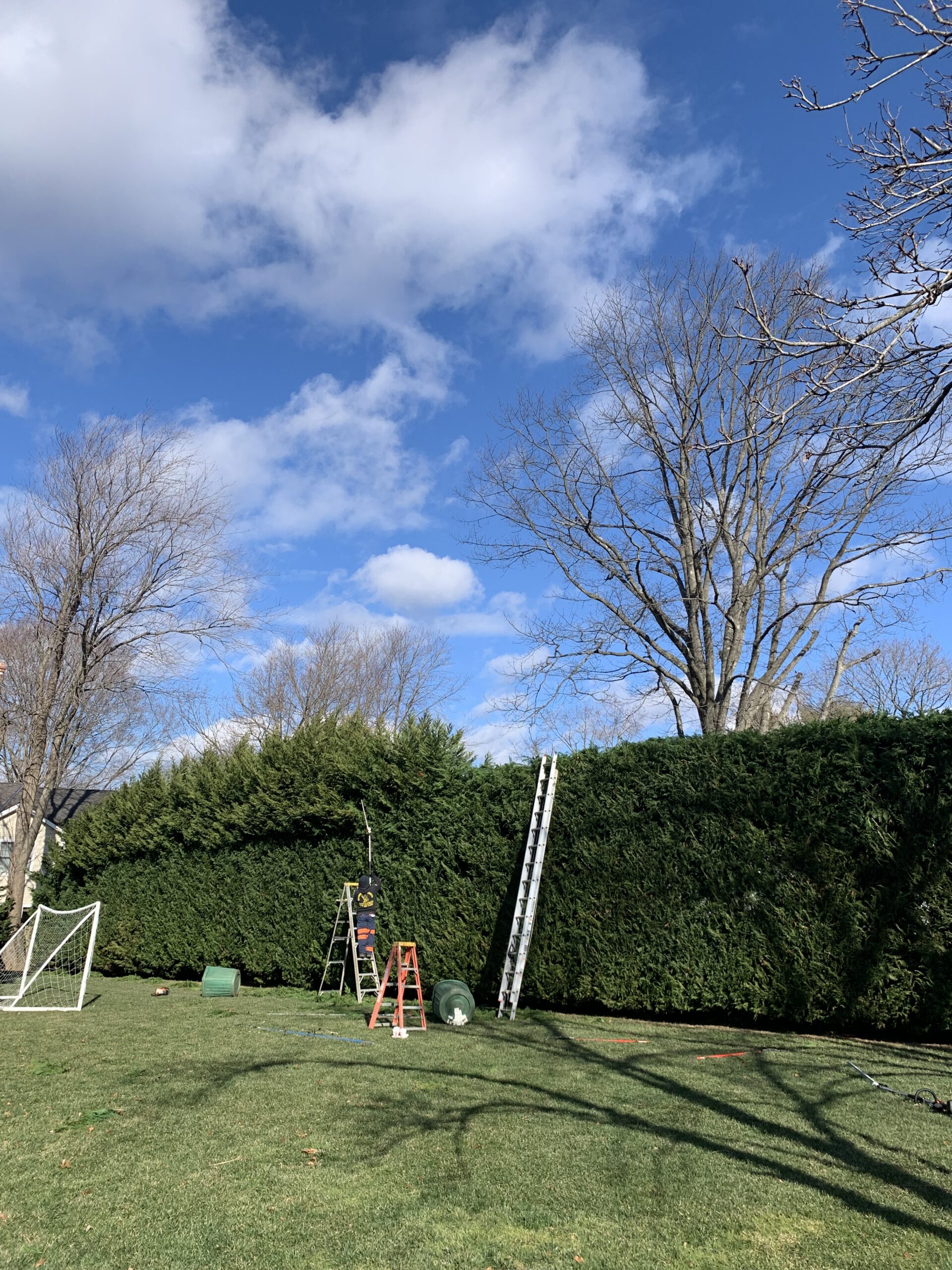
By late August, ornamental trees and hedges have had a full season to expand. In Sea Girt and Spring Lake, privacy screens may be especially important around outdoor living areas and neighboring properties.
Tree maintenance should be more selective. Deadwood, broken branches, and immediate clearance problems can often be addressed where timing and species allow. Routine structural pruning may belong on a later schedule. Our tree trimming and pruning service begins with the reason for the cut so we do not remove live canopy simply because the calendar says summer is ending.
Oaks require particular caution. Rutgers states that New Jersey oaks should not be pruned during the growing season for disease prevention and recommends December through February. That means an end of summer inspection may lead to a winter pruning appointment rather than same day cutting. Immediate hazards are still evaluated according to safety needs.
Late summer is also a practical time to identify removals, replacements, and fall planting opportunities. If a dead or structurally compromised tree must come out, the property can be reviewed for a better replacement location or a species suited to the site.
For property managers, grouping this work is efficient. Risk items can be handled first, appearance items second, and species dependent work placed on a seasonal calendar. That makes vendor coordination easier and gives the owner a clear explanation of why all requested work should not necessarily happen on the same day.
A Smarter End of Summer Maintenance List
- Remove dead, broken, or hanging branches where appropriate
- Create needed clearance around homes, drives, walks, lighting, and access points
- Shape suitable ornamentals, hedges, and privacy screens conservatively
- Plan removals and replacement planting for trees that cannot be retained responsibly
- Schedule dormant season pruning for oaks and other species that benefit from later timing
End of summer care should make the landscape safer and easier to manage while protecting the health of the trees that remain. That requires more judgment than simply cutting back everything that grew during summer. The right professional can distinguish immediate risk, routine maintenance, and work that belongs on a future calendar. Certified arborist training is what gives that distinction a stronger technical basis.
Certified Arborist Evaluation Creates a Better Property Management Plan
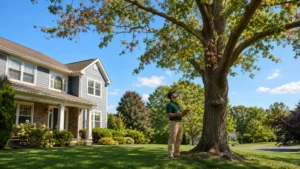
A certified arborist brings tree biology into decisions that might otherwise be based only on appearance. We evaluate species, structure, roots, decay indicators, site conditions, recent weather, pruning history, and the consequences of failure. The result may be pruning, health care, monitoring, restoration, or removal. The important point is that the recommendation follows the tree rather than the other way around.
Rutgers recommends hiring trained and qualified tree care professionals for large tree work and warns against practices that damage trees, including topping. This is particularly important around mature specimens where a poor cut can create decay, weak regrowth, or permanent aesthetic damage. A high value landscape deserves decisions made with the tree’s long term condition in mind.
For owners who delegate property care, certified arborist oversight also improves accountability. The manager can receive a clear priority list, coordinate access, plan around occupancy, and report back to the owner with more than a vague statement that the trees “needed trimming.” Our commercial and managed property service supports those coordination needs while keeping arborist judgment at the center of the work.
Mike says, “The manager should be able to tell the owner what we found, what we recommend, and what can wait until winter. If I cannot explain that clearly, I have not done the inspection well enough.” That communication is just as important as the physical work when several people share responsibility for a property.
Hufnagel Tree Service has more than 275 five star reviews and longstanding roots in this part of Monmouth County, but our goal in these communities is not to repeat credentials in every paragraph. It is to provide a reliable local arborist resource for Sea Girt, Spring Lake, and Little Silver when the condition of a mature tree requires an informed decision.
What a Certified Arborist Gives Owners and Managers
- A diagnosis based on tree biology, structure, site conditions, and targets
- Species appropriate pruning recommendations and seasonal timing
- A clear distinction between urgent risk work and optional aesthetic maintenance
- Preservation options for valuable trees that can be retained responsibly
- A prioritized plan that can be communicated to owners, staff, and other vendors
A good inspection should make the next decision easier. It should tell you what needs attention now, what belongs on the dormant season schedule, and which mature trees can continue to be managed rather than removed. That is useful whether you are the homeowner on site or the person overseeing the property for someone else. Late summer gives us an excellent opportunity to make those decisions before the next round of coastal and fall weather arrives.
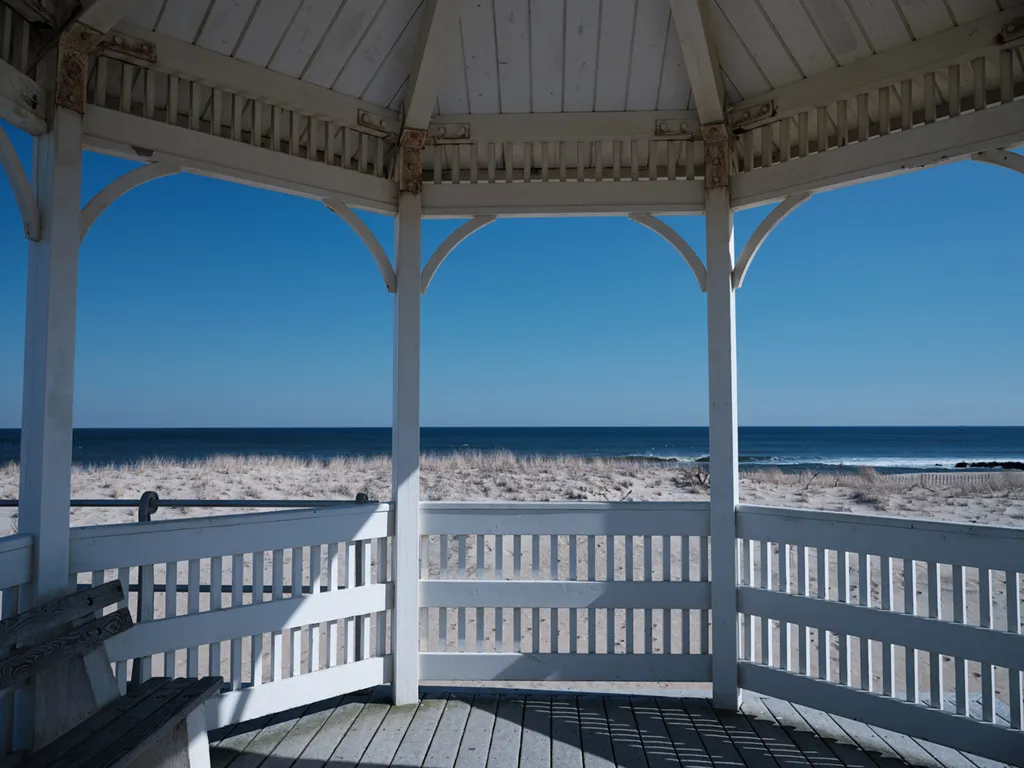
Schedule a Tree Risk Inspection in Sea Girt, Spring Lake, or Little Silver
If you own or manage a property in Sea Girt, Spring Lake, or Little Silver, call Hufnagel Tree Service at (732) 291-4444 to schedule a tree risk evaluation. We will assess storm effects, mature tree stability, high consequence targets, hedgerows, and seasonal maintenance needs, then give you a clear plan for the work that should happen now and the work that should be scheduled later.
Schedule Service Now!
From precision pruning and safe removals to health assessments and preventative care, Hufnagel Tree Service delivers expert solutions backed by decades of experience. We offer certified insight, fair pricing, and a commitment to doing what’s best for your landscape.
Learn More About Our Services
Related Articles
Tree Risk Evaluation in Colts Neck, NJ
Avoid Late Summer Tree Problems: Schedule An Inspection
Tree Pruning for Safer, Healthier Growth