Contents
In Shrewsbury Township, Every Mature Tree Stands on Shared Ground
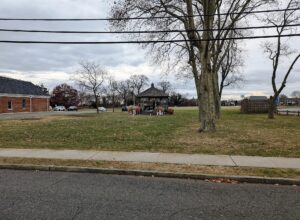
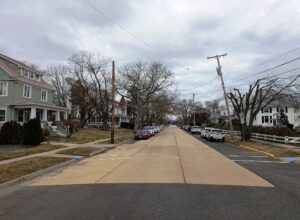
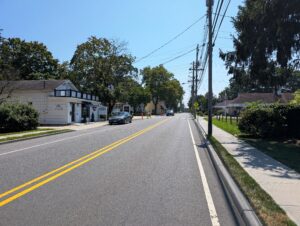
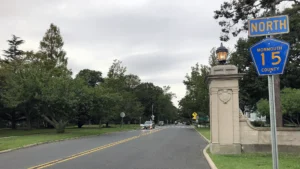
Shrewsbury Township is the smallest municipality in New Jersey by area. It covers a tenth of a square mile between Tinton Falls and Shrewsbury Borough, and the township describes itself as three streets: Crawford, Barker, and Belshaw. The only way in by car is from Shrewsbury Avenue. Most of the housing began as 265 homes built during the Second World War for the families of Fort Monmouth employees, and after the war the residents bought the land from the Army and formed the Alfred Vail Mutual Association, one of the first housing cooperatives in the state.
That history shapes how we approach tree health management in Shrewsbury Township. The trees that shade Crawford Street, Eloise Nagel Field, and the lawns between the Vail Homes grow on ground that nobody owns alone. A mature tree over a shared lawn, a parking row, or a playground is a shared asset and a shared responsibility, and the decisions about it usually run through an association board or a property manager rather than a single homeowner. That is why our tree health management service begins here with a written review rather than a work order.
After almost 30 years working throughout Monmouth County, we have seen that trees on shared grounds get looked at less often than trees in a private yard, because everyone assumes someone else is watching. Fall is when that gap shows. Leaves thin out, the stress of the summer becomes visible, and a fall tree evaluation can catch a decline while the association still has choices.
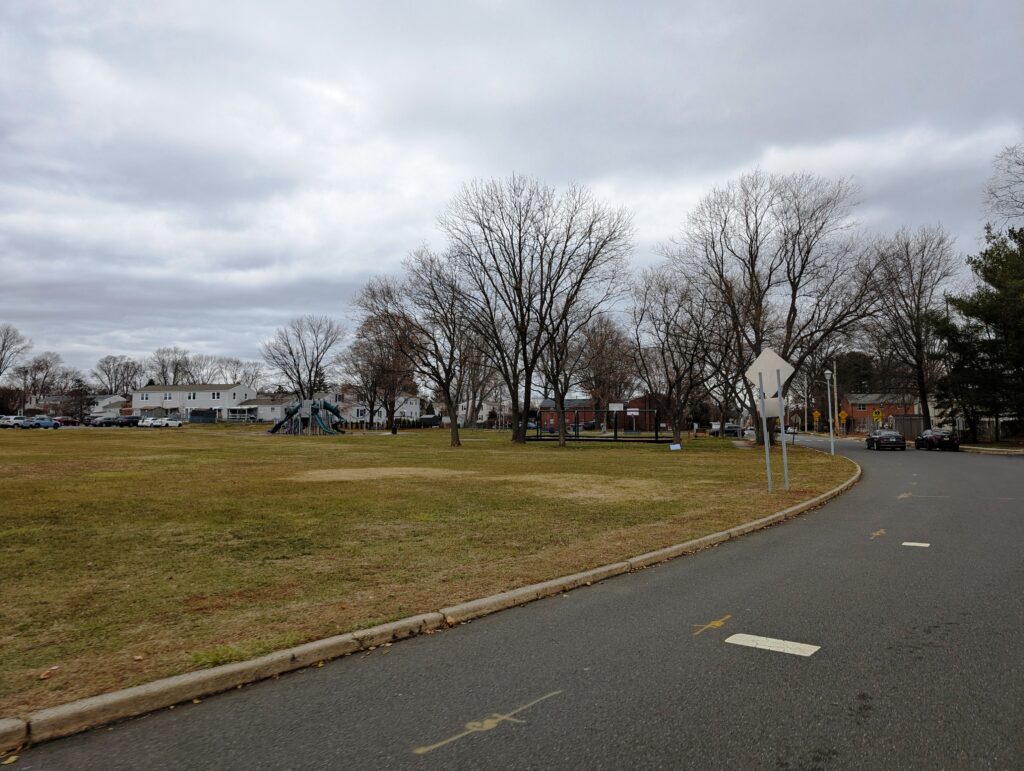
Shrewsbury Township is not a coastal town, but it is not dry ground either. The township publishes a stormwater management plan, adopted a stormwater control ordinance in 2023 that incorporates NJDEP requirements, and in 2024 passed ordinances on private storm drain retrofits and on salt storage. Those documents describe the ground the trees grow in: small lots, streets plowed and salted every winter, and soil that stays wet after heavy rain. The National Weather Service describes nor’easters as most frequent and most violent between September and April, with gale force northeast wind and heavy rain or snow. A mature tree standing in saturated ground is tested in exactly that window. This article covers what tree health management in Shrewsbury Township should look at before then.
Tree Health Management Starts With What Changed This Summer
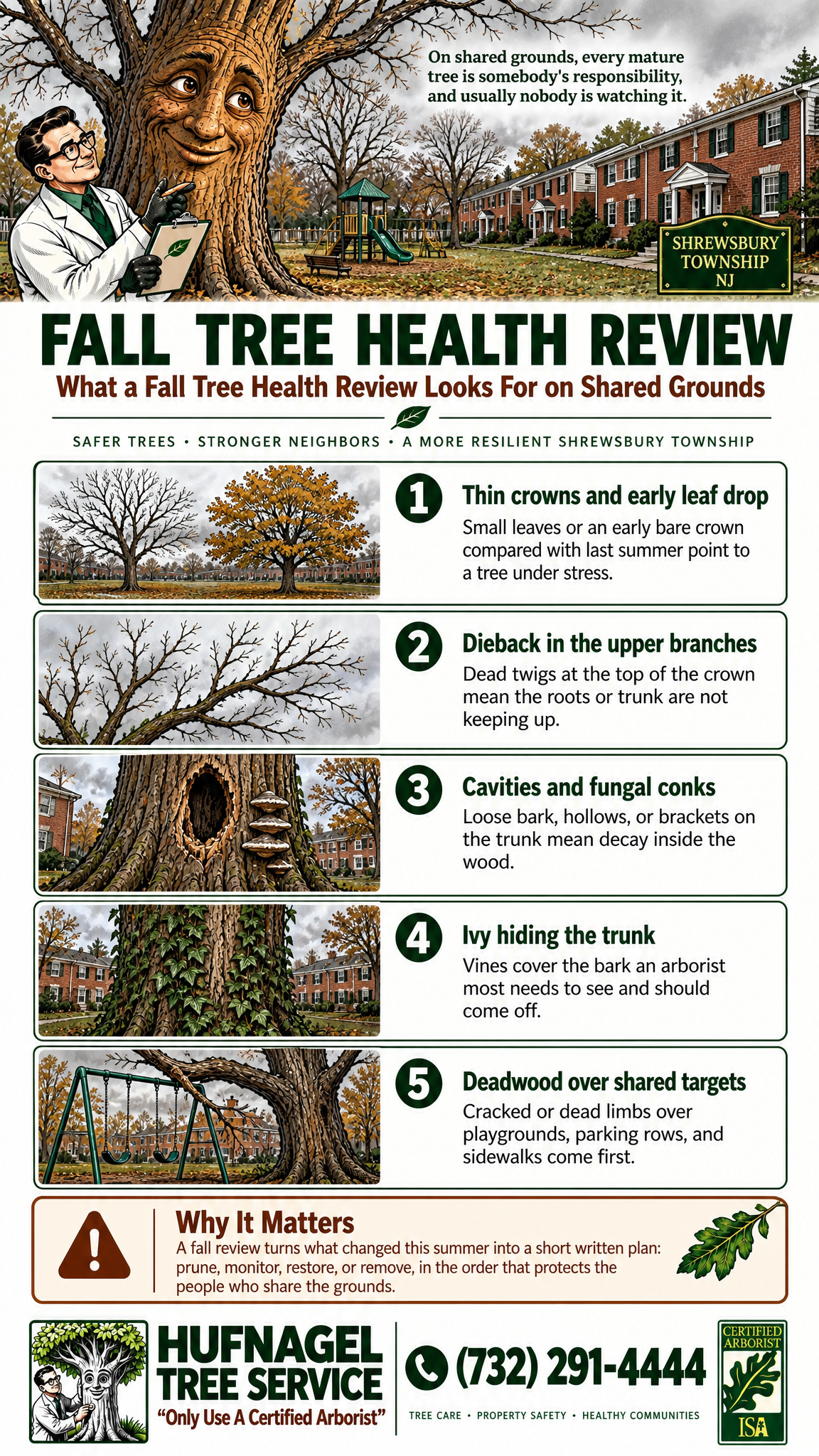
Tree health management is not a treatment we sell by the bag. It is a sequence: look at the whole tree, compare it with how it looked a year ago, identify what changed, and decide whether the change needs work, monitoring, or nothing at all. The International Society of Arboriculture recommends that mature trees be inspected at least once a year, and it names four signs of vitality: new leaf or bud formation, leaf size, twig growth, and the absence of crown dieback.
We begin in the crown. A tree that leafed out thin in May, dropped leaves early in August, or shows dead twigs at the ends of its upper branches is telling us something about the roots or the trunk, not only the canopy. Reduced growth is one of the more dependable clues that a tree’s health has recently changed, and an experienced eye can read several years of twig growth at once. On Crawford Street, where the same trees shade the same rows of homes year after year, the comparison is easy to make if someone makes it.
Comparison is the tool that makes a crown reading honest. Where trees of the same kind stand in a row along a street or a parking area, the neighbors are the baseline. One tree in the row that leafed out late, held smaller leaves, or dropped them two weeks ahead of the others is the one to look at, and the difference is usually easier to see from the far end of the row than from directly underneath it. We also read the twigs. Each year of growth leaves a ring of bud scale scars, and a twig that grew several inches a year and then almost nothing for the last two seasons records the change in the tree more plainly than any single symptom. That record is what a fall review is written against.
Then we look at the trunk and the base. Cavities, loose bark, fungal conks on the trunk, and sawdust at the base are structural questions as much as health questions. Our guide to hidden tree rot explains why a tree can carry decay for years and still hold a full set of leaves. Ivy up a trunk hides the bark we most need to see, and our article on vines and tree health covers what it conceals.
Then we look at what the tree stands over. On shared grounds the targets are different from a private yard: a playground, a parking row where the same cars sit every night, a sidewalk that residents use at all hours, a row of homes that share one roofline. A defect that is low concern over an open lawn can be much more important over the swings at Eloise Nagel Field. The question is never only whether the tree is healthy. It is whether the part of the tree over that target is sound, which is the job of a tree risk evaluation.
Mike Hufnagel puts it this way: “On a property that a lot of people share, I want to know who is watching the trees. Usually the answer is nobody in particular, and that is where we start.” That observation shapes the review. We are looking for the changes that nobody has had the time or the vantage point to notice, and we write them down so the association has something to act on.
What a Fall Tree Health Review Looks For on Shared Grounds
- Thin crowns, small leaves, or early leaf drop compared with the previous summer.
- Dead twigs and dieback at the tops and ends of the upper branches.
- Cavities, loose bark, or fungal conks on the trunk and major limbs.
- Ivy or vines climbing the trunk and hiding the bark beneath them.
- Deadwood or cracked limbs over playgrounds, parking rows, sidewalks, and rooflines.
Finding these signs is the point of the review. Most of them have a reasonable answer: selective pruning that removes deadwood and reduces end weight, or vine removal so the trunk can be seen. What we do not do is treat a thin crown with a blanket fertilizer application before we know why the crown is thin, or thin a tree out “for wind” as a standard prescription. The crown tells us what changed. The ground tells us why, and that is where a fall review on these grounds goes next.
Shared Lawns, Plowed Streets, and Road Salt Change the Root Zone
A tree stands and grows on what its roots can reach. In Shrewsbury Township, the root zone of a mature tree is rarely a quiet piece of ground. It is a lawn that is mowed every week, a parking row beside homes that date from the 1940s, a sidewalk, and a strip beside a street that is plowed and salted every winter. ISA guidance warns that trenching or earthmoving within a root zone may cause more harm than good.
Compaction is the quiet one. Decades of mowers, foot traffic, and parked cars press the soil until roots cannot get the air and water they need. The crown thins slowly, a little each year, and nobody connects it to the lawn. Rutgers notes that on compacted and poorly drained soils mulch depth should not exceed 2 inches, and that mulch should stay 8 to 12 inches away from a mature tree trunk. We see mulch piled against trunks on many shared properties, applied by a landscape crew with good intentions, and in wet ground it starves the roots it was meant to protect.
Salt is the seasonal one. Rutgers Cooperative Extension describes how deicing salt injures plants: it binds water so roots cannot take it up, it degrades soil structure, it displaces nutrients, and chloride accumulates in growing tissue. Conifers suffer more than deciduous trees because they do not shed their needles every year. The damage is worst in late winter and early spring, when there has been less time for snow and rain to leach the salt away. On three short streets that are plowed every winter, that is a real question for every tree within reach of a plow.
Timing is the fall question. The salt decisions get made before the first storm, not after it: where the plowed snow is piled, and whether the crew can clear the snow first and use the minimum deicer, as Rutgers advises. A tree that has taken salt for years shows scorched leaf edges, stunted growth, and twig dieback, and those signs are easy to confuse with drought or disease. A fall review records which trees stand in the salt path so the spring symptoms can be read correctly.
The township publishes its own stormwater maps, and they show what the ground does with water. They mark streams, flood zones, wetlands, and groundwater recharge areas inside a tenth of a square mile, and in 2024 the township added an ordinance on private storm drain retrofits. For a tree, those lines on a map describe where the soil stays wet longest after a storm and where new drain work is most likely to cut through roots. Rutgers notes that roots decline in waterlogged ground for lack of air, so a tree on the wet end of a lawn tends to hold on with a shallower root plate than the same tree on the dry end, and it leans on that plate when a nor’easter pushes it. A fall review notes which trees stand on that ground, because the same wind means something different to each of them.
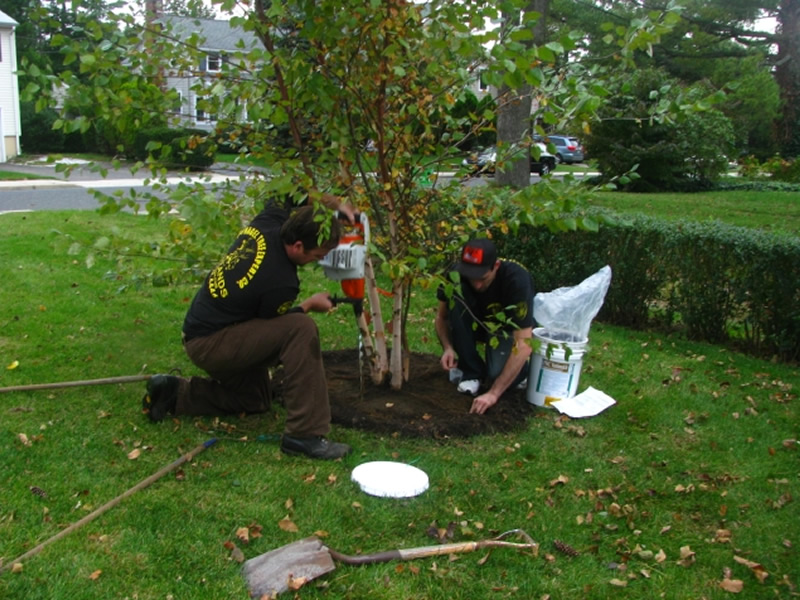
Where the ground itself is the problem, there is work that helps. Compacted soil can be opened mechanically or with compressed air so roots can grow into it again, and a soil test tells us whether a fertilizer would do anything at all. Our guide to weak tree roots covers what we look for at the base when a tree has moved or the soil has lifted.
Root Zone Warning Signs on Shared Grounds Before Winter
- Mulch piled against the trunk in ground that stays wet after rain.
- Bare, compacted soil under the canopy where cars park or people walk.
- Mushrooms or shelf fungi at the base of the trunk or on surface roots.
- Browning needles and scorched leaf edges on trees beside plowed streets.
- Roots cut or exposed by recent paving, trenching, or drain work.
None of these signs means a tree is coming down. Each one means the ground under it has changed. On shared grounds, the fix is often a conversation with the landscape crew and the plow contractor rather than a tree crew: pull the mulch back, move the snow pile, keep the mower away from the root flare. Where the roots have been cut or the base of the trunk is decayed, the answer is structural, and we say so. The last piece of a fall review is turning all of it into a plan the association can act on.
A Fall Tree Health Plan in Shrewsbury Township Is Written for a Board, Not a Yard
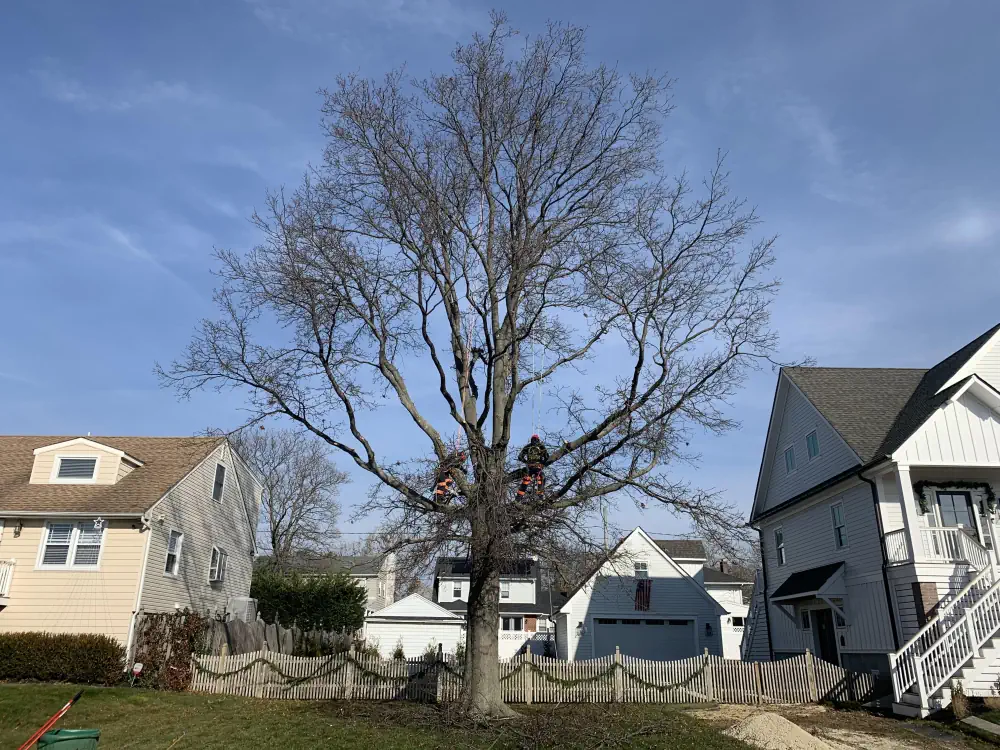
The review produces a short written list, not a long invoice. For each tree we note the condition, the target, and the recommended action, and we put the items in order. The limb over the playground comes before the deadwood over the back fence. A property manager or an association board can read that list in ten minutes and know what matters first.
Most trees on grounds like these end up in one of four outcomes: monitoring, pruning, restoration, or removal. Monitoring is a legitimate result. A tree with a thin crown and no clear cause can be photographed, dated, and checked again in spring when the leaves come in. Pruning handles most of the rest, and it is done selectively. The ISA brochure is plain about this: removing a live branch creates a lasting wound, and no branch should be removed without a reason.
Restoration applies to trees that were cut badly in the past or that are coming back from a hard few years. Older grounds often carry trees that were topped or stripped decades ago, and the regrowth from those cuts is weakly attached. Restoration pruning works that regrowth back toward sound structure over more than one season. Our tree health management service covers the soil and root zone side when the problem is below ground.
Removal is the outcome we reach when the trunk or the roots no longer give us a dependable way to manage the risk over the homes, the parking, or the field. We do not recommend it because a tree is old or because a board wants fewer leaves to rake. We recommend it when the alternatives do not reduce the risk to a reasonable level. No tree service can honestly guarantee that a tree will never fail in severe weather. What we can do is make sure the predictable failures are handled before the weather tests them.
A cooperative also changes who holds the record. In a private yard the homeowner remembers which limb came down in which storm. On grounds run by an association, boards turn over, managers change, and the memory of a tree and its history leaves with them. The Alfred Vail Mutual Association has owned this land since the residents bought it from the Army after the war, which means some of these trees have outlasted several generations of the people responsible for them. A dated written review, with a photograph of each tree flagged for monitoring, is how that history stays with the property rather than with whoever happened to be on the board. It also gives the next board a reason for every cut made before their time.
Fall is the window for tree health management in Shrewsbury Township, where the trees and the housing are roughly the same age. The summer record is visible, the leaves are coming off and exposing structure, and the ground has not yet frozen. Work scheduled now is done before the first nor’easter rather than after it. A plan written in October also gives the association time to budget, to coordinate with the landscape and snow contractors, and to tell residents what is being done and why. Earlier articles filed under Shrewsbury Township cover pruning and canopy shaping. This one is about keeping the trees already there.
What a Shrewsbury Township Association Should Have in Hand Before Winter
- A written review of every mature tree over homes, parking rows, sidewalks, and the field.
- Deadwood and cracked limbs removed from above playgrounds, walks, and parking areas.
- Mulch pulled back from trunks and snow piles kept off the root zones.
- A dated photograph of each tree flagged for monitoring, to compare in spring.
- A decision on any tree whose trunk or roots can no longer be managed safely.
A plan built this way is specific to the property and to the people who share it. It is not a list of every service we offer. It is the handful of actions that change the outcome for these grounds when the next storm arrives, in the order that matters. When the work is done, the association knows what was found, what was fixed, what is being watched, and what the landscape and snow crews need to do differently.
Schedule Tree Health Management in Shrewsbury Township Before Winter
If you manage or live on shared grounds in Shrewsbury Township, along Crawford Street, Barker Avenue, or Belshaw Avenue, or beside Eloise Nagel Field, schedule tree health management in Shrewsbury Township before the fall storm season settles in. We provide tree health management, tree risk evaluations, pruning, restoration, storm proofing, and removal when a tree cannot be managed safely.
Hufnagel Tree Service is led by a certified arborist with almost 30 years of local experience and more than 280 five star Google Maps reviews. We inspect first, explain what we found in plain terms, and recommend only the work that changes the outcome for your trees and your property.
Call or text (732) 291-4444 to schedule fall tree health management in Shrewsbury Township before the next nor’easter arrives.
Schedule Service Now!
From precision pruning and safe removals to health assessments and preventative care, Hufnagel Tree Service delivers expert solutions backed by decades of experience. We offer certified insight, fair pricing, and a commitment to doing what’s best for your landscape.
Learn More About Our Services
Related Articles
Summer Ornamental Tree Pruning in Middletown, NJ
Codominant Stems in Tinton Falls NJ: Check Weak Unions Before Winter