
Expert Tree Pruning & Tree Care in Old Bridge, Sayreville, and South Amboy

Homeowners in Old Bridge, Sayreville, and South Amboy rely on expert tree pruning to keep their properties safe, attractive, and resilient. As trusted local certified arborists, we help preserve the shared tree canopy of these Bayshore communities through careful, professional tree care designed for long term health and safety.
Share This Article

Contents

LOCAL TREE PROS

Expert Tree Pruning and Risk Reduction by Hufnagel Tree Service

oldbridge tree expert company

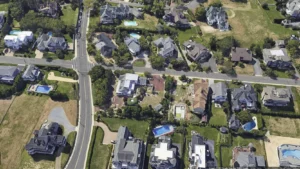
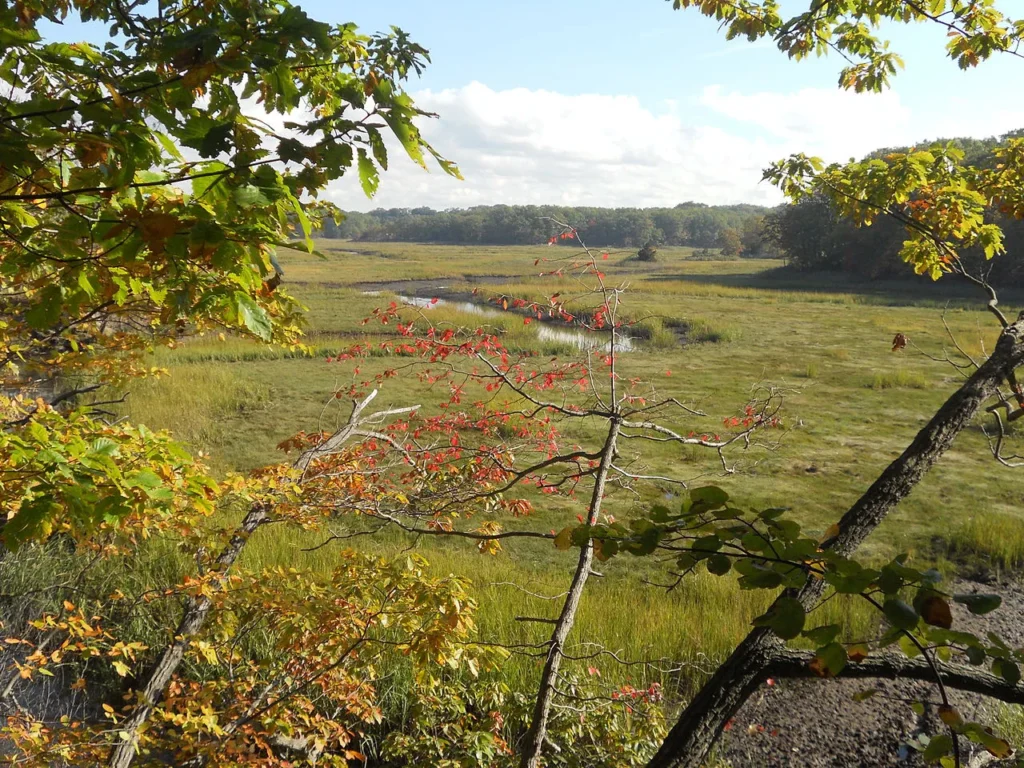
When you work in a community long enough, you stop seeing tree care as individual jobs and start seeing it as stewardship. That is how we approach our work throughout Old Bridge, Sayreville, and South Amboy. These towns may appear distinct on a map, but from an arborist’s perspective, they share one connected tree environment shaped by similar soils, weather patterns, development history, and seasonal stress.

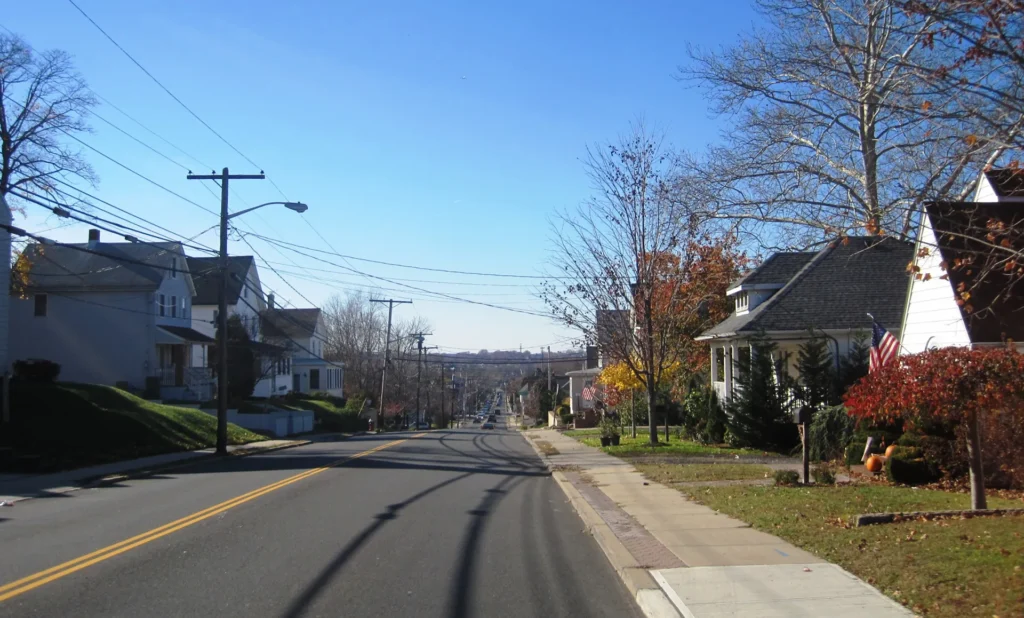
This stretch of central New Jersey along Route 35 and the Raritan Bay is defined by established neighborhoods and mature trees. Many of the oaks, maples, sweetgums, and ornamental trees lining residential streets were planted decades ago when these communities expanded. Today, those trees are larger, heavier, and under more pressure than ever before. Homes are closer, streets are busier, and weather patterns are more extreme. Proper pruning is no longer optional maintenance. It is a critical part of protecting homes, families, and the character of the neighborhood itself.

In Sayreville and South Amboy, coastal winds and salt exposure influence how trees grow and where they weaken. Canopies tend to stretch toward open air, creating imbalance that must be managed carefully. In Old Bridge, where properties are often larger and trees grow taller, internal defects and structural stress can go unnoticed until a limb fails. While each town has its own personality, the trees across all three communities respond to the same underlying forces. That is why treating them as a shared service area makes sense, both practically and environmentally.

As local certified arborists, our role goes beyond trimming branches. We help shape the visual identity of streets, preserve shade and privacy, and reduce the risks that come with aging trees. When tree care is done correctly, it enhances curb appeal, supports property values, and keeps neighborhoods looking established rather than neglected. When it is ignored or handled improperly, the consequences show up in broken limbs, emergency calls, and irreversible damage to trees that could have been preserved.

We take pride in beautifying these communities through responsible pruning and long term tree management. Every property we visit is part of a larger landscape, and every tree we care for contributes to the health and safety of the surrounding area.

Monthly Precipitation Averages in Old Bridge, Sayreville, and South Amboy (and Why It Matters)

MonthPrecipitation (in)Precipitation (mm)Notes
January4.10 in104.1 mmOne of the wetter winter months
February2.98 in75.7 mmDriest month
March4.11 in104.4 mmEarly‐spring precipitation increases
April4.08 in103.6 mmSimilar to March
May4.57 in116.1 mmLate‑spring rains, supporting lush growth
June3.86 in98.0 mmSlight dip before summer peak
July4.97 in126.2 mmWettest month; thunderstorms common
August4.46 in113.3 mmRemains high during summer heat
September4.38 in111.3 mmEarly‑fall storms
October3.39 in86.1 mmDrying trend starts
November3.95 in100.3 mmModerate rainfall; occasional nor’easters
December3.93 in99.8 mmWinter precipitation, including rain & snow

In Old Bridge, Sayreville and South Amboy, we work with a climate that brings roughly four feet of rainfall every year. As certified arborists with more than 25 years of local experience, we’ve learned to read the calendar and the clouds: from the heavy, humid rains of summer to the crisp dryness of late winter. Our knowledge of these patterns helps us protect the trees and landscapes that define our neighborhoods.

Peak rainfall arrives from late spring through late summer, with July typically topping the charts. These months saturate clay-rich soils and reduce the oxygen around roots, leaving trees vulnerable to root rot and tipping in high winds. Storms blow in off the bay with enough force to push heavy canopies, and when saturated roots lose their grip, even healthy-looking trees can fail. We encourage homeowners to improve drainage around mature trees, make sure downspouts don’t empty near roots, and schedule structural pruning before the worst weather hits. Reducing canopy weight and thinning out dense foliage is the best defense against wind damage and sudden limb drop.

On the other end of the spectrum, February is the driest month of the year. That’s when local trees face drought stress: roots may shrink back, leaves wilt and yellow, and the entire plant becomes more susceptible to pests and disease. Simple practices like mulching the root zone and deep-watering during extended dry spells help trees maintain vigor. Our team monitors soil moisture and can advise on supplemental watering to prevent stress and dieback.

The abundant moisture of spring and summer encourages fast growth. Without regular pruning, branches can become too long and heavy, catching more wind and stressing the trunk. We recommend annual inspections and strategic pruning to maintain healthy structure and improve airflow through the canopy. A well-shaped tree is not only beautiful but also better equipped to handle our region’s weather extremes.

By understanding how seasonal rainfall affects your trees, you can make informed decisions about care, risk mitigation and planting. If you’re unsure about your trees’ health or safety, call our certified team. With over two decades of service and more than 200 five-star reviews, we’re here to help you preserve the beauty and safety of your property. Let’s work together to keep your trees thriving all year long.

#1 Local Pruning Company

Why Professional Pruning Is Essential in This Region

Tree pruning in Old Bridge, Sayreville, and South Amboy requires more than basic cutting. Trees here grow under competing pressures from wind, development, seasonal temperature swings, and decades of prior pruning that may not have been done correctly. Without expert guidance, small issues compound into serious structural problems.

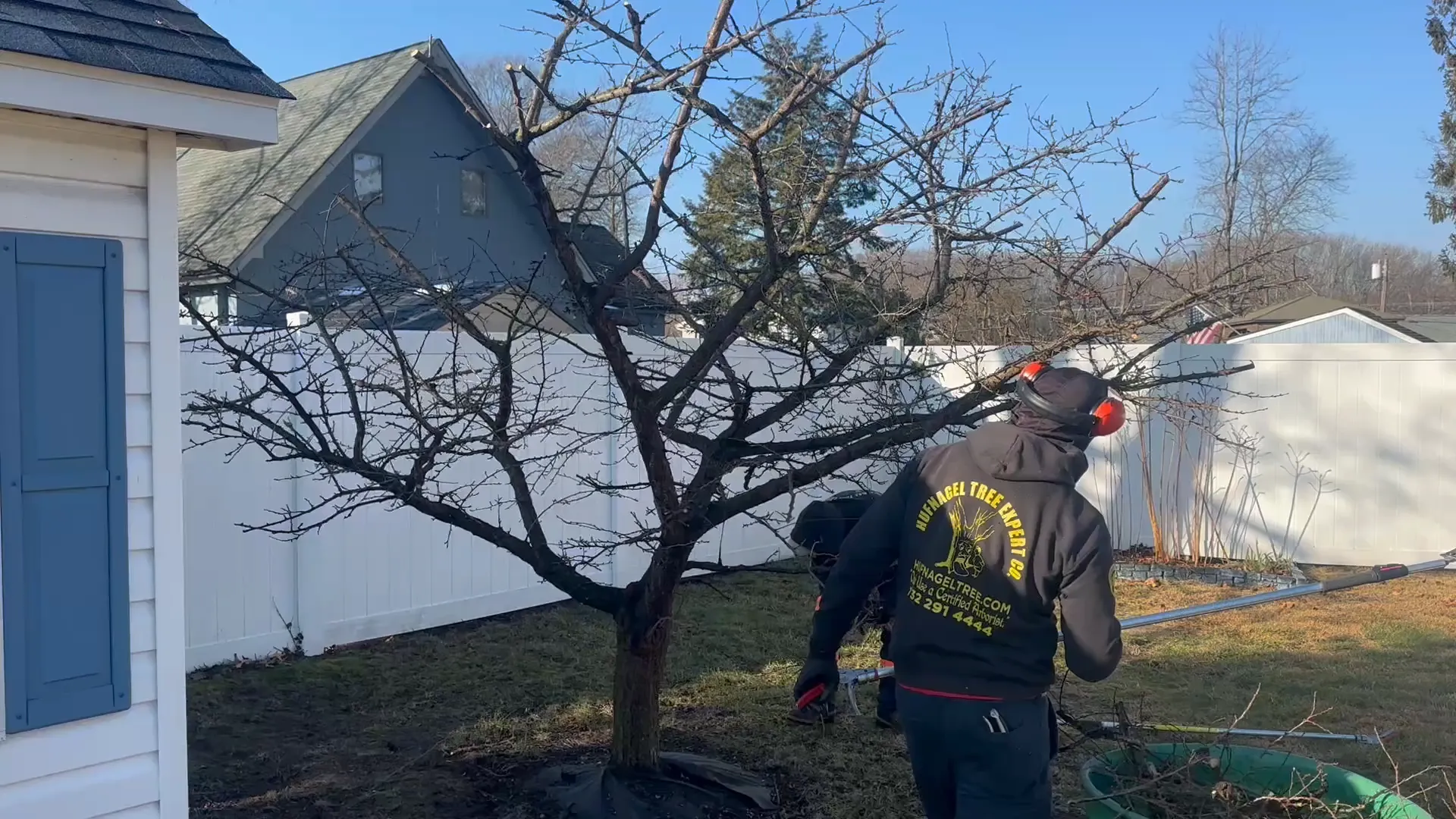
Professional pruning focuses on managing weight, balance, and structure. It reduces stress on major limbs, improves airflow through the canopy, and directs growth in a way that supports long term stability. This is especially important in neighborhoods where trees overhang homes, driveways, sidewalks, and utility lines.

In South Amboy, where lots are tighter and street trees are often older, improper cuts can quickly destabilize a tree. In Sayreville, bay driven winds can turn dense canopies into sails during storms if thinning is ignored. In Old Bridge, large mature trees may appear healthy while hiding internal weaknesses that only a trained arborist knows how to identify.

Effective pruning helps homeowners avoid emergency situations by addressing problems before they escalate. It also preserves the natural shape of the tree, rather than leaving it overcut or stressed.

Key benefits of professional pruning in these communities include:

  • Reducing the likelihood of limb failure during storms or high winds

  • Correcting poor growth patterns caused by past improper trimming

  • Improving tree health by removing dead, diseased, or competing branches

  • Enhancing curb appeal while maintaining a natural canopy shape

When pruning is done with purpose and expertise, trees remain assets instead of liabilities. This is the foundation of safe, attractive neighborhoods across all three towns.

EXPERT RISK ASSESSMENTS

What We Are Finding After Harsh Winters and Seasonal Stress

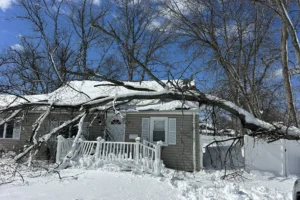
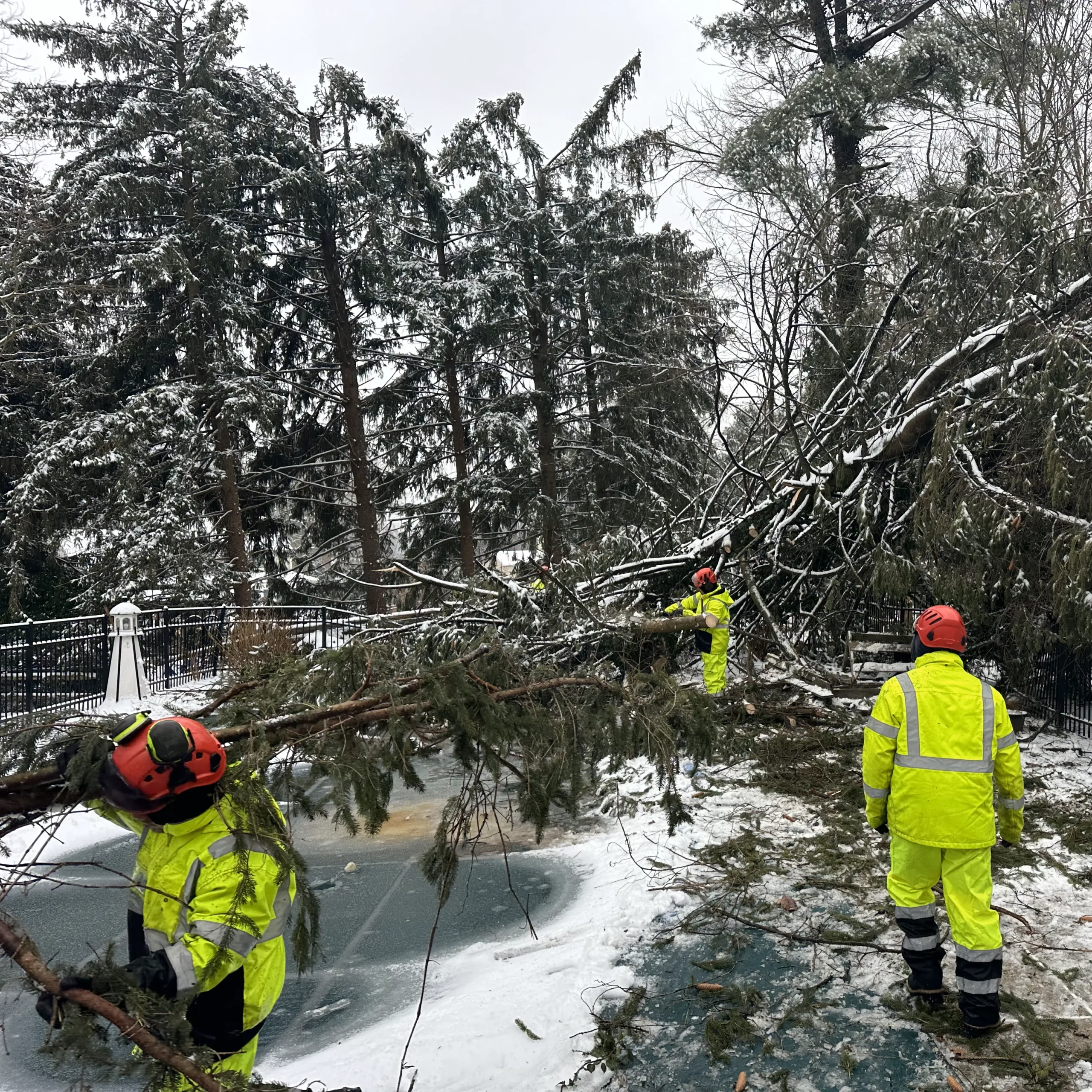
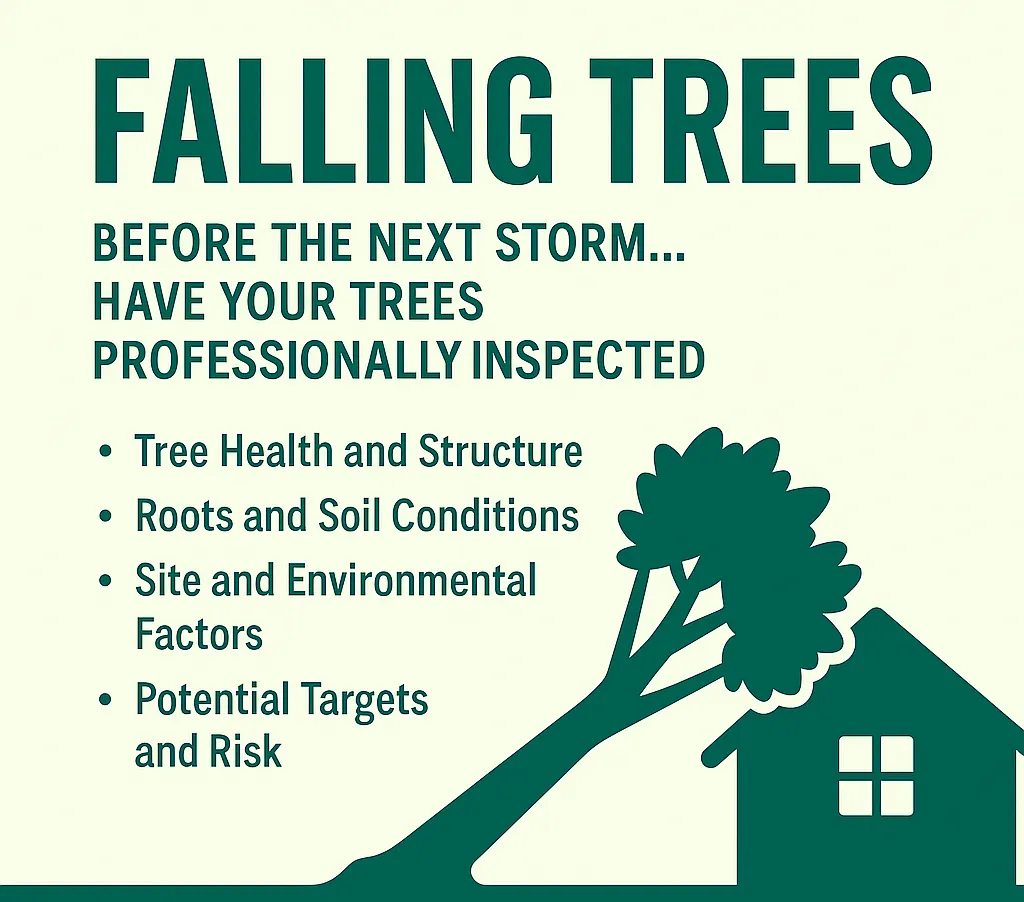
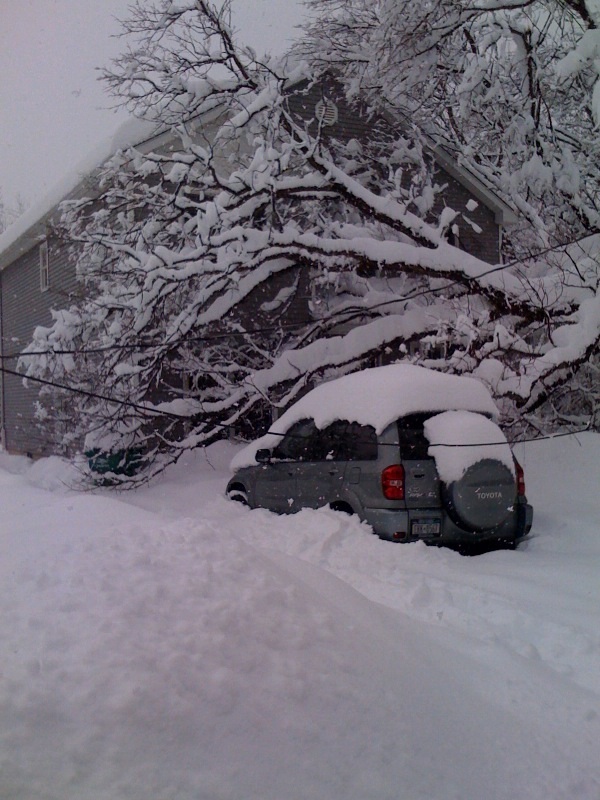
Recent winters have introduced conditions that many homeowners underestimate. Rapid temperature drops followed by warming periods place enormous strain on mature trees. Internally, wood fibers expand and contract, creating fractures that are invisible from the ground. Externally, trees may look stable until delayed failures occur weeks or months later.

Throughout Old Bridge, we frequently encounter large canopy trees with internal cracking that shows no obvious outward signs. In Sayreville, upper limbs exposed to consistent bay winds often suffer dieback that weakens branch attachments. In South Amboy, older street trees commonly exhibit stress at branch unions where repeated topping or poor pruning practices were used years ago.

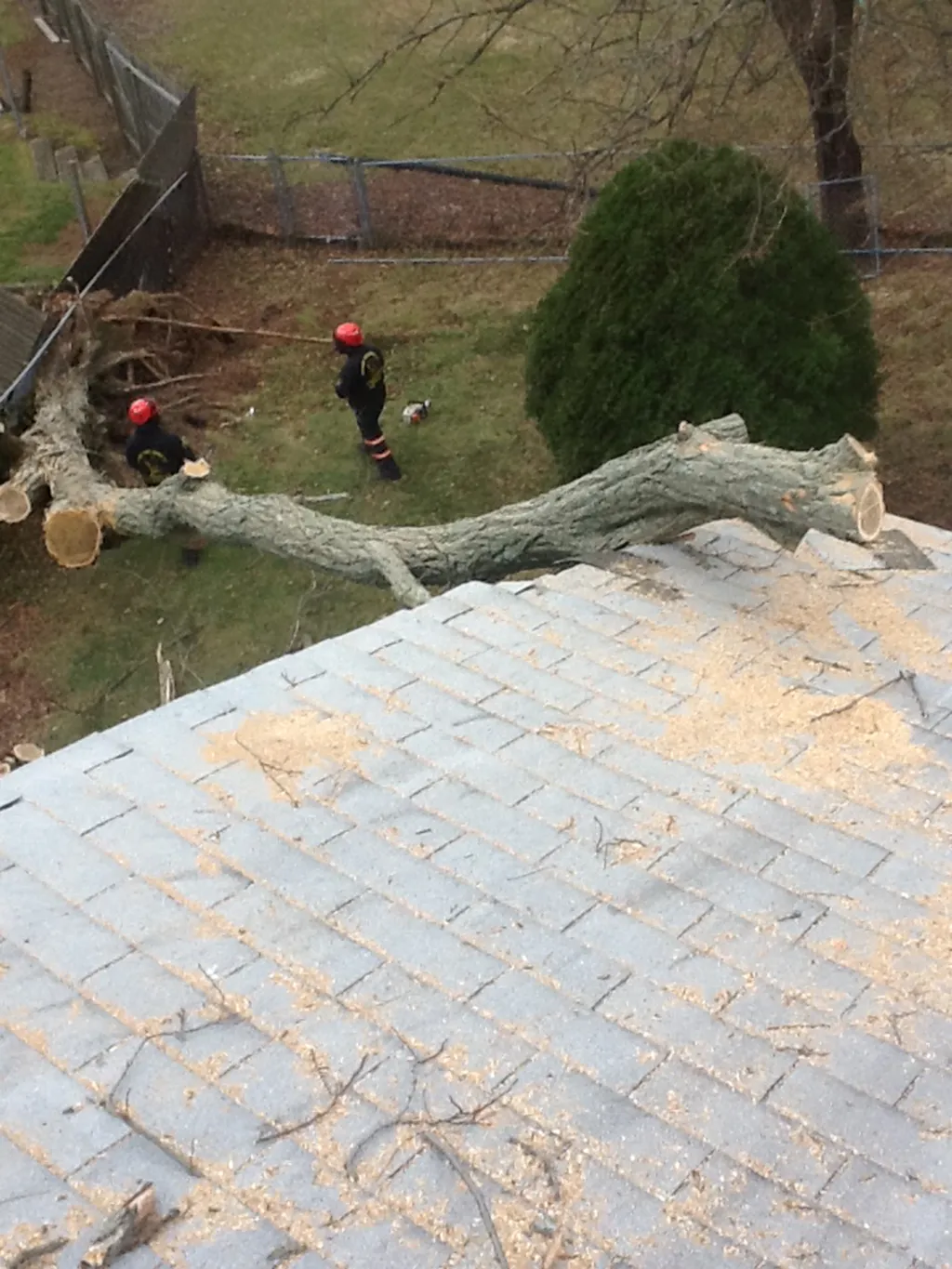
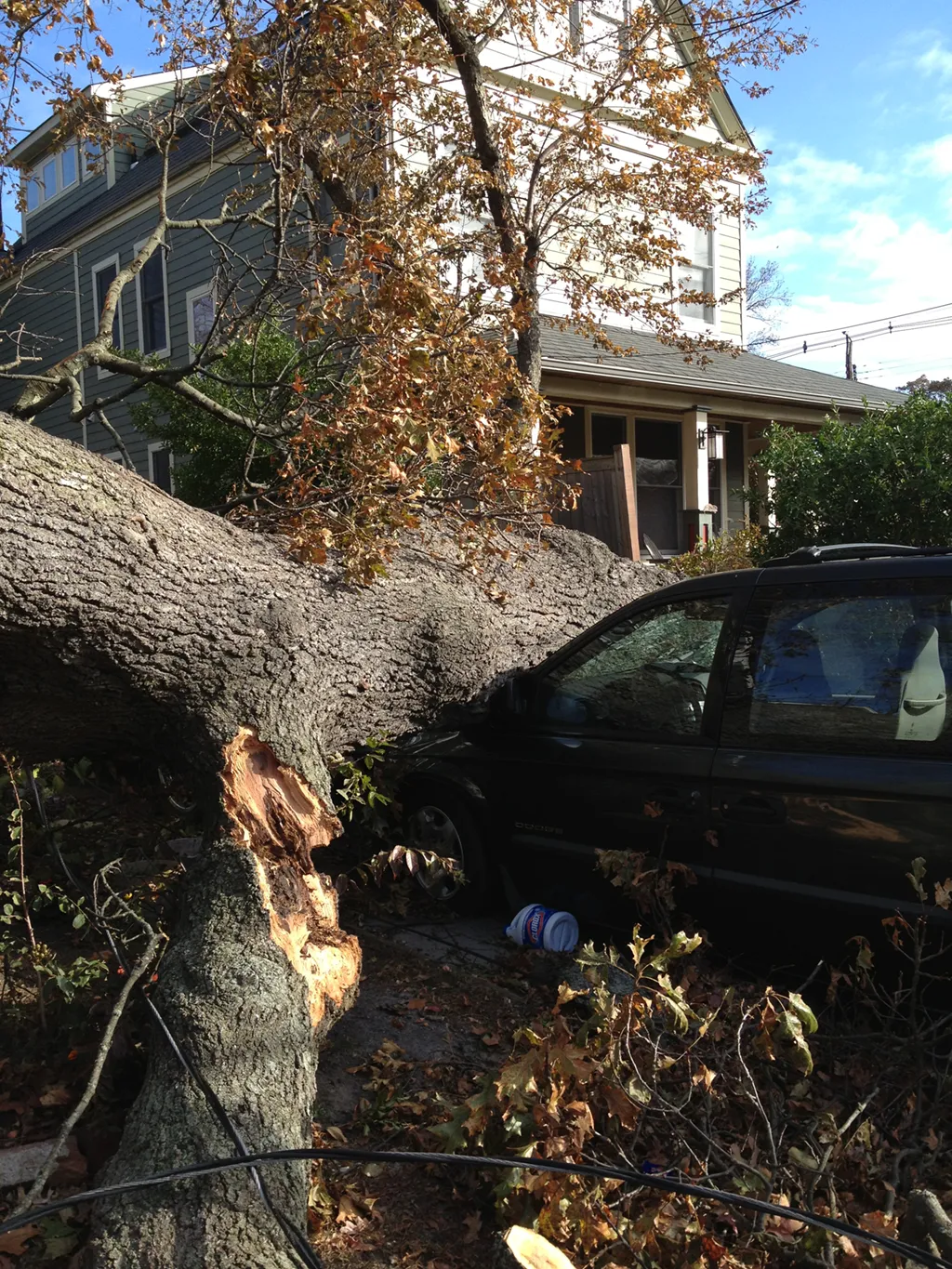
These issues do not resolve on their own. Without intervention, weakened limbs eventually fail, often during otherwise moderate weather. This is why post winter evaluations and corrective pruning are so important in this region.

A certified arborist knows what to look for. Subtle bark separation, unusual limb movement, or changes in growth patterns can indicate deeper problems. Addressing these early allows trees to recover and continue contributing to the neighborhood safely.

Common post winter issues we are addressing include:

  • Internal cracking caused by freeze and thaw cycles

  • Dead or dying limbs that pose delayed fall risks

  • Imbalanced canopies that increase wind stress

  • Structural defects that worsen during spring growth

Proactive pruning after winter stress is one of the most effective ways to prevent unexpected damage and preserve long standing trees.

ARE YOUR TREES SAFE?

Beautifying Neighborhoods While Managing Tree Risk

Tree care is not just about safety. It is also about how a neighborhood feels. Well maintained trees frame homes, soften streets, and create a sense of permanence that residents value. Poorly maintained trees, on the other hand, detract from even the most well kept properties.

In Old Bridge, thoughtful pruning helps large trees complement homes rather than overwhelm them. In Sayreville, shaping canopies along busy corridors improves visibility and aesthetics at the same time. In South Amboy, maintaining older trees preserves the historic feel of residential streets while keeping them safe for daily life.

Our approach balances beauty with responsibility. Every cut is intentional. We preserve the tree’s natural form while removing what threatens its health or safety. This philosophy supports both individual properties and the broader community.

Our community focused pruning approach emphasizes:

  • Natural shaping that enhances curb appeal

  • Long term health rather than short term appearance

  • Risk reduction without unnecessary removal

  • Preservation of mature trees whenever possible

Tree care done correctly strengthens neighborhoods. It reflects pride of ownership and respect for the shared environment that connects these towns.

DON'tT HIRE A HASSLE

Hufnagel Tree Service vs. The Other Guys

Don't Hire A HassleWe’ve seen too many homeowners learn the hard way that hiring the wrong crew can turn routine tree care into a costly nightmare. Don’t hire a hassle: those “hack and slash” operations with chainsaws and no plan often butcher healthy trees, leave dangerous stubs, and disappear as fast as they arrive. Fly‑by‑night crews may sound like a bargain, but they’re unlicensed, uninsured, and prone to surprise bills after the fact. In contrast, our certified arborists take the time to assess your trees, explain your options, and ensure every cut serves a purpose.

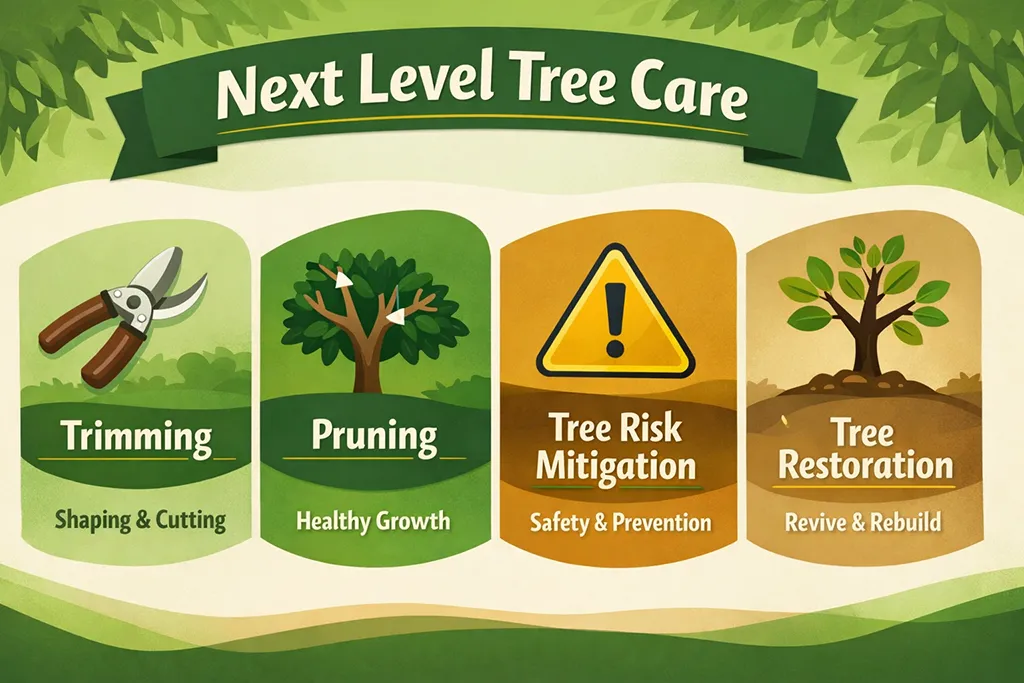
Our “Next Level Tree Care” graphic above shows how we approach every job: precision trimming to maintain shape and health, thoughtful pruning to encourage proper growth, risk mitigation to protect your property, and restoration techniques to bring damaged trees back to life. These aren’t just marketing words. They represent decades of experience in Old Bridge, Sayreville and South Amboy, where we’ve built a reputation for doing things right the first time.

You don’t need to worry about hidden fees or unsafe shortcuts when you call us. We hold state and municipal licenses, carry full insurance, and back our work with more than 25 years of service and over 200 five‑star reviews. We live and work here, so our business depends on your satisfaction and your trees’ long‑term health.

If you live in Old Bridge, Sayreville, or South Amboy and have concerns about your trees, do not wait for a problem to make the decision for you. Aging trees, winter damage, and unchecked growth create risks that only increase with time. As trusted local certified arborists, we are committed to protecting the shared tree canopy of these communities through expert pruning and responsible tree care. Our experience in this region allows us to provide guidance that is practical, honest, and rooted in long‑term results.

To schedule a professional evaluation or discuss expert tree pruning for your property, call Hufnagel Tree Service today at (732) 291‑4444.
Schedule Service Now!

From precision pruning and safe removals to health assessments and preventative care, Hufnagel Tree Service delivers expert solutions backed by decades of experience. We offer certified insight, fair pricing, and a commitment to doing what’s best for your landscape.

Where Do You Need Service?
Please Enter Your Contact Information
Are You A New or Existing Customer?
How Can We Help You?

We Could Not Find A Direct Link To A Tree Removal Permit Application For The Town You Selected.

Please contact your local municipality to determine if a permit is required for your tree removal project. They will provide you with the most accurate and up-to-date information.