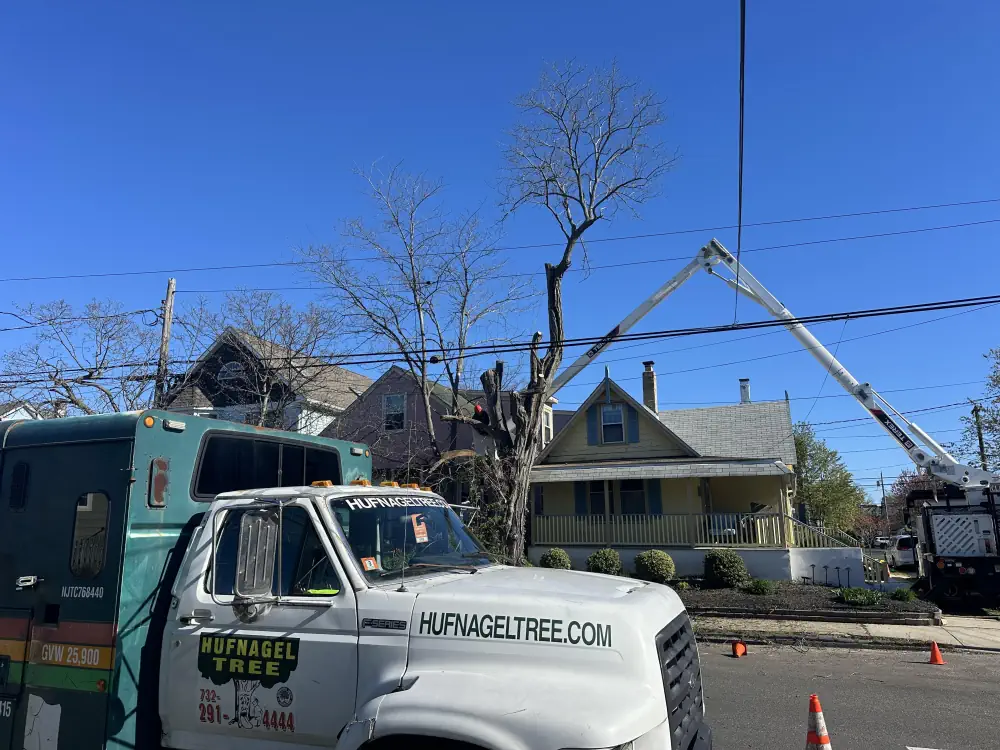
Expert Tree Care in Brick Township Requires More Than Basic Trimming

Share This Article

Homeowners in Brick Township rely on expert tree care to protect their properties and preserve mature landscapes. Certified arborist services focused on precision pruning, risk mitigation, and tree restoration help trees remain safe, healthy, and resilient year after year.

In This Article ...

BRICK'S BEAUTY

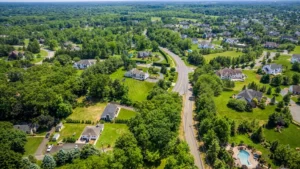
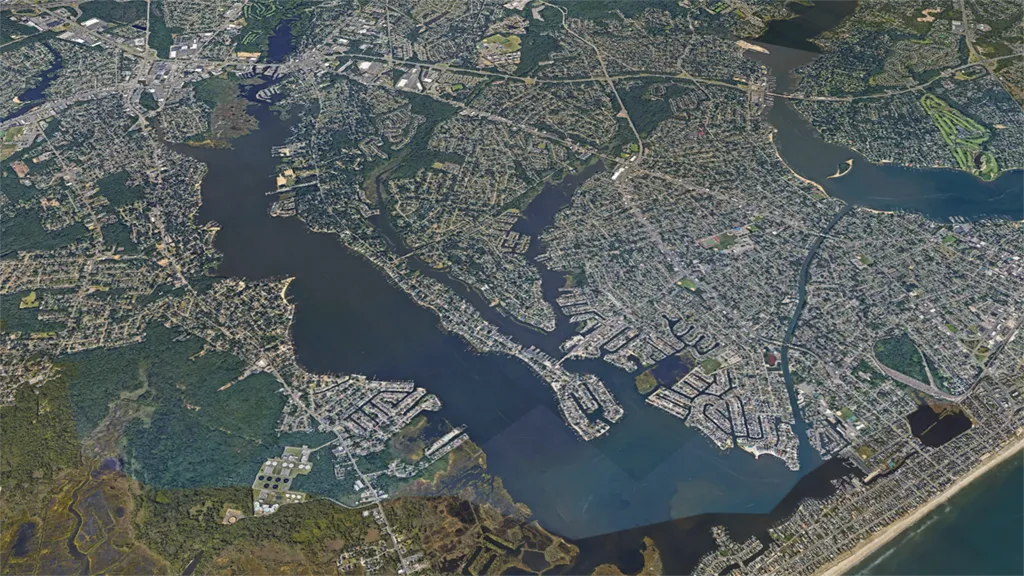
Brick Township has a diverse mix of mature neighborhoods, coastal influence, and soil conditions that place unique demands on trees.

Brick Township

Many properties feature older shade trees planted decades ago, long before current pruning standards and risk management practices were widely understood. As a result, tree care here requires experience, planning, and a deep understanding of structure and biology.

We approach tree care in Brick Township as certified arborists, not just operators with equipment. That distinction matters. Expert tree care focuses on how a tree grows, where stress accumulates, and how past pruning decisions affect future stability. Basic trimming may change appearance, but it does not necessarily improve safety or longevity.

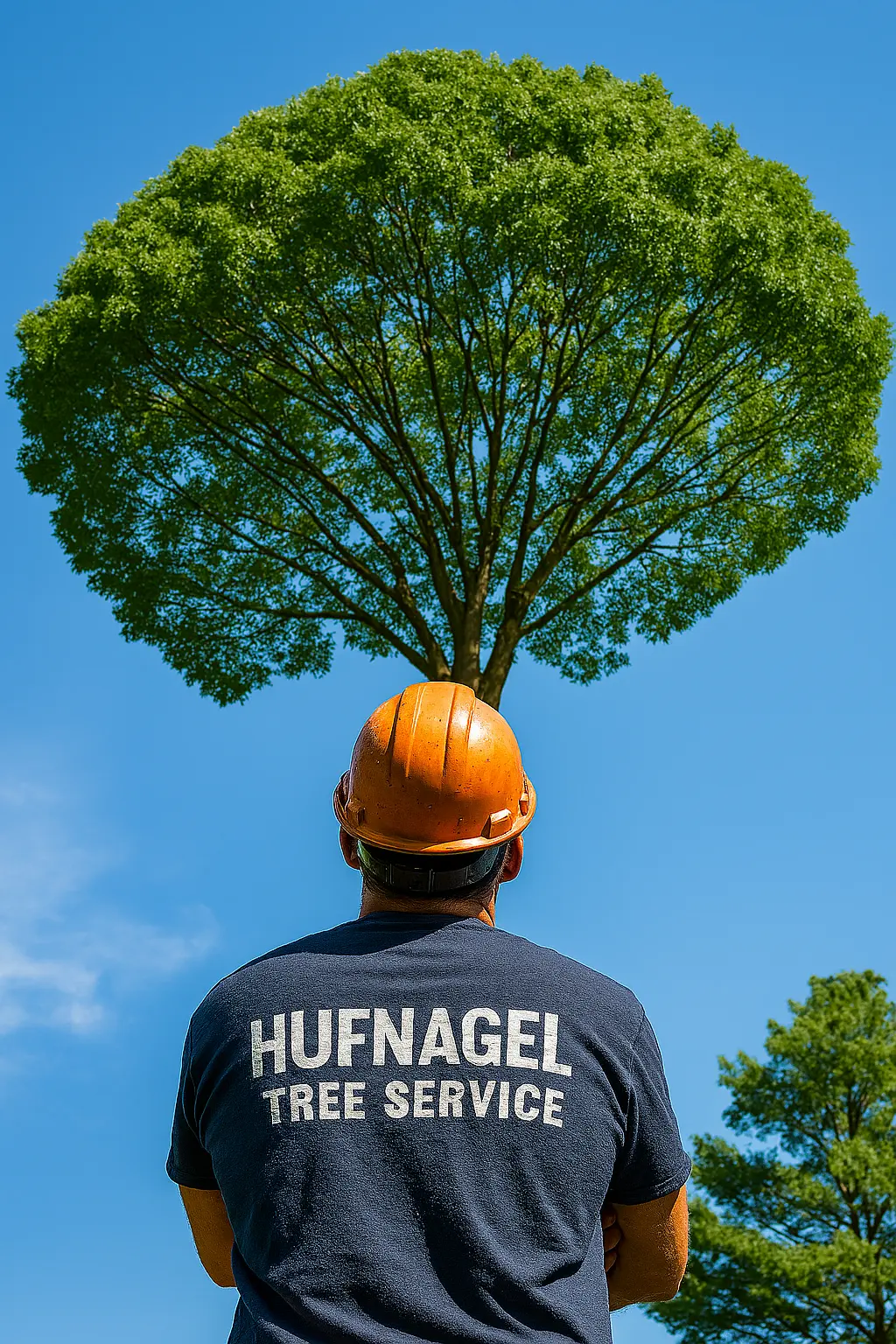
Michael Hufnagel, owner and local certified arborist, often explains it this way. “A tree can look fine and still be structurally compromised. Our job is to understand what is happening inside the canopy, not just what is visible from the ground.”

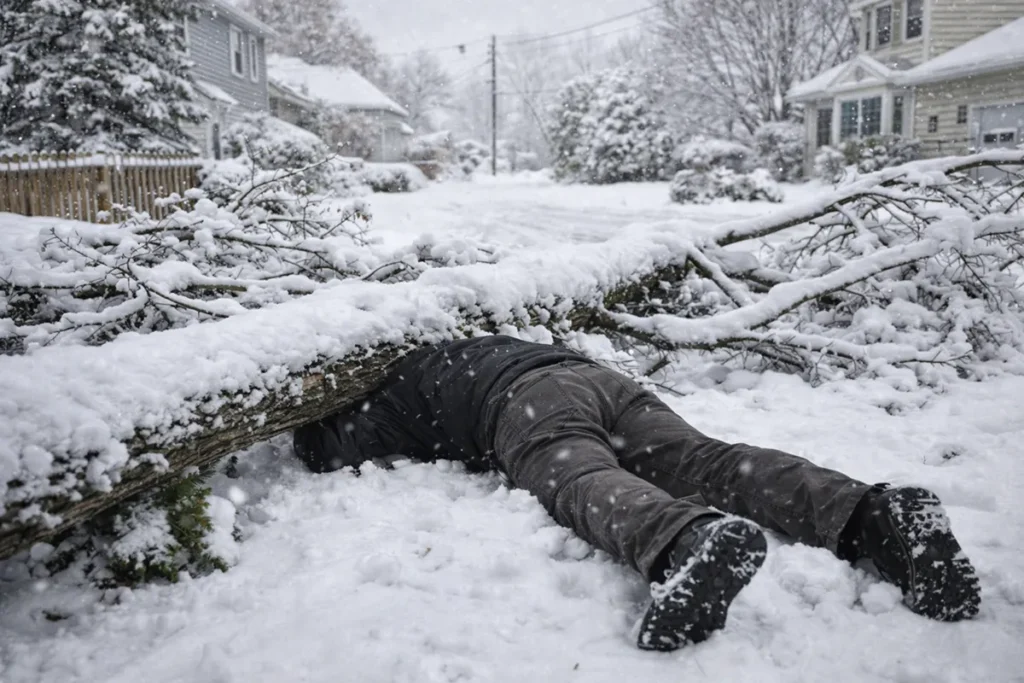
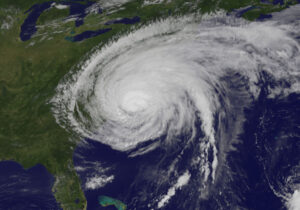
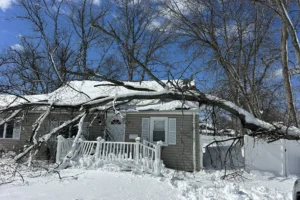
In Brick Township, storm exposure, coastal winds, and periodic heavy snow events make this approach essential. Trees that are not structurally balanced are far more likely to fail during extreme weather. Preventive care is almost always more effective than emergency response after damage has already occurred.

This article focuses on how expert tree trimming, pruning, risk mitigation, and restoration work together to protect properties and preserve trees across Brick Township.

PRECISE CUTS

Precision Tree Trimming That Supports Long Term Health

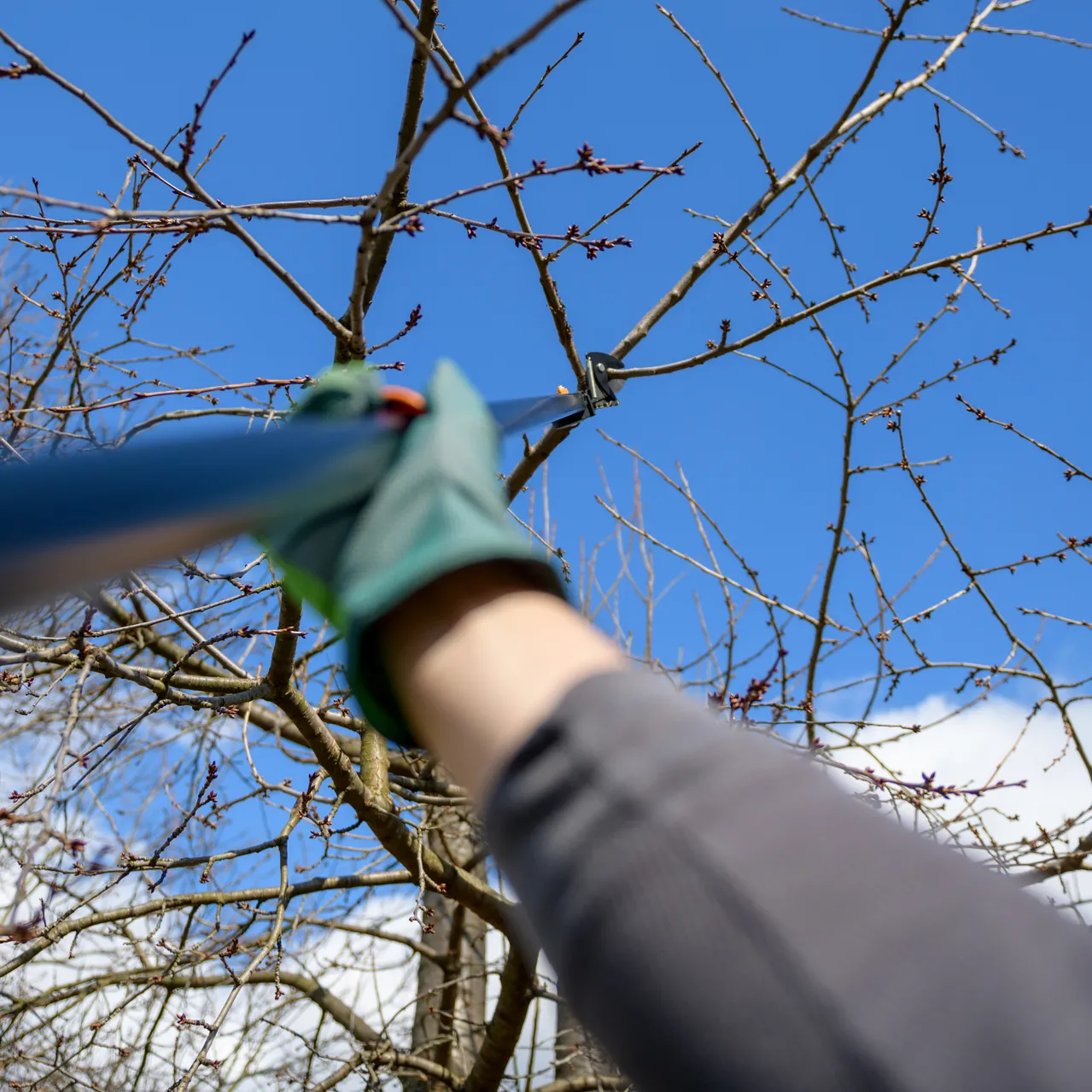
Tree trimming is often misunderstood as a cosmetic service. In professional arboriculture, trimming is a structural tool. Every cut changes how a tree distributes weight, responds to wind, and allocates energy. In Brick Township, where many trees are mature and oversized for their space, trimming must be deliberate and restrained.

Our trimming work focuses on selective removal, not reduction for its own sake. We identify branches that compete, cross, or place excessive load on weaker attachments. By reducing stress in targeted areas, we help trees move naturally during wind events rather than resisting forces they cannot withstand.

Michael frequently reminds homeowners, “You cannot force a tree to be smaller without consequences. You can help it be better balanced.”

This approach is especially important for large oaks, maples, and ornamental trees common in Brick neighborhoods. Improper trimming can trigger rapid regrowth that creates new hazards within a few seasons. Precision trimming avoids that cycle by respecting the tree’s natural form.

Over time, well planned trimming improves airflow, reduces sail effect during storms, and lowers the likelihood of limb failure. The result is a tree that looks natural and performs better under stress.

How Expert Trimming Differs From Routine Cutting

Before listing common trimming objectives, it helps to understand what separates professional arborist trimming from general cutting practices.

  • Selective branch removal based on load distribution and attachment strength

  • Preservation of natural canopy shape rather than forced symmetry

  • Reduction of end weight without stripping interior structure

  • Cuts made at proper growth points to limit decay and regrowth issues

  • Planning trimming cycles over multiple years instead of one time heavy cuts

These principles guide every trimming decision we make in Brick Township. They also set the foundation for more advanced pruning and risk mitigation work discussed next.
TRUST AN ARBORIST

Expert Pruning Built Around Structure and Growth Patterns

Pruning is often used interchangeably with trimming, but in arborist terms, pruning is more precise and more strategic. Pruning decisions are made based on how a tree grows over time, not just how it looks today.

In Brick Township, many trees have been pruned repeatedly over decades, sometimes inconsistently. This creates structural challenges such as weak branch unions, uneven weight distribution, and internal decay at old cut sites. Expert pruning addresses these issues methodically.

We evaluate how each major limb interacts with the trunk and surrounding canopy. Branches that place torque on weak attachments are gradually reduced or redirected. Competing leaders are managed to prevent future splitting. Poorly placed interior growth is thinned to reduce stress accumulation.

Michael often notes, “Good pruning is invisible to most people. You notice it when storms pass and nothing breaks.”

That outcome is intentional. Pruning should quietly improve performance without drawing attention to the work itself.

Key Goals of Professional Pruning in Brick Township

To clarify what expert pruning actually accomplishes, these are the outcomes we focus on when working with homeowners.

  • Strengthening branch unions by reducing leverage and competition

  • Encouraging balanced growth across the canopy

  • Limiting future storm damage by addressing weak points early

  • Preserving mature trees while extending their usable life

  • Preventing reactive growth caused by improper past pruning

When pruning is done correctly, trees respond slowly and predictably. That stability is critical in a township where weather conditions can change rapidly.

Pruning also plays a central role in tree risk mitigation, which is often overlooked until damage occurs.

PREVENTING DISASTER

Tree Risk Mitigation Before Problems Become Emergencies

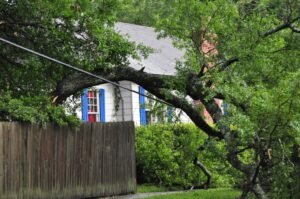
Tree Failure

Tree risk mitigation is one of the most important services we provide in Brick Township. It focuses on identifying and managing hazards before they result in property damage or personal injury.

Risk does not mean a tree must be removed. In many cases, risk can be reduced significantly through targeted pruning, structural support, or canopy adjustment. The goal is to manage likelihood and consequence, not eliminate trees unnecessarily.

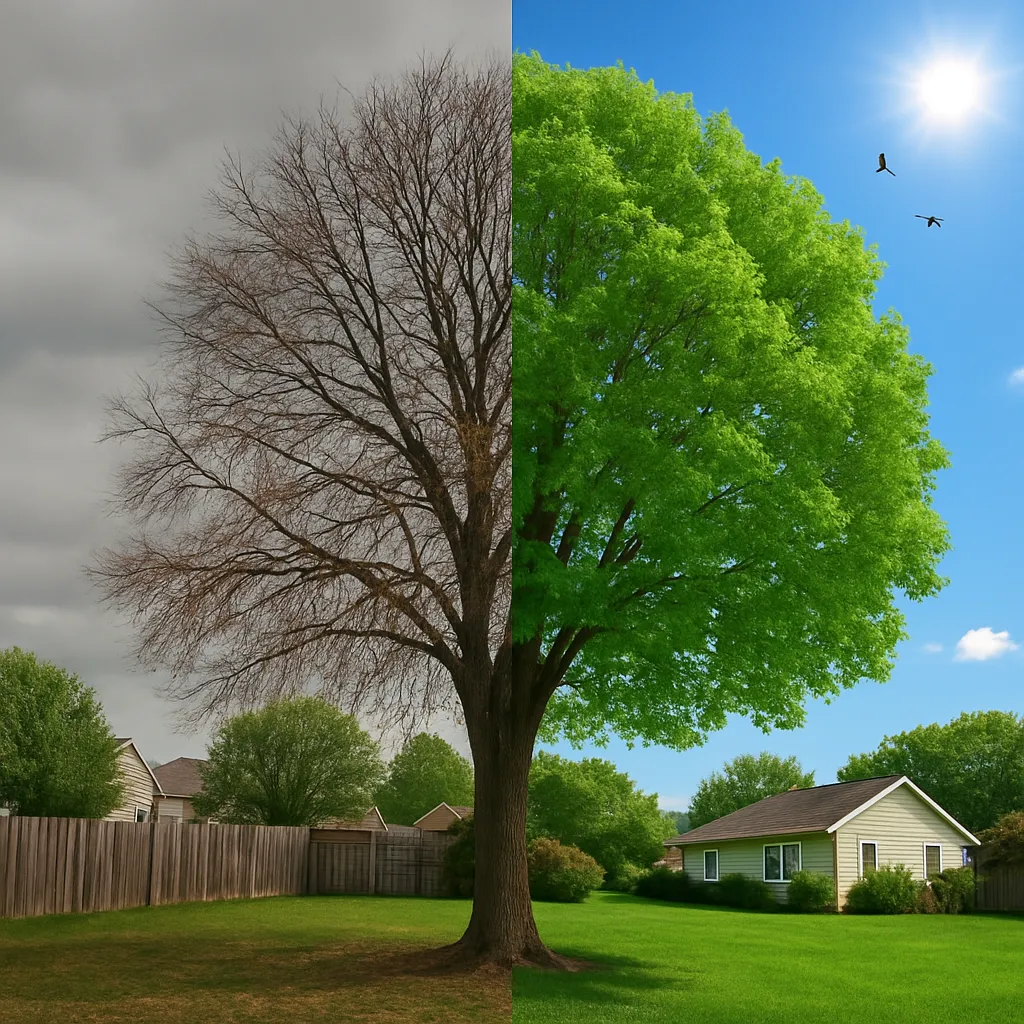
Winter and early spring are particularly effective times for risk assessment. Without foliage, we can clearly see structural defects such as cracks, weak unions, and previous failure points. These indicators allow us to make informed recommendations.

Michael Hufnagel emphasizes this approach regularly. “Most tree failures we respond to were preventable. The signs were there. They just were not addressed in time.”

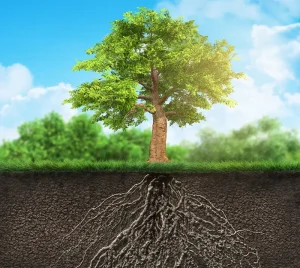
In Brick Township, common risk factors include saturated soils, shallow root systems, and trees planted too close to structures decades ago. Risk mitigation addresses these realities rather than ignoring them.

Common Risk Factors We Address in Brick Township

Before moving into restoration, it helps to understand the types of risks most frequently identified during arborist inspections.

  • Weak branch attachments formed by co dominant stems

  • Excessive end weight on long horizontal limbs

  • Decay at old pruning wounds or storm damage points

  • Leaning trees with compromised root systems

  • Canopies that are unbalanced toward structures or roadways

By addressing these issues proactively, homeowners can avoid emergency removals, insurance claims, and unnecessary loss of mature trees.

Risk mitigation naturally leads into tree restoration, which focuses on helping stressed or damaged trees recover.

COMMON PROBLEMS

Tree Restoration That Preserves Mature Landscapes

Tree restoration is often misunderstood as a last resort. In reality, it is a proactive process that helps trees recover from storm damage, poor past pruning, or long term stress. In Brick Township, restoration plays a critical role in preserving established landscapes.

Restoration work often begins after storms, but it does not end there. Trees that lose major limbs or experience canopy imbalance need ongoing management to stabilize regrowth and prevent secondary failures.

We approach restoration gradually. Sudden heavy cuts can worsen stress and accelerate decline. Instead, we guide growth over multiple seasons, allowing the tree to adapt safely.

Michael explains it clearly. “Trees do not heal like people. They adapt. Restoration is about guiding that adaptation, not forcing recovery.”

Restoration may include selective pruning, structural balancing, and monitoring growth response. In many cases, trees that appear damaged can remain healthy and safe with proper care.

What Tree Restoration Involves in Practice

To clarify what homeowners can expect from a restoration plan, these elements are commonly involved.

  • Evaluating remaining structure after damage or improper pruning

  • Reducing stress on surviving limbs

  • Managing regrowth to prevent weak attachments

  • Improving balance and load distribution over time

  • Monitoring progress across multiple growing seasons

Tree restoration allows homeowners in Brick Township to preserve valuable shade trees while maintaining safety and property value.

LOCAL EXPERTS

A Professional Approach to Tree Care in Brick Township

High level tree care is not about doing more work. It is about doing the right work at the right time. In Brick Township, trees face unique environmental pressures that require experience and judgment.

As certified arborists, we focus on precision, restraint, and long term outcomes. Whether the goal is trimming, pruning, risk mitigation, or restoration, each service supports the others.

Michael Hufnagel summarizes it best. “Our job is to think years ahead, not just until the next storm.”

That philosophy guides every recommendation we make.

If you own property in Brick Township and want expert tree care rooted in arborist science and local experience, we encourage you to schedule a professional evaluation. Early action protects your trees, your property, and your peace of mind.

Call (732) 291-4444 to schedule service. We are here to protect your trees and your home with reliable expert care.

Schedule Service Now!

From precision pruning and safe removals to health assessments and preventative care, Hufnagel Tree Service delivers expert solutions backed by decades of experience. We offer certified insight, fair pricing, and a commitment to doing what’s best for your landscape.

Where Do You Need Service?
Please Enter Your Contact Information
Are You A New or Existing Customer?
How Can We Help You?

We Could Not Find A Direct Link To A Tree Removal Permit Application For The Town You Selected.

Please contact your local municipality to determine if a permit is required for your tree removal project. They will provide you with the most accurate and up-to-date information.