Contents
Tree Removal in Belmar Begins With Water, Wires, and Tight Lot Lines
Belmar covers 1.62 square miles, and about 35 percent of that is water, according to the census figures summarized on its Wikipedia page. The Atlantic Ocean forms the eastern edge, the borough sits on the south side of the Shark River, and the Shade Tree Commission page on the borough website notes that Belmar is a Tree City USA community. Bungalows, shore houses, and garages share narrow lots, and the trees that shade them grow in private yards, in planting strips between the sidewalk and the curb, and along public streets.
That mix changes how we think about tree removal, and it is why tree removal in Belmar starts with a question that has nothing to do with the saw: whose ground is the tree on? A tree in a private yard, a tree in the planting strip, and a tree in the borough right of way each follow different rules. The answer decides who approves the work, who is responsible for it, and which permit applies. The condition of the tree comes second, and it matters just as much.
After almost 30 years working throughout Monmouth County and along the shore, we have seen that most removal problems begin before a crew arrives, with a tree nobody examined and a property line nobody checked. Fall is a good time to settle both. A tree risk evaluation tells us what the wood can still carry before winter weather adds load, and one call to the borough tells an owner what the paperwork requires.
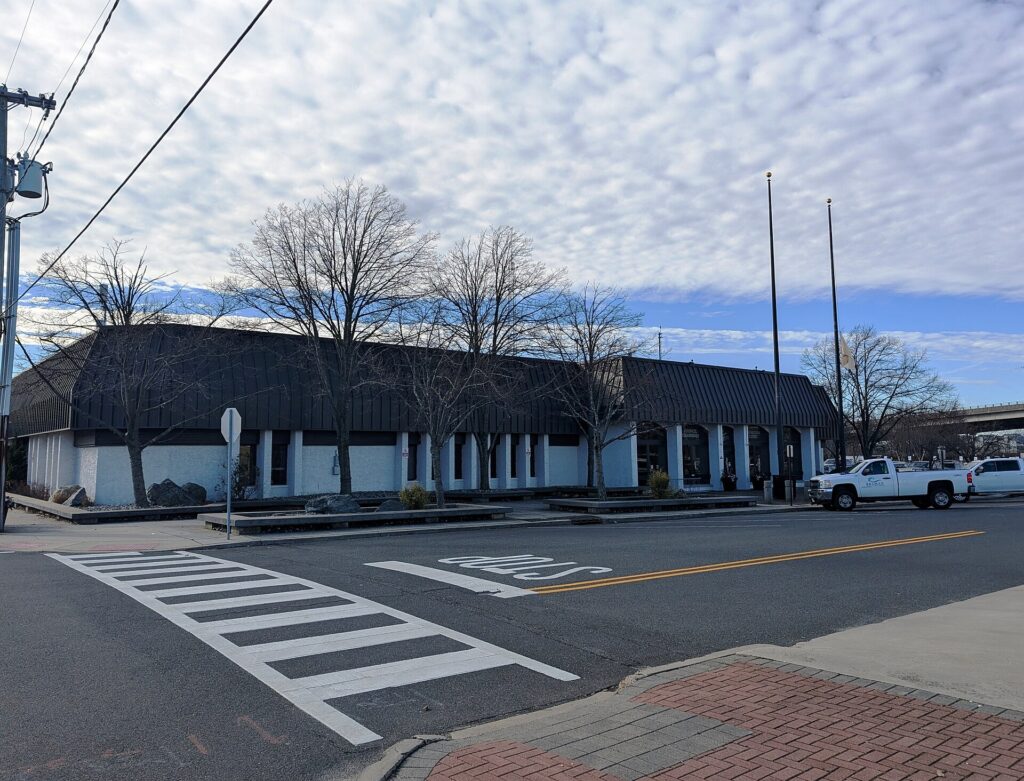
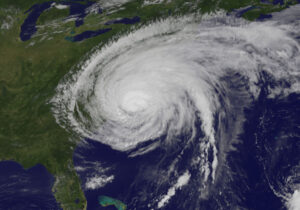
Exposure adds its own pressure. The National Weather Service describes nor’easters as storms that are most frequent and most violent between September and April, with gale force winds and heavy rain or snow. In Belmar that wind arrives off the ocean and across the river with little to slow it, and the ground beneath many trees stays wet. Saturated soil holds roots less firmly, and the borough even publishes a flood zone lookup so owners can see how their lot sits. A tree that already carries a defect has the least margin in those conditions.
Not every tree in that position needs to come down. Many need pruning, support, or simple monitoring, and our earlier article on tree care in Belmar covers the full range of options. This article is about the cases where removal is the honest answer, and about the borough rules that come with it.
Removal Is the Honest Answer Only When Nothing Else Lowers the Risk
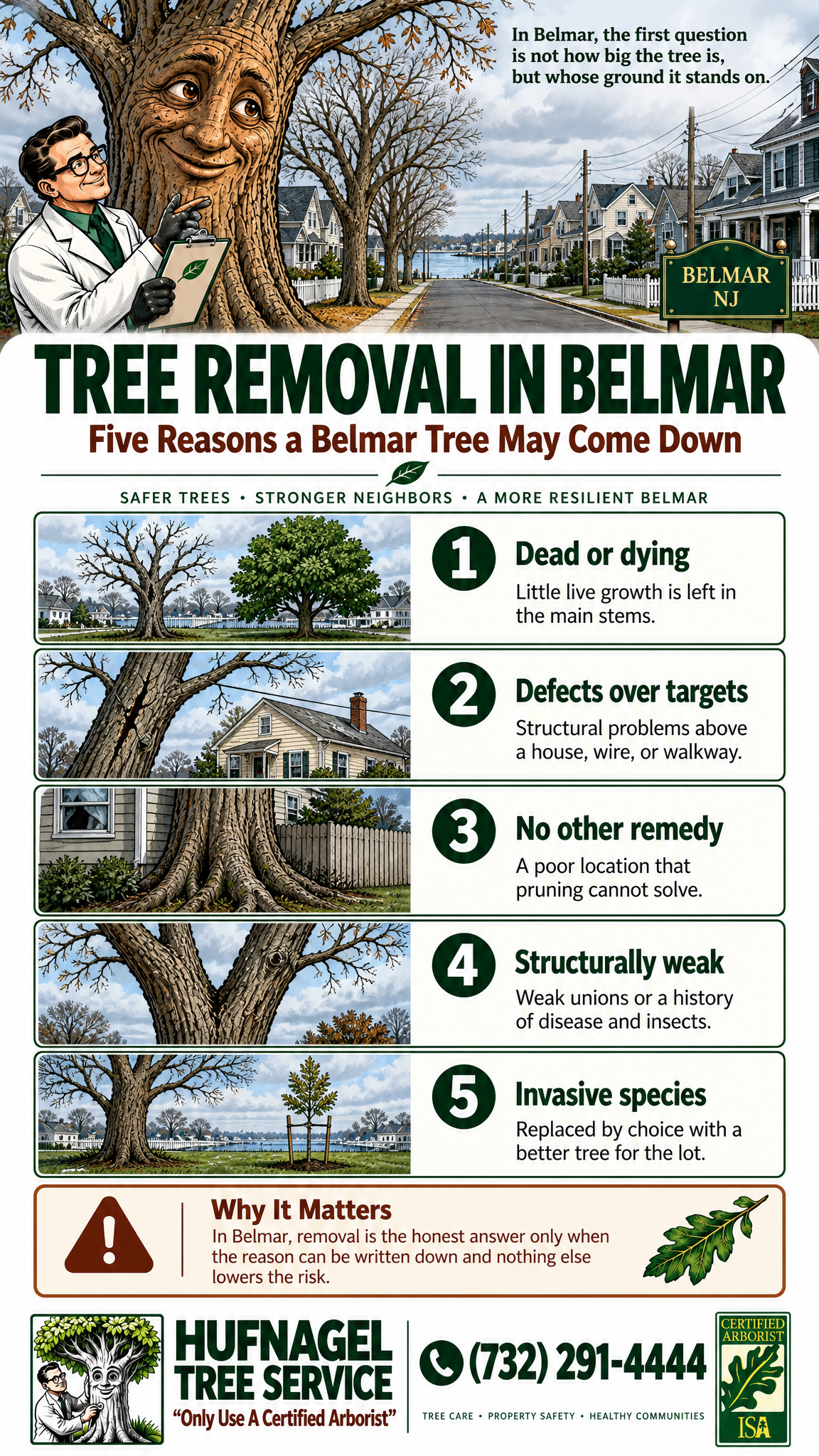
Rutgers Cooperative Extension lists the reasons that justify a removal in its guide to hiring a tree care professional. The tree is dead or clearly dying. It poses an unacceptable risk because of identified problems with the tree or its location. It is an obstruction and nothing else solves the conflict. Or it is undesirable, meaning structurally weak, prone to disease and insects, or an invasive species. Rutgers adds that the written estimate should state the reason. We hold ourselves to the same standard. If we cannot explain in plain terms why a tree should come down, we do not recommend it.
The International Society of Arboriculture is direct about the starting point. Its brochure on recognizing tree risk says there is no such thing as a completely safe tree, that all trees have the potential to fall, and that only a small number actually hit something or someone. Its checklist asks about large dead branches, detached hanging branches, loose bark, cracks and splits, cavities, mushrooms at the base, recent changes to the soil level or pavement, and trees that have been topped or heavily pruned. Any yes on that list is a reason to have the tree examined, and none of them is a reason to cut it down on the spot.
A tree does not have to be tall to matter on a Belmar lot. Houses stand within a few feet of many trunks, and garages, fences, and parked cars fill the rest of the space. A defect that would be a monitoring item on a large property becomes a high consequence item here, because the target is so close. That is why we describe every finding in two parts: the condition of the tree and what it could reach.
Wind and wet ground make that second part more urgent. The ISA brochure notes that cracks or separations in the soil can mean the roots are moving, and that this is a warning sign for failure, especially if the tree is leaning. Near the ocean and the river, soil that stays saturated through a long storm gives a heavy crown more leverage over a root plate that is already shifting. Our guide to weak tree roots explains the signs a homeowner can see from the ground.
Removal is also the last item on a list, not the first. The same ISA brochure says an arborist may suggest pruning out defective branches, cabling and bracing a weak tree, providing routine care, or removing the tree, and it notes that supports are not guarantees against failure. A tree with a narrow union can often be helped by reduction or support, and our article on codominant stems shows why. A tree that was cut badly in the past may be a candidate for restoration pruning instead.
Mike Hufnagel describes the decision this way: “On a shore lot I look at what the tree can reach before I decide how much wood I can trust. If the answer is a house and the wood is bad, we talk about removal. If the answer is a lawn, we usually have time.” That is a working rule and not a prediction. It keeps the decision tied to the tree in front of us, and it keeps good trees standing.
Five Reasons a Belmar Tree May Come Down
- A tree that is dead or clearly dying, with little live growth left in the main stems.
- A tree with identified structural defects over a house, wire, or walkway.
- A tree in a poor location where no other remedy solves the conflict.
- A tree that is structurally weak, or prone to disease and insects.
- An invasive species that the owner has decided to replace with a better choice.
Any one of those can justify a removal, and several together usually do. None of them calls for removal because a tree is large, old, or messy in the fall, and none of them says the tree must go this week. Once the reason is clear, the next questions in tree removal in Belmar are about authority: who owns the ground, and which approval applies before anyone starts cutting.
In Belmar, the Right of Way Decides Who Approves the Work
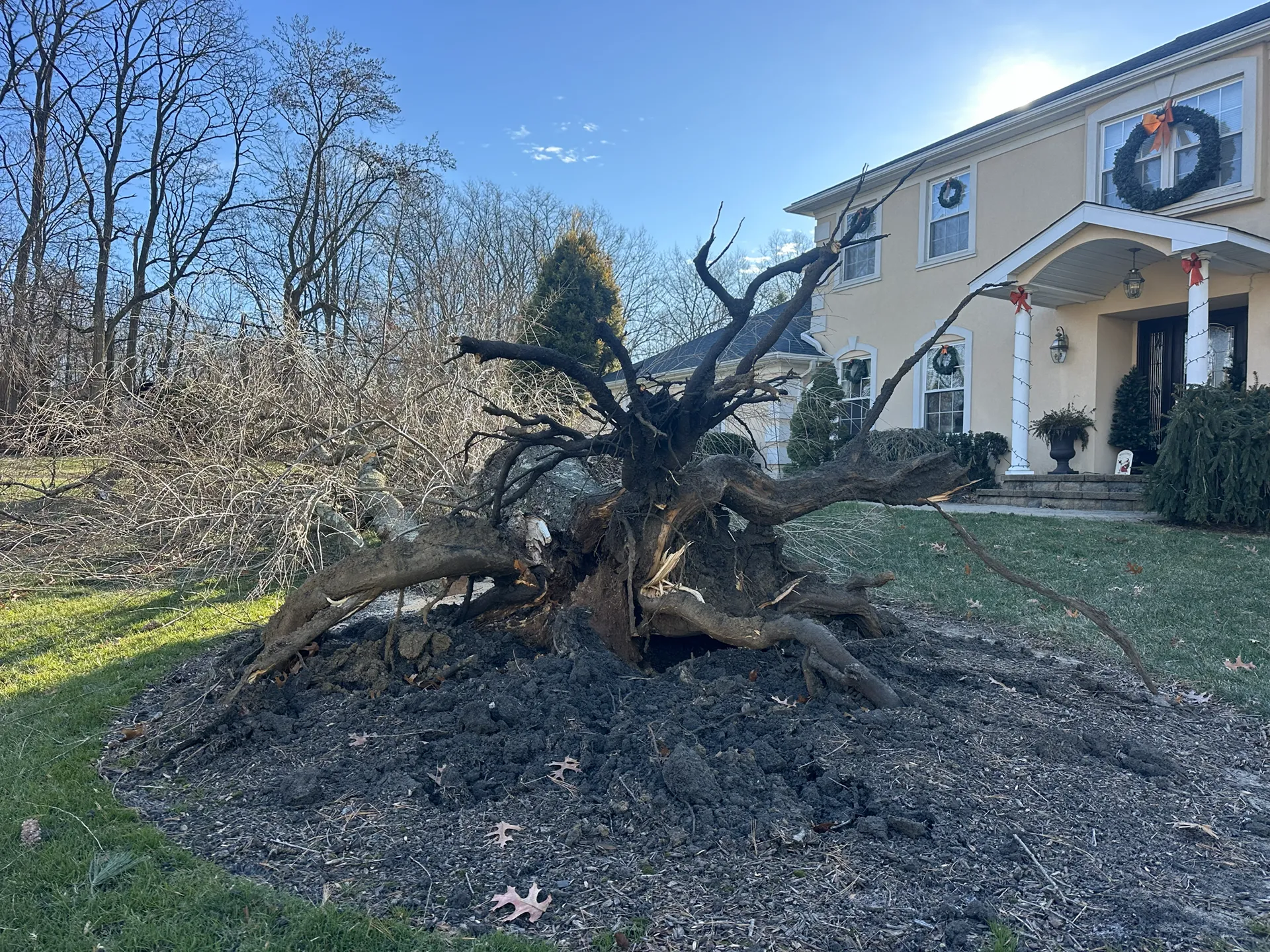
The Shade Tree Commission has exclusive control over the regulation, planting, and care of shade and ornamental trees in public highways, parks, and parkways, according to the borough’s description of its duties. Those duties include moving or requiring the removal of any tree, or part of a tree, that is dangerous to public safety. A street tree on public property is not a homeowner project, and the borough says it is unlawful to attach nails, signs, or hooks to one.
The planting strip is the part that surprises people. The borough’s frequently asked questions state that the homeowner is responsible for required pruning where a tree originates on private property or in the planting strip between the sidewalk and the curb. They also say that sidewalks, planting strip trees, and their roots are the homeowner’s responsibility. A tree in front of the house can look like the borough’s tree and still be the owner’s to care for.
Where the right of way begins is a separate question. The borough’s permit reference guide describes the right of way as 10 feet from the curb line toward the building, while the frequently asked questions admit there is no single easy answer because each property differs. A licensed survey gives the exact line. For a dead tree inside the right of way, the borough directs owners to the Shade Tree Commission or Code Enforcement.
On private property the picture changes again. The frequently asked questions say homeowners can cut down trees on their own lots, with limits where wetlands, easements, or steep slopes are present, and then add that a permit is now required under the state’s municipal stormwater program, known as MS4. The borough’s guide puts the start of that requirement at April 30, 2024, asks the owner to list each tree to be removed or planted along with its species, and recommends a licensed tree service for the work. We do not guess at current rules, and an owner should not either. Our guide to tree removal permits explains the general process, and the Shade Tree Commission can say what applies to a specific lot.
Wires are a separate category. The borough states that the local utility, JCP&L, is responsible for removing branches near or in electric wires, and it warns homeowners not to trim near them. The ISA brochure says the same: never attempt to remove branches or any tree part from or near power lines, and never go near downed lines. In a town where the wires run along the same blocks as the street trees, a limb that touches or leans on a line is a call to the utility, not a project for a pole saw.
Disputes between neighbors are outside the commission’s reach. The borough says the Shade Tree Commission has no jurisdiction over disputes about trees on private property, and it suggests talking with the neighbor before anything is cut because improper trimming can damage the tree. On lots this close together, a limb that crosses a fence line is a conversation before it is a cut. We suggest photographing the limb from both yards and agreeing on who will be present when the crew arrives.
Five Things to Confirm With the Borough Before a Belmar Tree Comes Down
- Whether the tree stands on private ground, in the planting strip, or in the right of way.
- Whether the MS4 permit applies to the lot, and what it asks the owner to list.
- Whether wetlands, easements, or steep slopes limit any work on the property.
- Whether the trunk or any limb sits close to an electric wire.
- Who will request an 811 utility mark out before stump grinding or replanting begins.
Settling those five points takes a short conversation and costs nothing, and it prevents most of the problems that follow a removal. With the authority question answered, the remaining decisions are about method, the stump, and what goes in the ground afterward. Our guide to hidden tree rot is a useful read for owners who are still deciding whether a tree needs to come down at all.
A Good Removal Plan Covers the Method, the Stump, and the Replacement Tree
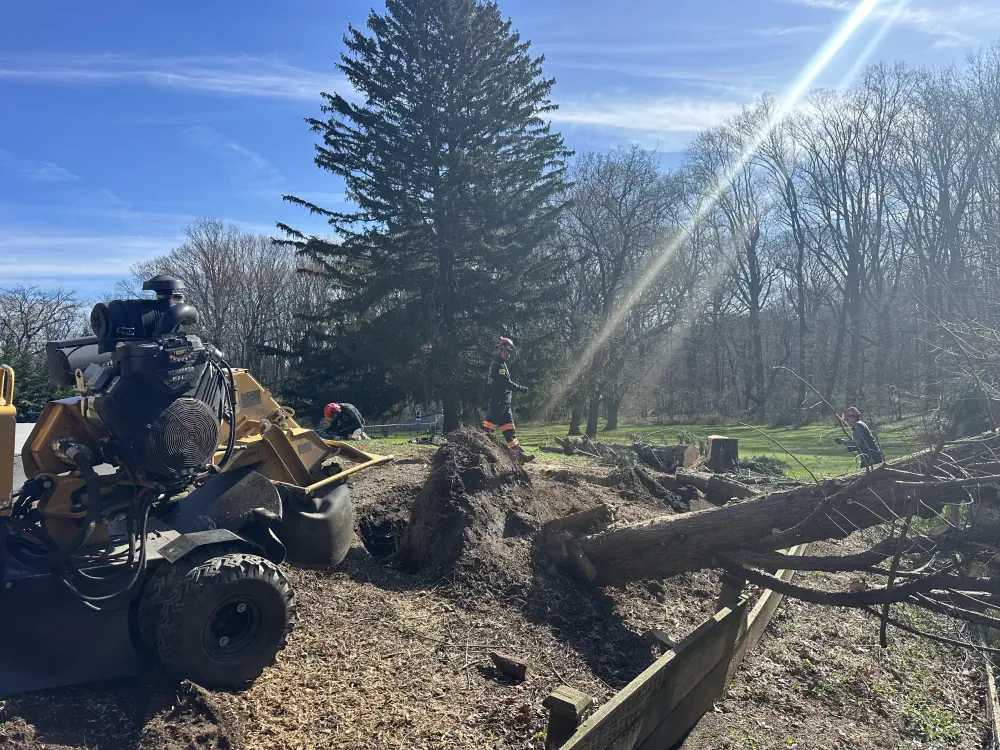
On a narrow shore lot, the method matters as much as the decision. Sections are lowered on ropes or reached from a lift rather than dropped, and the lawn, the fence, the house, and the wires decide how each piece travels. Our article on protecting your property during service describes how we handle that, and it is the part of a removal that a homeowner never sees when it goes well.
The stump is its own decision. Some owners want it ground below the surface so the area can be replanted, and others want it left for now. Rutgers advises that the contract should specify clean up work, how any firewood will be handled, and how stumps will be treated. Those details belong on paper before the crew arrives, along with the dates of the work and a clear identification of the trees involved.
Who holds the saw matters as much as when. Rutgers explains that pruning or removing large trees can be dangerous, especially work that requires climbing or working from an elevated position, and that it should be left to trained professionals. In New Jersey a tree care business must be registered with the Board of Tree Experts and must employ a licensed individual. Rutgers advises owners to ask to see the company’s registration, its insurance coverage, and the name of its Licensed Tree Expert, and to be wary of companies that appear unannounced after a storm.
Replacement is the step many owners skip. The ISA brochure recommends planting an appropriate new tree where possible, and the borough gives owners a preferred tree list to work from. It calls for nursery grown trees, deep watering through the first two years, and plantings kept out of the right of way. The permit guide adds that trees within three blocks of the ocean should be salt tolerant and that plantings cannot sit within 5 feet of the side setback line.
The same borough page lists the invasive species that New Jersey prohibits, including Norway maple, tree of heaven, and Callery pear, which many people know as Bradford pear. A state law enacted on January 20, 2026 restricts propagation and importation of those species beginning February 1, 2027, and the borough notes that the law does not require the removal of existing plants. An owner with an older Callery pear is therefore not obliged to take it out, but if storm damage or weak structure has already made removal reasonable, the replacement choice is easy.
Timing is the last piece. Leaves coming off in fall make a crown easier to read, and a plan made now leaves room to settle the permit, choose the replacement, and schedule the work before the heavier weather of winter. We do not treat removal as a seasonal product. A cracked limb over a bedroom should not wait for January, and a sound tree should not be cut because the calendar says it is time.
Questions to Ask Any Crew Before a Belmar Removal
- Its Board of Tree Experts registration and the name of its Licensed Tree Expert.
- Proof of current liability insurance and workers compensation coverage.
- A written estimate that states the reason the tree needs to come down.
- How the stump, firewood, and cleanup will be handled, written into the contract.
- Whether the company recommends topping, which is a reason to call someone else.
A good removal ends with a clean lot, a documented reason, and a plan for what grows there next. Where a tree can still be saved, tree health management and selective pruning are the better answer, and we say so plainly. Where it cannot, we remove it safely and leave the property in order.
Call Hufnagel Tree Service for Tree Removal in Belmar Before Winter
If you have a mature tree near your Belmar home, garage, shared fence, or planting strip, schedule an evaluation before winter storms arrive. We provide tree removal when a tree cannot be managed safely, along with tree risk evaluations, tree trimming and pruning, restoration, and storm proofing.
Hufnagel Tree Service is led by a certified arborist with almost 30 years of local experience and more than 280 five star Google Maps reviews. We inspect first, explain what we found in plain terms, and recommend only the work that changes the outcome for your trees and your property.
Call or text (732) 291-4444 to schedule tree removal in Belmar, or a risk evaluation first, before the next coastal storm arrives.
Schedule Service Now!
From precision pruning and safe removals to health assessments and preventative care, Hufnagel Tree Service delivers expert solutions backed by decades of experience. We offer certified insight, fair pricing, and a commitment to doing what’s best for your landscape.
Learn More About Our Services

Related Articles
Tree Health Inspections in Middletown: Hidden Rot
Winter Tree Prep in Old Bridge: Schedule An Inspection