Recommended Tree Preparation for 2026 Hurricane Season: Shark River Hills

Hurricane season tree, shrub, and hedgerow preparation for Shark River Hills homes near the Shark River, hillside lots, mature trees, waterfront winds, and storm-exposed residential landscapes.
Share This Article

Contents

Why Hurricane Prep Matters in Shark River Hills

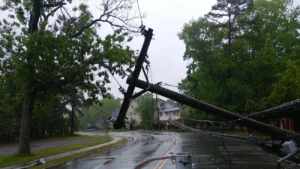
This beautiful Neptune Township neighborhood has water, hills, mature trees, and tight residential properties all working together. A storm does not have to make landfall directly over Monmouth County to cause limb failure, root movement, hedge damage, and emergency cleanup calls.

Tree Service Near Shark River, NJ

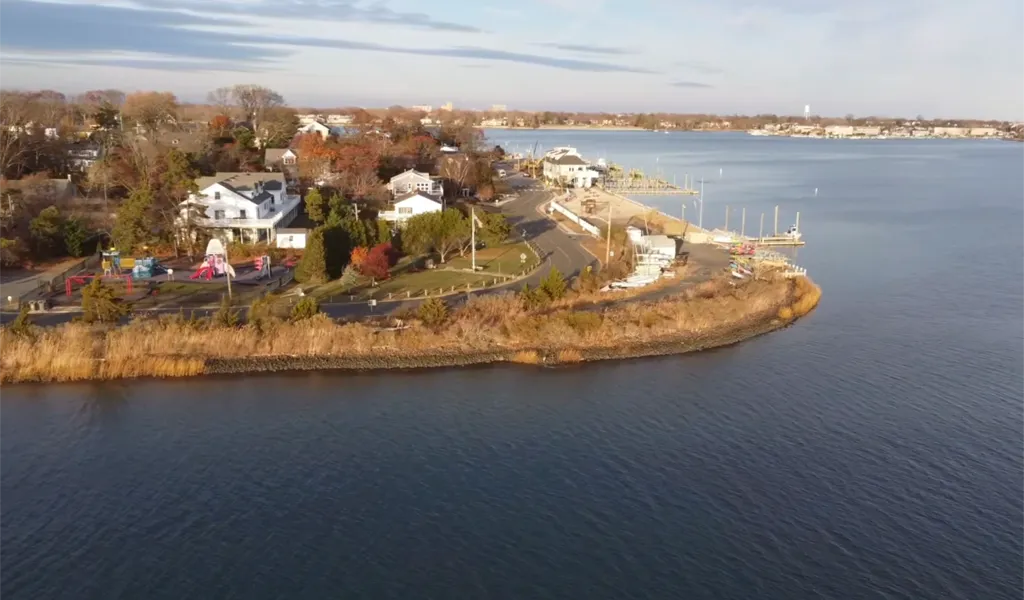
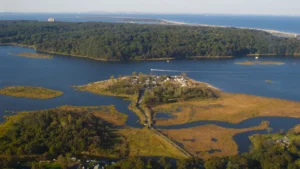
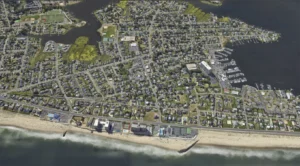
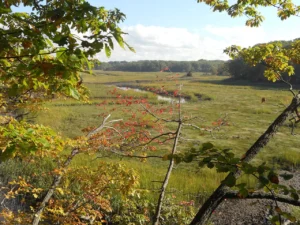
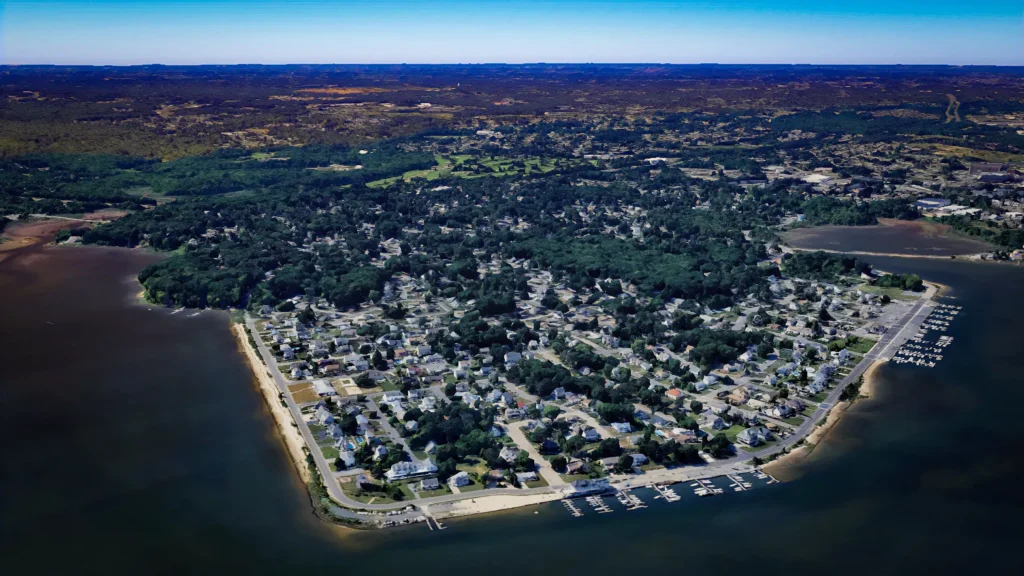
Shark River Hills sits around a scenic waterfront peninsula, with the Shark River, marina activity, neighborhood parks, older shade trees, slopes, and established homes close together. That setting is part of the neighborhood’s appeal, but it also means wind and water can find weak points quickly when tropical systems push moisture and gusts into the Shore area.

Hufnagel Tree Service brings certified arborist judgment and local storm-season experience to hurricane preparation for Shark River Hills properties. We help homeowners identify risk early, prune with purpose, preserve valuable trees when possible, and remove unsafe trees only when they cannot be responsibly managed.

Hurricane Preparation Tree Service in Shark River Hills for the 2026 Atlantic Hurricane Season

Hurricane Season

Shark River Hills has a storm profile that is different from a flat inland neighborhood. Homes sit around a hilly peninsula overlooking the Shark River, with waterfront exposure, mature trees, narrow residential streets, older lots, and yards that can shift quickly from dry summer soil to saturated ground after tropical rain. That combination makes hurricane tree preparation especially important.

Properties near South Riverside Drive, Brighton Avenue, Highland Avenue, Tuckers Bridge, the Shark River Marina area, and the streets overlooking the river often feel wind differently than inland Neptune Township. Wind can move across open water, rise into the hills, and push hard against trees that already lean, carry heavy limbs, or grow over roofs and driveways.

Our hurricane prep work in Shark River Hills begins with a practical question: what is most likely to fail when wind and water arrive together? A green canopy does not guarantee a safe tree. We look for long lateral limbs, deadwood, included bark, weak unions, decay, trunk cracks, root flare problems, soil movement, and old storm damage that may not be obvious from the ground.

Michael Hufnagel says it this way: “In Shark River Hills, the trees do not just deal with wind. They deal with wind, slope, water, and tight properties. That is why storm preparation has to be specific to the site.” That is the difference between general trimming and real hurricane-season preparation.

When the inspection is complete, we recommend the right mix of pruning, clearance, limb reduction, shrub work, hedgerow maintenance, or removal. The goal is simple. Reduce preventable damage before a tropical storm makes those decisions for the property owner.

What Shark River Hills Homeowners Should Check Before Storm Season

  • Shark River Hills combines waterfront wind, hillsides, mature trees, and tight residential lots.
  • Storm prep should identify what can fail when wind and saturated soil arrive together.
  • A green tree may still have structural defects, decay, weak unions, or root problems.
  • Site-specific preparation is more effective than basic trimming.

That first inspection sets the direction for the whole property. Once the larger risks are identified, the next priority is pruning the trees that can be safely improved before hurricane-season weather starts testing them.

Tree Trimming and Pruning for Wind and Slope Exposure

Shark River Hills, NJ

Tree trimming before hurricane season should reduce risk without weakening the tree. In Shark River Hills, that often means addressing limbs that extend over homes, decks, driveways, parked cars, fences, and neighboring yards. On sloped lots, a heavy canopy leaning downhill or toward the river can carry more stress than it appears to from the street.

We prune with structure in mind. Deadwood comes out first. Cracked, rubbing, broken, or poorly attached limbs are evaluated next. Then we look at end weight, clearance, and canopy balance. The goal is to reduce wind resistance and mechanical stress while leaving the tree with a healthy, functional crown.

Oaks, maples, cherries, dogwoods, sycamores, hollies, magnolias, ornamental pears, and mixed landscape trees are all common across Monmouth County properties. Each species reacts differently to pruning and storm pressure. Ornamental pears tend to split at tight unions. Maples can become heavy at the ends. Oaks require careful cuts and restraint. Hollies and magnolias need shaping that respects their natural form.

A poor pruning job can create new problems. Topping, lion-tailing, stripping the interior, or making large unnecessary cuts can increase stress and leave limbs more exposed to wind. It may look like a lot of work was done, but it does not mean the tree is safer.

Proper hurricane pruning is measured and strategic. It improves clearance, reduces failure points, protects tree health, and gives the homeowner a better chance of getting through storm season without preventable damage.

Pruning Priorities for Wind-Exposed and Sloped Properties

  • Storm pruning should reduce risk without stripping or topping the tree.
  • Deadwood, cracks, weak unions, and heavy end weight are priority concerns.
  • Sloped lots can increase stress on leaning trees and heavy canopies.
  • Different tree species require different pruning decisions.

The right pruning plan reduces risk while preserving the natural strength of the tree. That same storm-prep mindset should extend beyond large trees, because hedges and privacy plantings can also create expensive problems during tropical weather.

Shrub, Hedge, and Hedgerow Preparation Around Shark River Homes

hufnagel tree rejuvenation 2025 3 1

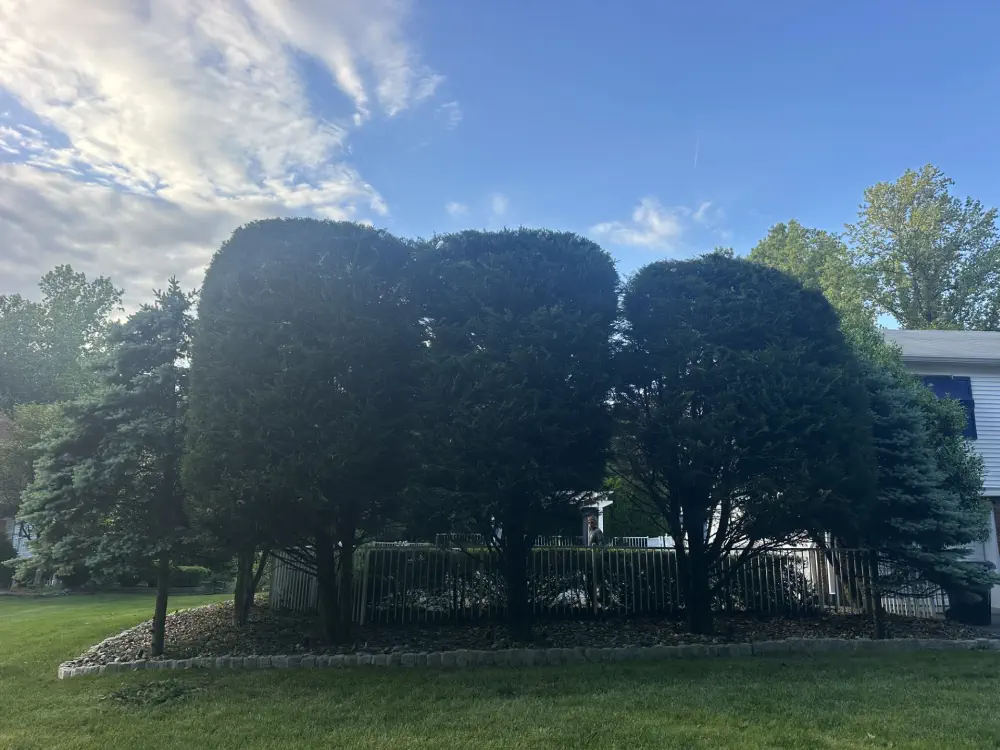
Trees get most of the attention before hurricane season, but shrubs and hedgerows matter in Shark River Hills. Privacy plantings along fences, property lines, pools, patios, and street edges can become overgrown, top-heavy, or hollow inside. When wind pushes through a tight neighborhood, these plantings can bend, uproot, split, or tear fencing with them.

Arborvitae, Leyland cypress, hollies, privet, cherry laurels, boxwoods, and mixed hedgerows often need seasonal shaping before the worst summer weather. The work is not just about appearance. It is about lowering wind resistance, removing dead interior sections, correcting uneven growth, and keeping screening plants from becoming unstable.

Near the Shark River, moisture and salt-influenced air can create uneven plant stress. One side of a hedge may stay thick while the wind-facing side thins out. That imbalance matters. A hedge that is too tall and too dense at the top can rock at the root zone during a storm and decline quickly afterward.

Michael Hufnagel often reminds homeowners that storm prep is not only about the biggest tree on the property. “A failed hedge can block a driveway, tear into a fence, or open up a whole side yard after one bad storm. It may not look as dramatic as a fallen oak, but it still becomes a real problem fast.”

Pre-season shrub and hedge work helps protect the appearance, function, and safety of the property. It also makes post-storm cleanup easier because the weakest growth has already been corrected before wind and rain arrive.

How Hedges and Privacy Rows Can Become Storm Problems

  • Hedges and privacy rows can act like sails during tropical weather.
  • Overgrown shrubs should be shaped, thinned, and checked for interior dieback.
  • Waterfront exposure can create uneven hedge stress and root movement.
  • Storm prep should include trees, shrubs, hedgerows, and access areas.

A well-prepared landscape is easier to protect and easier to recover. After the trees, shrubs, and hedges are reviewed, the most important question becomes whether any mature tree on the property carries a larger structural risk.

Tree Risk Assessment Near the Shark River and Mature Hillside Lots

Exposed Tree Roots

A tree risk assessment is most useful before the weather turns urgent. In Shark River Hills, we look closely at trees near rooflines, raised decks, retaining walls, steps, driveways, service wires, pools, and river-facing slopes. Mature trees can be valuable and beautiful, but they need to be evaluated honestly before hurricane season.

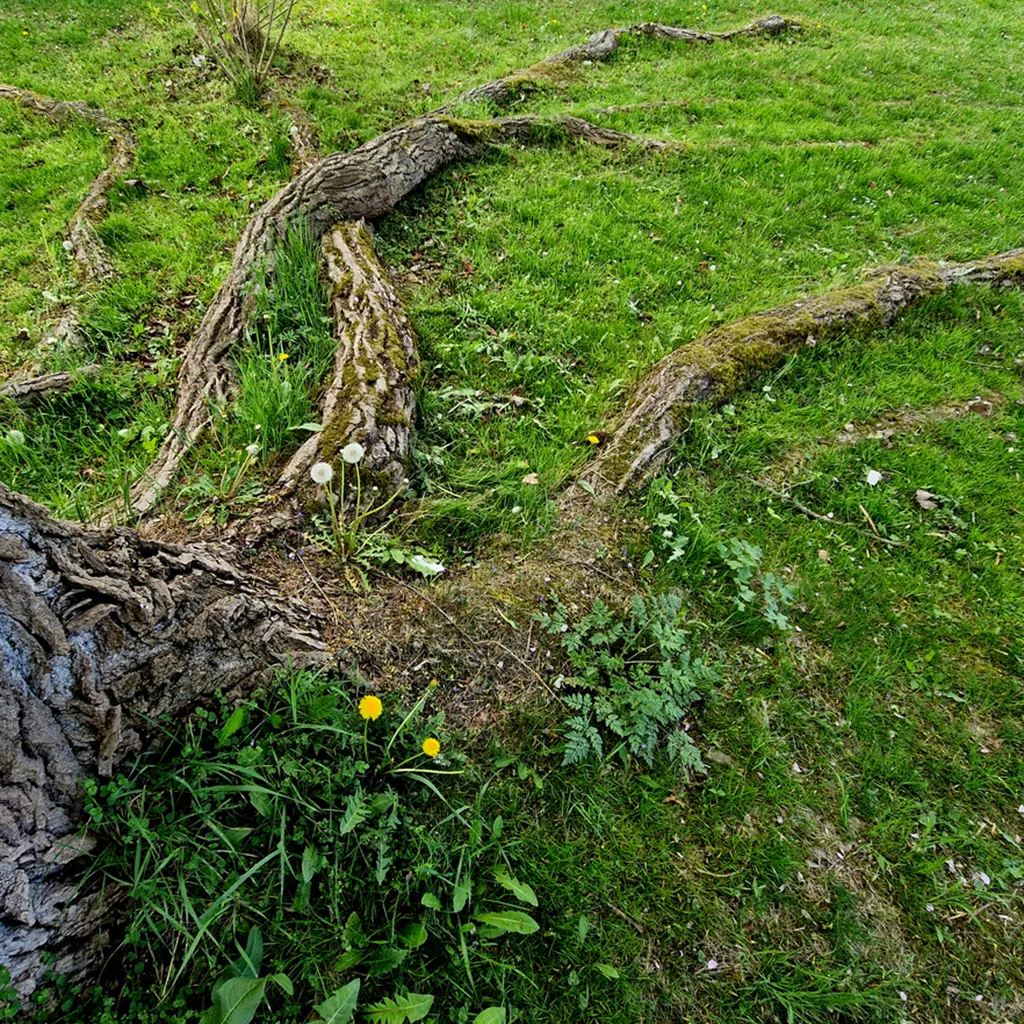
We inspect the canopy, trunk, root flare, soil, lean, branch unions, visible decay, cavities, fungal signs, old pruning wounds, and previous storm breaks. On hillside lots, we also consider drainage and erosion. If water moves across the property during heavy rain, roots can lose support or soil can shift around the base of the tree.

Not every defect means removal. Many trees can be preserved with selective pruning, weight reduction, clearance work, cabling consideration where appropriate, and ongoing monitoring. But if a tree has advanced decay, serious root compromise, a major crack, or a lean that has recently changed, waiting through hurricane season can be the wrong gamble.

We explain risk in plain language. Homeowners should know what we see, why it matters, and what can realistically be done. A certified arborist does not simply point at a tree and say it has to go. We separate manageable risk from unacceptable risk.

That distinction matters in Shark River Hills because mature trees are part of the character of the neighborhood. The right plan protects that character while reducing the chance that a preventable failure causes damage during a tropical storm.

Warning Signs That Deserve Attention Before Heavy Rain

  • Risk assessment should happen before storms are in the forecast.
  • Hillside drainage, erosion, and saturated soil can affect root stability.
  • Many trees can be preserved with targeted work.
  • Advanced decay, root compromise, trunk cracks, and changing lean require serious attention.

Risk assessment is not about scaring a homeowner into unnecessary removal. It is about deciding which trees can be strengthened, which trees need monitoring, and which trees should not be left standing through another hurricane season.

Why Shark River Hills Homeowners Should Prepare Early

hurricane prep 2026

Waiting until a hurricane is tracking toward New Jersey limits every option. Schedules tighten. Weather windows close. Disposal becomes harder. Access becomes more complicated. The work becomes reactive instead of thoughtful. Early preparation gives the property owner and the tree crew time to make better decisions.

For Shark River Hills, early preparation is especially important because many properties have tight access, hillside grades, waterfront winds, and mature trees near valuable targets. A planned pruning or removal can be done safely and cleanly. A storm emergency usually involves broken limbs, unstable trees, wet ground, blocked access, and more risk for everyone involved.

We have seen how quickly a quiet summer property can turn into a storm cleanup call when one weak limb, unstable hedge, or compromised tree finally gives way. That is why hurricane preparation should be handled while there is still time to inspect, plan, and complete the work correctly.

Our hurricane prep services focus on practical prevention. We inspect, prune, reduce, clear, shape, and remove when necessary. We also look at shrubs, hedgerows, and privacy plantings because they affect drainage, access, fencing, and overall storm recovery.

If you live in Shark River Hills, hurricane season preparation should be handled before the peak of the season, not after the first serious forecast. A certified arborist inspection now can help protect your home, your landscape, and the mature trees that make the neighborhood feel established.

Why Early Scheduling Gives Homeowners Better Options

  • Early preparation gives homeowners more options and safer scheduling.
  • Tight access and sloped lots make emergency work harder after storms.
  • Certified arborist guidance helps separate manageable risk from urgent hazards.
  • Tree, shrub, hedge, and clearance work all belong in a hurricane prep plan.

Early work is cleaner, safer, and more targeted than emergency work after the damage is already done. A few smart decisions before hurricane season can prevent the kind of avoidable failures that turn into blocked driveways, damaged roofs, broken fences, and emergency cleanup.

Schedule Hurricane Season Tree, Shrub, and Hedgerow Preparation

If your Shark River Hills property has mature trees, waterfront exposure, sloped ground, overgrown hedges, or limbs hanging over the home, schedule hurricane-season preparation before the weather turns urgent. With certified arborist guidance, local storm experience, and a strong Monmouth County reputation, Hufnagel Tree Service helps homeowners prepare trees, shrubs, and hedgerows before hurricane season becomes an emergency.

Call Hufnagel Tree Service at (732) 291-4444 for certified arborist tree, shrub, and hedgerow care in Shark River Hills and Neptune Township.

Schedule Service Now!

From precision pruning and safe removals to health assessments and preventative care, Hufnagel Tree Service delivers expert solutions backed by decades of experience. We offer certified insight, fair pricing, and a commitment to doing what’s best for your landscape.

Where Do You Need Service?
Please Enter Your Contact Information
Are You A New or Existing Customer?
How Can We Help You?

We Could Not Find A Direct Link To A Tree Removal Permit Application For The Town You Selected.

Please contact your local municipality to determine if a permit is required for your tree removal project. They will provide you with the most accurate and up-to-date information.