Two Neighborhoods, One Standard of Tree Care: Beautiful Results for Every Budget in Locust and Navesink
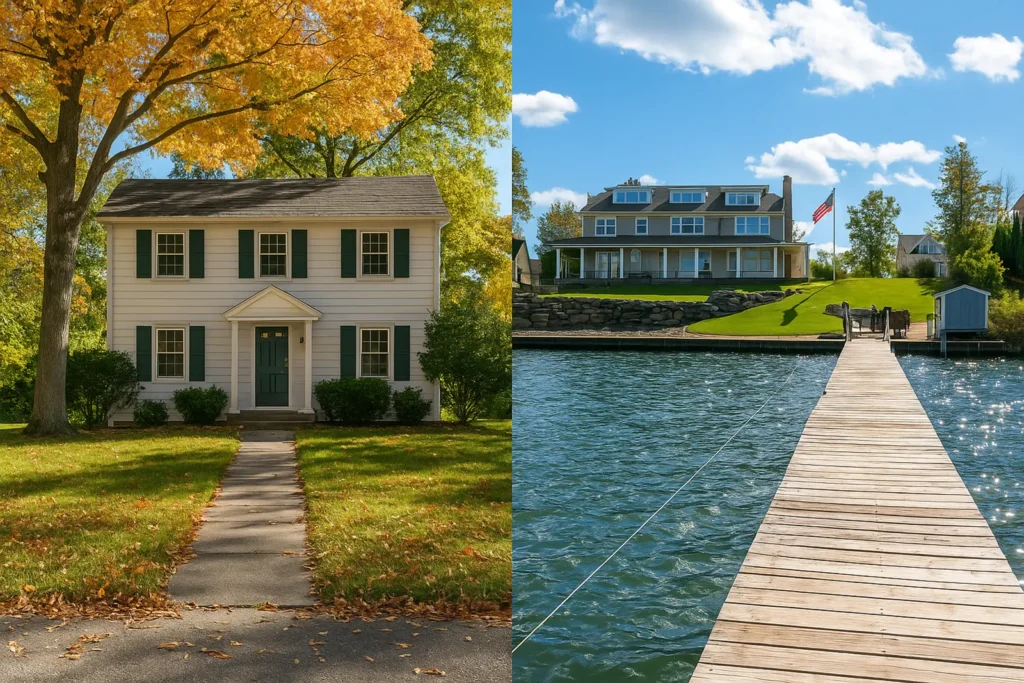
Locust holds some of the most valuable properties in Middletown Township and Navesink brings a long established village charm, but both depend on strong, well maintained trees that shape the landscape and define the look of the community.
Share This Article
In This Article ...
OUR MISSION
Protecting the Distinct Trees of the Navesink River Valley with Skilled, Certified Arborist Care
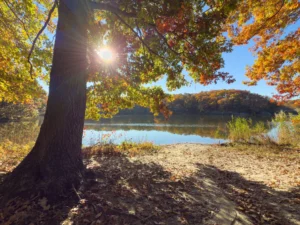
Locust and Navesink form one of the most remarkable pockets of Monmouth County. The landscape rolls and dips as it rises toward the Locust ridge and drops again toward the Navesink River. This is an area shaped by centuries of tree growth, soil movement, and human history. The neighborhoods sit on former Lenape land, then early colonial farms, then elegant summer estates built by New Yorkers who came here for the quiet air above the river. Much of that original character still shows in the cedar shingle homes, mature oak canopies, and carefully tended gardens that spread along Navesink Avenue, Locust Point, and the winding hillside roads.
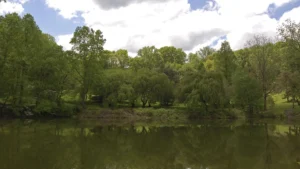
Residents here take great pride in their trees. You see it in the way maples frame driveways, in the old sweet gums that tower over historic properties, and in the rows of American holly that mark old property lines. The Navesink River adds another layer to the environment. Its maritime influence affects soil moisture, wind direction, and temperature patterns. It also draws in wildlife along the Atlantic Flyway. Ospreys, owls, and even bald eagles rely on the sturdy branches of native oaks for nesting. Healthy trees are part of the local ecosystem and part of the beauty that makes this community special.
This is why certified arborist care matters. Locust and Navesink trees grow differently from those in flatter parts of Monmouth County. The slopes hold more water. The river pulls wind along specific channels. The soil shifts with freeze and thaw cycles. Each of these factors changes how a tree develops, how weight distributes along the canopy, and what structural vulnerabilities might appear as the tree matures. As Michael often says, “These neighborhoods are a mix of riverfront air, hillside tension, and old root systems. You need to understand all three if you want to care for the trees properly.”
We built our approach around that understanding. The following sections explain how we prune, restore, protect, and manage the trees that define this historic region.
Properties along the Navesink River and throughout Locust have trees that have adapted to a very specific environment. River breezes shape canopy direction. Deep, moisture rich soil encourages fast vertical growth. Older estates often have trees that were planted to frame views of the river or to provide shade during summer seasons. When we prune these trees, we are working with decades of structural development and environmental influence.
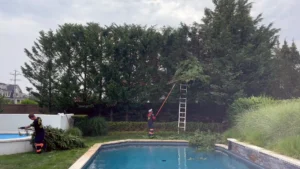
Pruning mature oaks, maples, and sweet gums in this part of Monmouth County requires a detailed evaluation of branch unions, weight distribution, and natural growth habits. We remove limbs that create leverage during storms, open the interior canopy to prevent disease pressure, and guide new growth so the tree develops evenly. The work should not change the character of the tree. It should enhance what is already there. Michael often explains it this way: “A proper prune should make the tree look healthier, not different. The best work is almost invisible.”
Another important factor in Locust and Navesink pruning is the preservation of river views without damaging long term health. Homeowners want light, sightlines, and natural beauty. We create targeted openings in the canopy that maintain those views while protecting the tree from sun exposure and unnecessary stress.
Historic properties throughout Locust contain legacy trees that have seen several generations grow up under them. These trees require special attention. The older the wood, the more important it is to make correct cuts, manage weight, and prevent unnecessary stress. We approach each one with a preservation mindset.
Pruning Insights for Locust and Navesink Homeowners
Selective pruning strengthens limbs and prepares the tree for storm season.
Proper canopy spacing reduces disease risk and improves airflow.
Riverfront pruning protects views while supporting natural growth.
Structural pruning prevents long term imbalance and canopy distortion.
A precise prune prepares the tree for healthier seasons ahead and builds a foundation for restoration work when trees show signs of age or environmental stress. This leads directly to the importance of restoring the large native species that define these neighborhoods.
TREE RECOVERY
Tree Restoration and Rejuvenation
Locust and Navesink are dominated by Northern Red Oaks, Sugar Maples, Sweet Gums, American Beech, and Sassafras. Many of these trees reach exceptional size due to the local soil’s moisture retention and nutrient depth. With age, however, even strong trees can begin to decline. Restoration brings them back to health and strengthens their ability to withstand storms, pests, and environmental shifts.
We begin with a complete evaluation of canopy density, branch dieback, root flare condition, soil compaction, and trunk structure. Mature trees show their history in subtle ways. Weak unions may indicate older wind damage. Sparse foliage could reveal root stress. Heavy horizontal limbs often reflect years of slow structural imbalance. Once we identify the specific needs, we develop a restoration plan that may include structural pruning, soil enrichment, decompaction, organic amendments, and root zone care.
Sugar Maples in Navesink often benefit quickly from restoration because they hold interior deadwood and tight limb spacing. Oaks along the Locust ridge respond well to load reduction and canopy balancing. Restoration brings energy back into the crown and extends the life of these signature trees.
In an area with such rich heritage, restoration is also about honoring the past. Many Locust properties feature trees that were part of the original estate plantings. Michael says it best: “Restoring an old oak is not just tree care. It is protecting a piece of the neighborhood’s story.”
Restoration Priorities for Large Native Trees
Strengthen older branch unions to prevent limb failure.
Improve soil quality to support deeper, healthier root systems.
Remove decayed or compromised limbs that weaken the canopy.
Correct long term weight imbalance caused by years of natural growth.
A restored tree becomes stronger, safer, and more vibrant. Once major trees are stabilized, the next step is managing the invasive species and aggressive vines that often threaten this region.
Request Tree Service By Email
From precision pruning and safe removals to health assessments and preventative care, Hufnagel Tree Service delivers expert solutions backed by decades of experience. We offer certified insight, fair pricing, and a commitment to doing what’s best for your landscape.
TREE MANAGEMENT
Managing Invasive Species and Overgrowth
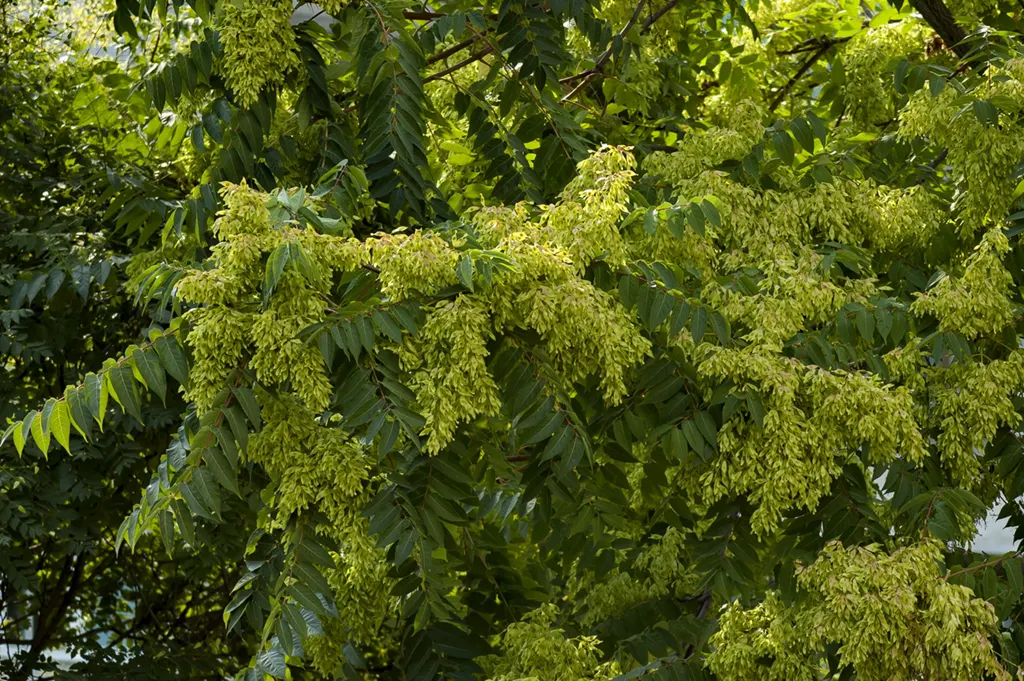
Locust and Navesink contain a mix of native forest and ornamental plantings, which unfortunately creates ideal conditions for invasive species. Norway Maple, Tree of Heaven, Callery Pear, and fast growing spruces often outcompete native trees. Even more damaging are the vines. Asian Bittersweet and Japanese Honeysuckle can wrap around trunks, girdle branches, and smother entire canopies.
Invasive management requires a systematic approach. We identify the species and determine the most effective removal method. For vines, we cut at the base, remove tension from the canopy, and clear the root zone so native trees can breathe. For invasive saplings or mature non native trees, we evaluate whether removal or gradual reduction is the best approach. Every decision is made with the health of the surrounding native species in mind.
The mixed oak forest that naturally thrives in this region needs protection from competition. Oaks, maples, and beech rely on light and space to regenerate. Invasive overgrowth blocks that regeneration. Clearing it restores balance to the property and improves the health of every tree on the site.
Strategies for Controlling Local Invasive Growth
Remove invasive vines before they cause trunk girdling or canopy collapse.
Thin non native trees that block native regeneration.
Clear root competition around high value oaks and maples.
Prevent future encroachment with proactive monitoring and periodic cuts.
Once overgrowth is managed, the property’s structural risks become easier to evaluate. This leads naturally into the importance of risk assessments for hillside homes.
SAFE VS SORRY
Tree Risk Assessments for Hillside Homes
Locust and Navesink have dramatic terrain compared to most of Monmouth County. The hills create steep grading, soil shifts, and root exposure during heavy storms. Homes built along the ridges or in low lying pockets near the river experience different forces that shape how their trees grow. Some trees develop leaning patterns. Others show signs of soil movement around the root flare. Some anchor well in the slopes, while others weaken over time.
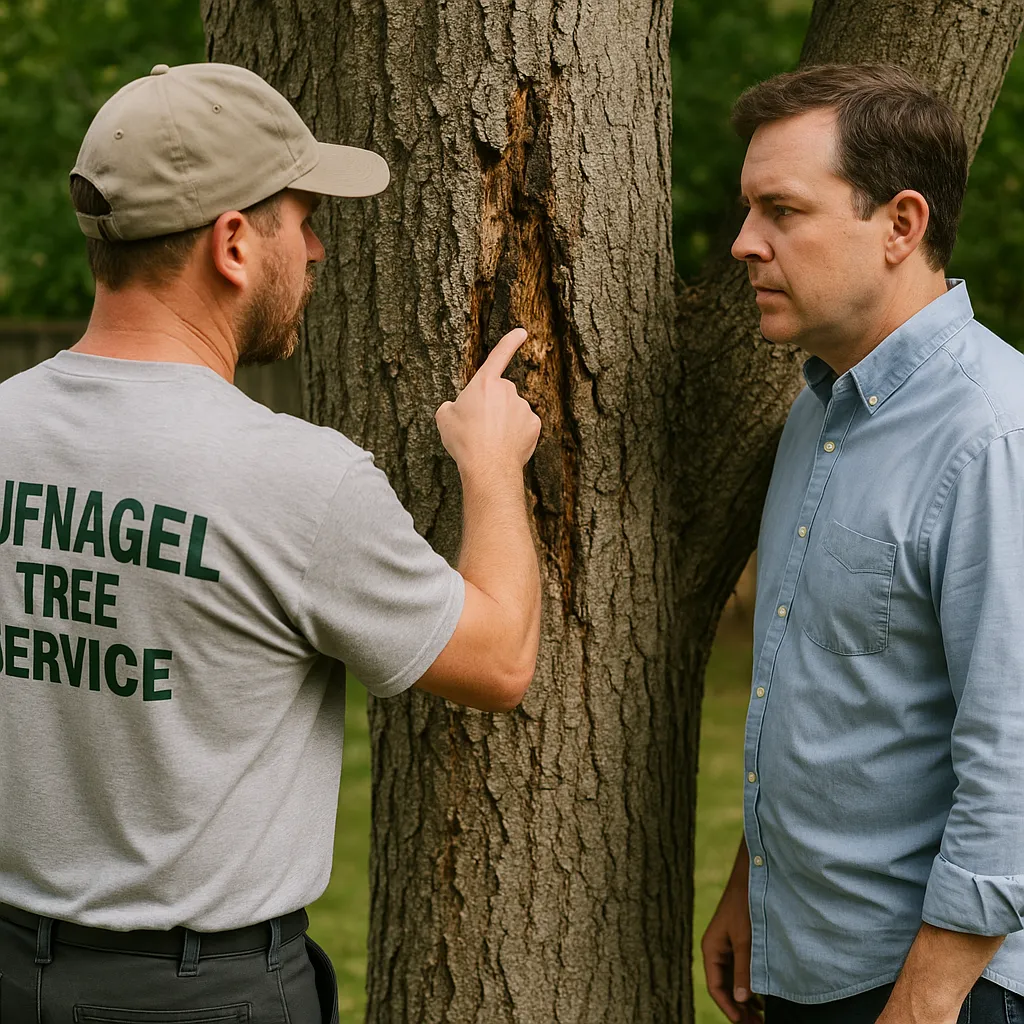
A professional risk assessment helps homeowners understand these factors. We examine root stability, trunk condition, canopy weight, previous storm damage, soil saturation, and the tree’s angle relative to slope. We also evaluate environmental changes, such as recent construction, altered drainage, or newly opened wind paths that were not present years ago. As Michael says, “A tree tells you what it needs if you know how to read it. On a hill, the signs are different. You need to understand the terrain.”
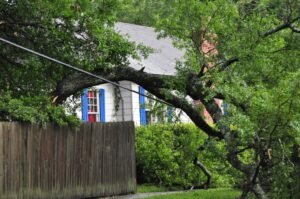
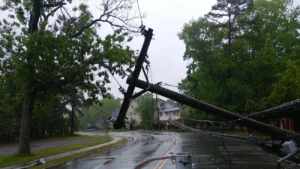
Evaluating structural risk in hillside regions is especially important before storms. Heavy winds from the river can push stressed trees in unpredictable directions. A weakened tree can fail even without extreme weather. Identifying these issues early helps prevent property damage and ensures a safe landscape.
Indicators We Evaluate on Sloped Properties
Root plate movement or soil cracking around the base.
Canopy imbalance that leans downhill.
Hollowing or decay in weight bearing limbs.
Soil shifts caused by recent storms or drainage changes.
Once risks are identified, the final step in long term tree care is planning for seasonal shifts and annual maintenance. This prepares the property for healthy growth each year.
SERVICE EACH SEASON
Seasonal Care Planning for Long Term Health
Locust and Navesink experience a blend of maritime air, river humidity, hillside wind, and coastal storms. These conditions fluctuate across the seasons, and trees respond differently depending on species and location. Seasonal care helps trees adjust and remain resilient.
Spring requires inspection for winter damage, early pest activity, and soil compaction from freeze and thaw cycles. Summer brings drought stress for some species and heavy growth for others. Fall is the ideal time for structural adjustments and soil improvements. Winter is when we evaluate stability, remove hazardous limbs, and prepare the property for nor’easter season.
Homeowners often overlook the value of consistent seasonal checks, but this is what keeps trees strong year after year. Native oaks and maples respond exceptionally well to a steady care rhythm. Ornamentals and privacy evergreens also benefit from adjustments that match the season. With steady maintenance, trees develop stronger root systems, healthier canopies, and better resilience against storms.
Seasonal Priorities for Locust and Navesink Properties
Address winter cracks and cold stress early in spring.
Monitor summer canopy density to prevent storm vulnerability.
Strengthen structure in fall when trees respond best to pruning.
Prepare root systems for winter with soil care and deep watering.
A seasonal plan keeps trees healthy throughout the year and allows homeowners to enjoy beautiful, safe, and thriving landscapes across every season.
LOCAL EXPERTS
Call Today for Expert Local Tree Care
Locust and Navesink properties deserve tree care that respects their history, terrain, and long standing beauty. Our certified arborist team understands the unique conditions of the river, the hills, and the mixed oak forests that define this remarkable part of Monmouth County. Every service we provide is tailored to the specific needs of your trees and your land.
When you call, you speak directly with experienced professionals who are committed to doing the work the right way. We offer honest evaluations, clear communication, and solutions designed to protect your home and enhance your landscape for years to come. As Michael often says, “Tree care is not about quick fixes. It is about doing what is right for the tree and right for the property.”
For trusted, local, certified arborist care in Locust and Navesink, call 732-291-4444 today. We look forward to helping you preserve the beauty and safety of your landscape.
We Could Not Find A Direct Link To A Tree Removal Permit Application For The Town You Selected.
Please contact your local municipality to determine if a permit is required for your tree removal project. They will provide you with the most accurate and up-to-date information.