Exotic Hedge and Vine Maintenance in Navesink, NJ

Certified arborist care for exotic hedge shaping, vine control, ornamental pruning, and tree protection in Navesink, NJ, with local insight for historic, wooded, and river influenced properties.
Share This Article

Contents

Exotic Hedge Maintenance in Navesink, NJ

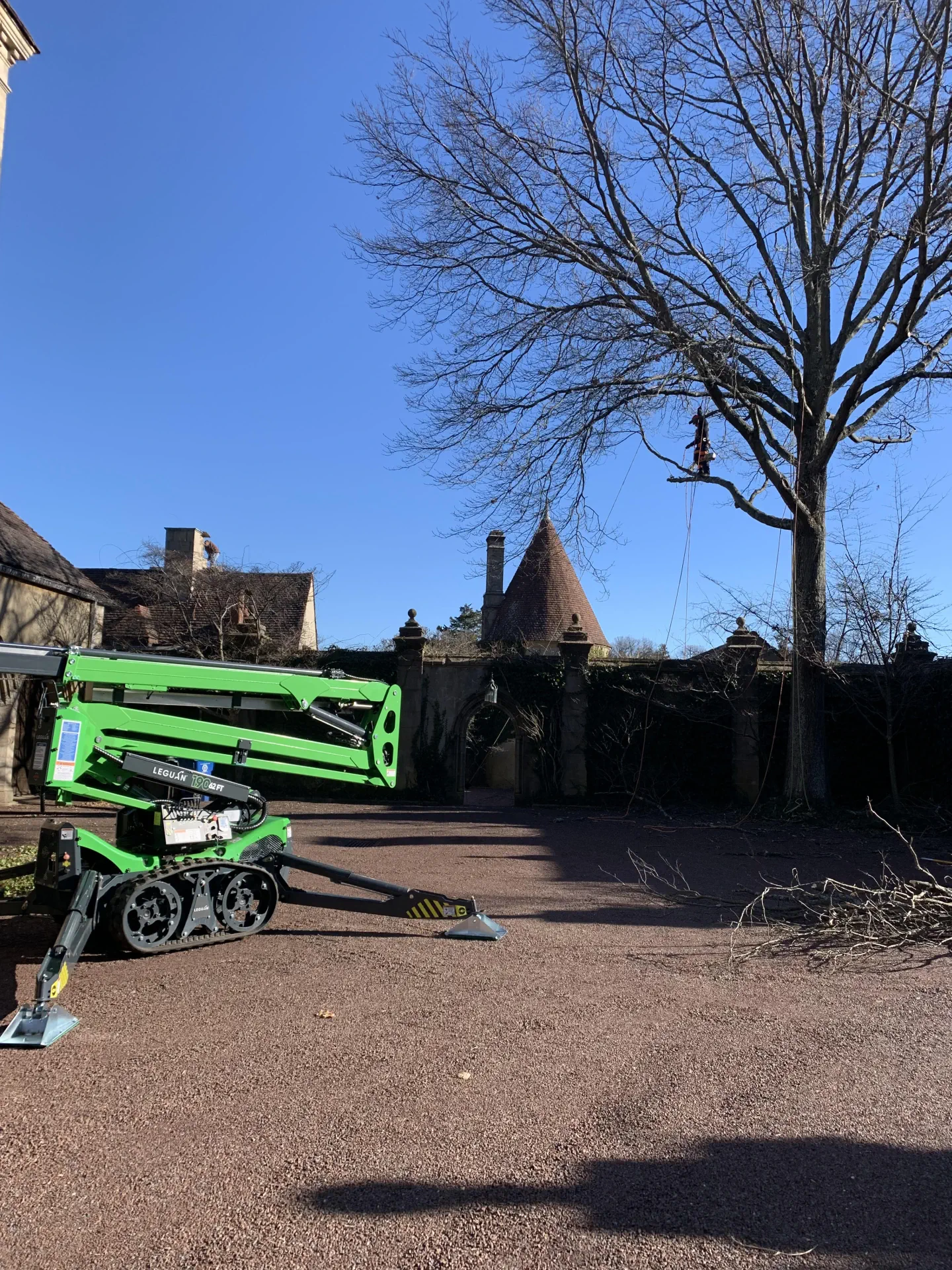
Exotic hedge and vine maintenance in Navesink, NJ requires a careful eye, a steady hand, and real arborist judgment. Around Monmouth Avenue, Browns Dock Road, Lakeside Avenue, Navesink Avenue, and the wooded slopes near Hartshorne Woods, properties often combine mature shade trees with formal hedges, climbing vines, stone walls, privacy screens, and ornamental plantings that need more than routine trimming. At Hufnagel Tree Service, we approach this work as certified arborists, not just cutters. We understand how Navesink’s river influence, shaded hillsides, salt exposure, deer pressure, and historic landscape character affect hedges, vines, shrubs, and the trees they grow near. Our goal is simple. We preserve the intended look of the landscape while protecting long term plant health, structural safety, and property value.

hufnagel 191

Exotic hedges in Navesink often include plants chosen for privacy, formality, screening, or estate style structure. We regularly see boxwood, Japanese holly, privet, yew, arborvitae, skip laurel, cherry laurel, hornbeam, and mixed ornamental hedgerows on properties tucked between the Navesink Historic District, Locust, Chapel Hill, and the approach toward Highlands. These plants can look refined when maintained properly, but they decline quickly when they are sheared too hard, cut at the wrong season, or allowed to become too dense inside.

Our hedge maintenance starts with plant identification and growth habit. A boxwood hedge does not respond like a laurel hedge. A formal yew screen does not recover like privet. Some hedges tolerate renewal pruning, while others need a phased reduction over multiple visits. We look at leaf density, interior branching, sun exposure, soil moisture, and airflow before deciding how aggressive the work should be.

For Navesink homeowners, the benefit is more than appearance. Proper hedge care improves light penetration, reduces fungal pressure, supports even growth, and keeps plantings from crowding walkways, driveways, fences, patios, and views toward the river. Overgrown hedges can trap moisture against siding and stonework. They can also hide structural weaknesses, invasive vines, animal damage, and dead interior wood. Good maintenance keeps the landscape open, clean, and manageable.

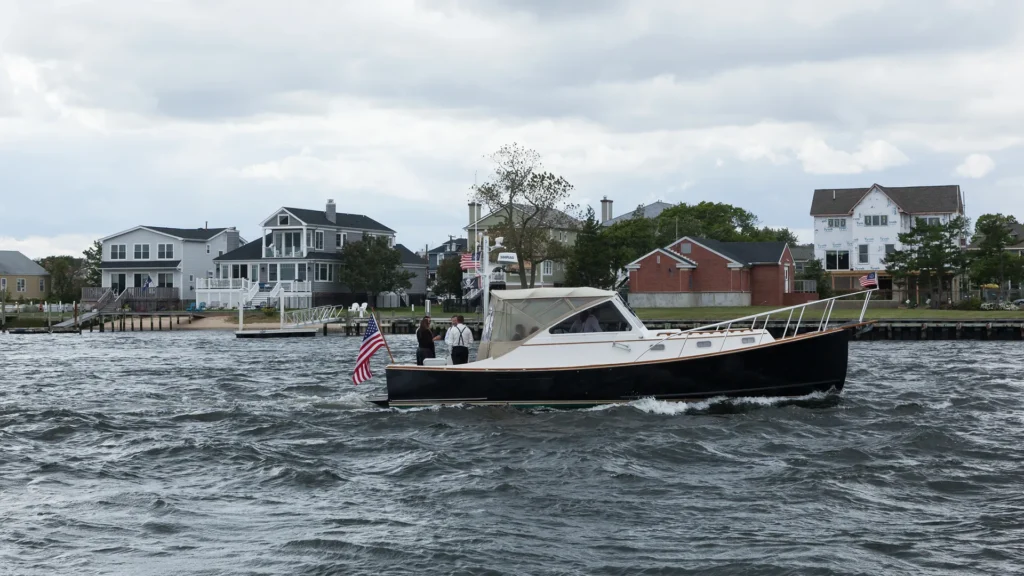
Navesink’s local conditions make timing especially important. On shaded properties near Hartshorne Woods, hedges may dry slowly after rain and fog. On more exposed lots, winds moving off the Navesink River and Sandy Hook Bay can desiccate outer foliage. We adjust pruning so plants do not get shocked during heat, drought, or heavy seasonal growth. As Michael often says, “The goal is not to make every hedge smaller. The goal is to make every hedge healthier, cleaner, and easier to maintain from the inside out.”

When a hedge has been neglected, we do not force it back in one visit unless the plant can handle it. We build a practical maintenance plan that may include selective thinning, height reduction, hand shaping, renewal cuts, deadwood removal, and soil level cleanup. That same arborist approach also matters when vines are growing through or over the hedge, because vine pressure can quickly turn a refined screen into a tangled, declining mass.

Navesink Hedge Decisions That Should Be Made Before the First Cut

  • Most formal hedges need selective interior thinning, not just surface shearing.
  • Overgrown hedges often recover best through phased reduction instead of one severe cut.
  • Dense hedges near shaded river slopes need airflow to reduce disease pressure.
  • Salt, wind, deer browsing, and drought can change how aggressively a hedge should be pruned.
  • Certified arborist judgment helps protect both the hedge and the larger landscape around it.

Healthy hedges give Navesink properties privacy, structure, and a finished look without overwhelming the home or garden. Once the hedge is balanced, the next priority is vine control, especially where vines are climbing valuable trees, fences, pergolas, walls, and ornamental shrubs.
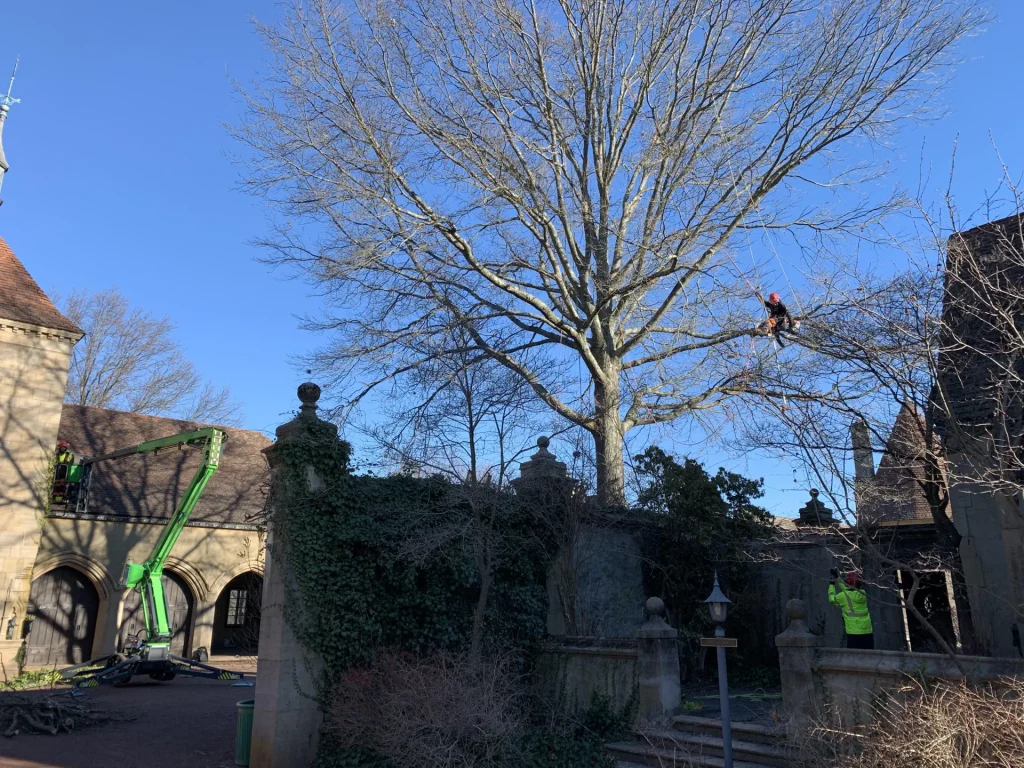
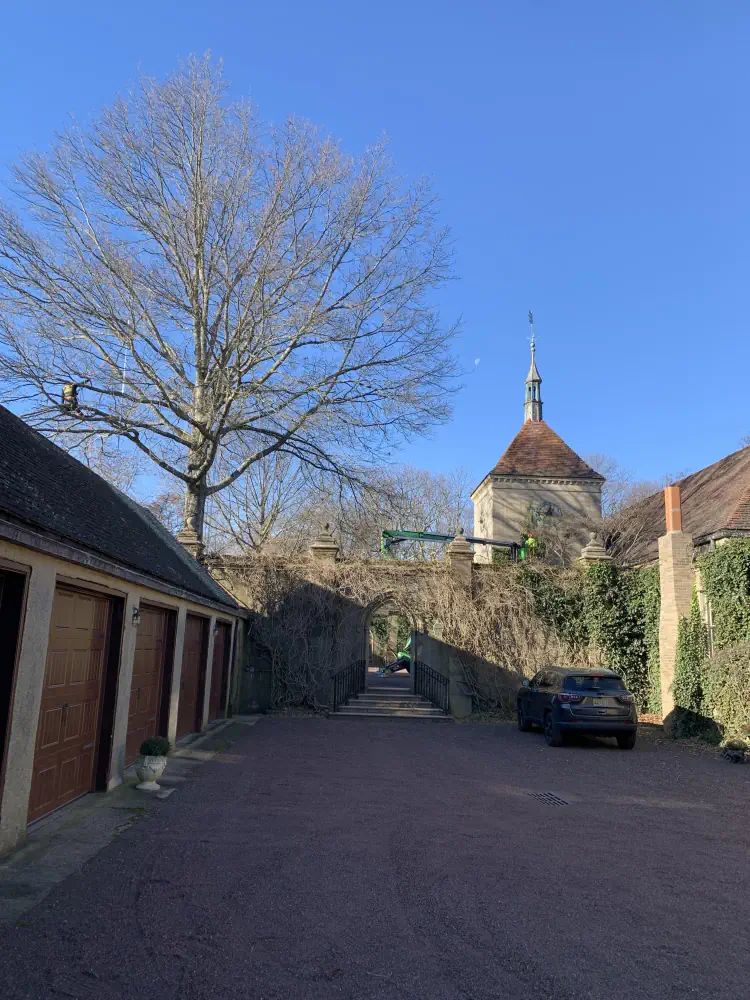
Vine Control, Training, and Tree Protection

medium hufnagel 59

Vines can be beautiful in the right place and destructive in the wrong one. In Navesink, we see ornamental vines used on arbors, trellises, fences, and older stone walls, but we also see aggressive growth climbing into trees and hedges. Wisteria, English ivy, climbing hydrangea, clematis, honeysuckle, grapevine, porcelain berry, trumpet vine, and volunteer bittersweet type growth all require different handling. Some are desirable ornamentals. Others need strict containment or removal.

The biggest mistake is treating all vines the same. A flowering clematis trained on a trellis can be pruned to encourage bloom and shape. Mature ivy climbing a tree may need to be severed carefully at the base and left to dry before removal from the trunk. Wisteria can become heavy enough to pull on structures and girdle branches if it is ignored. We separate decorative vine maintenance from risk based vine control so the right plant receives the right treatment.

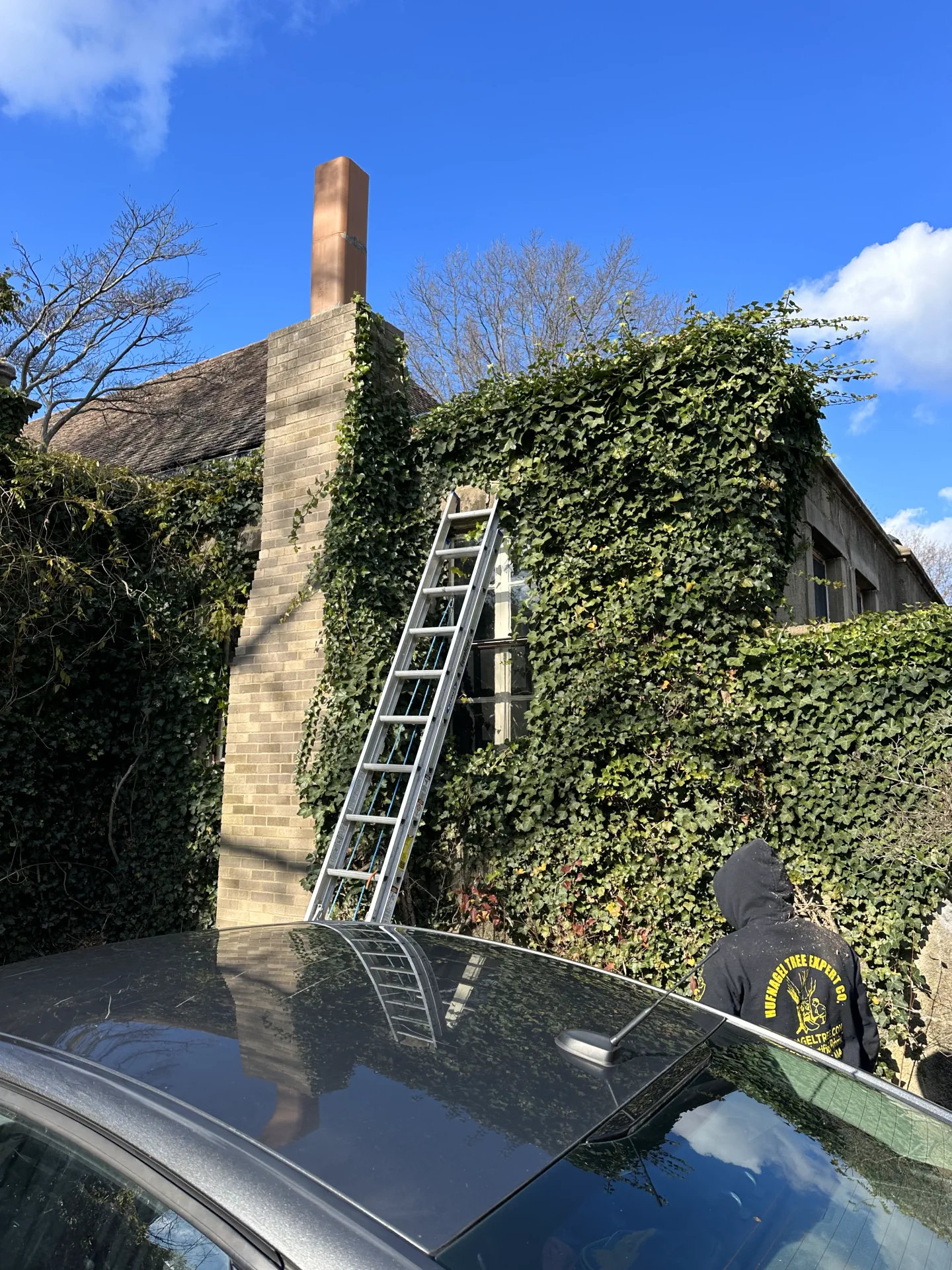
For property owners, proper vine management protects trees, gutters, fencing, stonework, roofs, and ornamental shrubs. Vines can hold moisture against bark, hide decay, block inspection of branch unions, and add sail weight to trees during storms. When vines climb into a canopy, they compete for light and can increase storm movement in the upper limbs. On older Navesink properties with mature oaks, beeches, hollies, maples, and ornamental cherries, that extra load can become a real hazard.
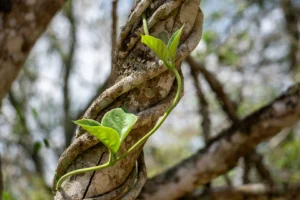
Local terrain makes this especially relevant. Navesink has wooded edges, slopes, historic lots, and properties that transition from maintained landscape into natural growth. That edge habitat is where vines often begin. They creep from fence lines, wooded borders, drainage swales, and neglected shrub masses into the managed landscape. Michael’s field rule is direct: “A vine is only an accent when it is under control. Once it reaches the tree canopy, it becomes a structural concern.”

Our vine work may include hand pruning, selective removal, vine separation from desirable plants, basal cuts, debris cleanup, and guidance on replacement plantings. We also watch for tree damage after vines are removed, because hidden wounds, bark decay, weak branch unions, and suppressed growth may become visible only after the tangle is cleared. That inspection naturally leads into coastal pruning, storm readiness, and long term plant health management.

Signs That Vine Growth Has Moved Beyond Decoration

  • Vines climbing into a tree canopy can add weight and wind resistance.
  • Ivy and dense vine mats can hide trunk defects, cavities, and root flare problems.
  • Flowering vines need species specific pruning to preserve blooms and control size.
  • Vines along wooded borders should be managed before they enter hedges and ornamental trees.
  • Removal should be careful enough to avoid tearing bark, damaging masonry, or shocking nearby shrubs.

Controlled vines can add character to a Navesink property. Uncontrolled vines can quietly damage the trees and ornamental framework that make the property valuable. After vines and hedges are brought back into order, we look at the wider landscape for pruning, storm exposure, and health concerns.

Seasonal Timing for Hedge, Vine, and Ornamental Work

Timing matters in Navesink because the growing season is shaped by river moisture, shaded slopes, warm summer humidity, and sudden coastal weather changes. A hedge cut too hard in the wrong part of summer can scorch. A flowering vine pruned at the wrong time can lose its bloom cycle. A dense ornamental screen left untouched through fall may collect wet leaves, hold moisture, and enter winter already stressed.

We plan seasonal hedge and vine work around the plant’s growth cycle. Some hedges respond well to light shaping after spring growth hardens. Others need corrective pruning during cooler windows when heat stress is lower. Vines may need early structure work, post bloom pruning, or late season containment depending on species. The schedule should support plant recovery, not just homeowner convenience.

For Navesink property owners, seasonal planning reduces repeat problems. A hedge that is managed at the right interval keeps its form without drastic cuts. A vine that is trained early does not overwhelm the trellis, tree, or fence. An ornamental tree that is pruned with the season in mind heals more predictably and keeps a more natural shape. This is how detail work saves money over time.

We also consider storm timing. Before nor’easters, summer thunderstorms, and winter wind events, we watch for deadwood, overloaded limbs, and vine covered trees that could shed branches into hedges or formal plantings. Michael explains it this way: “Seasonal pruning is not about chasing growth every few weeks. It is about choosing the right window so the plant looks better and responds better.”

A property with hedges, vines, shrubs, and mature canopy trees needs a calendar, not a random trim. We help homeowners decide what should be done now, what should wait, and what should be monitored. That same planning becomes even more valuable when ornamental work sits beneath large shade trees that need certified arborist care.

Seasonal Choices That Protect Navesink Landscapes

  • Light shaping and corrective pruning should follow the plant’s growth habit.
  • Flowering vines should be pruned with bloom timing in mind.
  • Dense hedges need airflow before long stretches of humidity and shade.
  • Storm season is the right time to inspect trees growing over ornamental plantings.
  • Planned maintenance prevents severe cuts that weaken plant structure.

Seasonal timing keeps the landscape refined without forcing plants into stress. Once the ornamental layer is managed on a proper cycle, the larger trees above it deserve the same level of attention.

Coastal Pruning, Storm Readiness, and Long Term Plant Health

Navesink, NJ Tree Service Coverage Area

Exotic hedge and vine maintenance should not be separated from the larger tree care plan. In Navesink, hedges and vines often grow beneath mature canopy trees or along the edge of wooded slopes. If those trees are overextended, storm damaged, crowded, or declining, the ornamental layer below them is always at risk. At Hufnagel Tree Service, our certified arborist perspective allows us to maintain the fine details while also seeing the whole property.

We evaluate how the trees, hedges, vines, and shrubs interact. A maple casting heavy shade over boxwood can weaken the hedge. A declining oak over a formal garden may drop dead limbs into ornamental plantings. A vine covered trunk may conceal decay. A hedge planted too close to a mature tree can trap moisture at the root flare. These are not just cosmetic issues. They affect plant health, safety, and the cost of future maintenance.

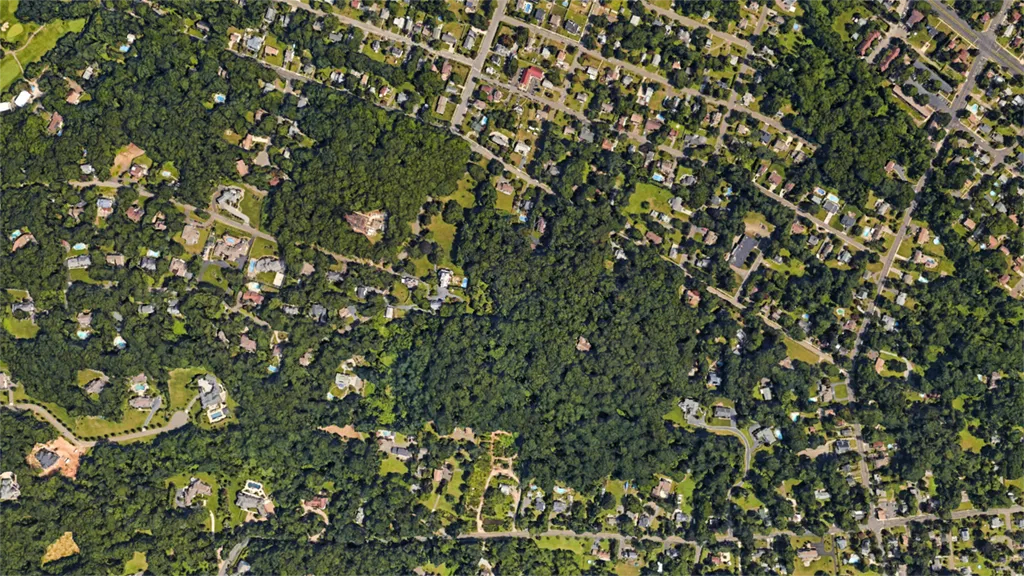
For homeowners near Hartshorne Woods, the Navesink River, and the hillside roads leading toward Highlands, storm readiness is part of responsible landscape care. Coastal weather can push wind through gaps in the tree canopy and across open lawns. Heavy rain can loosen shallow roots on slopes or saturated soils. The best time to address weak limbs, crowded crowns, and overloaded ornamentals is before summer storms, nor’easters, or winter wind events expose the weakness.

Our pruning style is built around structure. We remove deadwood, reduce end weight where appropriate, improve clearance, and thin crowded growth without stripping the plant or tree. With hedges, we avoid cutting them into unnatural shapes that shade out the base. With vines, we control direction and weight. With mature trees, we make cuts that respect branch collar biology and long term stability. Michael puts it plainly: “Good pruning should look intentional, not severe. The best work makes the landscape safer and cleaner without making it look freshly wounded.”

When health problems are present, we may recommend tree health managementtree risk evaluation, selective tree trimming and pruning, or tree restoration. If a hedge or vine system is overwhelming the property, our hedgerow trimming experience helps bring it back into proportion. The result is a landscape that still feels like Navesink, wooded, historic, coastal, and refined, but easier to maintain and safer through the seasons.

How We Protect the Whole Navesink Landscape

  • We look at hedges, vines, shrubs, and mature trees as one connected system.
  • We prune for structure, airflow, clearance, health, and long term appearance.
  • We identify hidden problems such as decay, vine girdling, deadwood, and storm loaded limbs.
  • We adapt pruning to Navesink’s shade, slopes, salt influence, and coastal wind exposure.
  • We help homeowners maintain privacy and beauty without sacrificing tree safety.

Exotic hedge and vine maintenance is detailed work, but it should always support the larger health of the property. When it is done properly, the landscape looks cleaner, functions better, and holds up more reliably in Navesink’s coastal environment.

Schedule Exotic Hedge and Vine Maintenance in Navesink, NJ

Tree Service near the Navesink River

Hufnagel Tree Service brings certified arborist skill, local Monmouth County experience, and a restoration first mindset to hedge, vine, ornamental, and tree care in Navesink. We are trusted for careful work, clean job sites, and practical guidance backed by more than 25 years in the field and hundreds of five star Google reviews.

For expert exotic hedge and vine maintenance in Navesink, NJ, fill out our contact form or call (732) 291-4444. We will evaluate your hedges, vines, trees, and ornamental plantings, then recommend a plan that protects the look, safety, and long term health of your property.

Schedule Service Now!

From precision pruning and safe removals to health assessments and preventative care, Hufnagel Tree Service delivers expert solutions backed by decades of experience. We offer certified insight, fair pricing, and a commitment to doing what’s best for your landscape.

Where Do You Need Service?
Please Enter Your Contact Information
Are You A New or Existing Customer?
How Can We Help You?

We Could Not Find A Direct Link To A Tree Removal Permit Application For The Town You Selected.

Please contact your local municipality to determine if a permit is required for your tree removal project. They will provide you with the most accurate and up-to-date information.