In This Article ...
Winter Fruit Tree Pruning From a Certified Arborist’s Perspective
In Middletown, Long Branch, and West Long Branch, winter pruning is one of the most misunderstood aspects of fruit tree care. Every year, homeowners ask us why we recommend pruning apple, pear, peach, and cherry trees when they appear dormant and lifeless. From the outside, it can feel counterintuitive to cut a tree when it is not actively growing. From an arborist’s standpoint, winter is exactly when fruit trees benefit most from thoughtful, professional pruning.
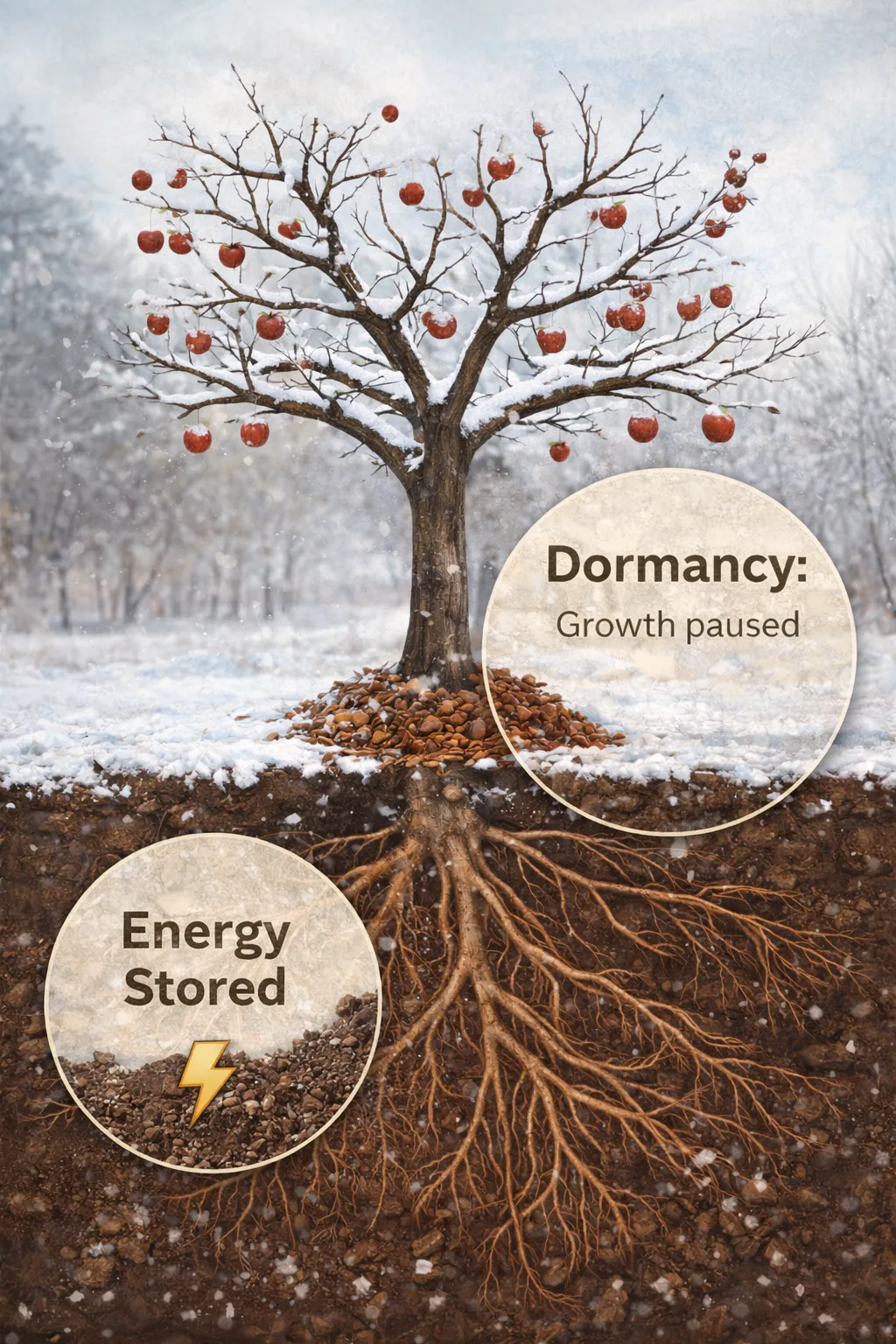
We have been caring for fruit trees across Monmouth County for more than 25 years, and winter pruning is one of the most effective tools we use to improve long term health, structure, and fruit production. When trees are dormant, their energy is stored in the roots rather than circulating through leaves and fruit. That dormancy allows us to make precise structural cuts without stressing the tree or interrupting growth cycles.
Michael Hufnagel, owner and certified arborist, often explains it simply to homeowners. “Winter pruning lets us see the tree clearly. There’s no guessing where limbs are crossing or where structure is weak. You get cleaner cuts and better results in spring.”
In coastal towns like Long Branch and West Long Branch, where wind and salt exposure are constant factors, winter pruning also plays a role in preventing future storm damage. By addressing weak attachments and poorly structured branches before spring growth begins, we help fruit trees enter the growing season stronger and more resilient.
This article explains why winter pruning works, what problems it prevents, and how professional pruning differs from casual trimming. It also addresses common misconceptions that cause homeowners to delay pruning until it is too late.
Understanding Dormancy and Why It Matters for Fruit Trees
Dormancy is not inactivity. During winter, fruit trees slow their above ground growth, but internally they are preparing for the next season. Energy reserves accumulate in the roots, and hormonal signals remain balanced until warmer temperatures return. This biological pause is what makes winter pruning so effective.
When we prune during dormancy, the tree does not immediately respond with new growth. That delay allows wounds to remain stable and dry, reducing the risk of disease or decay. In contrast, pruning during active growth can trigger excessive shoot production and stress responses that weaken overall structure.
In Middletown neighborhoods like Lincroft, Chapel Hill, and Navesink, we frequently see fruit trees that were pruned too late in spring. The result is often dense interior growth, poor airflow, and uneven fruit development. Winter pruning avoids these issues by setting the tree’s framework before growth begins.
Michael often reminds clients that fruit trees are different from ornamentals. “You are not just shaping a tree to look nice. You are shaping it to produce fruit safely and consistently. Winter is when that foundation gets built.”
Dormant pruning also allows us to remove dead or diseased wood without spreading pathogens. Many fungal and bacterial diseases are inactive in cold temperatures, which lowers the risk of contamination between cuts.
What Dormant Pruning Allows Us to Do More Effectively
Before spring growth starts, winter pruning allows certified arborists to focus on structure, safety, and long term productivity.
Here is what winter dormancy makes possible:
Clear identification of crossing, rubbing, and competing branches
Precise removal of dead or diseased limbs without active spread
Structural correction of weak branch angles before fruit weight is added
Improved airflow and sunlight penetration for the upcoming season
Reduced stress response compared to warm weather pruning
By addressing these elements early, we reduce the need for corrective pruning later in the year. The tree enters spring with a balanced structure and a clear growth plan.
That structural clarity carries forward into fruit production, which leads directly into the next concern most homeowners have: fruit quality and yield.
How Winter Pruning Improves Fruit Quality and Yield
Fruit trees are designed to prioritize survival over production. Left unpruned, they often produce too many branches and too much fruit, which leads to smaller yields, broken limbs, and inconsistent harvests. Winter pruning helps regulate that balance before the growing season begins.
When we remove excess branches during winter, the tree redistributes energy more efficiently in spring. Fewer branches mean more resources are directed into healthy buds and fruiting wood. This results in better sized fruit, more even ripening, and reduced limb failure under fruit weight.
In Long Branch and West Long Branch, coastal winds can magnify fruit load stress. Trees that are not properly pruned often lose large limbs mid season, damaging the tree and surrounding property. Winter pruning minimizes that risk by addressing load distribution ahead of time.
Michael puts it plainly. “A fruit tree that looks full is not always a healthy producer. Sometimes less wood means better fruit.”
Winter pruning also allows us to establish strong central leaders or open center structures, depending on the species. That structural choice directly affects how sunlight reaches fruiting zones throughout the season.
Benefits Homeowners Notice After Proper Winter Pruning
Homeowners often tell us they notice changes within the first growing season.
Those improvements typically include:
Larger and more consistent fruit size
Fewer broken limbs during heavy fruiting
Improved air circulation that reduces fungal issues
Easier harvesting due to balanced canopy structure
Stronger branch attachments year after year
These outcomes are not accidental. They result from pruning decisions made months earlier, during winter dormancy.
Understanding these benefits naturally leads to another important topic: safety and storm resilience, especially during unpredictable New Jersey winters.
Winter Pruning as a Tool for Storm and Snow Damage Prevention
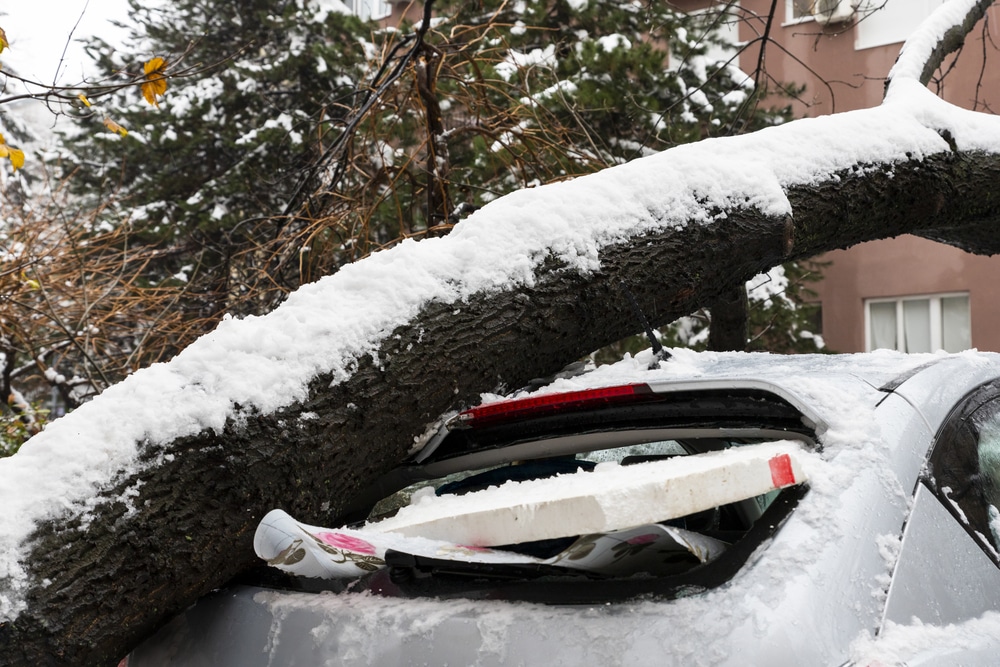
In recent years, Middletown and surrounding coastal towns have seen more frequent heavy snow events. Snow load is one of the most damaging forces fruit trees face, especially when branches are poorly structured or overextended.
Winter pruning helps reduce snow accumulation points by removing excessive lateral growth and correcting narrow branch angles. When snow falls, properly pruned trees shed weight more evenly, reducing the chance of splitting or collapse.
We regularly inspect fruit trees after storms and see a clear pattern. Trees pruned professionally in winter suffer far less damage than those left untouched. This is especially true in exposed areas near the coast.
Michael often references this when discussing preventative care. “Snow doesn’t break healthy structure. It breaks weak decisions made years earlier.”
Winter pruning also allows us to identify hidden defects such as internal decay, old storm wounds, or bark inclusions that are harder to see once leaves return. Addressing these issues before snow events reduces risk to homes, fences, and walkways.
How Winter Pruning Reduces Snow Related Failures
Proper winter pruning helps trees withstand snow by improving their mechanical structure.
Key protective benefits include:
Reduced surface area for snow accumulation
Stronger branch spacing and attachment angles
Removal of previously damaged or cracked limbs
Improved balance that prevents asymmetric loading
Early identification of structural weaknesses
Preventing snow damage is not about reacting after storms. It is about preparing trees months in advance.
That preparation also depends on understanding what not to do, which brings us to common mistakes homeowners make when pruning fruit trees themselves.
Common Winter Pruning Mistakes We See in Monmouth County
Many homeowners attempt winter pruning on their own, often with good intentions. Unfortunately, improper cuts can cause long term damage that outweighs any short term benefit.
One common mistake is over pruning. Removing too much wood in a single season can shock the tree and lead to excessive water sprout growth in spring. Another frequent issue is improper cut placement, which leaves stubs that invite decay.
In Middletown neighborhoods with older fruit trees, we often see topping cuts made years earlier. These cuts create weak regrowth and structural instability that becomes harder to correct over time.
Michael is direct about this. “Pruning is permanent. Every cut changes how a tree grows. That’s why experience matters.”
Another mistake is ignoring species specific needs. Apple, peach, and pear trees all respond differently to pruning. Applying the same approach across species often leads to poor outcomes.
Mistakes That Can Set Fruit Trees Back Years
Avoiding these issues requires knowledge and restraint.
The most damaging mistakes include:
Cutting too much in a single season
Leaving stubs or making flush cuts
Topping instead of selective pruning
Ignoring species specific growth habits
Pruning without considering future structure
Correcting these errors later is possible, but it often takes multiple seasons and careful restoration work.
That is why professional guidance matters, especially when trees have value beyond aesthetics.
Scheduling Winter Fruit Tree Pruning With Hufnagel Tree Service
Winter is short, and the window for optimal fruit tree pruning closes quickly once temperatures rise. In Middletown, Long Branch, and West Long Branch, we schedule winter pruning with precision to ensure trees are ready before spring growth begins.
As certified arborists, we approach fruit tree pruning with a long term mindset. Every cut is made with the next five to ten years in mind, not just the coming season.
Michael sums it up best. “Good pruning is quiet work. You don’t notice it right away, but you feel the difference year after year.”
If you have fruit trees that have not been professionally pruned, or if you are unsure whether winter pruning is right for your property, now is the time to schedule an evaluation. Contact Hufnagel Tree Service to arrange a winter pruning consultation and prepare your trees for a healthier, more productive growing season.
Call (732) 291-4444 to schedule winter service. We are here to protect your trees and your home with reliable expert care.
Schedule Service Now!
From precision pruning and safe removals to health assessments and preventative care, Hufnagel Tree Service delivers expert solutions backed by decades of experience. We offer certified insight, fair pricing, and a commitment to doing what’s best for your landscape.
Learn More About Our Services
Related Articles
Keep Trick-or-Treaters Safe: A Halloween Tree Safety Guide
Winter 2026: Preparing Trees for Heavy Snow in Monmouth County
Oceanport Tree Experts: For Safe, Healthy & Beautiful Trees