Tree Service Safety NJ: Protecting Every Property

Tree service safety is about more than protecting the crew. Hufnagel Tree Service plans every pruning, trimming, removal, and heavy equipment job to protect people, homes, lawns, driveways, utilities, fences, and every valuable part of the property.
Share This Article

Contents

Tree Service Safety Begins Before the First Cut

Tree service safety is not just about hard hats and chainsaws. It is about protecting people, homes, lawns, driveways, fences, patios, vehicles, utilities, and the crew from the moment the job is evaluated. Every tree has weight, tension, lean, defects, targets, and site limitations. Ignoring any of those details can turn a simple job into a dangerous one.

Hufnagel Tree Service approaches trimming and removal work with planning first. Before a branch is cut, we look at where it will move, what it could strike, how it can be controlled, where equipment can be placed, and how the crew will communicate. The safest job is the one where the crew is not improvising under pressure.

This matters for routine pruning as much as full removals. A dead limb over a driveway, a heavy oak leader over a roof, or an ornamental tree near a fence all require different safety decisions. Property protection starts with understanding the tree and the site together.

“The safest tree job is the one where every cut is planned before the saw starts,” says Michael Hufnagel, Certified Arborist and owner of Hufnagel Tree Service. “Our crew is there to solve the problem, not create a new one on the way down.”

That is why on the job safety is one of the most important categories in professional tree care. A good tree company should leave the customer with a safer property, not ruts in the lawn, broken fences, damaged gutters, or a mess that feels like a second project.

Risk Assessment Guides Every Trimming and Removal Job

Tree Risk Evaluation

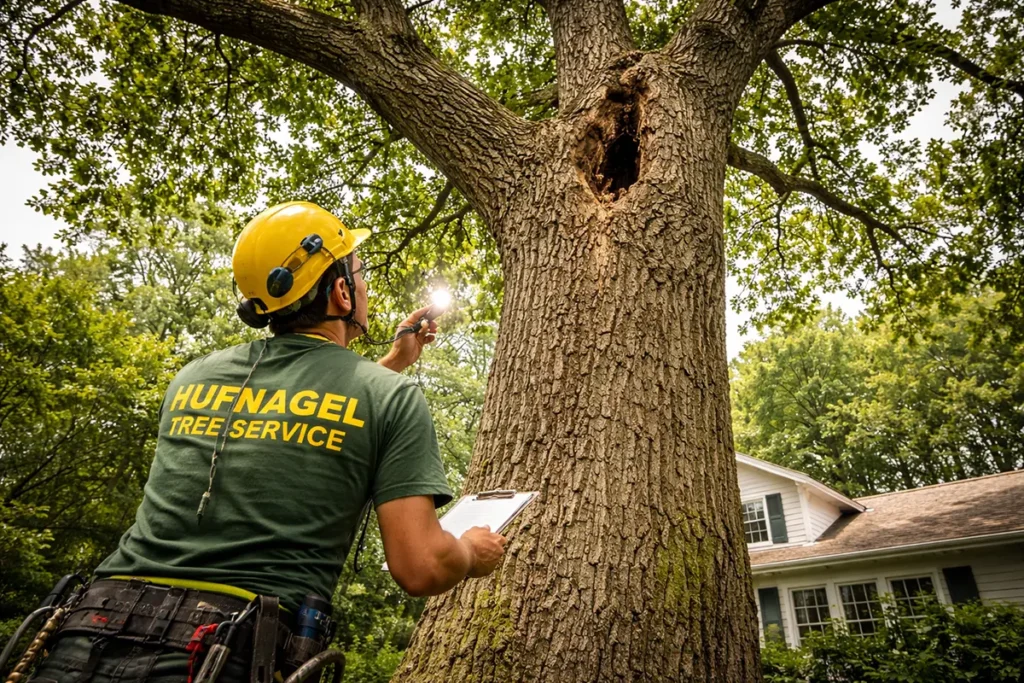
A safe tree job starts with risk assessment. We look at lean, canopy weight, decay, cracks, deadwood, included bark, root condition, access, drop zones, weather, and nearby targets. The question is not only what needs to be cut. The question is how each cut will behave once it is released.

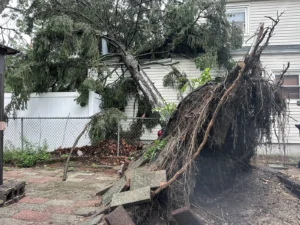
Branches can twist, swing, barber chair, split, or fall differently than expected when tension is misread. Dead limbs can break apart in the air. Hollow trunks can react unpredictably. Trees under storm stress may have hidden pressure in the wood. These are not details for guesswork.

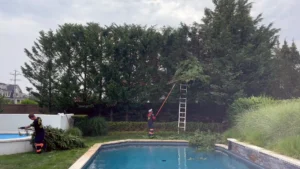
The site matters as much as the tree. A limb over a lawn is different from a limb over a slate walkway, pool, roof, fence, greenhouse, parked car, or service line. The same branch can require a different approach depending on what sits below it.

Weather also affects safety. Wind can move limbs while cuts are being made. Rain can soften soil and reduce equipment stability. Heat and fatigue can affect crew performance. Professional crews adjust the plan to the conditions rather than forcing a job through unsafe circumstances.

For homeowners, this means the estimate should include more than a price. It should include confidence that the company understands the risks, has the right equipment, and knows how to protect the property while completing the work.

A proper risk assessment gives the crew a clear safety plan before work begins.

  • Tree lean and canopy weight determine how cuts will react.
  • Nearby targets change the rigging and lowering strategy.
  • Weather and soil conditions can affect equipment and crew safety.
  • Hidden defects must be identified before heavy limbs are released.

Risk assessment is the foundation of safe tree work because it turns a dangerous unknown into a controlled plan. Once the risk is understood, the crew can choose the right protection methods for the property below.

Protecting Homes, Lawns, Driveways, and Landscaping

hufnagel tree blog 2025 2

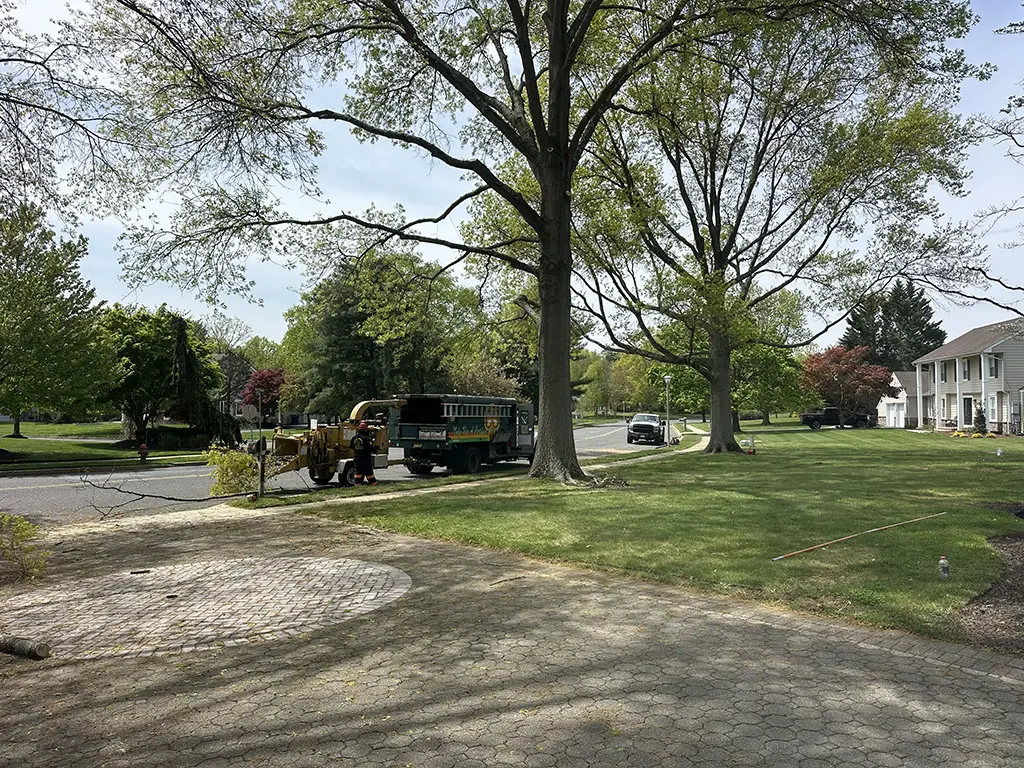
Property protection is one of the clearest signs of a professional tree service. Removing a limb safely does not help much if the lawn is destroyed, the driveway is cracked, the fence is damaged, or the landscape beds are crushed. The job should solve the tree problem without creating new property damage.

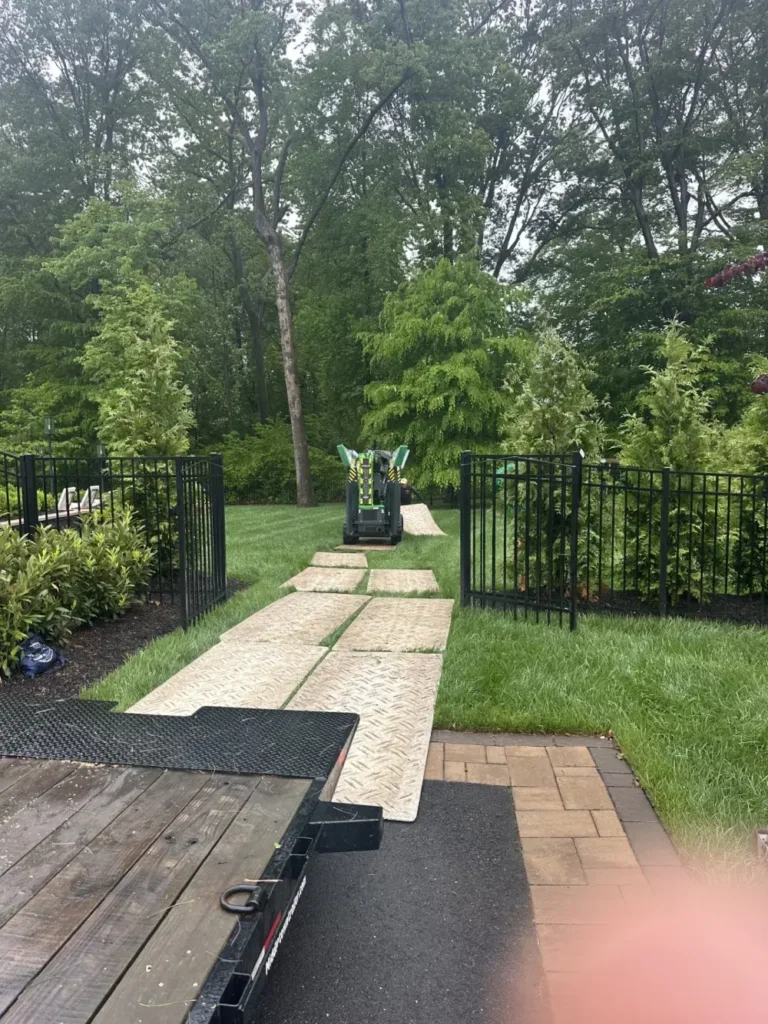
We use controlled lowering, staging areas, careful equipment placement, and ground protection when needed. On some jobs, a limb can be cut and guided by hand. On others, rope systems, blocks, lowering devices, bucket trucks, or cranes may be necessary. The right method depends on weight, access, and what needs to be protected.

Lawns and soft ground require special attention, especially after rain. Heavy equipment can leave ruts if the site is not evaluated properly. Driveways, pavers, irrigation heads, drainage systems, garden beds, and underground utilities all need to be considered before the job begins.

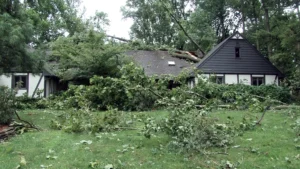
Homes need protection from both direct and indirect damage. A branch does not have to hit the roof to cause a problem. It can scrape siding, pull gutters, break screens, damage trim, or knock loose exterior fixtures. Controlled work reduces those risks.

Clean work also matters. Brush, sawdust, logs, and debris should be managed throughout the job. A safe jobsite is organized, not chaotic. That organization protects the crew and reassures the homeowner that the work is under control.

The best tree crews protect the whole property, not just the spot where the tree stands.

  • Controlled lowering prevents limbs from striking valuable targets.
  • Ground protection helps reduce lawn and soil damage.
  • Equipment placement should account for driveways, pavers, and utilities.
  • Cleanup and staging keep the jobsite safer from start to finish.

Protecting the property is part of protecting the customer. When the job requires larger equipment, the need for planning, communication, and operator experience becomes even more important.

Heavy Equipment Requires Skill and Communication

medium hufnagel 21

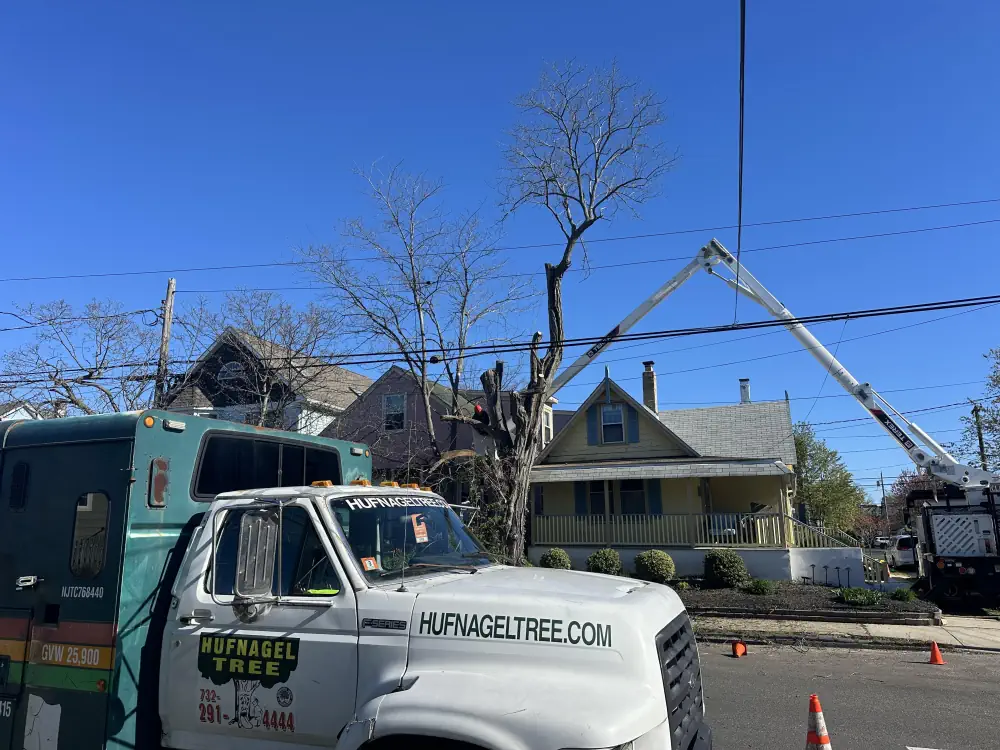
Bucket trucks, cranes, loaders, chippers, stump grinders, and other equipment make tree work safer when they are used correctly. They also create risk when they are used carelessly. Heavy equipment must be matched to the job, the access, the soil, the tree size, and the surrounding property.

A crane assisted removal, for example, requires weight judgment, rigging skill, operator communication, and clear landing zones. A bucket truck requires stable setup, overhead awareness, and careful positioning. A chipper requires strict crew discipline and debris control. None of this should be casual.

Communication is the key. Crew members need to know who is cutting, who is spotting, who is managing ropes, who is controlling traffic or pedestrians, and where each piece is going. Hand signals, verbal calls, and jobsite awareness prevent confusion when noise and movement increase.

Utilities are another major concern. Overhead wires, service drops, lighting, irrigation controls, gas meters, and underground lines all change the safety plan. Homeowners may not know every hidden issue on the property, so the crew has to remain alert throughout the job.

Experience shows in the pace of the work. A safe crew does not rush because a cut looks easy. They confirm the setup, control the piece, move debris in an organized way, and reset before the next cut. That discipline is what keeps heavy equipment from becoming a hazard itself.

Equipment improves safety only when the crew knows how to control it.

  • Cranes and bucket trucks require proper setup and experienced operators.
  • Spotters help protect structures, utilities, and crew members.
  • Clear communication prevents confusion during noisy, active work.
  • Equipment should be chosen for the property, not forced onto the property.

Heavy equipment can make difficult tree jobs safer and cleaner, but only with the right planning and crew discipline. The human side of safety, including training, focus, and respect for the homeowner’s property, is what holds the whole job together.
The Human Side of Safe Tree Work

medium hufnagel 156

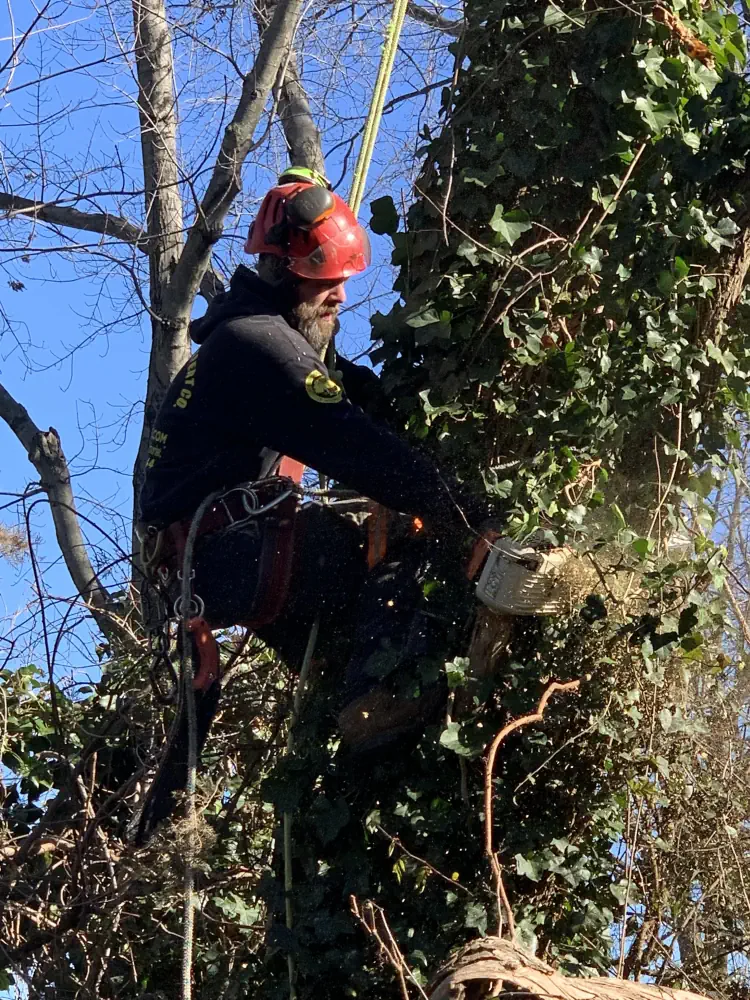
Tree work is physical, technical, and high consequence. The human side of safety includes judgment, patience, communication, experience, and respect. A crew has to watch the tree, the equipment, the weather, the ground, each other, and the property at the same time.

Personal protective equipment is important, but it is not the whole story. Helmets, eye protection, hearing protection, chainsaw protection, climbing gear, and proper footwear all help, but safety also depends on whether the crew knows when to stop, reassess, and change the plan.

Homeowners and neighbors are part of the safety picture too. Work zones should be clear. Children, pets, vehicles, and pedestrians should be kept away from active cutting and equipment movement. A professional crew should communicate what areas need to stay open and what areas need to remain closed until the work is complete.

Rushed work is one of the biggest warning signs. Tree jobs should move steadily, not recklessly. If a company is focused only on speed or price, property protection and safety often suffer. The lowest quote is not a bargain if it comes with avoidable damage or risk.

Hufnagel Tree Service treats safety as part of the service, not a separate promise. For safe pruning, careful removals, risk evaluations, and property conscious tree work across Monmouth County, call 732-291-4444 and work with a crew that plans the job before making the cut.

Safe tree work depends on people who know when to cut, when to wait, and when to rethink the plan.

  • Crew focus and communication reduce preventable mistakes.
  • Work zones protect homeowners, neighbors, children, and pets.
  • Professional pace is steady and controlled, not rushed.
  • A safety first company protects people and property together.

On the job safety is the difference between tree work that simply gets done and tree work that gets done correctly. Hufnagel Tree Service brings certified arborist guidance, experienced crew planning, and property protection to every trimming, removal, and heavy equipment job.

A Quick Homeowner Safety Checklist Before Tree Work Begins

IMG 0965

Homeowners can help make a tree job safer before the crew even arrives. Move vehicles away from the work area, unlock gates, keep pets indoors, clear children’s toys and outdoor furniture, and point out irrigation heads, septic areas, lighting, drainage features, or anything fragile that may not be obvious. These small steps help the crew protect the property more effectively.

It also helps to discuss concerns before work starts. If a fence panel is delicate, a driveway has weak pavers, a garden bed is important, or a neighbor’s property is close to the work zone, say so early. A professional crew will want that information because good planning is what prevents avoidable damage.

A safer tree job starts with a clear work area and good communication.

  • Move cars, furniture, planters, and loose items away from the work zone.
  • Keep children, pets, and neighbors out of active cutting areas.
  • Point out irrigation, lighting, septic, drainage, and fragile landscape features.
  • Raise property concerns before the crew begins cutting or moving equipment.

Professional tree safety is a shared process, but the responsibility belongs to the crew leading the work. Hufnagel Tree Service plans each job to protect the people, structures, grounds, and assets that matter to the homeowner. Our safety process comes from more than 25 years of Monmouth County tree work and a reputation supported by more than 200 five star Google reviews.

Schedule Service Now!

From precision pruning and safe removals to health assessments and preventative care, Hufnagel Tree Service delivers expert solutions backed by decades of experience. We offer certified insight, fair pricing, and a commitment to doing what’s best for your landscape.

Where Do You Need Service?
Please Enter Your Contact Information
Are You A New or Existing Customer?
How Can We Help You?

We Could Not Find A Direct Link To A Tree Removal Permit Application For The Town You Selected.

Please contact your local municipality to determine if a permit is required for your tree removal project. They will provide you with the most accurate and up-to-date information.