
Contents
Tree Service Across the Raritan Bay Corridor: What Coastal Properties Demand From Their Trees
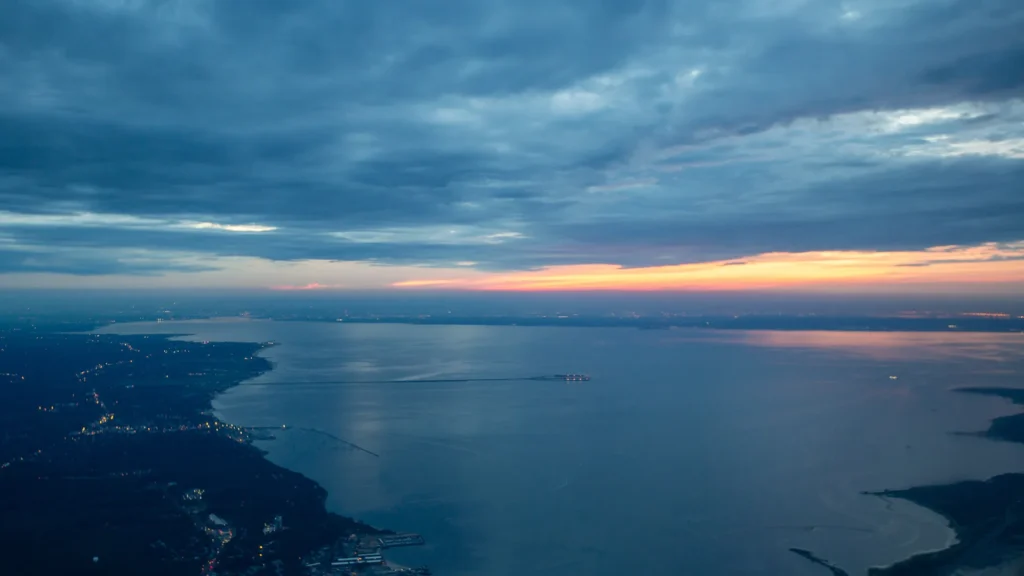
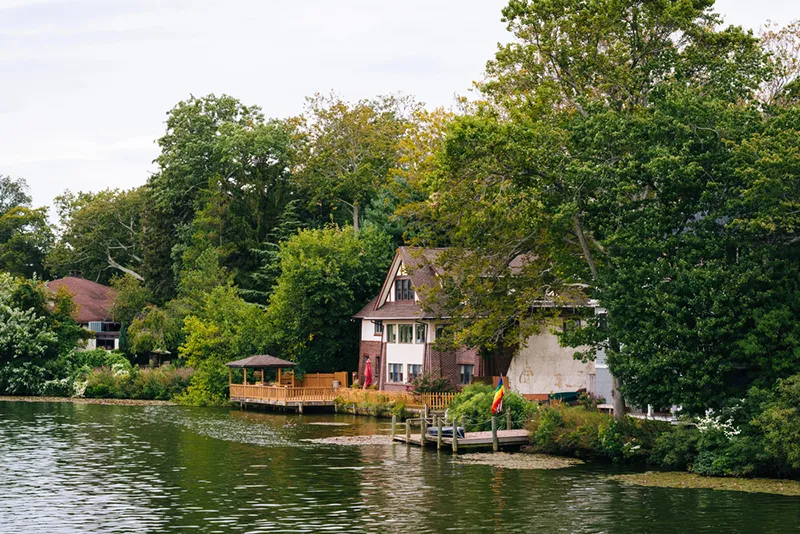
The Raritan Bay corridor stretches across a unique band of Monmouth County towns that all share one defining factor, direct exposure to coastal conditions. From Keyport and Union Beach along the waterfront, through Keansburg and Hazlet, and extending into Aberdeen and Middletown, properties here deal with wind, salt, fluctuating moisture, and compacted soils in ways inland areas simply do not.
Along the western edge of the bay, communities like South Amboy and Perth Amboy sit right on the water where salt air and heavy winds are constant factors. Here, we commonly see London plane trees, red maples, and pin oaks lining streets and older neighborhoods. These trees struggle with salt spray and compacted urban soils, so regular canopy thinning, soil aeration, and deep root fertilization are critical to maintain structure and nutrient uptake.
Moving inland through Sayreville and Parlin, the landscape shifts slightly with more residential development and mixed soil conditions. Norway maples, sweetgum, and ash trees are common, though many ash have declined due to pests. In these areas, we focus on structural pruning early in a tree’s life and monitoring for disease, especially in properties with disturbed soil or past construction, where root systems are often compromised.
In Old Bridge and Cliffwood Beach, coastal exposure intensifies again, especially in neighborhoods closer to the shoreline. Eastern red cedar, pitch pine, and black cherry are frequently found here because they tolerate sandy soils and salt conditions better than many hardwoods. These trees benefit from selective pruning to reduce wind resistance and proactive inspections, since coastal storms can expose hidden structural weaknesses quickly.
Hazlet, Keansburg, and Union Beach present a mix of bayfront exposure and inland buffering, which creates inconsistent stress patterns across properties. We often see tulip poplar, silver maple, and ornamental species like flowering pear. These trees grow quickly but tend to develop weak branch unions, so corrective pruning and weight reduction are essential to prevent storm damage, especially during late summer and hurricane season.
Further east toward Keyport and Matawan, mature neighborhoods feature a combination of legacy shade trees and newer plantings. Oaks, beech, and dogwood are common, but many are dealing with long term soil compaction and competition from surrounding development. In these areas, ongoing maintenance like root zone care, mulch management, and periodic health evaluations makes a significant difference in extending tree lifespan and preventing avoidable removals.
We have spent over 25 years working in these exact environments. We understand how red maples behave along the bay compared to inland neighborhoods, how pin oaks respond to salt exposure, and why ornamental species struggle when planted too close to open water. Every property has its own conditions, but across the Raritan Bay area there are consistent patterns that determine whether trees thrive or slowly decline.
“Trees along the bay are constantly adapting to stress,” says Michael Hufnagel. “If you know how to read that stress early, you can prevent most of the problems homeowners eventually call us about.”
This article breaks down what property owners in the Raritan Bay corridor need to understand about tree care, risk, and long-term management.
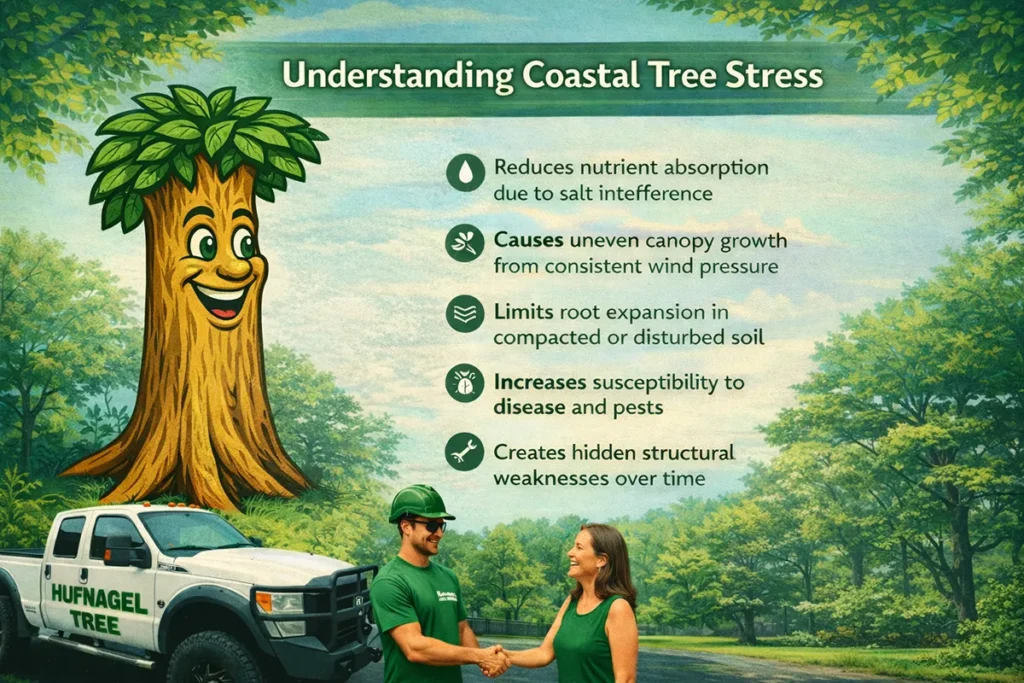
Understanding Coastal Tree Stress and Why It Changes Everything
Trees growing near the Raritan Bay face a combination of environmental pressures that alter how they develop structurally and biologically. Salt carried through the air settles on leaves and soil, wind constantly reshapes canopy growth, and soil conditions tend to be more compacted and less nutrient-rich than inland environments.
Salt exposure is one of the most underestimated factors. It does not just burn leaves in winter. It changes how roots absorb water and nutrients over time. This creates a slow decline that often goes unnoticed until the canopy begins thinning or branches start failing.
Wind exposure also plays a major role. Trees along the bay rarely grow in perfectly balanced forms. They lean, stretch, and compensate for prevailing wind patterns. That means their structure is often more complex and sometimes more vulnerable.
Soil conditions in areas like Union Beach and Keansburg can vary from sandy to compacted fill, especially in neighborhoods that have seen redevelopment or storm recovery work. This affects root stability and water retention.
We often see trees that look healthy on the surface but are under stress below ground. That disconnect is where most long-term problems begin.
What coastal stress does to trees in the Raritan Bay area:
- Reduces nutrient absorption due to salt interference
- Causes uneven canopy growth from consistent wind pressure
- Limits root expansion in compacted or disturbed soil
- Increases susceptibility to disease and pests
- Creates hidden structural weaknesses over time
Tree Trimming and Structural Pruning for Coastal Stability
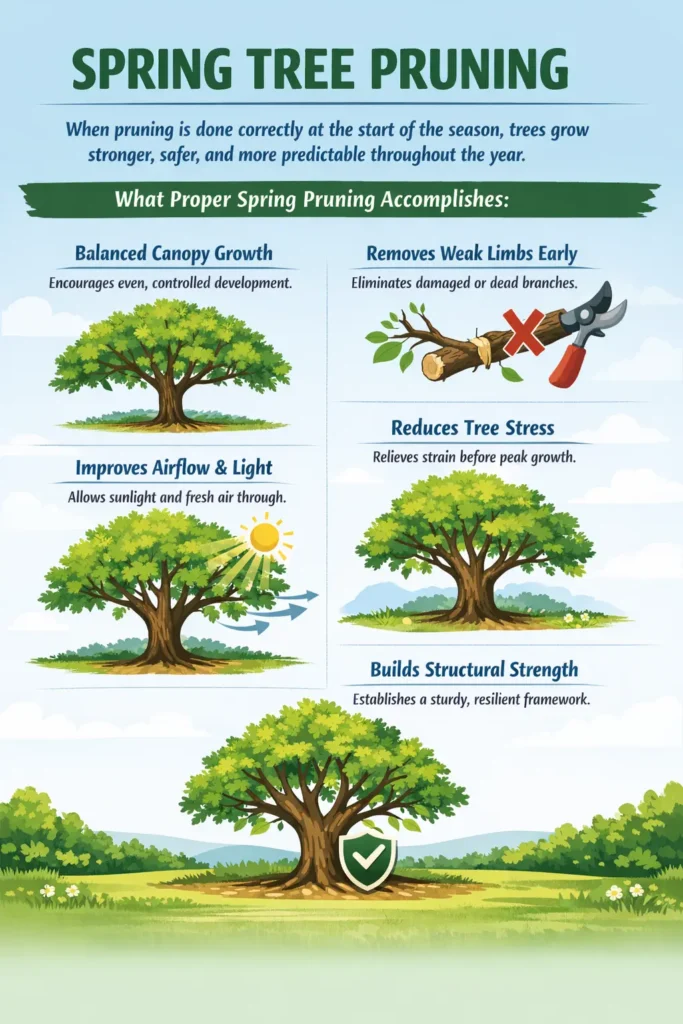
Pruning in the Raritan Bay corridor is not just about appearance. It is about controlling how a tree responds to wind, weight distribution, and ongoing environmental stress. Every cut influences how the tree grows moving forward.
We focus heavily on structural pruning. That means identifying dominant leaders, reducing competing limbs, and creating a balanced canopy that can handle wind exposure without overloading one side of the tree.
In towns like Hazlet and Aberdeen, where properties may be slightly inland but still affected by bay winds, we often see trees that have developed multiple weak leaders. These are prime candidates for corrective pruning before they become hazards.
Timing also matters. Pruning too late into the growing season can stimulate growth that is not prepared for late summer storms. Early season work allows the tree to respond in a controlled way.
Ornamental trees such as flowering cherries and crepe myrtles require a different approach. These species are often planted for aesthetics but can become structurally weak if not maintained properly.
“Pruning is where you guide the future of the tree,” says Michael Hufnagel. “If you get it right early, you avoid problems for decades.”
What proper structural pruning achieves:
- Balances canopy weight to reduce wind resistance
- Removes weak or competing branches early
- Improves airflow and light penetration
- Strengthens long-term branch structure
- Reduces likelihood of storm-related failures
When pruning is done correctly, trees become more predictable and stable. That stability is critical in a coastal environment, and it sets the foundation for identifying and managing risk before it turns into property damage.
Tree Risk Assessment and Liability in Coastal Communities
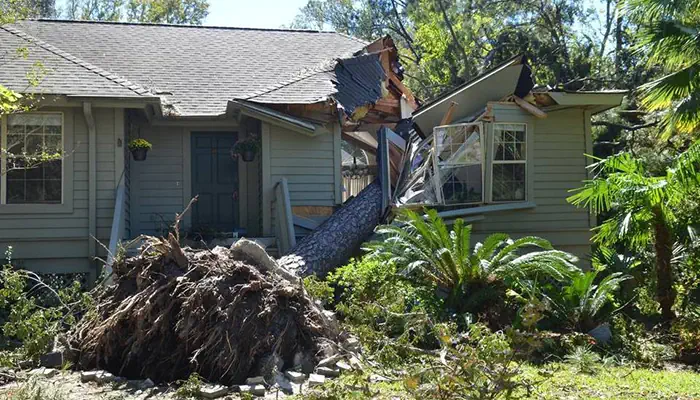
Tree risk is not always obvious. In many cases, the most dangerous trees are the ones that appear stable but have underlying structural or root issues. This is especially true in coastal areas where environmental stress accumulates over time.
In communities like Middletown and Keyport, where properties often have mature trees close to homes, driveways, and neighboring structures, understanding risk is essential. Liability becomes a real concern when trees are not properly evaluated.
We look at several factors during a risk assessment. Root stability, trunk integrity, canopy balance, and signs of decay all play a role. We also consider external factors like soil saturation and exposure to prevailing winds.
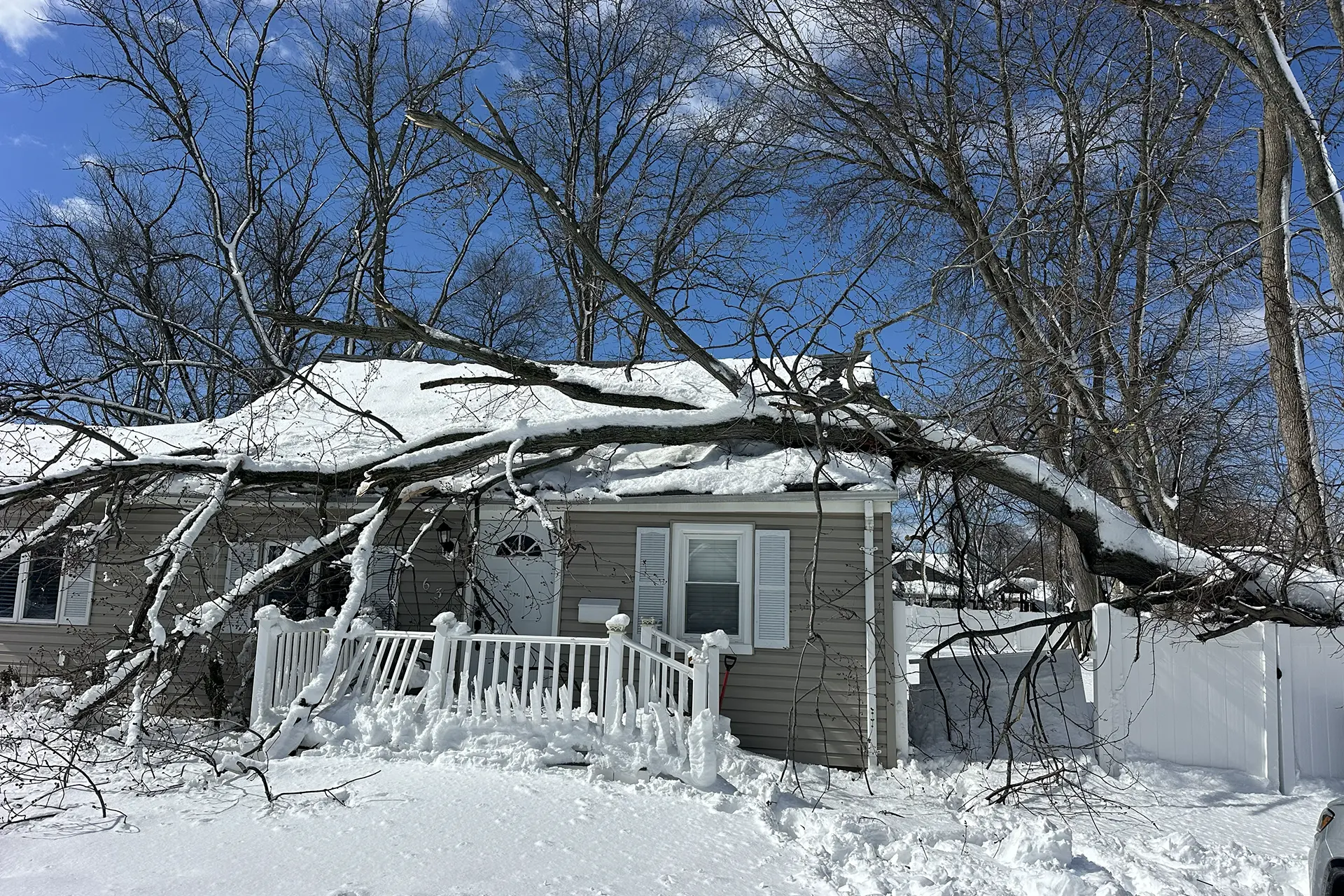
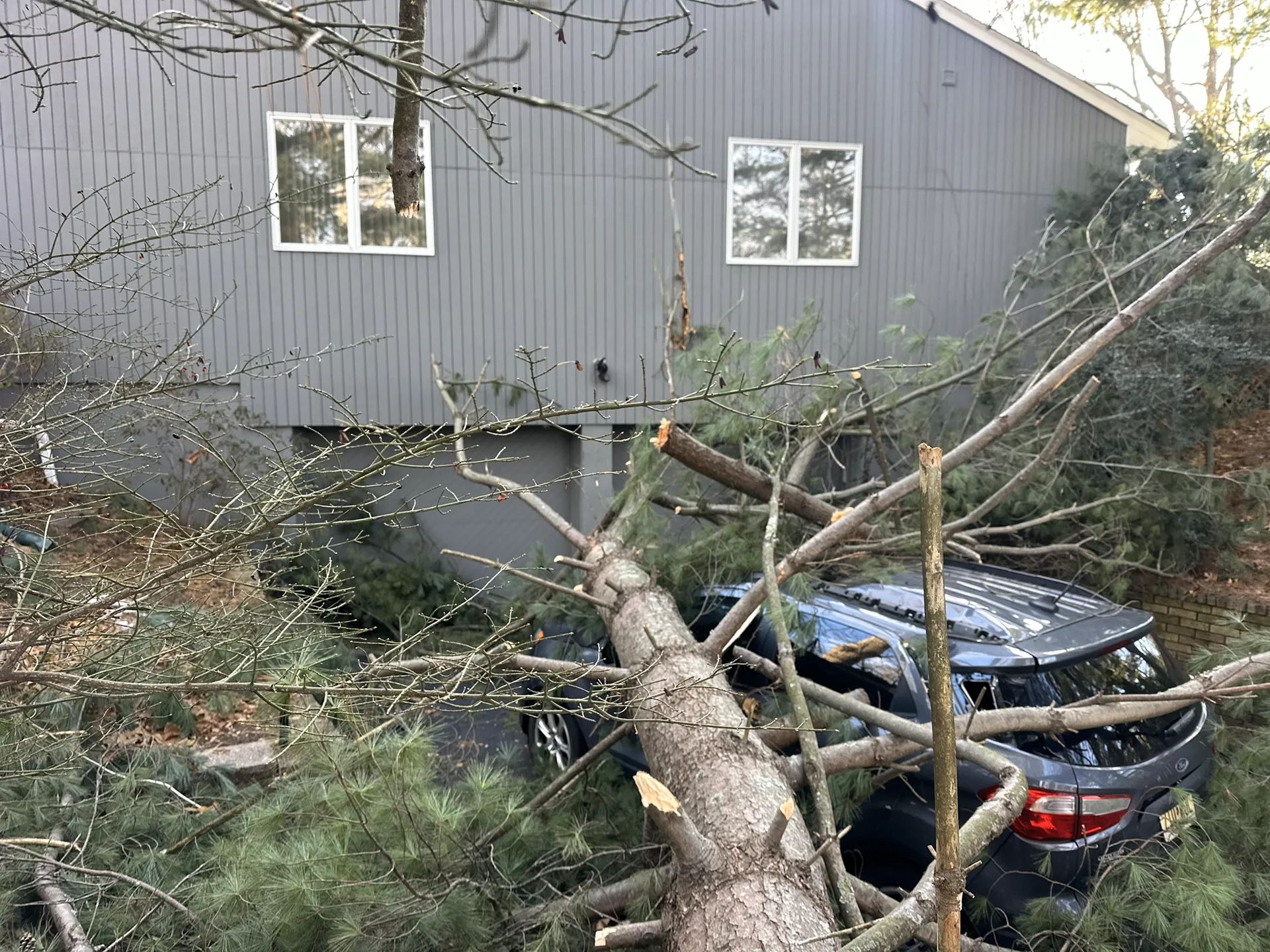
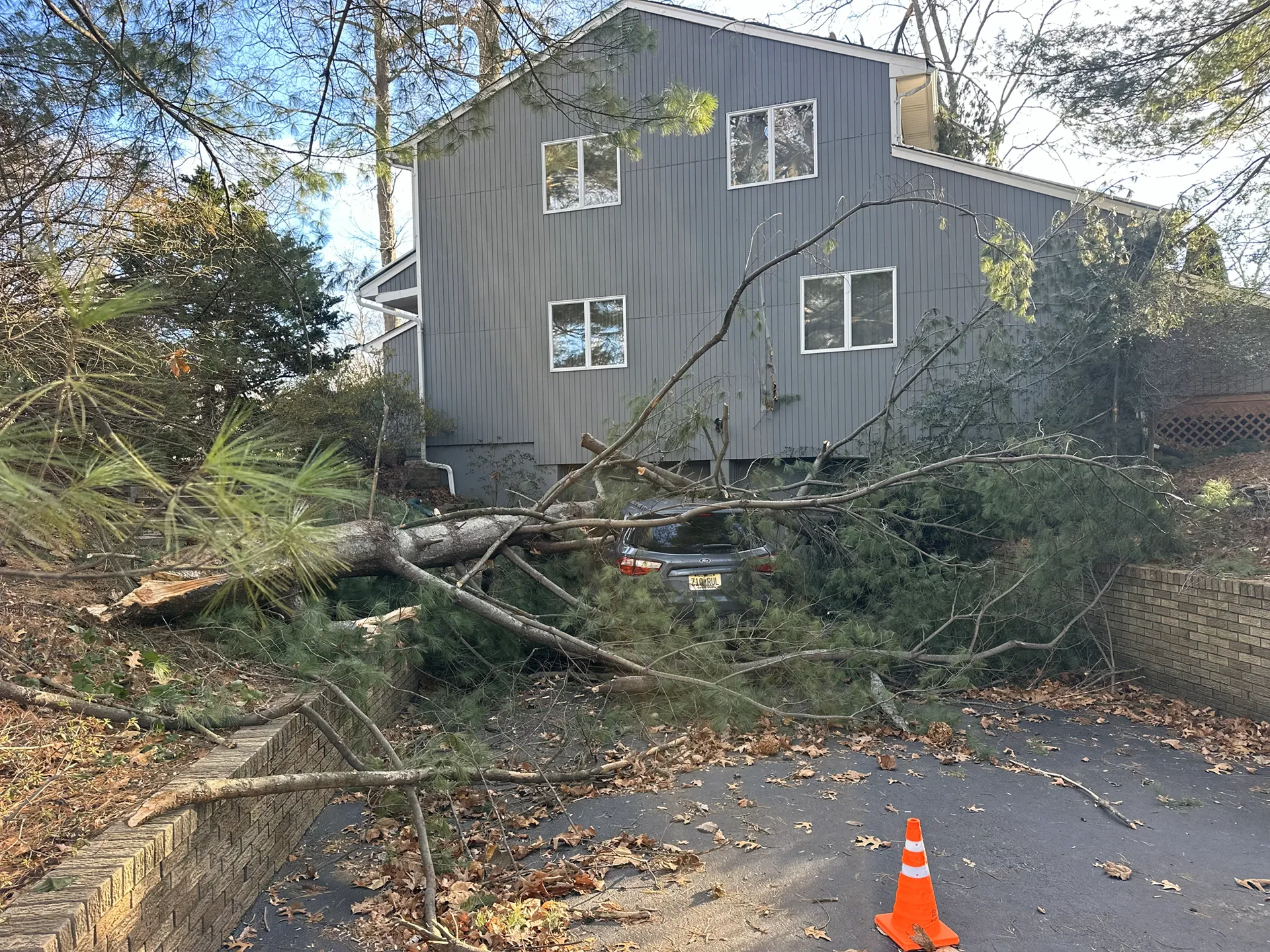
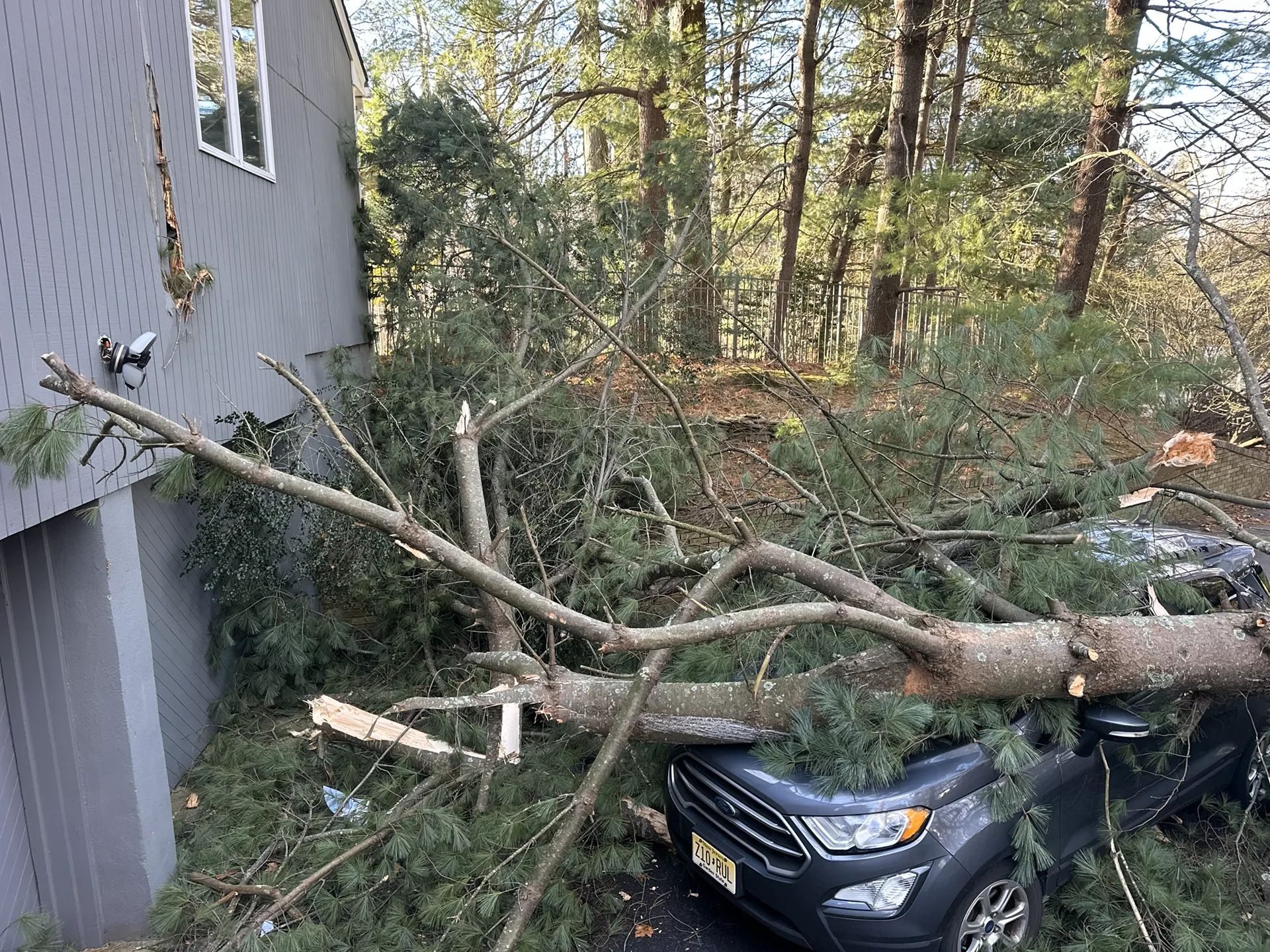
Storm history matters as well. Trees that have already endured multiple major storms may have hidden weaknesses that are not visible during a casual inspection.
Insurance companies increasingly expect homeowners to take reasonable steps in maintaining trees. Neglecting obvious risks can create complications in the event of damage.
Key indicators of elevated tree risk:
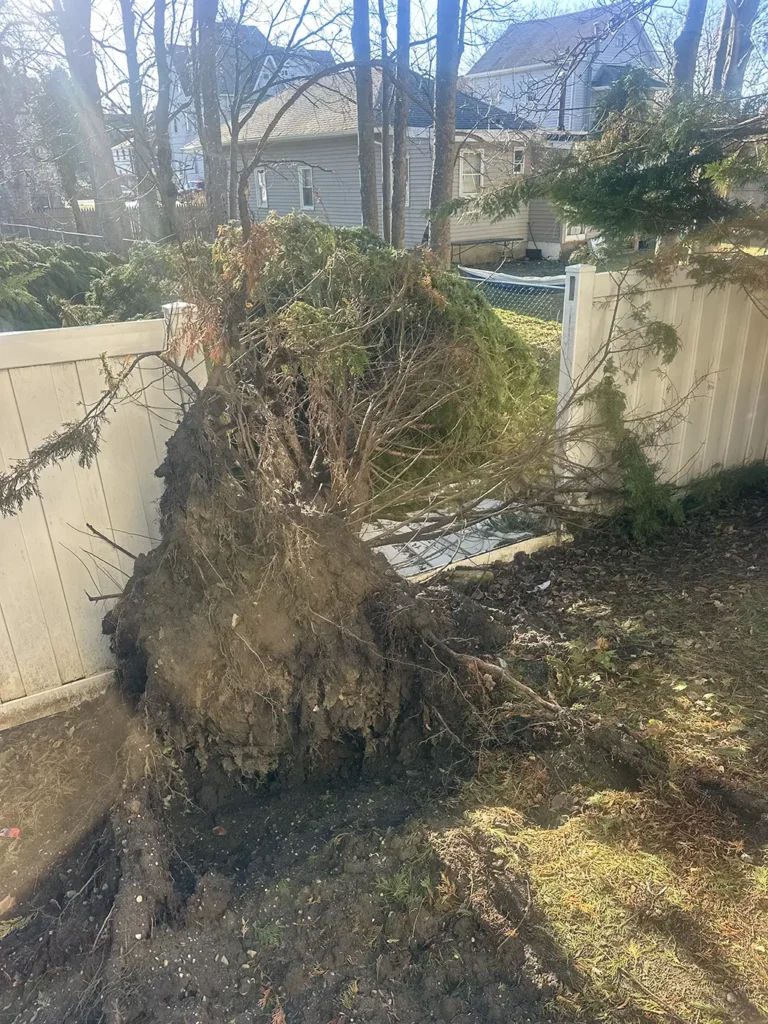
- Leaning trees with shifting root plates
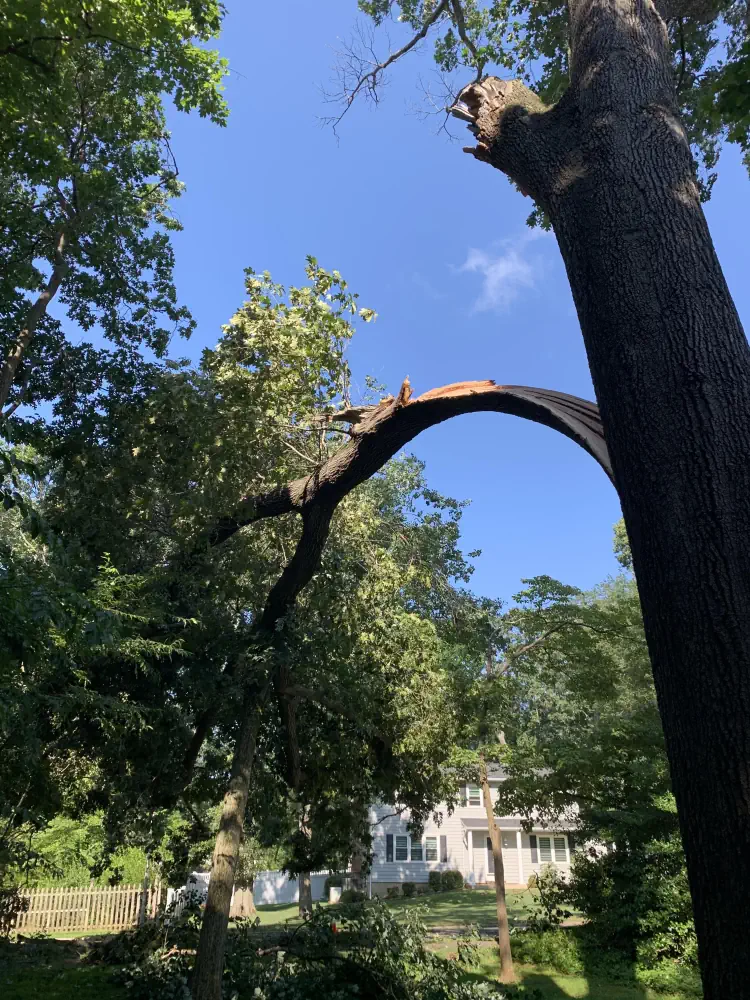
- Cracks or splits in the trunk or major limbs
- Dead or hanging branches within the canopy
- Fungal growth indicating internal decay
- Soil heaving or exposed roots after storms
Addressing risk is not about removing every tree. It is about making informed decisions based on structure and condition. Once risk is understood, the next step is preparing trees to handle storms more effectively.
Estimate the Age of Your Trees in the Raritan Bay Area
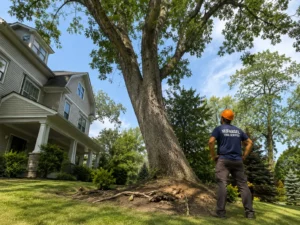
Many homeowners ask us how old their trees really are, especially when they start showing signs of decline or structural stress. Along the Raritan Bay corridor, tree age plays a major role in how a tree responds to coastal conditions like salt exposure, wind pressure, and compacted soil. Older trees often have more extensive canopies and heavier limbs, which can increase risk if the structure has not been properly maintained over time.
While age alone does not determine a tree’s health, it gives important context. A mature oak in Middletown may still be thriving after decades, while a similar tree in Union Beach could show stress earlier due to harsher coastal exposure. Understanding age helps guide decisions around pruning, risk mitigation, and long term care planning.
We always evaluate trees in person, but if you are curious about the approximate age of a tree on your property, you can use the tool below to get a general estimate based on trunk size and species. It is a useful starting point before scheduling a professional assessment.
Storm Preparation and Wind Resistance in the Raritan Bay Area
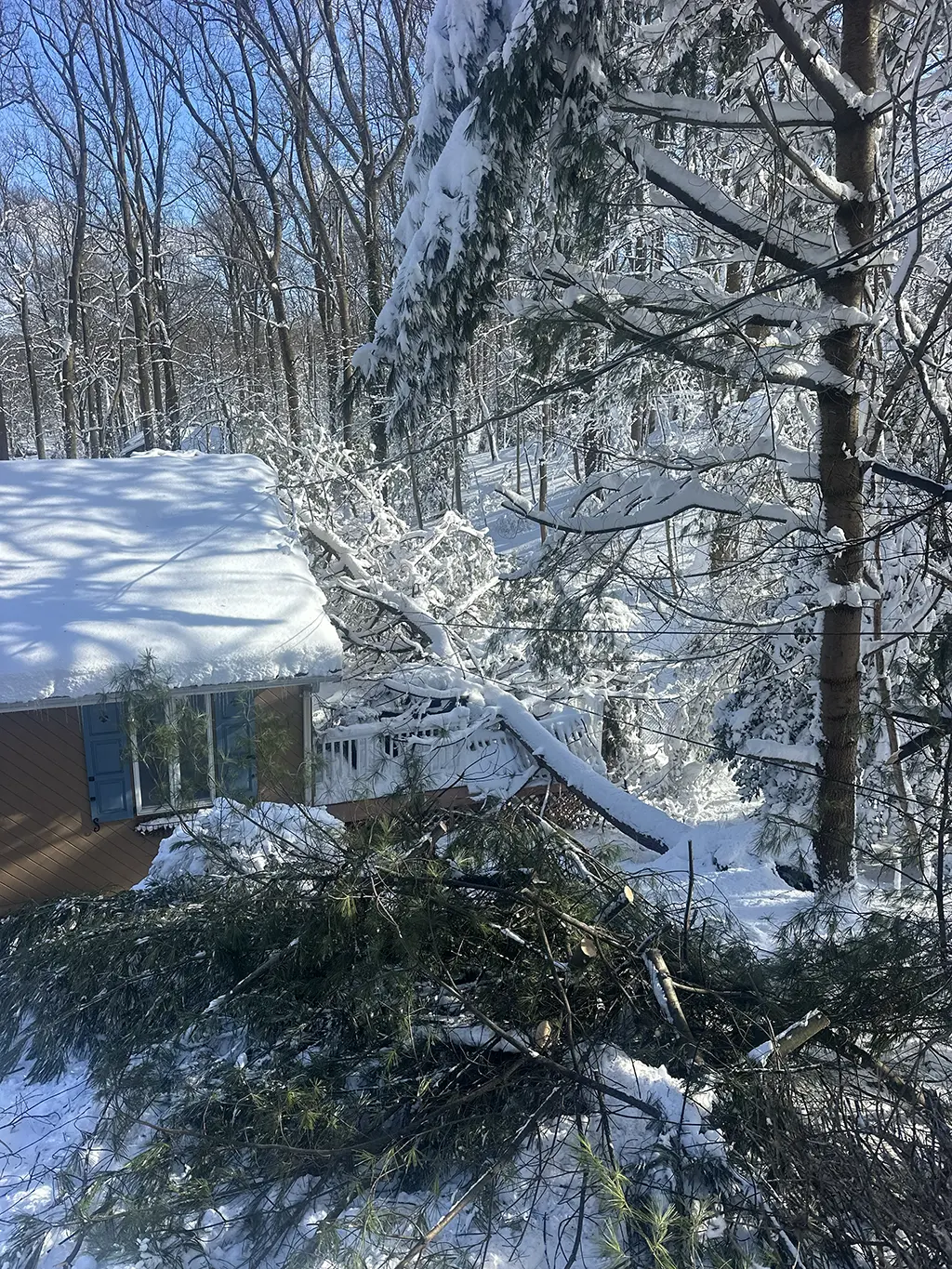
Storms along the Raritan Bay are not hypothetical. High winds, heavy rain, and occasional coastal storms are part of the reality for these towns. Preparing trees ahead of time is one of the most effective ways to prevent damage.
Storm preparation focuses on reducing failure points. That includes removing deadwood, thinning overly dense canopies, and addressing structural weaknesses before they are exposed to extreme conditions.
Trees that are too dense act like sails in high winds. Thinning allows wind to pass through more easily, reducing stress on the trunk and root system.
We also look at branch attachment angles. Narrow angles are more likely to split under pressure, especially when combined with heavy foliage or wet conditions.
In waterfront areas like Union Beach and Keansburg, wind exposure is even more intense. Trees in these locations must be managed with that constant pressure in mind.
“Storm damage is usually predictable,” says Michael Hufnagel. “You can often point to the exact weakness that caused the failure after the fact. Our goal is to find that weakness before the storm does.”
Storm preparation steps that make a measurable difference:
- Removing dead or compromised branches
- Thinning dense canopy areas
- Correcting structural imbalances
- Reducing end weight on long limbs
- Monitoring root stability in saturated soils
Storm preparation is not a one-time service. It is part of an ongoing approach to tree care that adapts to changing conditions and seasonal growth patterns.
Long Term Tree Health and Property Value in Coastal NJ
Healthy trees are one of the most valuable assets on a property, especially in coastal towns where landscaping plays a major role in curb appeal and property value. But maintaining that value requires consistent attention.
Long-term tree health depends on more than pruning. Soil conditions, root health, and environmental stress all need to be managed over time. In areas like Aberdeen and Middletown, where properties may have a mix of native and planted species, this becomes even more important.
We often recommend periodic evaluations rather than waiting for visible problems. Early intervention is always less costly and less disruptive than reactive work.
Fertilization, soil conditioning, and targeted pruning all play a role in maintaining tree health. Each property requires a slightly different approach based on its specific conditions.
Mature trees, in particular, require careful management. These trees provide significant value but are also more vulnerable to stress and structural issues.
What supports long-term tree health in coastal environments:
- Regular inspections by a certified arborist
- Soil improvement to support root systems
- Strategic pruning to maintain structure
- Monitoring for early signs of disease or decline
- Adjusting care based on seasonal conditions
When trees are properly maintained, they enhance property value, improve safety, and create a more stable landscape. That level of care does not happen by accident. It requires experience, consistency, and a deep understanding of local conditions.
Serving the Entire Raritan Bay Corridor With Certified Arborist Expertise
From Keyport’s waterfront streets to the residential neighborhoods of Hazlet, from Union Beach rebuilding stronger after storms to the larger properties in Middletown, the Raritan Bay corridor presents a unique set of challenges and opportunities for tree care.
We bring over 25 years of experience working in these exact conditions. As certified arborists, we understand how coastal environments shape tree growth, risk, and long-term health. With over 200 five star reviews and deep roots in Monmouth County, our approach is built on knowledge, precision, and consistency.

If you live anywhere along the Raritan Bay, this is not the place for guesswork when it comes to your trees. Every property has different exposure, soil, and structural factors that need to be evaluated correctly. Call us at 732-291-4444 to schedule a consultation specific to your property and your location.
Schedule Service Now!
From precision pruning and safe removals to health assessments and preventative care, Hufnagel Tree Service delivers expert solutions backed by decades of experience. We offer certified insight, fair pricing, and a commitment to doing what’s best for your landscape.
Learn More About Our Services
Related Articles
Snow Damage Prevention for Trees in Long Branch, NJ
Managing Leyland Cypress Trees in New Jersey Landscapes
Tree Maintenance and Risk Management in Oceanport, NJ