Contents
Why Pruning Is a Safety Issue, Not Just a Landscape Task
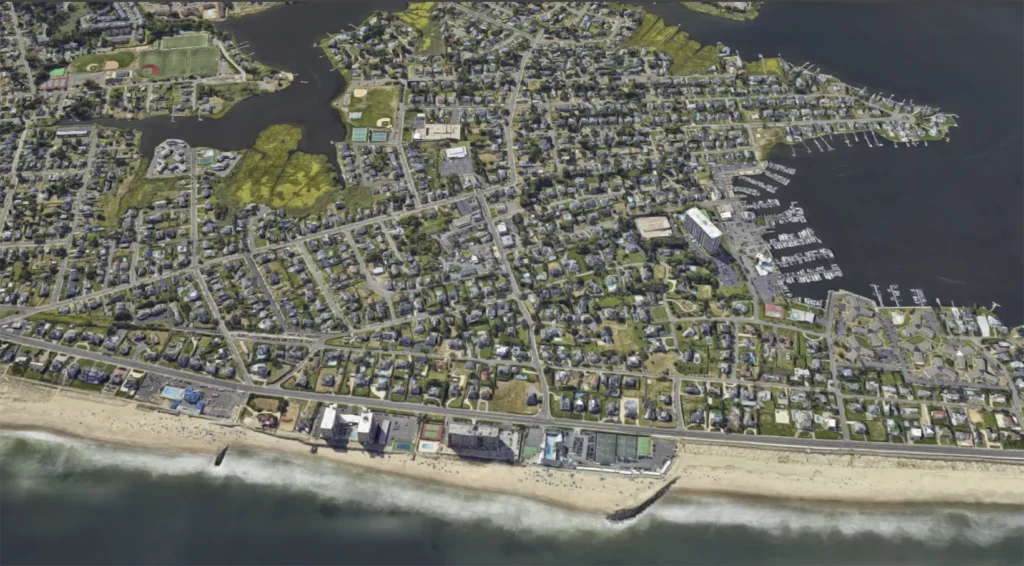
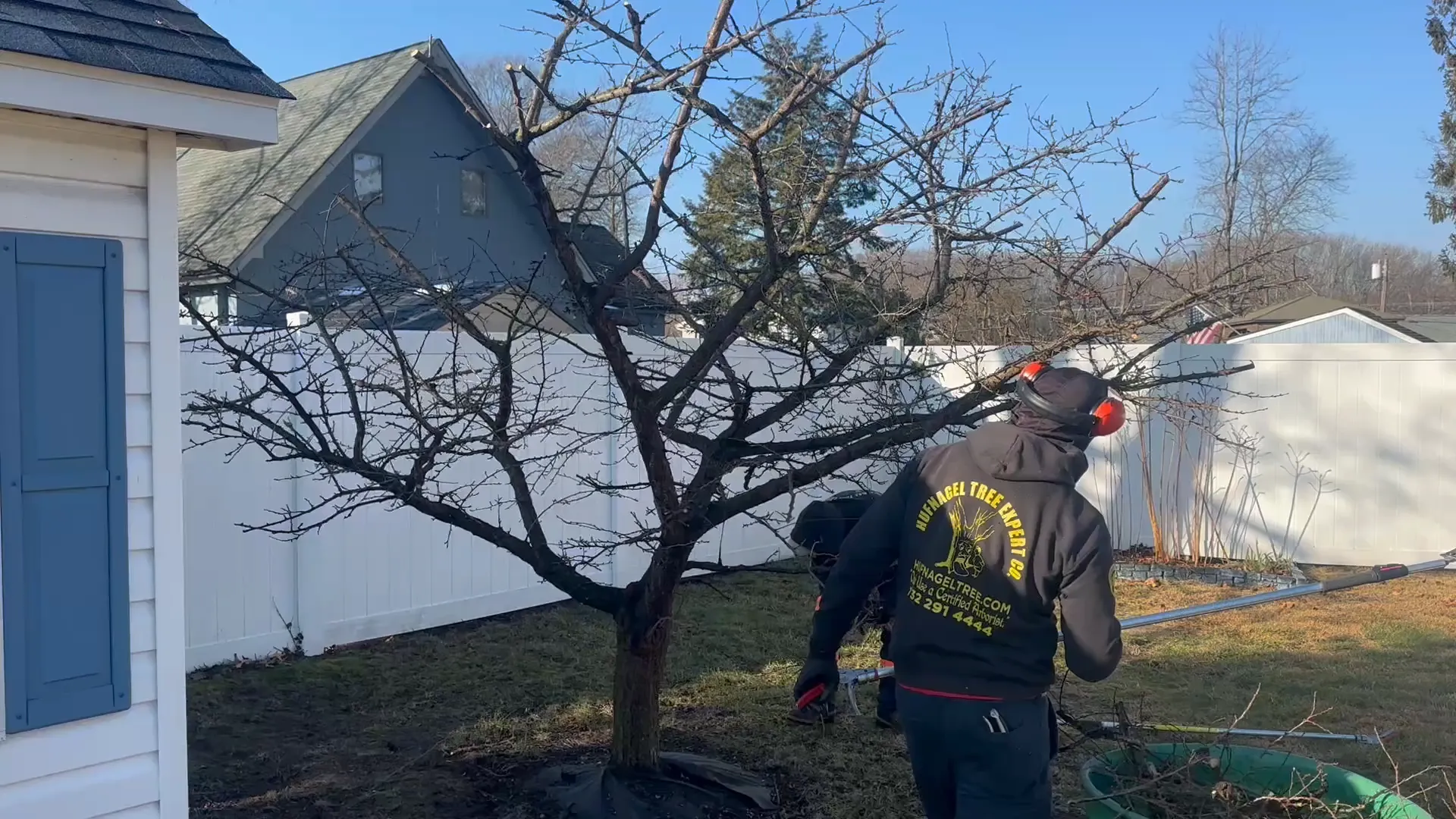
Tree pruning is often misunderstood as simple trimming, but from an arborist perspective it is structural management. The way limbs are spaced, how weight is distributed, and where branches attach all influence whether a tree will tolerate wind, snow, and summer storms without failure. In a coastal town like Monmouth Beach, those details matter more than most homeowners realize.
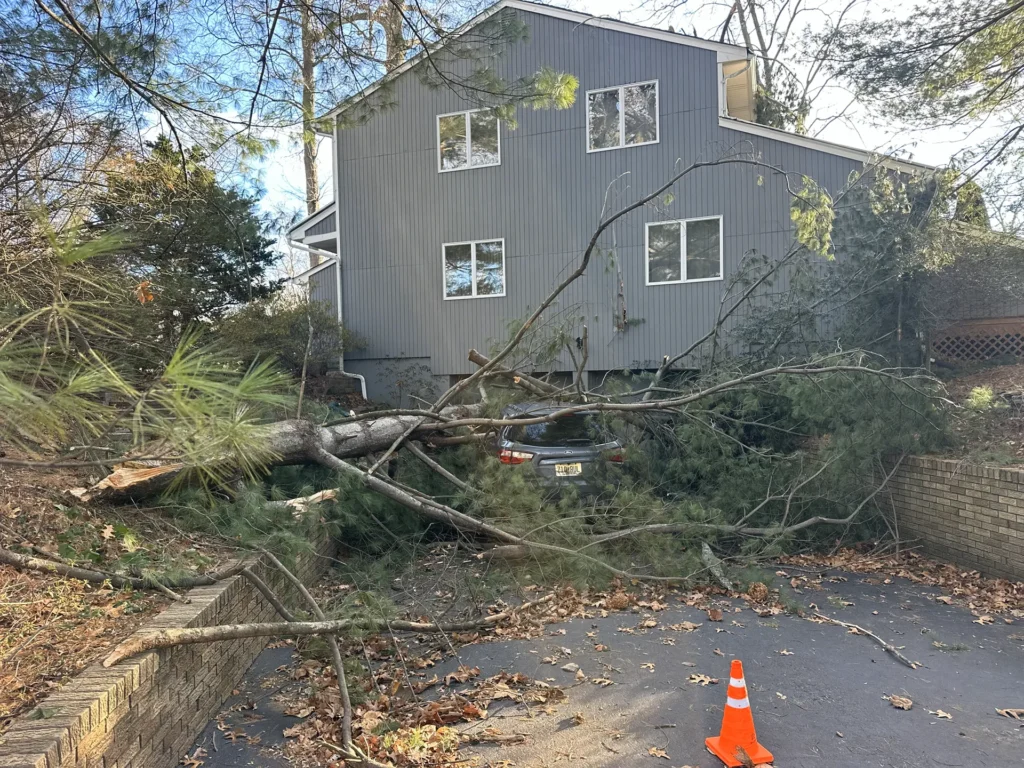
For the property owner, poor structure can translate directly into liability and repair costs. A long limb over a roofline, a low branch over a narrow drive, or a codominant trunk leaning toward a neighbor’s property can become a serious issue during a storm event. Good pruning reduces those hazards before they turn into emergency calls.
The local environment makes risk more dynamic. Trees near open water often develop one-sided canopies from prevailing wind. Salt can thin foliage and stress branch tips. Even inland spots closer to protected streets can have dense crowns that catch far more weather than expected. The same species behaves differently depending on where it sits in Monmouth Beach.
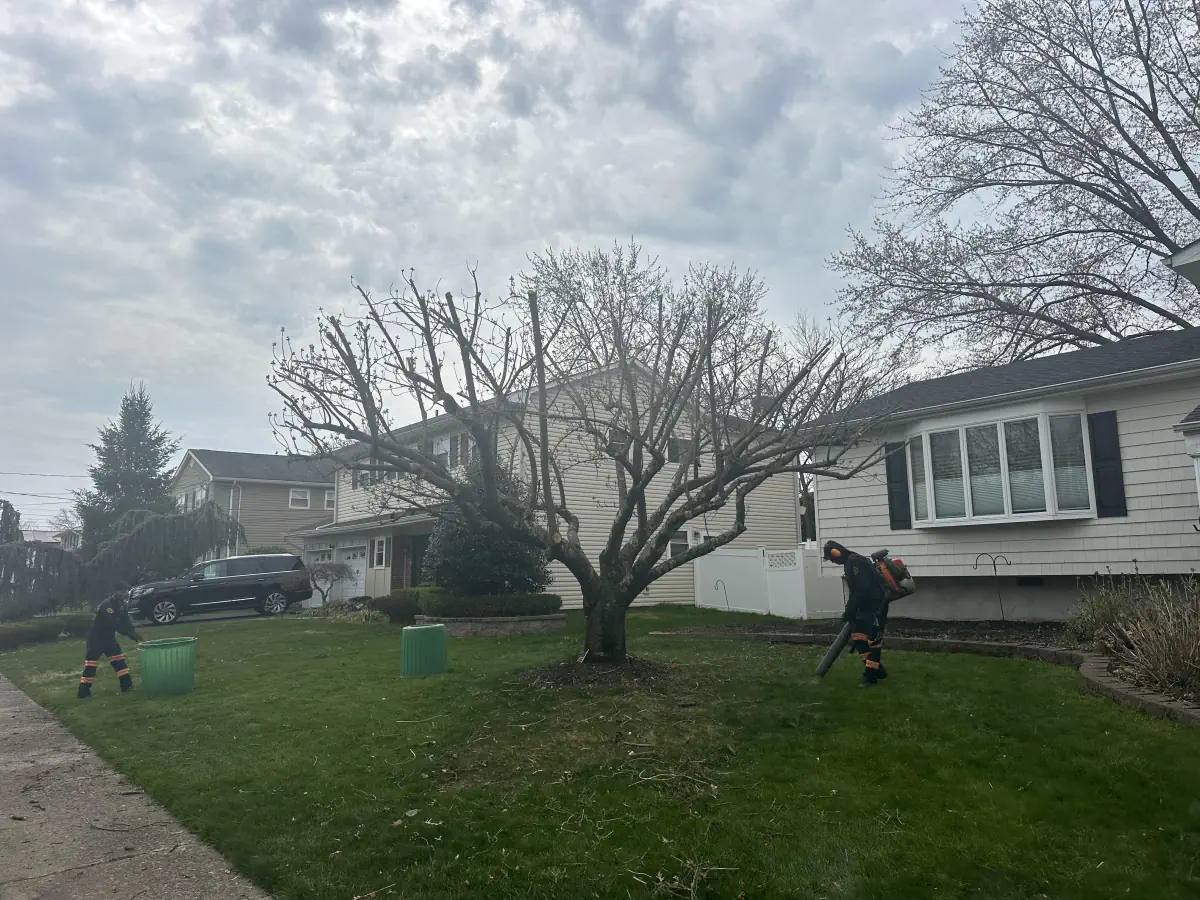
We see recurring problems in red maples, ornamental pears, pines, and mature oaks where previous cuts were made for appearance instead of structure. Topping, over-lifting, and random interior cutting can all create weak regrowth or shift weight to the outer canopy. That leaves the tree more vulnerable, not less.
Proper pruning starts with understanding how the tree is built today and how it is likely to respond to weather over the next several seasons.
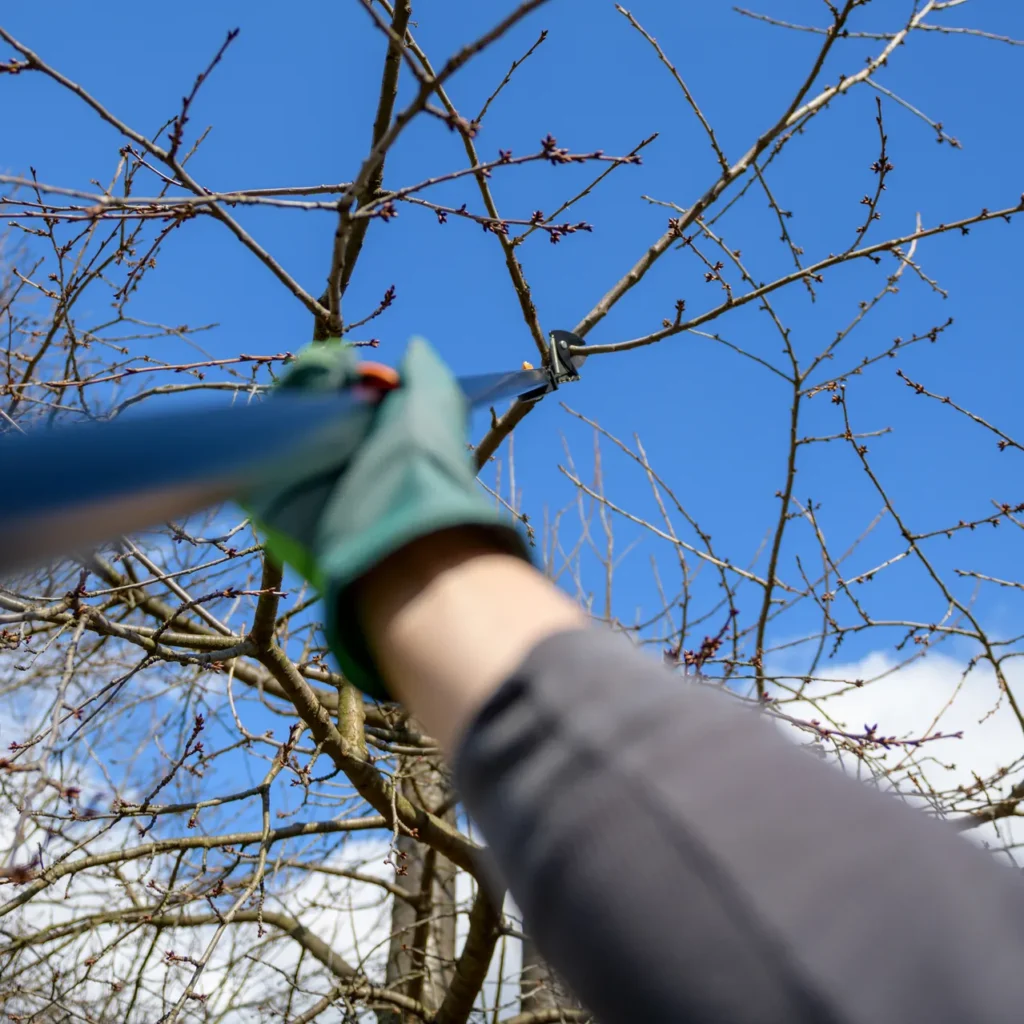
When reducing tree risk in Monmouth Beach, these are common pruning priorities:
- Removing dead or cracked limbs above homes, walks, and parked cars
- Reducing overextended branches on wind-exposed coastal properties
- Correcting codominant stems before they split at the main union
- Restoring trees that were previously topped or poorly thinned
Once the structure is understood, pruning can be used strategically to reduce stress, preserve healthy canopy, and improve how the tree handles the conditions unique to this shoreline community.
Coastal Conditions Change How Trees Should Be Pruned
Pruning in Monmouth Beach has to account for exposure. Trees near the oceanfront or along more open sections of town are dealing with persistent wind, salt-laden air, and occasional storm surge conditions that inland landscapes never see. Those trees need balanced canopies and strong branch architecture, not heavy-handed cutting.
That matters because a tree that is pruned too aggressively can become even more vulnerable. Over-thinning a pine or live crown reduction taken too far on a maple may stimulate weak regrowth, increase sunscald risk, or reduce the tree’s ability to produce the energy it needs to recover from stress. In other words, too much pruning can create the exact kind of weakness homeowners are trying to avoid.
Local soil conditions also matter. Sandy, fast-draining soils can leave trees under moisture stress during hot months, which means they may enter storm season or winter with less vigor than they appear to have. A tree that looks green is not always structurally strong, especially if the root zone has been compacted by construction or repeated foot traffic near waterfront homes.
Our field experience shows that coastal pruning works best when it is selective and precise. Instead of chasing a perfectly symmetrical shape, we aim for good attachment angles, reduced end weight, and a canopy that can move without failing. That distinction is important on properties where shade, privacy, and views all have to be balanced carefully.
When pruning matches the site, the species, and the actual exposure, risk goes down while the tree remains healthier and more natural-looking over time.
In Monmouth Beach, effective coastal pruning often means:
- Maintaining a natural canopy outline instead of stripping interior growth
- Reducing leverage on limbs facing open wind corridors
- Preserving enough live canopy for energy production and recovery
- Adjusting the pruning plan for trees near oceanfront versus more sheltered streets
That site-specific approach is what separates real arborist risk reduction from routine trimming. It also helps homeowners make better decisions about which trees can be improved and which ones need more serious intervention.
When Risk Reduction Means More Than Pruning
Pruning is powerful, but it does not solve every tree problem. Some trees have trunk decay, severe root loss, or structural defects that are too advanced for pruning alone to offset. In those cases, risk reduction may involve cabling, bracing, soil care, or removal, depending on the target and the condition of the tree.
For Monmouth Beach homeowners, that distinction matters because many valuable trees are close to high-value structures. Large homes, narrow setbacks, and waterfront exposure mean there is often less margin for error. A compromised tree can affect not just your property, but neighboring homes, shared access areas, and utility space as well.
Local weather patterns reinforce that need for honest assessment. Summer thunderstorms, winter snow, and year-round wind pressure all test weak trees repeatedly. A specimen that survives one season may still be a poor candidate for long-term retention if the root plate is unstable or the main scaffold structure is failing.
We regularly help homeowners prioritize which trees need immediate attention and which can be managed over time. Sometimes the right answer is restoration pruning with follow-up inspections. Sometimes it is a support system. Sometimes the safest and most cost-effective decision is removal before the tree fails under storm load.
Risk reduction works best when it is based on clear arborist judgment, not wishful thinking or appearance alone.
A complete risk-reduction plan may include recommendations like these:
- Follow-up inspections after major coastal storms or winter events
- Root zone protection around mature specimen trees near hardscapes
- Removal of trees whose defects cannot be corrected safely
Proper tree pruning in Monmouth Beach is about much more than tidying up branches. It is one of the most important tools for managing property risk, preserving mature trees, and preparing a coastal landscape for the weather patterns that come with life at the shore.

For Breathtaking Results - Choose Hufnagel!

We are certified arborists with more than 25 years of experience and over 200 five-star Google reviews from Monmouth County property owners who trust us to give direct, practical advice. For expert pruning and risk reduction in Monmouth Beach, call (732) 291-4444 or use our contact form. Only Use A Certified Arborist!
Schedule Service Now!
From precision pruning and safe removals to health assessments and preventative care, Hufnagel Tree Service delivers expert solutions backed by decades of experience. We offer certified insight, fair pricing, and a commitment to doing what’s best for your landscape.
Learn More About Our Services
Related Articles
Managing Leyland Cypress Trees in New Jersey Landscapes
Protecting Trees from Snow and Ice in West Long Branch, NJ