Contents
Late winter tree care on a budget from a certified arborist who works these neighborhoods every week
Across Monmouth County, late winter is when we see homeowners make the most practical tree decisions of the year. Not because storms are exciting, and not because anyone is dreaming about chainsaws in February, but because timing changes everything. When your priority is value, dependable scheduling, and work that protects the long term health of your trees, late winter often beats the spring rush.
We serve the full Monmouth County service area, from the bayshore towns like Keyport, Keansburg, Union Beach, Belford, and Port Monmouth, to inland neighborhoods in Holmdel, Colts Neck, Marlboro, Manalapan, Freehold, and Wall, and down through the shore communities like Belmar, Spring Lake, Sea Girt, Manasquan, Avon, and Bradley Beach. The same seasonal patterns show up everywhere, even though the trees and soils vary from town to town.
Late winter also lines up with what we see on real properties. Clay-heavy yards in Middletown and Holmdel hold moisture, making spring lawns easy to rut. Coastal winds in Sea Bright, Rumson, and Monmouth Beach expose weak unions and overextended limbs. Older shade trees in Red Bank, Shrewsbury, and Fair Haven often carry deadwood that is not obvious until leaves are gone. This is the window where visibility and access work in your favor.
Michael Hufnagel, our owner and certified arborist, puts it plainly: “If you want budget friendly tree service with the best scheduling options, late winter is the sweet spot. Spring is when everyone calls at once, and that rush is where homeowners lose flexibility.”
This article explains why people choose late winter over spring for budget tree service, what projects are best done now, and how to plan your property so you are not forced into emergency decisions later.
Why Late Winter Often Costs Less Than Spring in Monmouth County
Late winter pricing is not about cutting corners. It is about efficiency. In spring, demand spikes hard. The first warm stretch hits, homeowners walk their yards, and everyone wants pruning, removals, cleanup, and storm prep at the same time. That surge compresses schedules, reduces flexibility, and can push non-urgent work into longer wait times. When the calendar is jammed, any job that runs long can ripple into other appointments, which makes tight scheduling more expensive to manage.
In late winter, we can often plan work with better routing and better use of labor and equipment. That matters in a county as spread out as Monmouth. A day that includes Middletown, Lincroft, and Red Bank runs differently than a day bouncing between Manasquan and Aberdeen. When we can group neighborhoods logically, homeowners see the benefit because the project becomes more predictable and less wasteful.
Another cost factor is access. With leaves off the canopy, we can see structure clearly and make precise cuts without fighting dense foliage. That is not just a technical preference, it is time on site. Cleaner visibility reduces the back and forth that happens when a crew is trying to locate deadwood, identify crossing limbs, or confirm attachment points for rigging. In late winter, inspections are faster and the plan is clearer before the first cut is made.
There is also less collateral impact to manage. In spring, lawns are soft, beds are actively growing, and homeowners are often mid-landscaping. Protecting new plantings and preventing ruts takes more matting, more staging, and more caution. We do that whenever it is needed, but it is a real part of the labor equation. In late winter, the ground is often more stable, and many ornamentals are still dormant, which makes the whole job cleaner.
Michael Hufnagel summarizes it the way most homeowners feel it: “Late winter lets us do the same high quality arborist work, but with fewer complications. That usually means a better value for the homeowner and a smoother day for everyone.”
The real budget advantages show up when you add scheduling, access, and fewer landscaping headaches together.
-
More appointment availability before the spring rush fills the calendar
-
Faster, clearer assessments because the canopy is visible without leaves
-
Less risk of rutting soft spring lawns and damaging fresh landscaping
-
More efficient crew routing across Monmouth County neighborhoods
-
Better odds you can choose the timing, instead of being forced into it
Late winter does not eliminate the need for skilled work, it simply reduces the friction around it. Next, it helps to understand which specific tree projects are best handled now, and which ones are better saved for later.

The Best Late Winter Projects for Budget Focused Tree Service
Dormant season pruning is one of the most valuable services for homeowners trying to stretch their budget without sacrificing results. When trees are dormant, the structure is easier to evaluate and the cuts are easier to place correctly. That matters for shade trees like oak and maple that dominate many neighborhoods from Middletown and Holmdel to Shrewsbury and Fair Haven. Proper pruning now sets the canopy up for healthier spring growth, and it reduces the chance of heavy limbs failing once leaves add weight.
Crown cleaning and deadwood removal are also especially effective in late winter. Deadwood stands out when leaves are down, and we can remove hazards that might otherwise go unnoticed until a windy March day or a thunderstorm later in the season. In coastal zones like Sea Bright, Rumson, Long Branch, and Monmouth Beach, wind exposure makes this even more important. A limb that seems fine in calm weather can become a projectile when gusts hit.
Late winter is also a strong time for removals that are already justified. If a tree is declining, structurally unsound, or creating an unacceptable risk near a house, driveway, or power lines, waiting for spring rarely improves the situation. Removing in late winter often means less disruption to the yard and fewer scheduling delays. It also puts you ahead of the seasonal permit and landscaping wave that starts as soon as homeowners begin outdoor projects.
Another smart late winter move is structural pruning on younger trees. In places like Marlboro, Manalapan, Freehold, and Wall Township, where many properties have planted ornamental and street trees in the past decade, early structural work prevents expensive problems later. Correcting co-dominant leaders, reducing competing stems, and managing poor branch angles while the tree is young is one of the most cost-effective decisions a homeowner can make.
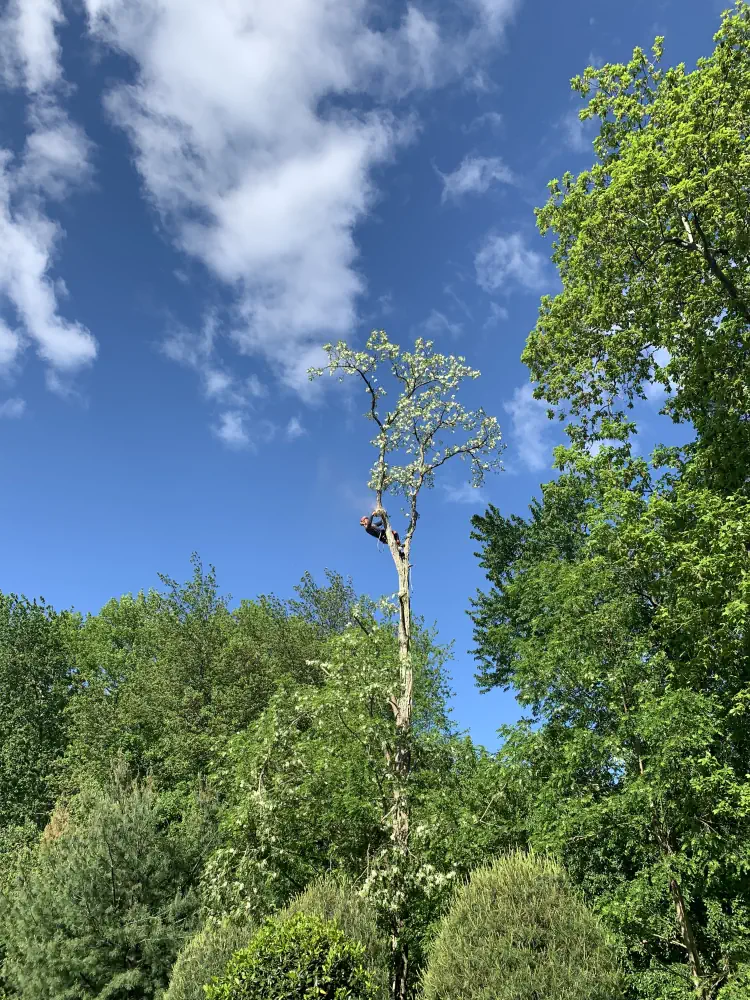
Michael Hufnagel often reminds homeowners that good timing is part of good arboriculture: “If we can shape a tree while it is dormant and you can see the structure, you get better results with fewer cuts. That is healthier for the tree and usually more economical for the customer.”
If you want the biggest late winter payoff, focus on work that benefits from dormancy and visibility.
-
Dormant season pruning for oaks, maples, and mature shade trees
-
Crown cleaning to remove deadwood before spring winds and storms
-
Structural pruning on younger trees to prevent costly future failures
-
Risk reduction pruning over roofs, driveways, sheds, and play areas
-
Planned removals for trees that are already confirmed as unsafe or declining
When you choose the right projects, late winter can feel like a reset button for the whole property. The next step is understanding why spring becomes more expensive and more stressful for many homeowners, even when the work itself is similar.
Why Spring Tree Service Gets Tight on Schedules and Tough on Budgets
Spring creates a perfect storm of demand in Monmouth County. Homeowners come out of winter, notice damage, start renovations, list homes for sale, plan parties, and want the yard to look sharp fast. At the same time, storms often roll through as the season changes, so emergency calls stack up alongside routine requests. The result is a crowded schedule where non-urgent projects can get pushed later than homeowners expect.
Spring also brings heavier canopies quickly. Once leaves are on, the job becomes more complex. Visibility drops, rigging plans can change, and crews spend more time moving brush and managing cleanup volume. Even when everything goes smoothly, the workload is physically larger. That can affect cost because the job is simply more labor intensive when every branch carries foliage.
Ground conditions are another spring wildcard. Many Monmouth County properties have soils that hold water, especially in areas like Middletown, Holmdel, Colts Neck, and parts of Ocean Township. Spring rain and thaw cycles can turn yards into spongey surfaces that rut easily under equipment. To protect the property, we use mats and careful staging, but those protections are part of doing the job correctly, and they add time.
Spring also tends to reveal problems all at once. A homeowner who planned to “just do a trim” suddenly notices a cracked limb, a hanging branch over the driveway, or a tree leaning more than last year. When multiple issues appear at once, the scope expands and decisions get rushed. That is how budgets get blown. Late winter gives you time to plan instead of reacting.
Michael Hufnagel describes the spring rush in a way that matches what we see in the field: “Spring is when the phone rings nonstop. We will take care of you, but if you want the best scheduling options and the calmest process, late winter is the easier window.”
Spring is not a bad time for tree work, but it is the season where urgency and competition squeeze budgets.
-
Higher demand can limit scheduling flexibility and increase wait times
-
Leaf-on canopies increase labor, brush volume, and cleanup time
-
Soft lawns and wet soils require extra protection and staging
-
Storm driven emergencies can push routine jobs down the calendar
-
Homeowners are more likely to make rushed decisions when problems stack up
If spring is crowded, that does not mean you should delay necessary work. It means you should approach late winter with a plan. Next, it is worth covering what to watch for in late winter so you get savings without taking on avoidable risk.
Late Winter Tree Work Done Right: Safety, Timing, and What to Avoid
Late winter is ideal for many projects, but it still requires judgment. The biggest mistake homeowners make is assuming any tree company can do the job the same way. In reality, dormant season work can be either excellent or harmful depending on how cuts are made and how the tree’s biology is respected. Poor cuts, topping, and over-thinning can create long term problems that cost more to correct later.
Weather matters too. We work through winter conditions, but safety always leads. Wind, ice, and saturated ground can change how a job is executed. A responsible crew will reschedule when conditions increase risk, and a certified arborist will explain why that call protects your property and the workers on site. Budget service should never mean risky service.
Timing also depends on species and site conditions. Many oaks in Monmouth County benefit from dormant pruning, but there are situations where we adjust timing to reduce stress or address specific disease concerns. Ornamentals and hedgerows can be pruned in late winter, but the right approach depends on plant type, bloom timing, and the owner’s goals. In shore towns, salt exposure and wind pruning patterns can change how we shape a canopy so it stays balanced through summer storms.
Another late winter issue is hidden damage. Winter reveals cracks, weak unions, and old wounds that were masked by foliage. That is good, but it also means homeowners may learn a tree is riskier than they thought. A proper assessment focuses on likelihood of failure and what targets exist below, such as roofs, decks, fences, sheds, and play spaces. The goal is not to scare anyone into removals. The goal is to identify realistic risk and then choose the most cost-effective solution.
Michael Hufnagel’s rule is simple: “Budget tree service only makes sense when the work is correct. Saving money on the wrong cuts is not savings, it is delayed damage.”
Late winter is the best value when you pair it with professional standards and clear decision-making.
-
Avoid topping and aggressive over-thinning that weakens structure
-
Use a certified arborist assessment to prioritize risk, not fear
-
Schedule around wind, ice, and ground conditions for safe access
-
Match pruning approach to species, coastal exposure, and property goals
-
Focus on preventing spring emergencies, not chasing cosmetic quick fixes
When late winter work is planned correctly, it reduces emergency calls, reduces storm losses, and sets your trees up for healthier growth. Next, the smartest move is to use late winter to build a spring plan so you are not competing with the whole county at the same time.
Choosing a Budget Tree Service Provider Without Sacrificing Quality
Homeowners often hear the phrase “budget tree service” and assume it means the cheapest quote wins. In real tree care, the best value usually comes from the company that reduces your total risk and prevents repeat problems. A low price paired with poor pruning can create regrowth that fails in storms, weak attachments, and decay that spreads. That turns “savings” into a future removal.
A certified arborist approach is different. We look at structure, targets, species behavior, and site conditions. In Monmouth County, that includes clay soil root behavior, salt exposure near the water, and the wind corridors that shape canopies differently in coastal towns versus inland neighborhoods. Budget decisions should be tied to priorities, not guesswork.
Another factor is cleanup and property protection. A crew can work fast, but if they rut the yard, damage a fence, or leave debris that you have to handle, the true cost goes up. Professional work includes careful staging, controlled rigging, and a clean finish. That matters whether the job is in a tight Red Bank backyard, a larger Colts Neck lot, or a shore property where access is narrow.
Transparency also matters. A good tree company explains what they are doing and why, and they do not oversell. If a tree can be preserved safely with pruning and mitigation, that should be discussed. If removal is the correct option, that should be explained clearly, including permit considerations where applicable. Homeowners trying to stay on budget deserve clarity, not pressure.
Michael Hufnagel’s view is consistent with how we run projects: “People hire us for value, not hype. They want the job done safely, they want the property respected, and they want to know the tree is healthier when we leave than when we arrived.”
The best budget choice is the company that prevents repeat problems and reduces risk, not the one that rushes the job.
-
Look for certified arborist leadership and real local experience
-
Expect a clear explanation of pruning goals and risk priorities
-
Make sure property protection and full cleanup are part of the plan
-
Avoid companies that push removals without discussing preservation options
-
Choose a provider that can stage work in phases to match your budget
When you combine dormant-season timing with certified arborist planning, late winter becomes the calm, cost-effective window most homeowners wish they used sooner.
Call to Schedule Late Winter Tree Service Across Monmouth County

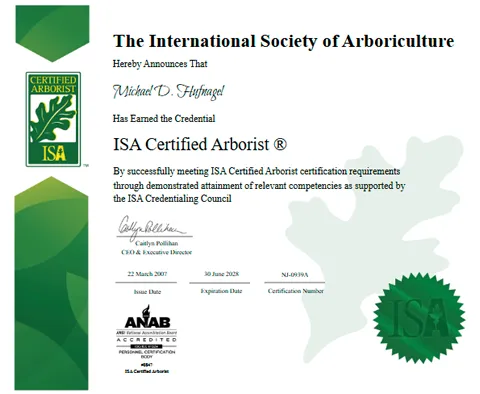
If you want to beat the spring rush and get the best value for trimming, pruning, risk mitigation, restoration, or removals, late winter is the time to schedule. We are certified arborists with more than 25 years of Monmouth County experience, and we have over 200 five-star Google reviews because we keep the process clear, safe, and professional from start to finish.
Call Hufnagel Tree Service at 732-291-4444 for a consultation and a plan that fits your property and your budget anywhere in our Monmouth County service area.
Schedule Service Now!
From precision pruning and safe removals to health assessments and preventative care, Hufnagel Tree Service delivers expert solutions backed by decades of experience. We offer certified insight, fair pricing, and a commitment to doing what’s best for your landscape.
Learn More About Our Services
Related Articles
Expert Tree Care in Brick Township Requires More Than Basic Trimming