

Tree Care in 55+ Communities: Safety, Liability, and Property Value

Trees in 55+ communities require proactive management. This guide explains safety risks, liability concerns, and how certified arborist care protects residents, boards, and property values across New Jersey.
Share This Article

Contents

OVER 55 COMMUNITY SPOTLIGHT

Why Aging Trees and Aging Populations Demand Proactive Management

55-Plus Community Tree Services

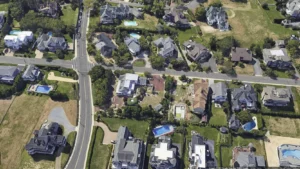
Active adult and 55+ communities across New Jersey face a unique challenge. Many were developed decades ago, and the trees planted at that time are now reaching maturity or decline at the same time as the resident population ages.

Trees are no longer just landscape features in these communities. They are infrastructure. When they are neglected, the consequences extend beyond property damage and into resident safety and board liability.

We work with community boards, property managers, and residents throughout New Jersey, and we see the same pattern repeatedly. Trees that were once assets become hazards when maintenance is deferred.

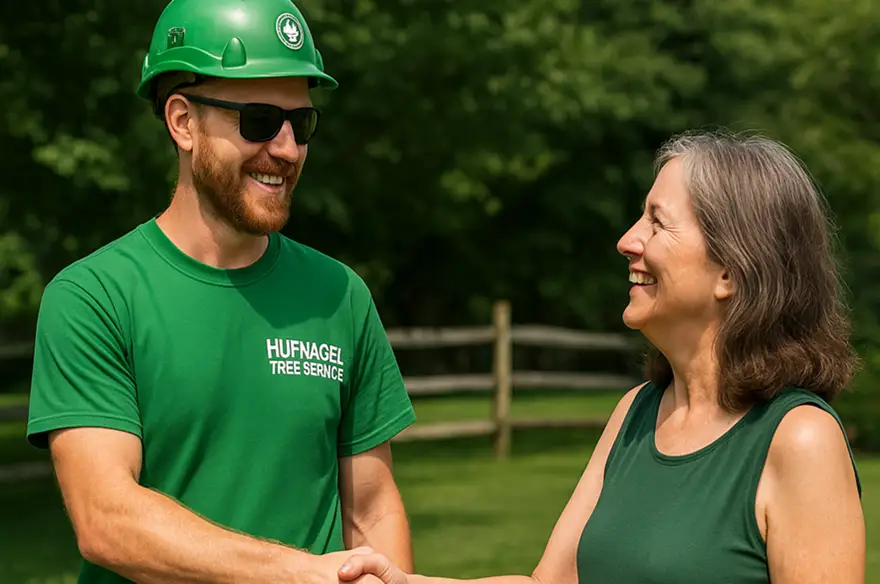
Michael Hufnagel states it directly: “In 55+ communities, tree failure is not just property damage. It is a safety issue involving people who are less able to react or recover.”

This article explains why tree care is a board-level responsibility and how proactive management protects everyone involved.

AGING TREES: SAFETY RISK

When Trees and Residents Age at the Same Time

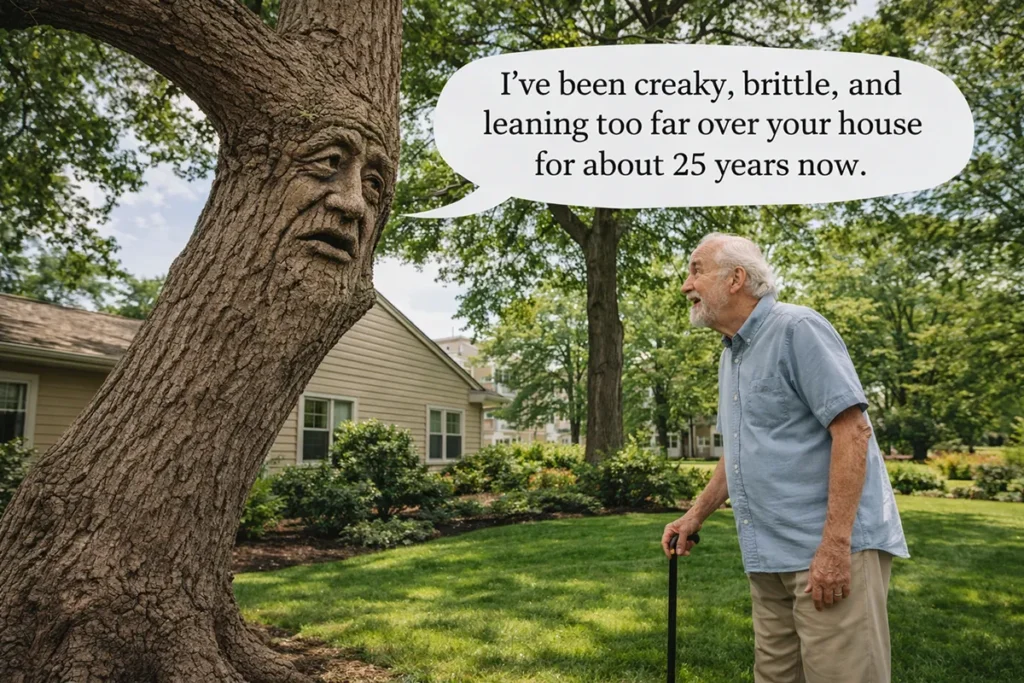
What Did The Old Tree Say To The Old Man?

Trees age just like people. As they mature, internal decay increases, structural strength declines, and recovery from stress slows. In many 55+ communities, entire neighborhoods were planted at once, which means decline happens across multiple trees simultaneously.

This creates compounded risk. Multiple aging trees with similar structural weaknesses increase the chance of failure during storms or heavy winds. When residents have limited mobility, reaction time, or physical resilience, even minor incidents can become serious.

Boards that ignore these realities expose residents and themselves to unnecessary risk.

Warning Signs Common in Aging Community Trees

  • Deadwood accumulation in canopies

  • Cracked or included branch unions

  • Leaning trunks caused by root decline

  • Surface roots lifting walkways


Aging trees and aging populations create unique risks. Proactive care is necessary to prevent injuries and emergencies.

PREVENTING INJURY

Liability and Preventable Injuries in Active Adult Communities

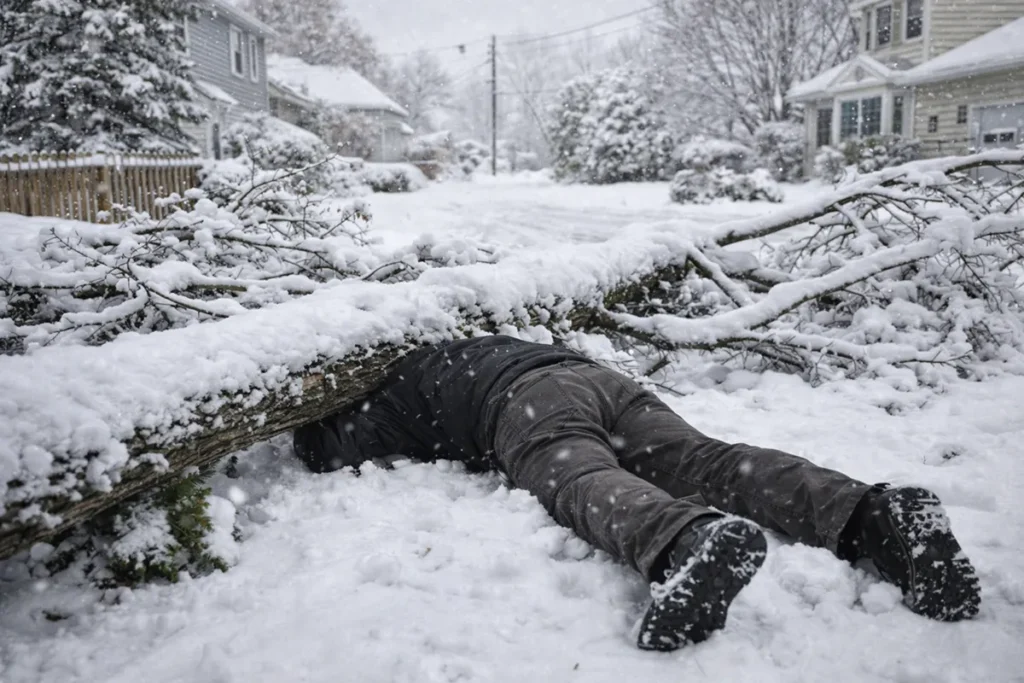
Tree Failure

Tree-related incidents in 55+ communities often involve walkways, parking areas, benches, and building entrances. Falling limbs, uneven roots, and unstable trees create hazards that are often foreseeable and preventable.

From a liability standpoint, boards are expected to act once risks are known or should have been known. Regular inspections and documentation demonstrate due diligence and reduce exposure.

Mike often explains this to boards: “When a tree fails in a 55+ community, the first question is not what happened. The question is who last inspected it.”

Ignoring visible decline or skipping evaluations does not eliminate responsibility. It increases it.

Common Liability Triggers in 55+ Communities

  • Ignored inspection recommendations

  • Deferred pruning despite visible hazards

  • Lack of documentation

  • Emergency response instead of prevention


Most tree-related injuries in 55+ communities are preventable. Documentation and proactive care protect residents and boards alike.

PROPERTY VALUES

How Tree Neglect Impacts Property Values

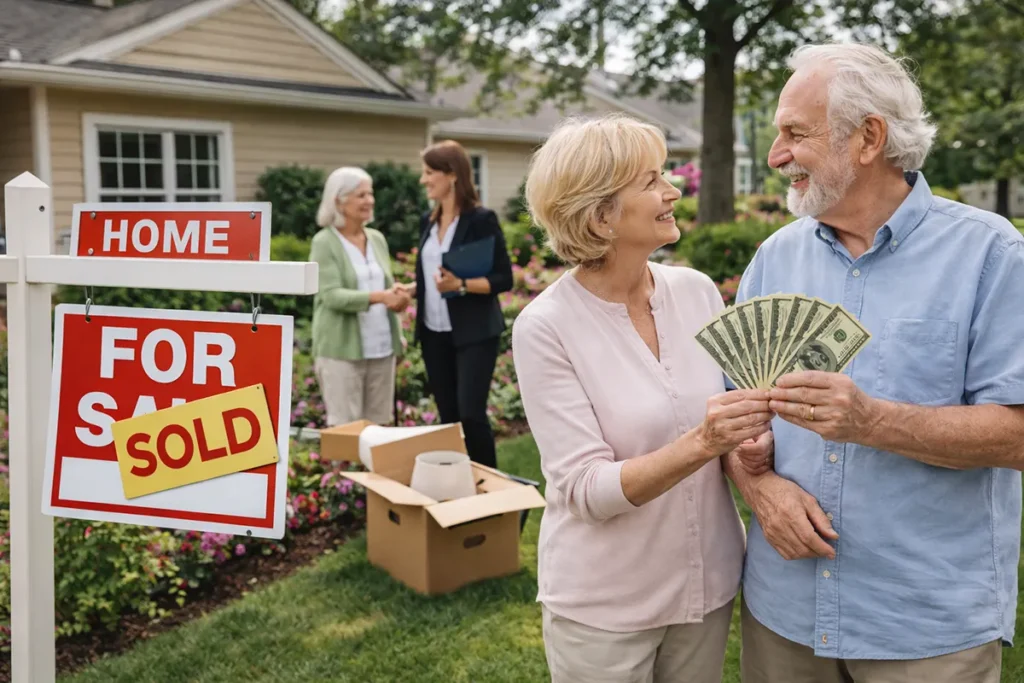
Property Values

Property values in active adult communities depend heavily on perception. Buyers want safety, stability, and low risk. Visible tree decline, storm damage, or poorly maintained landscapes raise red flags during sales and inspections.

Insurance providers also scrutinize claims history and maintenance practices. Communities with repeated tree-related claims may face higher premiums or coverage challenges.

Proper tree care preserves curb appeal, reduces claims, and supports long-term property values.

Tree Care Factors That Influence Resale Value

  • Overall landscape health

  • Absence of visible hazards

  • Maintenance consistency

  • Professional oversight


Tree care directly affects property value and buyer confidence. Neglect creates financial consequences beyond repair costs.

DON'T HIRE A HASSLE

What 55+ Community Boards Should Require From Tree Services

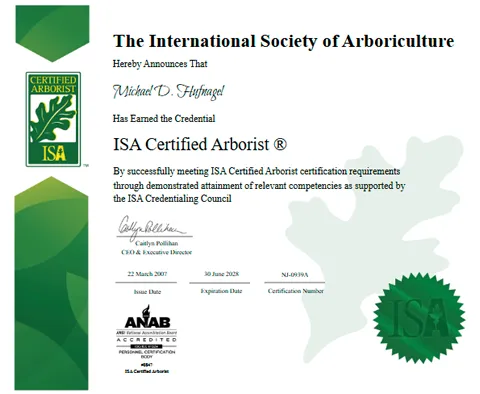
Not all tree services are equipped to work in active adult communities. Boards should require certified arborist oversight, proper insurance, and clear documentation.

Experience matters. Working around residents, walkways, and shared spaces requires planning and communication. Boards benefit from vendors who understand community dynamics and liability concerns.

Minimum Standards for Community Tree Vendors

  • Certified arborist involvement

  • Proof of insurance and credentials

  • Written evaluations and recommendations

  • Experience with community-scale work


Vendor selection is a risk management decision. Qualified arborist-led services protect boards and residents.

TREE EXPERTS

Proactive Tree Care Planning for 55+ Communities

Arborist Consulting

The most successful communities plan tree care years in advance. Phased pruning, scheduled inspections, and long-term budgeting prevent emergencies and spread costs evenly.

Emergency response should be the exception, not the rule. Planning creates predictability and peace of mind for residents and boards.

Mike summarizes it well: “The goal is not to remove trees. The goal is to make sure no one ever gets hurt by one.”

Benefits of Proactive Community Tree Planning

  • Reduced emergency incidents

  • Improved resident safety

  • Predictable budgeting

  • Stronger board protection


Proactive planning transforms tree care into a safety and value strategy rather than a reactive expense.

CERTIFIED ARBORISTS

Protecting Residents, Boards, and Property Values

Michael Hufnagel

Tree care in 55+ communities is not a background maintenance task. It is a safety obligation and a governance responsibility. Boards that act early protect residents from preventable injuries, preserve property values across the community, and reduce long-term liability exposure that can follow a single neglected tree.

At Hufnagel Tree Service, we work directly with boards, property managers, and associations throughout Monmouth County to provide certified arborist evaluations, clear documentation, and practical recommendations that stand up to scrutiny. Our approach focuses on proactive inspections, phased pruning and removals when necessary, and long-term planning that aligns with community budgets and resident safety.

When communities partner with a certified arborist-led tree service, decisions are informed, documented, and defensible. The result is fewer emergencies, fewer claims, and a landscape that enhances the quality of life residents expect in an active adult community.

If your board or management team is reviewing tree safety, liability exposure, or long-term maintenance planning, we invite you to schedule a professional arborist evaluation. Our team will assess current conditions, identify risk areas, and provide a clear path forward that protects residents, board members, and the long-term value of your community.
Schedule Service Now!

From precision pruning and safe removals to health assessments and preventative care, Hufnagel Tree Service delivers expert solutions backed by decades of experience. We offer certified insight, fair pricing, and a commitment to doing what’s best for your landscape.

Where Do You Need Service?
Please Enter Your Contact Information
Are You A New or Existing Customer?
How Can We Help You?

We Could Not Find A Direct Link To A Tree Removal Permit Application For The Town You Selected.

Please contact your local municipality to determine if a permit is required for your tree removal project. They will provide you with the most accurate and up-to-date information.